

 Send Email
 Whatsapp


Choosing The Right Solar Cable: 4mm Or 6mm For Your Needs

You need to choose the right solar cable for your solar power system. The main difference between 4mm and 6mm Solar Cable comes from how much current each can carry. You use 4mm for small setups and short distances. You use 6mm for bigger systems or longer runs to keep everything safe and efficient.
Key Takeaways
- Choose 4mm cables for small solar setups and short distances. Use 6mm cables for larger systems or longer runs to ensure safety and efficiency.
- Always check the maximum current your system will produce. Select a cable that can handle more than this amount to prevent overheating and power loss.
- Measure the cable length before purchasing. This step helps you choose the right size and avoid wasting money on unnecessary materials.
Why Solar Cable Size Matters
Solar Cable Function in Your System
You use solar cables to connect your solar panels to the rest of your system. These cables carry electricity from the panels to your inverter and batteries. If you choose the right size, you help your system work better. The cable acts like a highway for electricity. If the highway is too narrow, traffic slows down. If you pick a cable that is too small, you lose power and waste energy.
Tip: Always check the cable size before you install your solar panels. This step helps you avoid problems later.
Impact of Cable Size on Performance and Safety
The size of your cable affects both how well your system works and how safe it is. A cable that is too thin can get hot. This heat can damage the cable or even start a fire. You want to keep your system safe for your home and family. A thicker cable lets more electricity flow with less resistance. This means you get more power from your solar panels. You also protect your equipment from damage.
-
Small cables can cause:
- Power loss
- Overheating
- Safety risks
-
Right-sized cables give you:
- Better efficiency
- Longer system life
- Peace of mind
Choosing the correct solar cable size is one of the most important steps in building a reliable solar power system.
4mm vs 6mm Solar Cable: Key Differences

Current Carrying Capacity
You need to know how much electricity your cable can handle. The current carrying capacity tells you this. A 4mm solar cable can carry less current than a 6mm cable. If you use a 4mm cable for a big system, it might overheat. You should use a 4mm cable for small solar setups or short distances. A 6mm cable works better for larger systems or when you need to move electricity farther.
Tip: Always check the maximum current your system will produce. Pick a cable that can handle more than this amount for safety.
Here is a simple table to help you compare:
| Cable Size | Typical Max Current (Amps) | Best Use Case |
|---|---|---|
| 4mm | 25-35 | Small systems, short runs |
| 6mm | 40-50 | Large systems, long distances |
Voltage Drop and Resistance
When electricity travels through a cable, some power gets lost. This loss is called voltage drop. A cable with more resistance loses more power. A 4mm Solar Cable has higher resistance than a 6mm cable. If you use a cable that is too thin, your system will waste energy. You will not get the full power from your solar panels.
You should use a 6mm cable if your panels are far from your inverter. This choice keeps the voltage drop low and your system efficient.
- 4mm cable: Higher resistance, more voltage drop over long distances.
- 6mm cable: Lower resistance, less voltage drop, better for long runs.
Durability and Flexibility
You want your solar cable to last a long time. Both 4mm and 6mm cables use strong materials. The 6mm cable is thicker, so it can handle more wear and tear. It resists damage from weather and bending. The 4mm cable is thinner and more flexible. You can bend it around corners more easily. If you need to install cables in tight spaces, you might find the 4mm cable easier to work with.
Note: Always use cables rated for outdoor use if your system is outside. This step protects your cables from sun and rain.
Cost Comparison
You also need to think about cost. A 6mm solar cable costs more than a 4mm cable. The price goes up because you use more material. If you only need a short cable for a small system, you can save money with a 4mm cable. If you need a longer cable or have a bigger system, spending more on a 6mm cable can save you money in the long run by reducing power loss.
- 4mm cable: Lower cost, good for small budgets and short runs.
- 6mm cable: Higher cost, better for efficiency and safety in large systems.
Factors to Consider When Choosing Solar Cable Size
System Size and Power Output
You need to look at the size of your solar power system. A small system with just a few panels uses less electricity. You can use thinner cables for these setups. If you plan to install more panels or want higher power output, you need thicker cables. Bigger systems push more electricity through the wires. You want to make sure your cables can handle the load.
Cable Length and Layout
The distance between your solar panels and your inverter matters. Longer cables lose more power as electricity travels. If you run cables over a long distance, you should pick a thicker cable. You also need to think about how you lay out the cables. If you have many bends or turns, you might need a cable that bends easily. You want to keep the cable run as short and straight as possible.
Tip: Measure the cable length before you buy. This step helps you choose the right size and avoid wasting money.
Maximum Current and Voltage
You must check the maximum current and voltage your system will produce. Each solar cable has a limit. If you go over this limit, the cable can get hot and unsafe. You should always pick a cable that can handle more than your system’s highest current and voltage. This choice keeps your system safe and working well.
Environmental Conditions
You need to think about where you install your cables. Outdoor cables face sun, rain, and wind. Some cables resist heat and moisture better than others. If you live in a hot or wet area, choose a cable made for tough conditions. You want your solar cable to last for years without problems.
Practical Guide to Choosing the Right Solar Cable
Step-by-Step Checklist
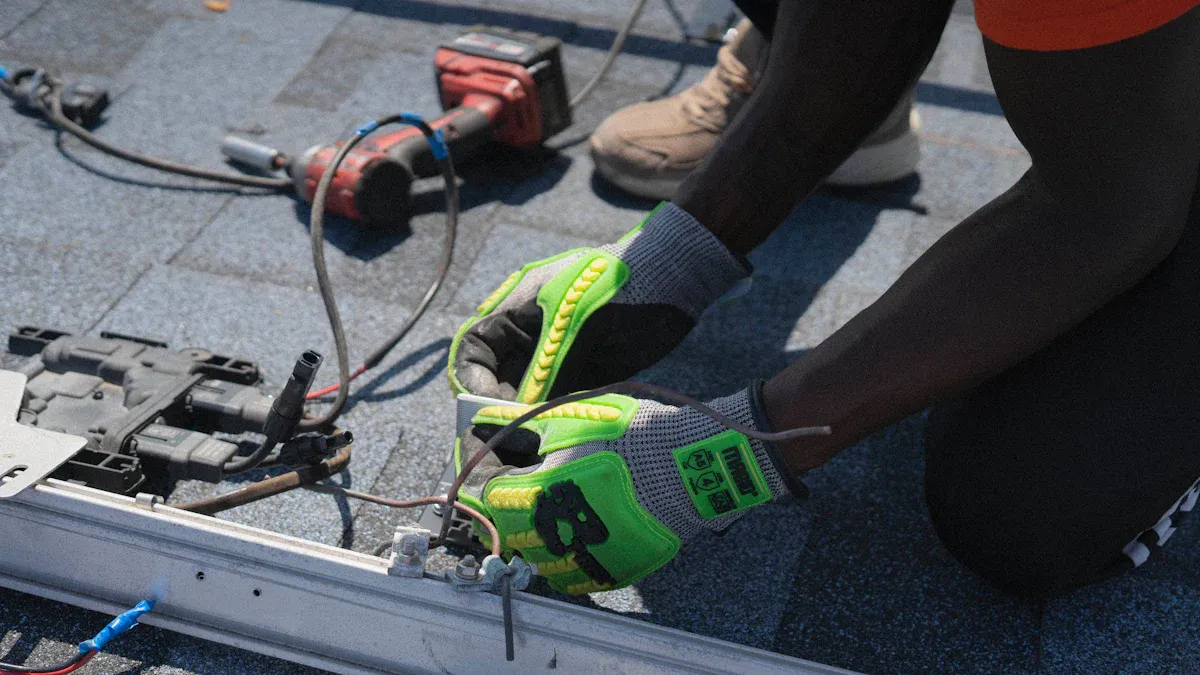
You want to choose the right cable for your solar power system. Follow these steps to make sure you pick the best option:
-
Calculate Your System’s Maximum Current
Find out how much current your solar panels will produce. Check the specifications on your panel label or manual. -
Measure the Cable Run Length
Use a tape measure to find the distance from your solar panels to your inverter or battery. Write down the total length. -
Check Voltage Drop Limits
You want to keep voltage drop below 3%. Use an online calculator or ask your installer for help. -
Select the Correct Cable Size
Compare your current and cable length with the recommended sizes. If you have a short run and low current, you can use a 4mm cable. If you have a long run or high current, choose a 6mm cable. -
Consider Environmental Factors
Look at where you will install the cable. If you place it outside, make sure it is rated for outdoor use. If you live in a hot or wet area, pick a cable that resists heat and moisture. -
Plan for Future Expansion
Think about adding more panels later. If you might expand your system, choose a cable size that can handle extra current.
Tip: Double-check your calculations before you buy any cable. This step helps you avoid mistakes and keeps your system safe.
Decision Table for Common Scenarios
You can use this table to help you decide which cable size fits your needs. Look for your situation and see the recommended cable size.
| Scenario | System Size (kW) | Cable Run Length (meters) | Max Current (Amps) | Recommended Cable Size |
|---|---|---|---|---|
| Small home system, short run | 2 | 10 | 20 | 4mm |
| Small home system, long run | 2 | 30 | 20 | 6mm |
| Medium home system, short run | 4 | 12 | 35 | 6mm |
| Large home system, long run | 6 | 40 | 45 | 6mm |
| Outdoor installation, harsh weather | Any | Any | Any | 6mm (outdoor rated) |
You can use this decision table to match your system to the right cable size. If you have a small system and a short cable run, you can save money with a 4mm solar cable. If you have a larger system or a longer distance, you should choose a 6mm cable for safety and efficiency.
Note: Always follow local electrical codes and ask a professional if you feel unsure.
Common Mistakes and Misconceptions About Solar Cable Sizing
Overestimating or Underestimating Cable Needs
Many people make mistakes when choosing solar cable sizes. You might think a bigger cable is always better. You might also believe a smaller cable saves money. Both ideas can lead to problems.
- If you pick a cable that is too thick, you spend more money than needed. Thick cables cost more and can be harder to install.
- If you choose a cable that is too thin, you risk overheating and power loss. Thin cables cannot handle high current safely.
Tip: Always match your cable size to your system’s needs. Use the tables and checklists to guide your choice.
Some people guess the cable size without checking the system’s current or length. This guesswork can cause trouble later. You should always measure and calculate before buying cables.
Ignoring Voltage Drop
Voltage drop is a common issue in solar systems. When you ignore voltage drop, your system loses power as electricity travels through the cable. You might not notice this loss right away, but it can lower your system’s efficiency.
- Long cable runs increase voltage drop.
- Thin cables have higher resistance, which means more voltage drop.
You should always check the voltage drop before installing cables. Use a voltage drop calculator or ask a professional for help.
Note: Keeping voltage drop below 3% helps your solar system work at its best. Always plan your cable size with this in mind.
You should choose your solar cable based on your system’s size, the distance you need to cover, and your power needs. For short runs and small systems, 4mm works well. For longer distances or higher power, 6mm gives you better safety and efficiency. Always plan for future upgrades.
FAQ
Can you mix 4mm and 6mm solar cables in one system?
You can mix them, but you should match cable size to current and distance. Always check for safety and efficiency.
How do you know if your solar cable is too small?
You may notice cables feel warm or your system loses power. Check for voltage drop or overheating. Upgrade to a thicker cable if needed.
Does a thicker cable improve solar panel performance?
A thicker cable reduces voltage drop. You get more power from your panels and keep your system safe. Always choose the right size for your setup.