

 Send Email
 Whatsapp


Why use 4mm cable?

When choosing cables for electrical setups, you need a reliable option that balances performance and safety. A 4mm cable stands out due to its ability to handle medium-load currents efficiently. Its durability ensures long-term use in domestic wiring, industrial systems, and Solar Cable applications. This versatility makes it a trusted choice for various environments.
Key Takeaways
- A 4mm cable works well for medium power needs. It carries enough current to avoid overheating problems.
- These cables are strong and last long. They are good for homes and factories, saving money on repairs.
- In solar setups, 4mm cables improve energy use and safety. They help move power well and protect from weather damage.
Benefits of 4mm Cable

Current-Carrying Capacity
When selecting a cable, its ability to carry electrical current safely and efficiently is crucial. A 4mm cable offers a robust current-carrying capacity, making it suitable for medium-load applications. It can handle higher currents compared to smaller cables like 2.5mm, reducing the risk of overheating. This feature ensures that your electrical systems operate smoothly, even under demanding conditions.
For example, in domestic wiring, a 4mm cable can support circuits with multiple appliances without compromising performance. Its capacity also makes it a reliable choice for industrial setups where machinery requires consistent power delivery. By choosing a 4mm cable, you ensure that your system remains efficient and safe.
Durability and Longevity
Durability is another key advantage of 4mm cables. These cables are designed to withstand wear and tear, ensuring long-term performance. Their construction includes high-quality materials that resist environmental factors like heat, moisture, and physical stress.
In industrial environments, where cables often face harsh conditions, the durability of a 4mm cable becomes even more important. It minimizes the need for frequent replacements, saving you time and money. Similarly, in domestic settings, a durable cable ensures that your wiring remains intact for years, reducing maintenance efforts.
Tip: Always check the insulation quality of your 4mm cable to maximize its lifespan and reliability.
Safety and Efficiency in Solar Systems
Solar power systems demand cables that can handle high efficiency and safety standards. A 4mm cable is an excellent choice for solar cable applications due to its ability to carry current effectively while minimizing energy loss. This ensures that your solar panels deliver maximum output to your home or business.
Safety is another critical factor. A 4mm cable reduces the risk of overheating and electrical faults, which are common concerns in solar installations. Its robust insulation protects against environmental damage, ensuring that your solar cable remains functional even in extreme weather conditions.
By using a 4mm cable in your solar setup, you enhance both the efficiency and safety of your system. This makes it a preferred option for homeowners and businesses looking to optimize their solar power solutions.
Applications of 4mm Cable
Domestic Wiring (e.g., lighting circuits, small appliances)
You can rely on 4mm cable for various domestic wiring needs. It works well for lighting circuits and small appliances that require medium-load electrical capacity. Its ability to handle higher currents ensures that your home’s electrical system remains safe and efficient.
For example, when wiring circuits for kitchen appliances like microwaves or electric kettles, a 4mm cable provides the necessary support without overheating. It also suits lighting setups where multiple fixtures are connected to a single circuit. This cable’s durability means you won’t have to worry about frequent replacements, even in areas with fluctuating power demands.
Tip: When installing 4mm cable in your home, ensure proper insulation to prevent damage from environmental factors like moisture or heat.
Industrial and Machinery Use
In industrial settings, 4mm cable proves its worth by powering machinery and equipment that demand consistent energy delivery. You can use it for medium-load machines, conveyor systems, or even smaller industrial tools. Its robust construction allows it to withstand the physical stress and environmental challenges common in factories and workshops.
Unlike smaller cables, 4mm cable minimizes the risk of power interruptions, ensuring smooth operation of your equipment. Its durability also reduces maintenance costs, making it a cost-effective choice for long-term use. Whether you’re wiring a production line or connecting motors, this cable provides the reliability you need to keep your operations running efficiently.
Solar Cable Applications
Solar power systems benefit greatly from the use of 4mm cable. You can use it to connect solar panels to inverters or batteries, ensuring efficient energy transfer. Its ability to carry current effectively minimizes energy loss, helping you maximize the output of your solar setup.
Safety is another advantage. A 4mm cable reduces the risk of overheating, which is crucial for solar installations exposed to direct sunlight. Its insulation protects against environmental damage, ensuring your solar cable remains functional in extreme weather conditions.
Note: When choosing a solar cable, consider the distance between your panels and the inverter. A 4mm cable is ideal for medium-length connections, balancing efficiency and cost.
By using 4mm cable in your solar system, you enhance both performance and safety. This makes it a preferred choice for homeowners and businesses looking to optimize their renewable energy solutions.
Comparison with Other Cable Sizes
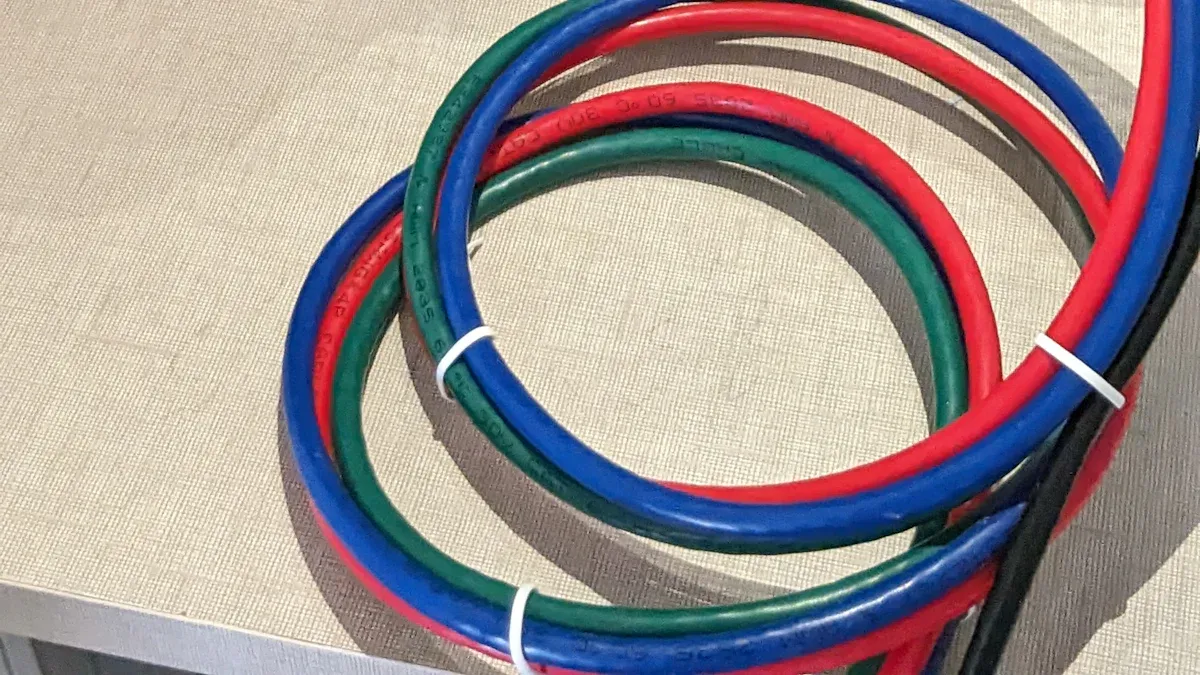
Differences from Smaller Cables (e.g., 2.5mm)
Smaller cables like 2.5mm are often used for low-load applications. These cables carry less current, making them suitable for basic circuits like single lighting fixtures or small appliances. However, when you need to handle medium-load currents, a 4mm cable becomes the better choice.
A 4mm cable offers higher current-carrying capacity, reducing the risk of overheating. It also provides better durability, especially in environments where cables face wear and tear. For example, if you’re wiring circuits for multiple appliances or connecting solar panels, a 2.5mm cable may fall short in performance and safety.
Tip: Use 2.5mm cables for low-demand setups, but switch to 4mm cables for medium-load applications to ensure efficiency and reliability.
Differences from Larger Cables (e.g., 6mm)
Larger cables like 6mm are designed for high-load applications. These cables can carry more current, making them ideal for heavy-duty machinery or high-power systems. However, they may not always be the most practical choice.
A 4mm cable strikes a balance between capacity and cost. It handles medium loads efficiently without the bulk or expense of a 6mm cable. For domestic wiring or solar cable setups, a 6mm cable might be overkill unless your system demands high power delivery.
Note: Choose 6mm cables for heavy-duty needs, but rely on 4mm cables for medium-load systems to avoid unnecessary costs.
Choosing the Right Size for Solar and Other Needs
Selecting the right cable size depends on your specific requirements. For solar cable applications, a 4mm cable works well for medium-length connections between panels and inverters. It minimizes energy loss while maintaining safety.
If your setup involves low-power circuits, a smaller cable like 2.5mm might suffice. For high-power systems, a 6mm cable ensures optimal performance. By understanding your system’s load and distance requirements, you can confidently choose the right cable size.
Reminder: Always consult an electrician to ensure your cable choice matches your system’s needs.
A 4mm cable offers a reliable solution for medium-load electrical needs. Its balance of current capacity, safety, and durability makes it a versatile choice.
- You can use it confidently in domestic wiring, industrial setups, and solar systems.
- Its adaptability ensures it meets the demands of various environments.
Remember: Understanding its benefits helps you make informed decisions for your projects.
FAQ
What is the maximum current a 4mm cable can handle?
The maximum current depends on the installation method and environment. Typically, a 4mm cable can handle up to 37 amps in ideal conditions.
Can you use 4mm cable for outdoor wiring?
Yes, you can use it outdoors if it has proper insulation. Look for UV-resistant and weatherproof cables for added durability.
How do you choose between 4mm and 6mm cables?
Choose based on load requirements. Use 4mm for medium loads like lighting circuits. Opt for 6mm for high-power systems like heavy machinery or long-distance connections.
Tip: Always consult an electrician to ensure your cable choice meets safety standards.