

 Send Email
 Whatsapp


Choosing between 4mm and 6mm solar cable for your solar installation
Choosing between 4mm and 6mm solar cable for your solar installation
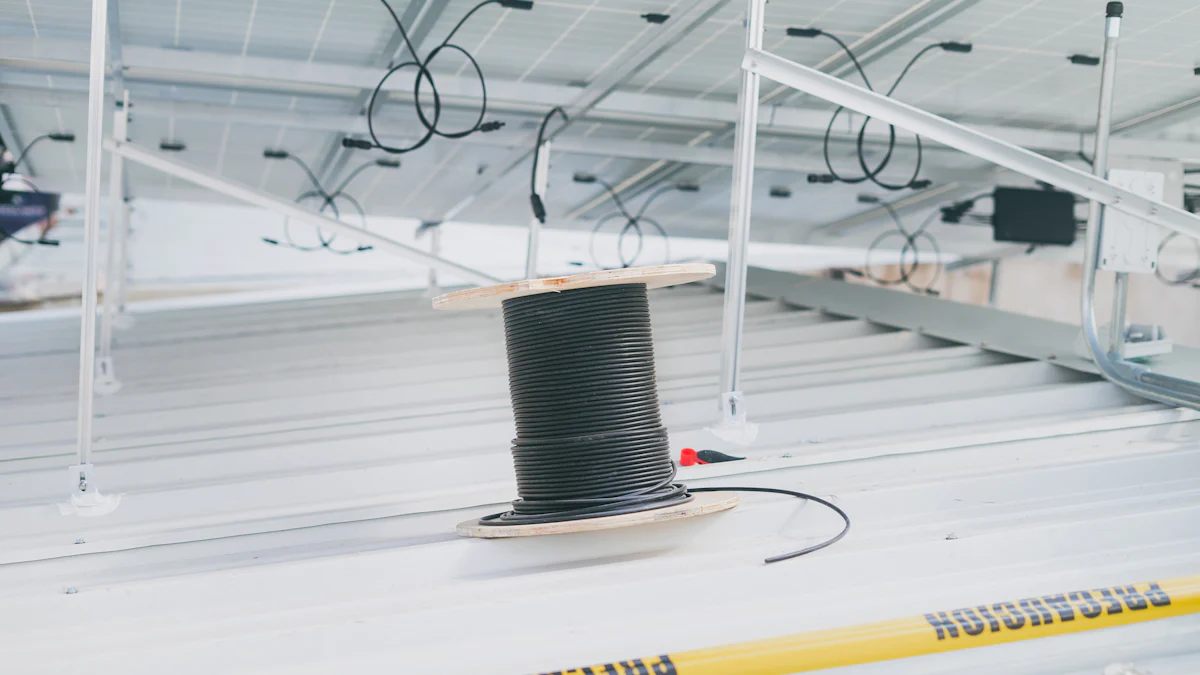
When setting up your solar system, selecting the appropriate solar cable, such as a DC Solar Cable 6mm, is more crucial than you might realize. The primary distinction between 4mm and 6mm cables lies in their thickness and current-carrying capacity. A DC Solar Cable 6mm is designed to handle higher currents and minimize energy loss over longer distances. On the other hand, a 4mm cable is suitable for smaller systems or shorter runs. Choosing the wrong cable size can result in inefficiency or even pose safety hazards. Therefore, understanding your system’s requirements is essential.
Key Takeaways
- Use a 6mm Solar Cable for big systems or long distances. It carries more current andlowers energy loss.
- A 4mm solar cable works well for small systems with short distances. It is cheaper and simple to set up.
- Pick the right cable size based on your system's power and distance. This keeps it safe and efficient.
What is a Solar Cable?
Definition and purpose of solar cables
A solar cable is a specialized wire designed to connect the components of your solar power system. It links your solar panels to the inverter and other parts of the setup, ensuring electricity flows smoothly. Unlike regular electrical wires, solar cables are built to handle outdoor conditions. They resist UV rays, extreme temperatures, and moisture, making them durable and reliable for long-term use.
You might wonder why you can’t just use any cable. Well, solar cables are specifically engineered for the unique demands of solar systems. They carry direct current (DC) electricity, which requires higher insulation and safety standards. Whether you’re using a 4mm cable or a Dc Solar Cable 6mm, the right choice ensures your system operates efficiently and safely.
Importance of cable size in solar installations
Choosing the correct cable size is more important than you might think. The size of the cable affects how much electricity it can carry and how much energy is lost during transmission. A smaller cable, like a 4mm solar cable, works well for short distances or smaller systems. But if your panels are farther from the inverter or your system generates more power, a Dc Solar Cable 6mm is a better option. It reduces energy loss and prevents overheating.
Using the wrong size can lead to inefficiency, higher energy costs, or even safety risks. For example, a cable that’s too small might overheat, damaging your system or creating a fire hazard. That’s why it’s crucial to match the cable size to your system’s needs. It’s not just about performance—it’s about protecting your investment and ensuring safety.
Technical Specifications of 4mm and 6mm Solar Cables
Current-carrying capacity of 4mm and 6mm cables
When it comes to current-carrying capacity, the size of the solar cable plays a big role. A 4mm solar cable can handle less current compared to a Dc Solar Cable 6mm. Typically, a 4mm cable supports around 20-25 amps, depending on the material and conditions. On the other hand, a 6mm cable can carry up to 35-40 amps. This makes the 6mm option better for larger systems or setups with higher energy demands.
If your solar panels generate more power, you’ll need a cable that can handle the load without overheating. A Dc Solar Cable 6mm ensures your system runs smoothly and safely, especially for high-output installations.
Voltage drop and its impact on solar system performance
Voltage drop happens when electricity travels through a cable, and some energy gets lost along the way. The longer the cable or the smaller its size, the more energy you lose. A 4mm solar cable is fine for short distances, but if your panels are far from the inverter, you might notice a drop in efficiency.
A Dc Solar Cable 6mm reduces voltage drop significantly. This means more of the electricity your panels produce reaches the inverter. In the long run, this improves your system’s performance and saves energy.
Compatibility with different solar system sizes
The size of your solar system determines which cable works best. For smaller setups, like a few panels on a residential roof, a 4mm solar cable is usually enough. It’s cost-effective and gets the job done for low-power systems.
For larger systems, especially those used in commercial or industrial settings, a Dc Solar Cable 6mm is the better choice. It handles higher currents and longer distances, ensuring your system operates efficiently.
Tip: Always check your system’s specifications before choosing a cable. Picking the wrong size can lead to energy loss or even safety issues.
Factors to Consider When Choosing a Solar Cable
System size and power output
Your solar system's size and power output play a huge role in picking the right solar cable. A smaller system, like one for a residential home, usually works fine with a 4mm cable. It handles lower power levels without any trouble. But if you’re dealing with a larger setup, like a commercial or industrial system, you’ll need something more robust. A Dc Solar Cable 6mm can handle higher currents and ensures your system runs efficiently. Always match the cable size to your system’s power needs to avoid energy loss or overheating.
Distance between solar panels and inverter
How far are your solar panels from the inverter? This distance matters more than you might think. Longer distances mean more energy loss due to voltage drop. If your panels are close to the inverter, a 4mm cable might do the job. But for longer runs, a Dc Solar Cable 6mm is the better choice. It minimizes voltage drop, ensuring more electricity reaches the inverter. This keeps your system efficient and saves energy in the long run.
Budget and cost considerations
Your budget is another factor to keep in mind. A 4mm solar cable is generally cheaper than a 6mm one. If you’re working with a tight budget and have a smaller system, the 4mm option might be the way to go. However, don’t let cost be the only deciding factor. Spending a bit more on a Dc Solar Cable 6mm can save you money in the long term by reducing energy loss and improving system performance.
Local regulations and safety standards
Don’t forget to check local regulations and safety standards. Some areas have strict rules about the type and size of cables you can use in solar installations. Using the wrong cable might not just affect your system’s performance—it could also lead to fines or safety issues. Make sure the solar cable you choose meets all the necessary standards. Consulting a professional can help you navigate these requirements and ensure your system is compliant.
Pro Tip: Always prioritize safety and efficiency over cost. The right cable size protects your investment and keeps your system running smoothly.
Comparison of 4mm and Dc Solar Cable 6mm
Advantages of 4mm solar cables
A 4mm solar cable works great for smaller systems. It’s lightweight and easier to handle during installation. If your solar panels are close to the inverter, this cable size keeps things simple and efficient. You’ll also save money since 4mm cables cost less than larger ones.
Another benefit is flexibility. The thinner design makes it easier to route the cable through tight spaces. This is especially helpful for residential setups where space might be limited. For small-scale systems, a 4mm cable often gets the job done without breaking the bank.
Advantages of 6mm solar cables
A Dc Solar Cable 6mm is the go-to choice for larger systems or longer distances. It can carry more current, which means it handles higher power outputs without overheating. This makes it ideal for commercial or industrial solar installations.
The thicker design also reduces voltage drop. If your panels are far from the inverter, a 6mm cable ensures more electricity reaches its destination. Over time, this improves efficiency and saves energy. While it costs more upfront, the long-term benefits often outweigh the initial expense.
Scenarios for choosing each cable size
So, when should you pick a 4mm cable? If you’re setting up a small residential system with short distances between components, it’s a solid choice. It’s affordable and meets the needs of low-power setups.
On the other hand, a 6mm cable is better for larger systems or when the inverter is far from the panels. If you’re installing a high-output system or want to minimize energy loss, go with the 6mm option. It’s also a safer choice for setups with higher current demands.
Quick Tip: Always consider your system’s size, distance, and power output before deciding. Consulting a professional can help you make the right call.
Choosing between 4mm and 6mm solar cables boils down to your system’s size, power needs, and distance. The 4mm cable works well for smaller setups with short distances, while the 6mm cable handles higher currents and longer runs.
- 4mm Cable: Affordable, lightweight, and ideal for residential systems.
- 6mm Cable: Durable, efficient, and perfect for larger or commercial installations.
Pro Tip: Always consult a professional to ensure your solar system operates safely and efficiently. They’ll help you pick the right cable for your unique setup.
FAQ
What happens if I use the wrong cable size for my solar system?
Using the wrong cable size can cause overheating, energy loss, or even safety hazards. Always match the cable size to your system's power and distance requirements.
Can I mix 4mm and 6mm cables in one installation?
Yes, but it’s not ideal. Mixing cables can create inefficiencies and voltage drops. Stick to one size for consistent performance and safety.
How do I calculate the right cable size for my system?
You’ll need to consider your system’s power output, distance, and current. A professional installer can help you calculate the best size for your setup.