
 Send Email
 Whatsapp


How do I choose the right cable for Solar energy system?
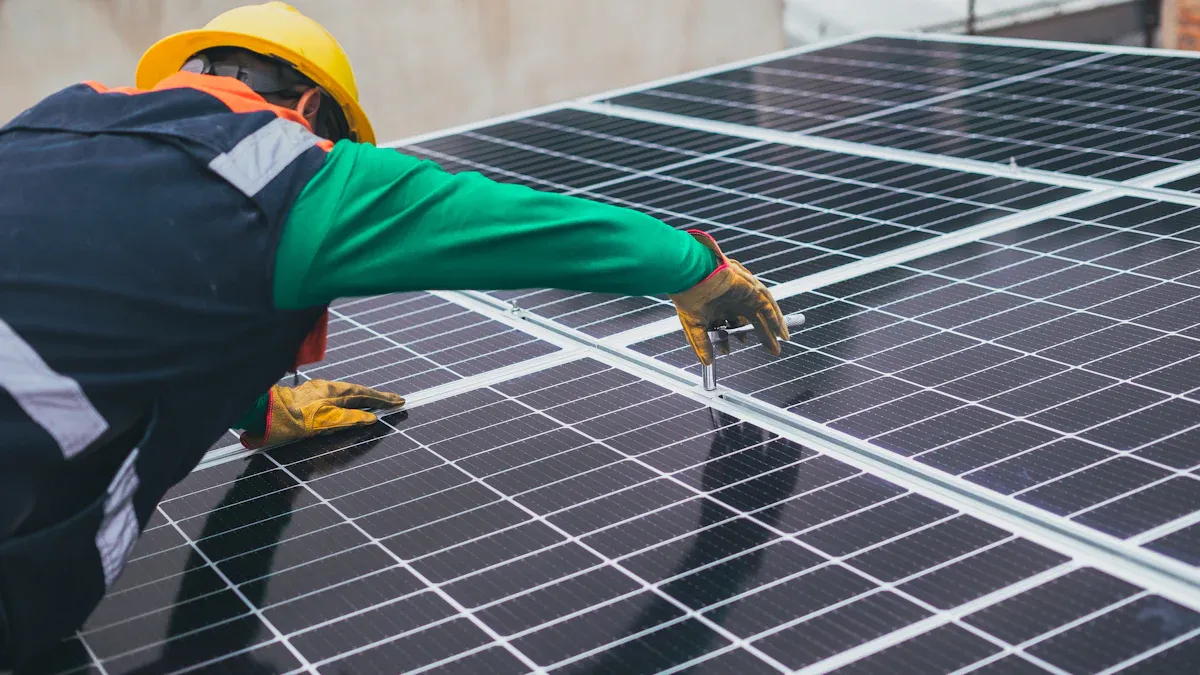
Picking the right Solar Cable isn’t just about connecting your system. It’s about ensuring safety, efficiency, and durability. The wrong choice can waste energy or even cause overheating. You want a cable that handles the load, resists weather, and lasts for years. Let’s make sure you get it right.
Key Takeaways
- Pick the correct solar cable for your system. PV Cables link panels to inverters, and DC/AC cables move electricity smoothly.
- Choose the right cable size for your system's power needs. A small cable can get too hot, and a big one costs more than needed.
- Check and take care of your solar cables often. Watch for damage to keep your system safe and working well.
Types of Solar Cables
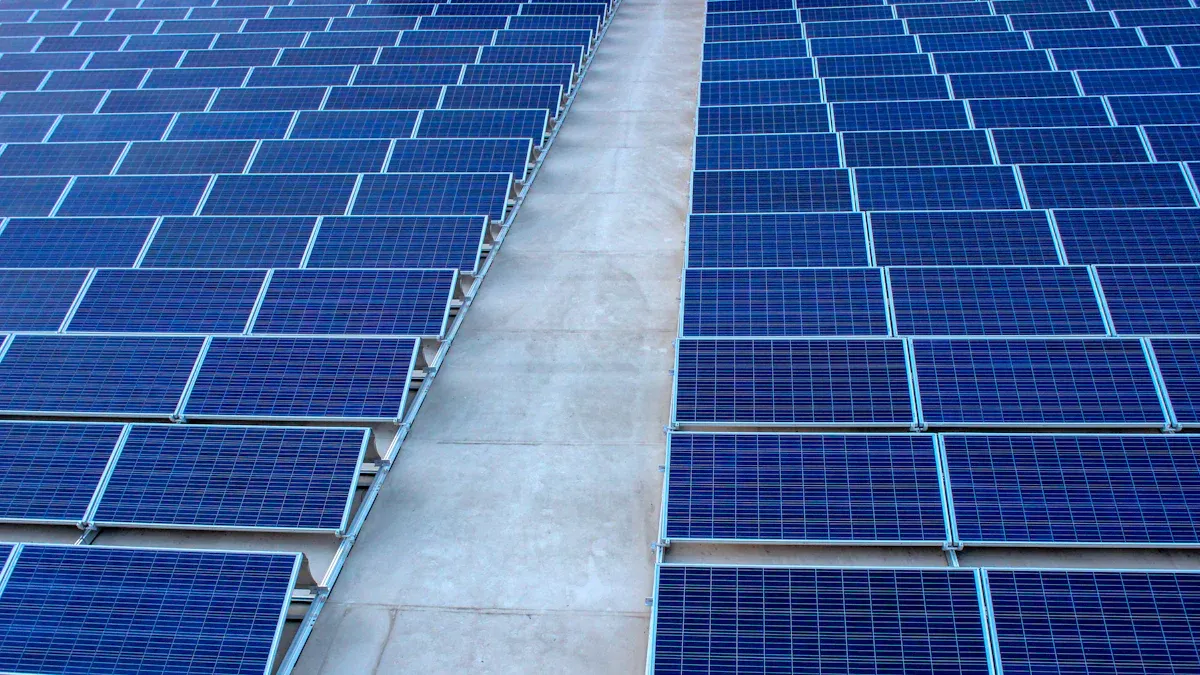
When it comes to solar energy systems, not all cables are created equal. Each type of solar cable serves a specific purpose. Let’s break them down so you can understand what works best for your setup.
PV (Photovoltaic) Solar Cables
PV solar cables are the backbone of your solar energy system. These cables connect your solar panels to the inverter. They’re designed to handle high voltage and extreme weather conditions. You’ll often find them with double insulation, making them durable and safe for outdoor use. If you’re setting up a rooftop system, PV cables are a must-have.
DC Solar Cables
DC solar cables carry direct current from your solar panels to the inverter. They’re built to minimize energy loss during transmission. These cables are usually thicker to handle the high current flow. If you want to maximize efficiency, choosing the right DC cable size is crucial.
AC Solar Cables
Once the inverter converts DC to AC, AC solar cables take over. These cables deliver alternating current to your home or the grid. They’re similar to regular electrical cables but must meet specific standards for solar systems. Always check for certifications to ensure safety and compatibility.
Battery Solar Cables
If your system includes a battery, you’ll need battery solar cables. These cables connect the battery to the inverter or charge controller. They’re designed to handle high currents and are often made of flexible materials for easy installation. Proper sizing is key to avoid overheating or energy loss.
Tip: Always choose cables that match your system’s voltage and current requirements. This ensures safety and efficiency.
Key Factors for Choosing the Right Solar Cable
Cable Size and Current Capacity
Choosing the right cable size is critical. A cable that's too small can overheat or fail, while an oversized one may cost more than necessary. You’ll want to match the cable size to the current your solar energy system generates. Check the ampacity (current-carrying capacity) of the cable to ensure it can handle the load. For example, a 4mm² solar cable might work for smaller systems, but larger setups may need 6mm² or more. Always consult your system’s specifications to make the best choice.
Voltage Drop and Cable Length
Longer cables can lead to voltage drop, which reduces efficiency. If your solar panels are far from the inverter, you’ll need thicker cables to minimize energy loss. Keep the voltage drop below 3% for optimal performance. Use online calculators or consult a professional to determine the right cable length and thickness for your setup.
Material: Copper vs. Aluminum
Copper cables are more efficient and durable, but they’re also pricier. Aluminum cables are lighter and cheaper but less conductive. For most solar systems, copper is the preferred choice due to its reliability. However, if budget is a concern, aluminum can work for shorter distances or lower current requirements.
Weather Resistance and UV Protection
Solar cables are exposed to the elements, so they need to withstand harsh weather and UV rays. Look for cables with double insulation and UV-resistant coatings. These features ensure your cables last longer and perform well in outdoor conditions.
Certifications and Standards
Always choose cables that meet industry standards like IEC 62930 or Ul 4703. Certified cables guarantee safety, durability, and compatibility with your solar energy system. Don’t compromise on this—certifications are your assurance of quality.
Tip: Double-check the cable’s specifications to ensure it meets your system’s needs. A little research now can save you from costly repairs later.
Comparing Solar Cable Sizes
4mm vs. 6mm Solar Cables
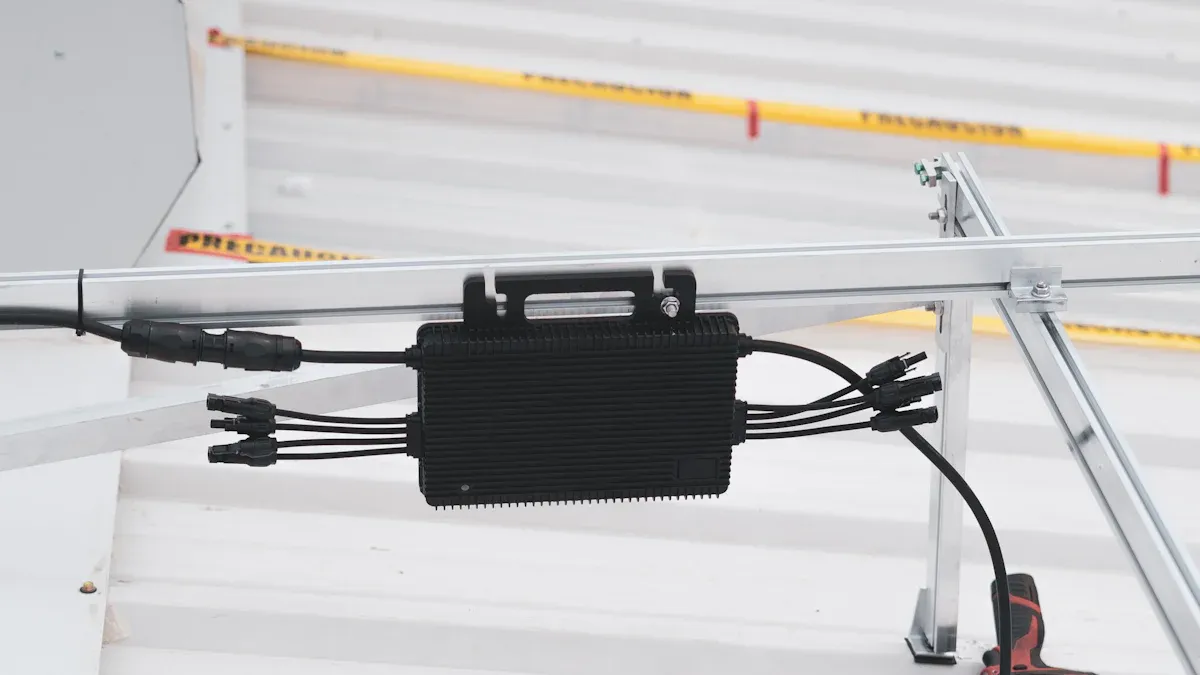
When choosing between 4mm and 6mm solar cables, size matters. A 4mm cable is often sufficient for smaller solar setups or shorter distances. It’s compact, cost-effective, and handles moderate current levels. However, if your system generates more power or requires longer cable runs, a 6mm cable might be the better choice. It can carry higher currents and reduces voltage drop over extended distances.
Think of it this way: a 4mm cable is like a two-lane road, while a 6mm cable is a four-lane highway. The latter allows more "traffic" (current) to flow smoothly without bottlenecks. Always check your system’s specifications to decide which size fits your needs.
When to Use Larger Solar Cable Sizes
Larger solar cable sizes come into play when your system demands higher efficiency. If your panels are far from the inverter, or if you’re dealing with high power output, a thicker cable minimizes energy loss. For instance, in commercial setups or off-grid systems with batteries, larger cables ensure reliable performance.
You don’t want to risk overheating or energy waste. Investing in the right cable size upfront saves you from costly repairs later.
Balancing Cost and Performance
Cost is always a factor, but it shouldn’t compromise performance. While larger cables cost more, they offer better efficiency and safety. On the other hand, smaller cables might save you money initially but could lead to energy loss or system issues.
The key is balance. Choose a cable size that meets your system’s requirements without overspending. Consulting a professional can help you strike the perfect balance between cost and performance.
Installation Tips for Solar Cables
Proper Cable Routing and Protection
Routing your cables correctly is essential for a safe and efficient solar energy system. Keep your cables away from sharp edges or surfaces that could damage the insulation. Use cable clips or ties to secure them in place and prevent unnecessary movement. If your cables run through walls or underground, consider using conduits for added protection. This shields them from moisture, pests, and physical damage.
Tip: Avoid tight bends or kinks in the cables. These can weaken the insulation and reduce the cable’s lifespan.
Avoiding Overheating and Overloading
Overheating is a common issue when cables are undersized or overloaded. To prevent this, always choose a solar cable that matches your system’s current and voltage requirements. Check the ampacity of the cable to ensure it can handle the load. Also, avoid bundling too many cables together, as this can trap heat and lead to overheating.
Keep an eye on your system’s performance. If you notice any signs of overheating, like melted insulation or a burning smell, address the issue immediately.
Regular Maintenance and Inspections
Regular maintenance keeps your cables in top shape. Inspect them periodically for wear and tear, such as cracks, fraying, or discoloration. Clean any dirt or debris that may have accumulated, especially on outdoor cables.
Note: If you spot any damage, replace the cable right away. Damaged cables can compromise the safety and efficiency of your system.
By following these tips, you’ll ensure your solar cables last longer and perform reliably.
Choosing the right solar cable is key to keeping your system safe and efficient. Focus on factors like size, material, and weather resistance to make the best choice. Don’t forget proper installation and regular maintenance. These steps will help your cables last longer and keep your solar energy system running smoothly.
FAQ
What happens if I use the wrong cable size?
Using the wrong size can cause overheating, energy loss, or even system failure. Always match the cable size to your system’s current and voltage requirements.
Can I use regular electrical cables for my solar system?
No, regular cables lack the durability and weather resistance needed for solar systems. Use certified solar cables designed for outdoor and high-voltage applications.
How often should I inspect my solar cables?
Inspect your cables every 6-12 months. Look for wear, cracks, or discoloration. Regular checks help you catch issues early and keep your system running smoothly.
Tip: Keep a maintenance log to track inspections and repairs. It’ll save you time and effort in the long run!