

 Send Email
 Whatsapp


TUV Solar Panel Extension Cable maximum length
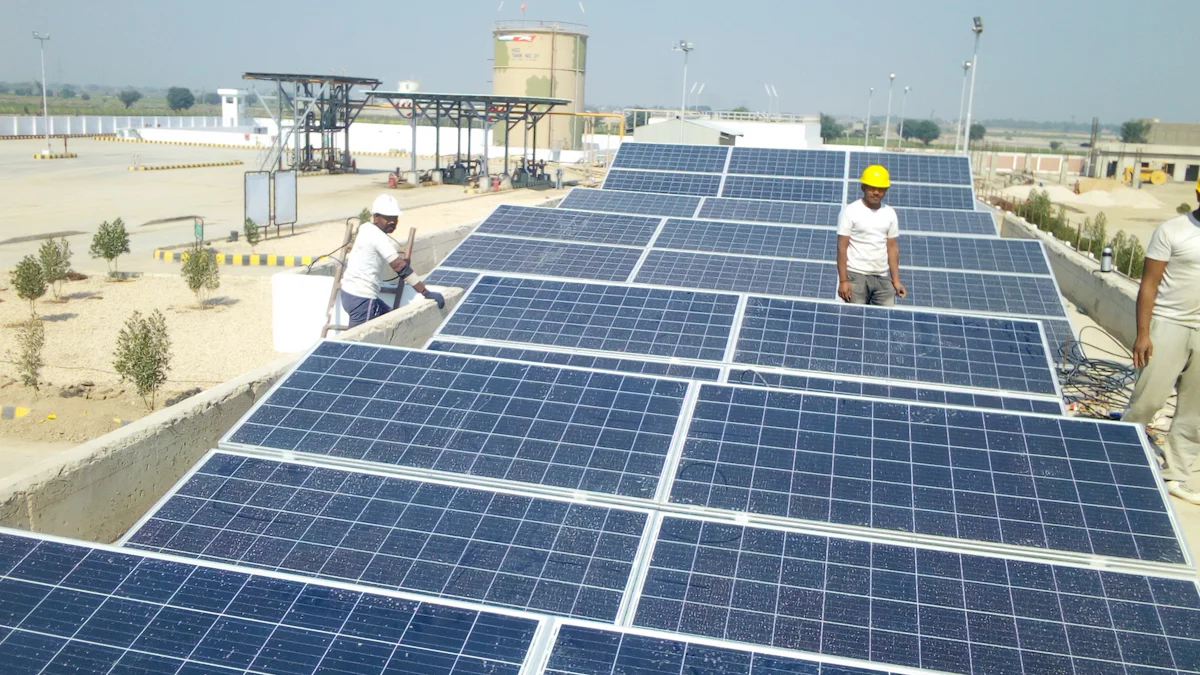
When setting up your solar panel system, the length of your TUV Solar Panel Extension Cable plays a big role. It affects how efficiently energy flows and keeps your system safe. Longer cables can lead to energy loss, so choosing the right length ensures your panels work at their best without wasting power.
Key Takeaways
- Pick the correct wire size for your TUV Solar Panel Cable. Thicker wires lower resistance and stop overheating over long distances.
- Keep cables short to reduce voltage loss. For off-grid systems, keep them under 50 feet; for grid-tied systems, under 30 feet.
- Always use TUV-approved cables for safety and dependability. These cables follow strict rules and help your solar system work well.
Factors Affecting Maximum Cable Length

Wire gauge and its impact on length
The wire gauge, or thickness of the cable, directly affects how far electricity can travel without losing power. Thicker wires (lower gauge numbers) can handle longer distances because they have less resistance. On the other hand, thinner wires (higher gauge numbers) are better for shorter runs. If you’re using a TUV Solar Panel Extension Cable, choosing the right gauge is essential. A cable that’s too thin for the distance can lead to overheating or energy loss. Always check the manufacturer’s recommendations for the correct gauge based on your system’s needs.
Voltage drop and energy efficiency
Voltage drop happens when electricity loses some of its power as it travels through the cable. The longer the cable, the more voltage drop you’ll experience. This can reduce the efficiency of your solar panel system. To minimize this, you need to keep the cable length as short as possible or use a thicker wire. For example, if you’re connecting solar panels to a battery bank, a high voltage drop could mean your batteries don’t charge fully. Using a TUV Solar Panel Extension Cable with the right specifications helps you avoid this issue.
System requirements and power needs
Every solar setup is unique. The cable length you need depends on your system’s power requirements and layout. Off-grid systems might need longer cables to connect panels to batteries or inverters. Grid-tied systems often have shorter runs since they connect directly to the grid. High-power setups require cables that can handle more current without overheating. When planning your system, think about how much power you’ll use and where your components will be placed. This ensures you choose the right TUV Solar Panel Extension Cable for your needs.
Recommended Lengths for TUV Solar Panel Extension Cables
Off-grid systems
When you're working with off-grid solar systems, cable length becomes even more important. These setups often require longer cables to connect solar panels to batteries or inverters, especially if your panels are far from your power storage. For most off-grid systems, keeping the cable length under 50 feet is ideal. Longer cables can lead to significant voltage drops, which means your batteries might not charge efficiently.
Tip: Use a thicker wire (lower gauge) for longer distances. This reduces resistance and keeps your system running smoothly.
If you're unsure about the right length, start by measuring the distance between your panels and the battery bank. Then, check the specifications of your TUV Solar Panel Extension Cable to ensure it matches your system's needs.
Grid-tied systems
Grid-tied systems usually have shorter cable runs since they connect directly to the grid. In most cases, you won't need cables longer than 25-30 feet. Shorter cables mean less energy loss, which is great for maintaining efficiency.
Note: Even with shorter cables, always consider the wire gauge. A thicker cable might still be necessary if your system handles high currents.
For grid-tied setups, focus on keeping the cable length as short as possible. This ensures your solar panels deliver maximum power to the grid without unnecessary losses.
High-power setups
High-power solar systems demand cables that can handle more current. These setups often require thicker wires and shorter lengths to prevent overheating. For high-power systems, try to keep cable lengths under 20 feet whenever possible.
Warning: Using cables that are too long or too thin can lead to overheating, which poses a safety risk. Always prioritize safety when choosing your cable length.
If your high-power system requires longer cables, consult a professional to calculate the optimal wire gauge and length. This ensures your TUV Solar Panel Extension Cable can handle the load safely and efficiently.
Calculating the Optimal Cable Length
Formula for voltage drop calculation
To figure out the right cable length, you need to calculate the voltage drop. This tells you how much energy is lost as electricity travels through the cable. The formula is simple:
Voltage Drop (V) = (2 × Length × Current × Resistance) ÷ 1,000 Here’s what each part means:
- Length is the one-way distance of the cable in feet.
- Current is the amount of electricity flowing through the cable, measured in amps.
- Resistance depends on the wire material and gauge. You can find this in wire resistance charts.
Keep the voltage drop under 3% for most solar systems. This ensures your TUV Solar Panel Extension Cable delivers power efficiently.
Tools for determining cable length
You don’t have to do all the math by hand. Several online tools and calculators can help. Just input your system details, like wire gauge, current, and distance. These tools quickly show you the maximum cable length you can use without exceeding the recommended voltage drop. Some even suggest the best wire gauge for your setup.
Tip: Bookmark a reliable voltage drop calculator for future use. It saves time and avoids guesswork.
Example calculations for common setups
Let’s say you have a 12V off-grid system with a 10-amp current. You’re using a 10-gauge copper wire with a resistance of 1.02 ohms per 1,000 feet. If the cable length is 20 feet, the voltage drop would be:
Voltage Drop = (2 × 20 × 10 × 1.02) ÷ 1,000 = 0.408V This is about 3.4%, which is slightly above the ideal range. To fix this, you could shorten the cable or use a thicker wire.
Note: Always double-check your calculations to avoid energy loss or safety issues.
Choosing the Right TUV Solar Panel Extension Cable
Importance of TUV certification
When picking a solar panel extension cable, you might wonder why TUV certification matters. Well, it’s all about quality and safety. TUV-certified cables meet strict international standards. This means they’ve been tested for durability, efficiency, and safety. You can trust these cables to handle the demands of your solar system without failing.
Using a TUV-certified cable also ensures your system complies with regulations. If you ever need to make a warranty claim or pass an inspection, having certified components can save you a lot of trouble. So, when you’re shopping for cables, always check for that TUV mark. It’s your assurance of reliability.
Wire material: Copper vs. aluminum
The material of your cable plays a big role in performance. Copper wires are the gold standard (well, technically copper!) for solar systems. They conduct electricity better, which means less energy loss. Copper is also more durable and resistant to corrosion.
Aluminum wires, on the other hand, are cheaper and lighter. But they don’t conduct electricity as well as copper. They’re also more prone to damage over time. If you’re looking for long-term reliability, copper is the way to go. However, if you’re on a tight budget and have a shorter cable run, aluminum might work.
Weather resistance and durability
Your Solar Cables will face the elements every day. Rain, snow, heat, and UV rays can all take a toll. That’s why you need a cable designed to withstand harsh conditions. Look for cables with weather-resistant insulation. These are built to last, even in extreme climates.
Durability is just as important. A durable cable won’t crack, fray, or degrade over time. This keeps your system running smoothly and reduces the risk of electrical issues. When choosing a TUV Solar Panel Extension Cable, make sure it’s rated for outdoor use. It’s a small step that can save you big headaches later.
Safety and Installation Tips
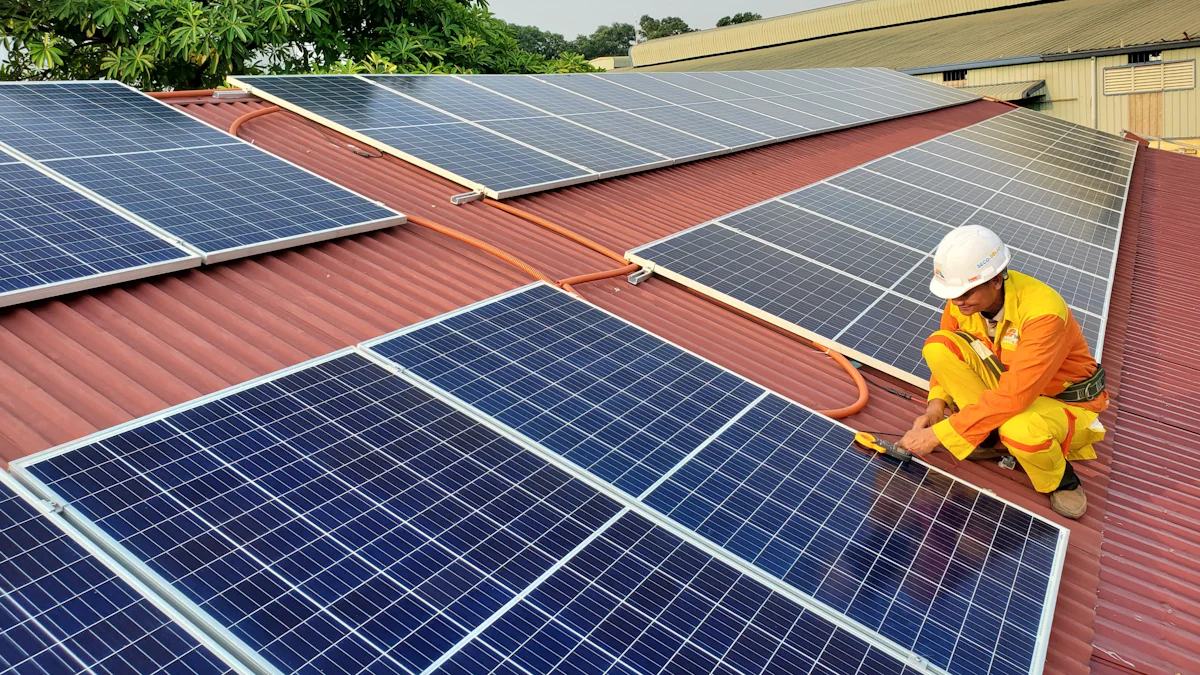
Proper connectors and secure connections
Using the right connectors is key to a safe and efficient solar panel setup. You want to ensure that every connection is tight and secure. Loose connections can lead to energy loss or even sparks. Always use connectors that are compatible with your TUV Solar Panel Extension Cable. Double-check that they’re rated for the voltage and current of your system.
When connecting cables, avoid pulling or bending them too much. This can damage the wires inside. If you’re working outdoors, make sure the connectors are weatherproof. A little extra care during installation can save you from headaches later.
Tip: After connecting everything, give each connection a gentle tug. If it feels loose, tighten it up before turning on your system.
Preventing overheating
Overheating is a common issue in solar systems, but you can prevent it with a few simple steps. First, choose the right cable length and gauge. Longer or thinner cables can overheat when carrying high currents. Second, keep your cables away from direct sunlight whenever possible. Excessive heat can weaken the insulation over time.
If you notice any signs of overheating, like melted insulation or a burning smell, turn off your system immediately. Inspect the cables and replace any damaged parts.
Warning: Never ignore signs of overheating. It’s a serious safety risk that could lead to fires.
Maintenance and inspection guidelines
Regular maintenance keeps your solar system running smoothly. Inspect your cables at least once a year for wear and tear. Look for cracks, frayed wires, or corrosion on the connectors. If you spot any issues, replace the damaged parts right away.
Clean your cables and connectors to remove dirt and debris. This ensures a strong electrical connection. For outdoor setups, check that the cables are still securely fastened and haven’t been damaged by weather or animals.
Note: A well-maintained TUV Solar Panel Extension Cable lasts longer and performs better. Make inspections a part of your routine.
Choosing the right TUV Solar Panel Extension Cable isn’t just about convenience—it’s about efficiency and safety. You’ve learned how cable length, wire gauge, and voltage drop impact your system’s performance.
- Stick to TUV-certified cables for reliability.
- Plan your setup carefully to avoid energy loss.
- Always prioritize safety during installation.
Tip: Use a voltage drop calculator to find the perfect cable length for your system.
With the right tools and knowledge, you can build a solar setup that’s both powerful and safe. 🌞
FAQ
What happens if my cable is too long?
A cable that’s too long causes voltage drop and energy loss. Your system becomes less efficient, and your batteries might not charge fully.
Tip: Keep cables as short as possible for better performance.
Can I use any extension cable for my solar panels?
No, you need TUV-certified cables. They meet safety standards and handle outdoor conditions. Using uncertified cables risks system failure or safety hazards.
Warning: Always check for the TUV mark before buying.
How do I know which wire gauge to choose?
Choose based on your system’s current and cable length. Thicker wires (lower gauge) work for longer distances or higher currents. Use a voltage drop calculator for accuracy.
Note: Thicker wires cost more but improve efficiency and safety.