
 Send Email
 Whatsapp


How to Choose High-Quality Photovoltaic Cables
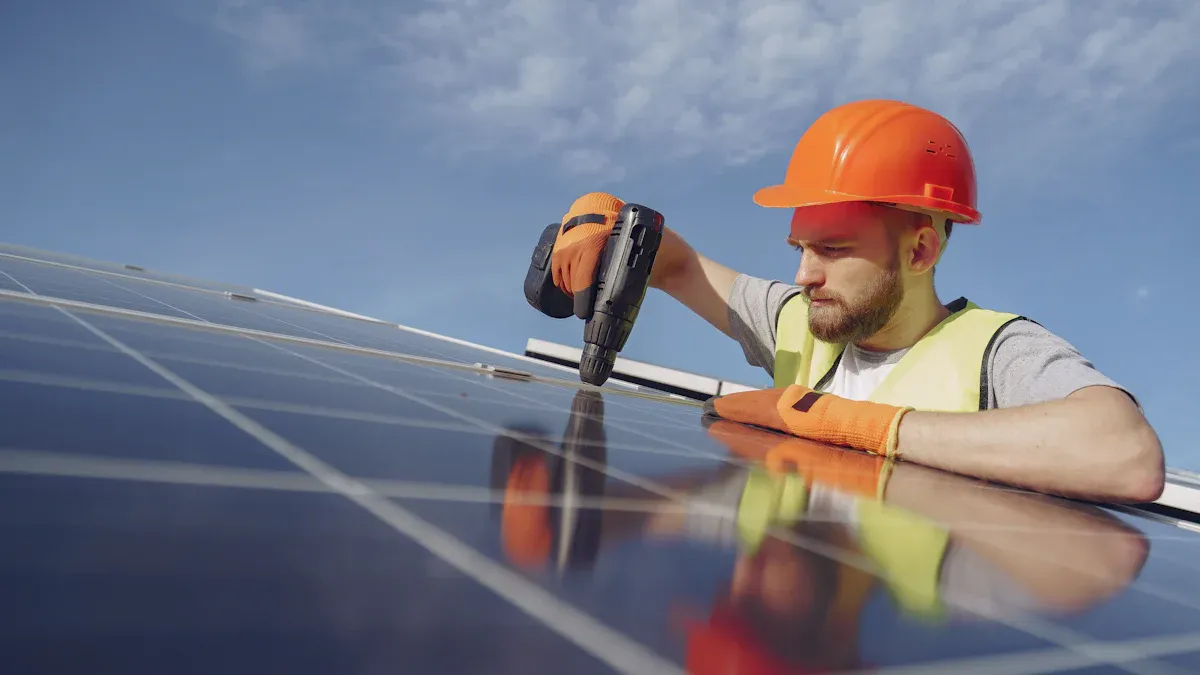
You depend on high-quality Solar Cable to keep your solar power system safe and efficient. Good cables prevent power loss and fire risks. You avoid system failure when you select the right cable. Pay attention to cable quality for the best results in your installation.
Key Takeaways
- Choose solar cables made of copper with strong insulation and UV resistance to ensure safety and durability.
- Match the cable size to your system’s current and keep cable length short to prevent power loss and overheating.
- Always select certified cables from trusted brands and consider your installation environment for the best performance.
Key Features of a High-Quality Solar Cable
Conductor Material and Construction
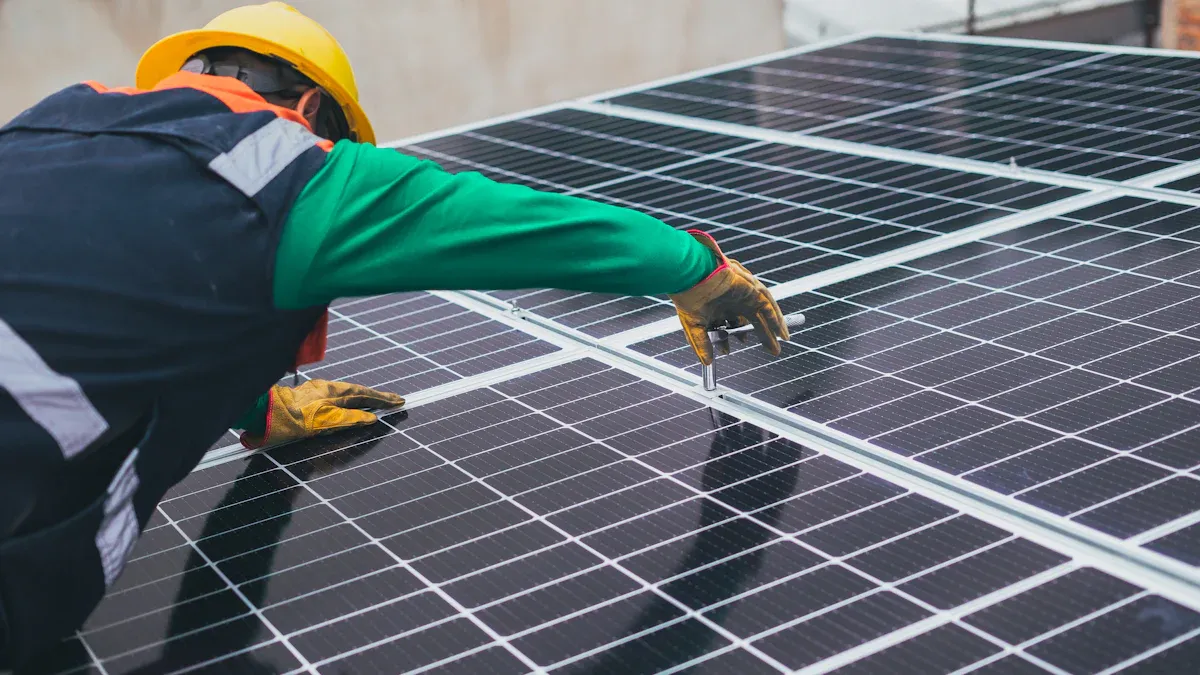
You want a solar cable with a strong and reliable conductor. Most high-quality cables use copper because it carries electricity well and resists corrosion. Some cables use tinned copper, which adds extra protection against moisture. Stranded wires work better than solid wires in solar systems. Stranded wires bend easily and handle movement without breaking. Always check the cable label for the type of conductor used.
Insulation and Sheath Requirements
The insulation and sheath protect your solar cable from damage. Good insulation keeps water, sunlight, and chemicals away from the wires inside. Look for cables with double insulation. This means you get two layers of protection. The outer sheath should resist UV rays and high temperatures. If you install cables outside, make sure they can handle rain and strong sunlight. A table can help you compare features:
| Feature | Why It Matters |
|---|---|
| Double Insulation | Extra safety |
| UV Resistance | Lasts longer outdoors |
| Heat Resistance | Works in hot places |
Certifications and Compliance Standards
You should always choose a solar cable that meets safety standards. Certifications show that the cable passed important tests. Look for marks like UL, TUV, or IEC on the cable. These marks mean the cable is safe for solar use. Certified cables protect your system and help you follow local rules.
How to Select the Right Solar Cable for Your System
Correct Sizing and Length
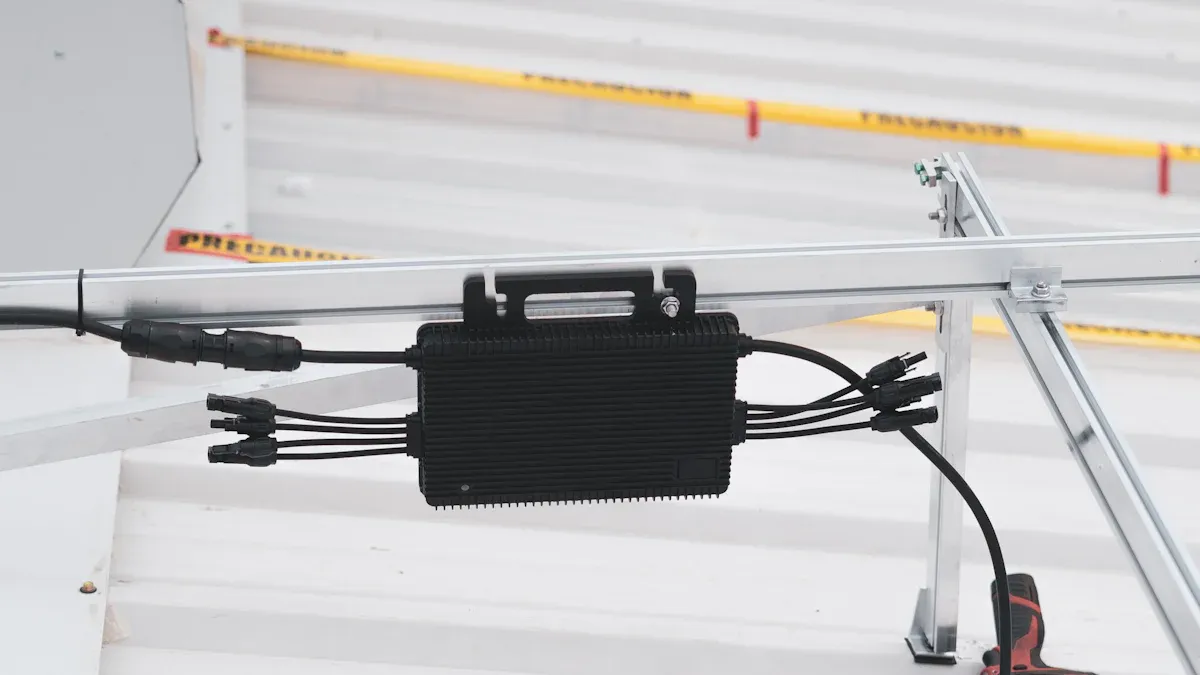
You need to pick the right size for your solar cable. The size affects how much electricity can flow through the wire. If you use a cable that is too thin, it can overheat and waste energy. A cable that is too thick costs more and is harder to install. You should check the current rating for your system and match it to the cable size. Most solar systems use cables between 2.5mm² and 10mm². You can use a simple table to help you choose:
| System Current (Amps) | Recommended Cable Size (mm²) |
|---|---|
| Up to 10 | 2.5 |
| 11-20 | 4 |
| 21-30 | 6 |
| 31-40 | 10 |
You also need to measure the length of cable you need. Longer cables lose more power. Try to keep your cables as short as possible. If you must use a long cable, you may need a thicker size to reduce power loss.
Tip: Always check the manufacturer’s chart for the best match between cable size and system current.
Environmental and Installation Suitability
You must think about where you will install your solar cable. Outdoor cables face sun, rain, and wind. Indoor cables stay dry and cool. If you install cables on a roof, pick ones that resist UV rays and high heat. For underground use, choose cables with extra protection against water and soil.
Some places have special rules for cable installation. You should check local codes before you start. If you live in a place with lots of rain or snow, make sure your cable can handle moisture. In hot areas, look for cables that work well in high temperatures.
Note: The right cable for one place may not work in another. Always match your cable to your environment.
Practical Tips for Choosing Solar Cables
You can follow a few simple steps to make the best choice:
- Read the labels on every cable. Look for the voltage and temperature ratings.
- Pick cables with clear certifications. Marks like UL or TUV show the cable passed safety tests.
- Buy from trusted brands. Good brands use better materials and offer support.
- Ask your installer or supplier for advice if you feel unsure.
- Store extra cable in a dry, cool place to keep it in good shape.
Remember: A high-quality solar cable keeps your system safe and working for years.
- Choose a certified solar cable that fits your system’s needs.
- Check the environment and how you plan to install the cable.
- Trust well-known brands and always read product details.
A good solar cable keeps your solar power system safe and strong for years.
FAQ
What is the difference between solar cables and regular electrical wires?
Solar cables resist UV rays, heat, and moisture. You get better safety and longer life with solar cables compared to regular wires.
Can you use any cable size for your solar system?
No, you must match the cable size to your system’s current. Using the wrong size can cause overheating or power loss.
How do you know if a solar cable is certified?
Look for marks like UL, TUV, or IEC on the cable. These marks show the cable passed safety tests.