

 Send Email
 Whatsapp


How to determine the wire size for my DIY solar setup
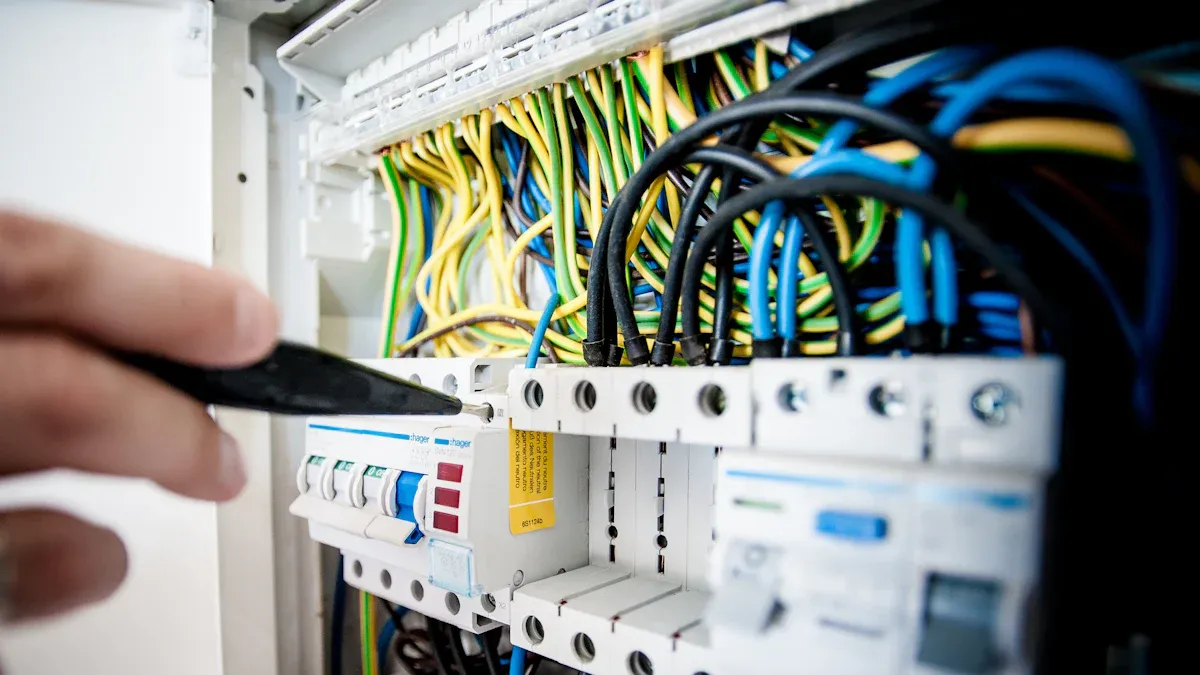
Choosing the right Solar Cable size keeps your system safe and efficient. First, check your system’s current and voltage. Next, measure the cable run. Always consider voltage drop. Use a calculator or chart to pick the best wire gauge. Careful selection protects your equipment.
Key Takeaways
- Check your system’s current and voltage carefully before choosing a wire size to ensure the cable can handle the load safely.
- Measure the full cable run distance and keep voltage drop below 3% to maintain system efficiency and avoid power loss.
- Always add a safety margin by selecting a wire gauge that exceeds your system’s maximum current and match connectors and fuses to your cable size for safe, reliable operation.
Step-by-Step Guide to Choosing the Right Solar Cable Size

Identify System Current and Voltage
Start by finding out how much current your solar setup will carry. Look at the specifications for your solar panels and inverter. You can find the voltage and current ratings on the label or in the manual. For example, if you have a 12-volt system and your panels produce 10 amps, you need to plan for that current. Always use the highest possible current your system might reach. This step helps you choose a solar cable that can handle the load without overheating.
Tip: Write down the voltage and current for each part of your system. This makes it easier to check your work later.
Measure Solar Cable Run Distance
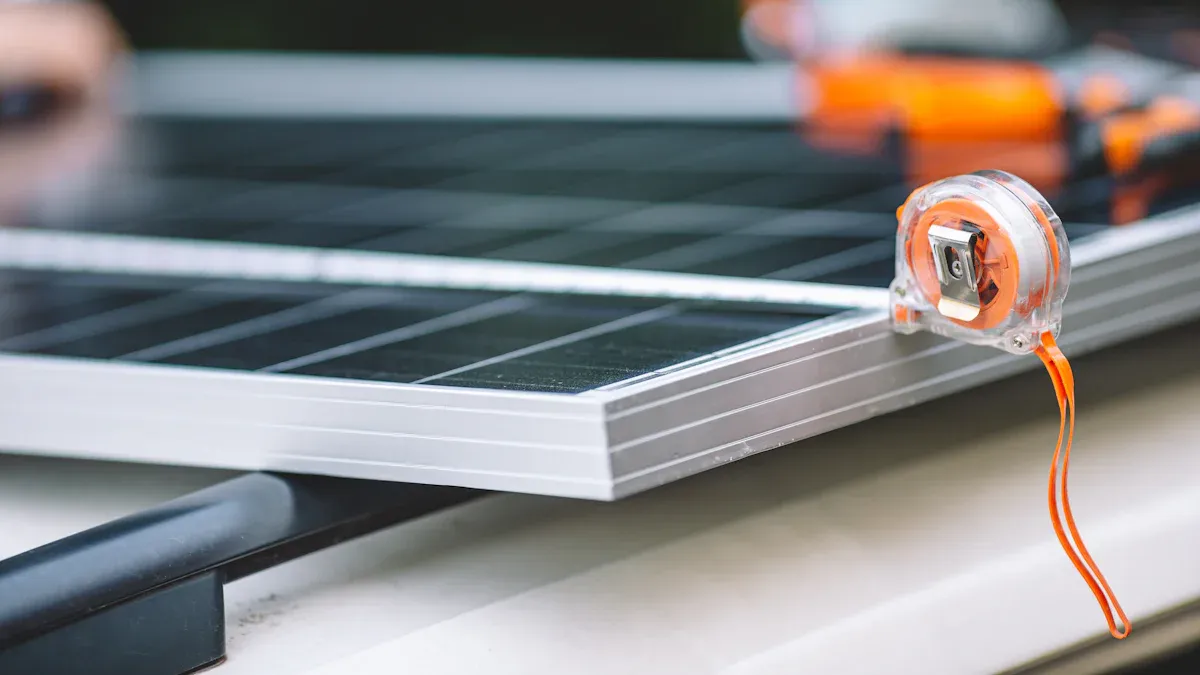
Next, measure the distance from your solar panels to your charge controller, battery, or inverter. Use a tape measure to get the length of the path your solar cable will follow. Remember to include any bends or turns. The longer the cable, the more resistance you will have. This resistance can cause voltage drop, which lowers your system’s efficiency. If you plan to run the solar cable both ways (to and from the panels), double the distance.
- Example: If your panels are 20 feet from your battery, and you need to run the cable both ways, your total cable run is 40 feet.
Decide on Acceptable Voltage Drop
Voltage drop happens when electricity travels through a wire. Too much voltage drop can make your system less efficient. Most experts recommend keeping voltage drop below 3%. This means your solar cable should not lose more than 3% of the voltage between the panels and the battery or inverter. If you want the best performance, aim for a lower voltage drop.
Note: Lower voltage drop means thicker cable, which can cost more. Balance efficiency with your budget.
Use a Wire Size Calculator or Chart
Now, use a wire size calculator or a chart to pick the right solar cable size. You will need your system’s current, voltage, cable run distance, and your chosen voltage drop. Many online calculators let you enter these numbers and give you the correct wire gauge. You can also use a chart like the one below:
| Current (Amps) | Distance (Feet) | Voltage (V) | Recommended Wire Gauge |
|---|---|---|---|
| 10 | 40 | 12 | 6 AWG |
| 10 | 20 | 12 | 8 AWG |
| 20 | 40 | 24 | 8 AWG |
Check the chart for your numbers. Pick a solar cable size that matches or exceeds the recommendation.
Apply Safety Factors and Check Compatibility
Always add a safety margin to your solar cable choice. Choose a wire gauge that can handle more current than your system’s maximum. This helps protect against surges or future upgrades. Make sure your connectors, breakers, and fuses match your cable size. If you use a cable that is too thin, it can overheat and cause damage. If you use a cable that is too thick, it may be hard to work with and cost more.
Alert: Never use a solar cable smaller than the minimum size recommended for your system. Safety comes first.
Practical Examples and Common Solar Cable Mistakes
Example: Series vs. Parallel Setups
You can connect solar panels in series or parallel. Each setup changes how you choose your solar cable size. In a series connection, you add the voltage of each panel, but the current stays the same. For example, if you connect two 12V panels in series, you get 24V, but the current does not increase. You can often use a thinner cable because the current is lower.
In a parallel connection, you add the current of each panel, but the voltage stays the same. If you connect two 12V panels in parallel, the voltage stays at 12V, but the current doubles. You need a thicker cable to handle the higher current. Always check your setup before picking your cable.
Tip: Write down your total voltage and current before you choose your solar cable. This helps you avoid mistakes.
Common Mistakes to Avoid
Many people make simple errors when choosing a cable. Here are some mistakes you should watch out for:
- Using a cable that is too thin for the current. This can cause overheating.
- Forgetting to measure the full cable run, including both directions.
- Ignoring voltage drop, which can lower your system’s power.
- Not checking that connectors and fuses match the cable size.
- Skipping the safety margin for future upgrades.
If you avoid these mistakes, your solar setup will work better and last longer.
You protect your system when you match cable size to your needs. Careful planning helps you avoid mistakes. Before you install, use this checklist:
- Double-check current and voltage.
- Measure cable run distance.
- Confirm voltage drop.
- Review safety margins.
Stay safe and enjoy your solar project!
FAQ
How do you know if your solar cable is too thin?
If your cable feels warm or your system loses power, your cable may be too thin. Always check your cable size with a chart or calculator.
Can you use regular electrical wire for solar panels?
You should not use regular wire. Solar cables resist sunlight and weather. Always pick cables marked for solar use.
What happens if you ignore voltage drop?
- Your system may lose power.
- Devices may not work well.
- You risk damaging your equipment.