
 Send Email
 Whatsapp


Why Is Solar Cable Better Than Normal Cable for South Africa in 2025
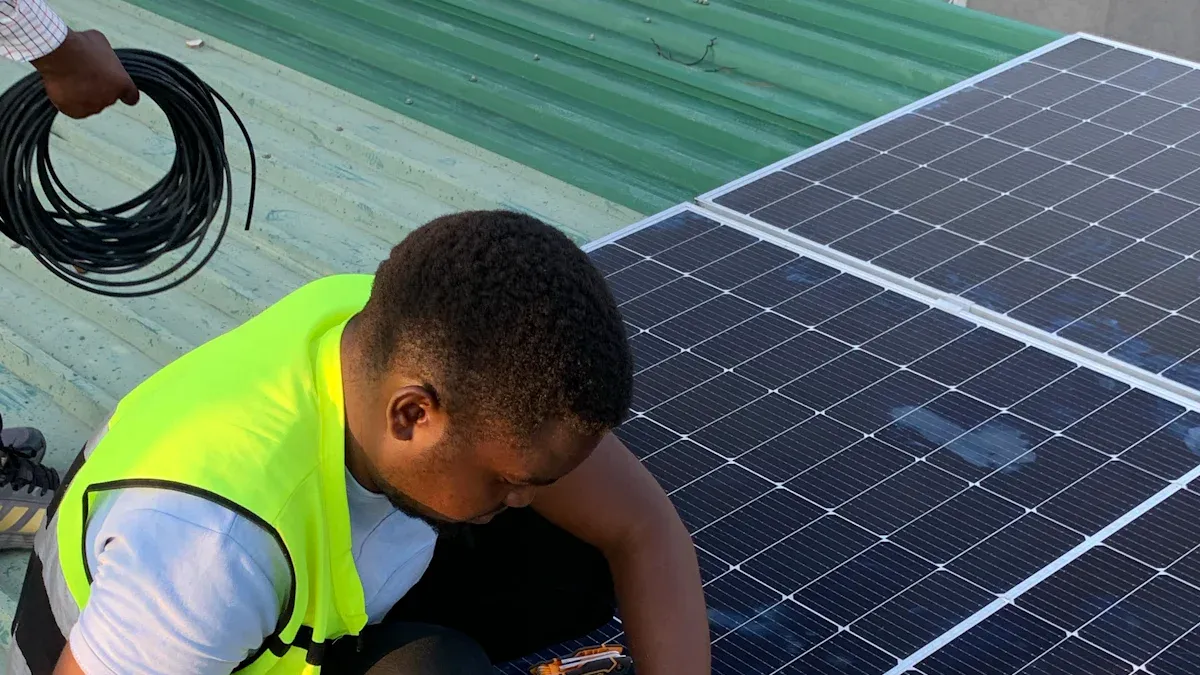
I have seen how solar installations in South Africa face tough challenges. The strong sun, big temperature swings, and rough weather can damage regular cables fast.
- Solar cable stands up to UV rays, heat, and mechanical stress.
- Cross-linked designs give more heat resistance and flexibility.
- UV-resistant jackets and flame retardant ratings stop fires and early wear.
With the solar market expected to grow by billions and a 38% annual rate, I know that using the right cable is not just smart—it is essential for safety and long-term savings.
Key Takeaways
- Solar cable resists South Africa's harsh sun, heat, and weather better than normal cable, lasting longer and reducing repairs.
- Using certified solar cable improves safety by preventing fires and electrical problems, meeting strict local standards.
- Choosing Solar Cable saves money over time by lowering maintenance costs and keeping solar systems reliable during power outages.
South Africa’s Solar Environment in 2025
Extreme Weather and UV Exposure
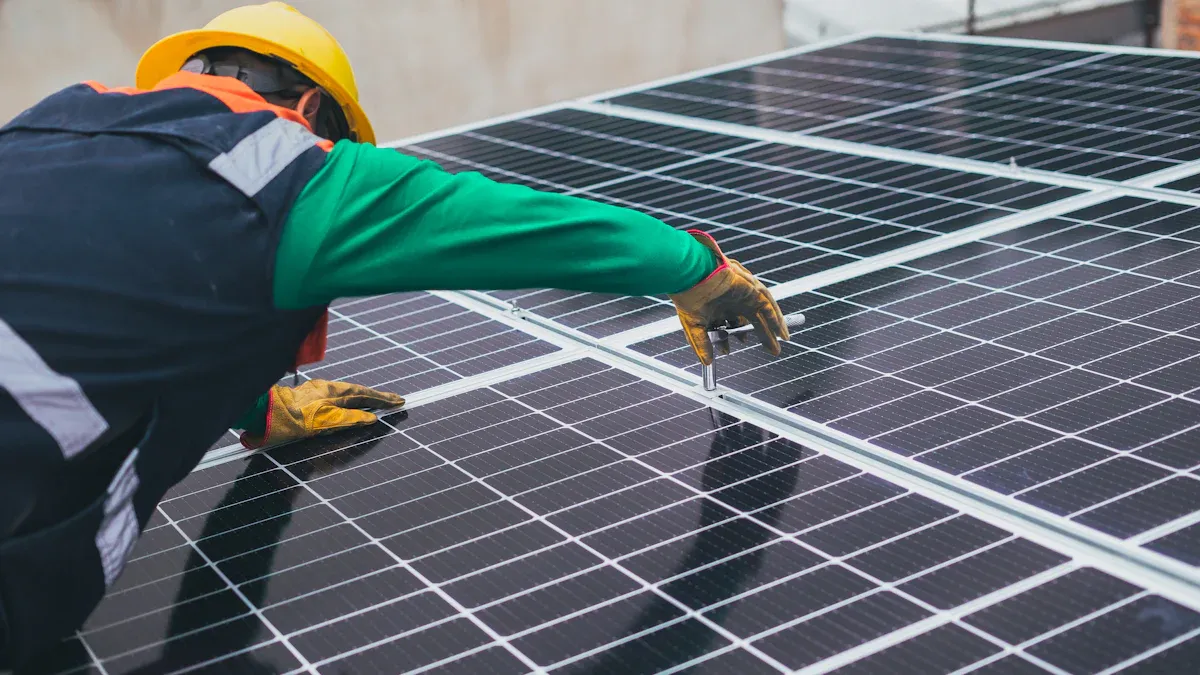
I have watched South Africa’s climate grow harsher each year. Recent studies show that surface air temperatures keep rising, while rainfall drops. In October 2022, a heatwave pushed temperatures more than 2°C above normal. Droughts, floods, hailstorms, and wildfires now happen more often, especially in the Western Cape. These events put solar systems at risk.
| Extreme Weather Event | Trend (1920-2023) | Impact on Solar Installations |
|---|---|---|
| Droughts | More frequent | Water scarcity for cleaning |
| Heatwaves | More frequent | Lower panel efficiency |
| Floods | More frequent | Physical damage |
| Hailstorms | More frequent | Equipment damage |
| Wildfires | More frequent | Safety risks |
I have seen how high UV exposure and desert conditions speed up the wear on solar panels and cables. Hail alone causes most of the financial losses in solar projects. Some systems lose up to 60% of their output in bad years. Good design and strong materials matter more than ever.
Load Shedding and Power Reliability
Load shedding remains a daily challenge in South Africa. I know that power cuts force solar systems to work harder and cycle on and off more often. This extra stress can damage weak cables and connections. Reliable solar infrastructure helps keep homes and businesses running during blackouts. Careful planning and quality parts protect against sudden outages.
Evolving Safety Standards
South Africa’s safety rules for solar systems keep changing. New standards for wiring and installation will arrive by December 2024. Until then, every solar project must pass inspection by a registered engineer. The law requires proof that each system meets strict design and safety rules. I always make sure to use parts that meet these standards. Specialized cables and equipment help me pass inspections and keep systems safe.
Solar Cable vs. Normal Cable: Core Differences
Material Quality and Construction
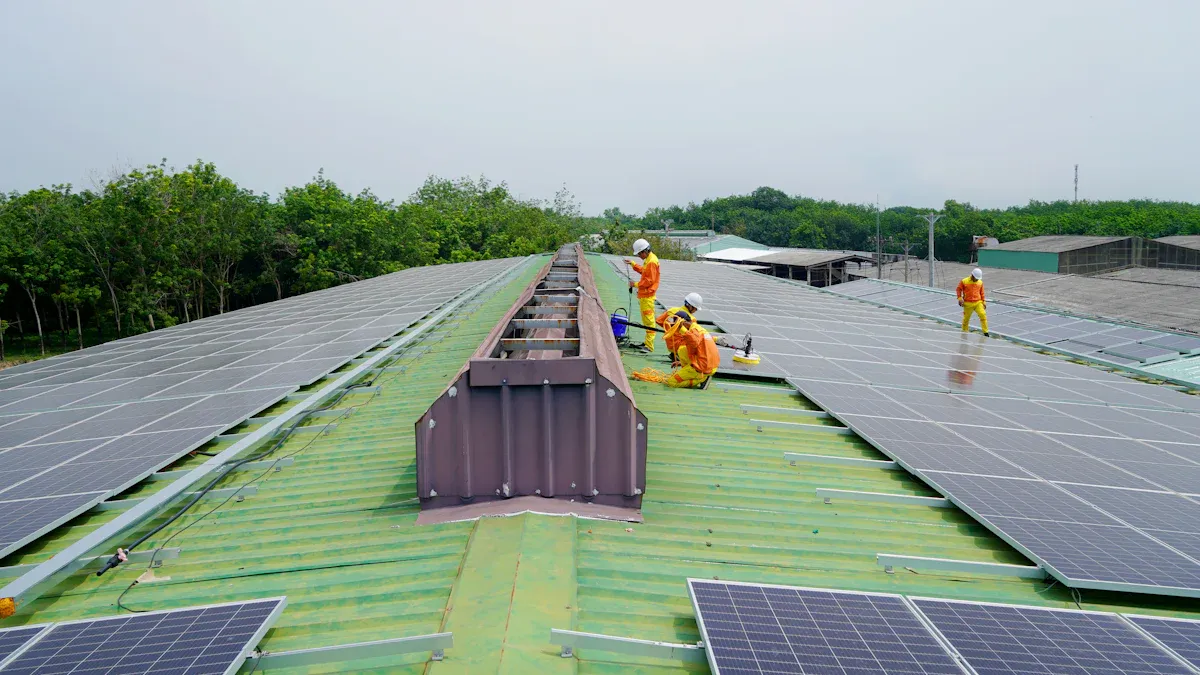
When I choose cables for a solar project, I always look at the materials and how the cables are built. Solar cable uses advanced materials like cross-linked polyethylene (XLPE) or ethylene propylene rubber (EPR). These materials give the cable strong resistance to UV rays and harsh weather. Normal cable often uses polyvinyl chloride (PVC) or basic rubber, which do not last as long outdoors.
Here is a table that shows the main differences:
| Aspect | Solar Cable Characteristics | Normal Cable Characteristics |
|---|---|---|
| Insulation Material | Uses XLPE or EPR for UV and weather resistance | Often uses PVC or rubber, less UV resistant |
| Temperature Resistance | Built for higher temperatures in solar installations | May not meet high temperature demands |
| Flexibility | Enhanced flexibility for complex solar panel setups | Flexibility varies, less optimized for solar use |
| Durability | Resists sunlight, rain, and harsh outdoor conditions for long-term reliability | Designed mainly for indoor or mild outdoor use |
| Electrical Properties | Low smoke, halogen-free, low power loss, efficient transmission | May lack specialized properties for solar systems |
I have seen that solar cable uses copper as the main conductor. Copper gives better electrical and thermal conductivity. Stranded cable construction also makes solar cable more flexible and less likely to break. These features matter in South Africa, where solar systems face tough weather and need to last for decades.
Weather and UV Resistance
South Africa’s sun is strong, and the weather can change quickly. I have watched normal cables crack and fade after just a few years outside. Solar cable stands up to UV rays, rain, and big temperature swings. Technical tests show that XLPE insulation, common in solar cable, can handle long hours of UV exposure. The insulation may change color and texture over time, but it keeps working much longer than PVC.
Tip: Always use solar cable for outdoor solar systems. It lasts longer and keeps your system safe.
Solar cable also stays flexible in cold and hot weather. Normal cable can get stiff or even break when the temperature drops. In my experience, this difference means fewer repairs and less downtime for solar systems.
Electrical Performance and Efficiency
I always check how well a cable carries electricity, especially in extreme weather. Solar cable is made to keep power loss low and work safely at high temperatures. It uses XLPE insulation, which can handle temperatures as low as -40°C. This is important for South African winters and hot summers.
| Cable Type | Insulation Material | Temperature Resistance (Low) | Weather Resistance | Thermal Performance in Extreme Weather |
|---|---|---|---|---|
| Solar Cable (PV) | XLPE | -40°C | High resistance to sunlight, moisture, flame, extreme temperatures | Maintains flexibility and integrity in cold and hot conditions |
| Normal Cable | PVC | -10°C | Lower resistance; prone to stiffening and degradation in cold weather | Insulation can degrade or stiffen in extreme cold |
Modern studies show that voltage drop is less of a problem in well-designed solar systems. The real challenge is making sure the cable can handle heat and weather. Solar cable meets this challenge, while normal cable often fails in tough conditions.
Compliance with South African Standards
I never take shortcuts with safety or legal rules. In South Africa, solar cable must pass strict tests and meet both local and international standards. Organizations like the South African Bureau of Standards (SABS) and the National Regulator of Compulsory Specifications (NRCS) check that cables are safe and reliable. They test for electrical safety, weather resistance, and proper labeling.
| Certification Body | Role and Requirements | Compliance Nature | Key Validation Methods | Packaging Requirements |
|---|---|---|---|---|
| SABS | Issues certification permits; audits manufacturers; tests cable samples | Voluntary | Permit to use SABS mark if compliant | Brand, voltage, size, length, SANS spec, SABS logo (sometimes) |
| NRCS | Enforces mandatory compliance; regulates imports and market products | Mandatory | Requires accredited test certificates | Not explicitly stated, but compliance is mandatory |
I trust solar cable that comes with these certifications. Testing covers everything from electrical safety to how the cable handles hail and UV rays. This gives me peace of mind that the cable will last and keep my solar projects safe.
Benefits of Solar Cable for South African Installations
Longevity and Reduced Maintenance
I have seen that solar cable installations last much longer than those using normal cable. The materials in solar cable resist weather, UV rays, and heat, so they do not break down quickly. Most solar PV modules come with warranties of 25 to 30 years, and the cables are built to match that lifespan. In my experience, the need for repairs or replacements is rare when I use solar cable.
Here are some facts about long-term performance and maintenance:
- Solar panel systems with solar cable usually need only basic cleaning a few times a year and one professional inspection each year.
- The solid-state design means there are no moving parts, so wear and tear is minimal.
- Modern systems lose only about 0.5% of their power each year, keeping 85-90% of their capacity after 20-25 years.
- Less than 1% of systems fail during the warranty period, and most problems come from extreme weather, not from the cable itself.
- Insurance claims for solar systems rarely involve cable failure, showing how reliable these cables are.
When I plan a solar project, I know that using solar cable means fewer headaches and lower costs for maintenance over the years.
Enhanced Fire and Electrical Safety
Safety is always my top concern. I have learned that solar cable offers much better fire and electrical safety than normal cable. The special insulation and design stop fires from spreading and reduce the risk of electric shocks.
Here is a table that shows how solar cable outperforms standard cable in fire safety tests:
| Fire Safety Metric | Standard Cable Performance | CPR-Cca Solar Cable Performance |
|---|---|---|
| Flame Spread (FS) | High (around 3.0 m) | Very Low (0.53 m) |
| Total Heat Release (THR₁2005) | High (36–41 MJ) | Very Low (6.35 MJ) |
| Peak Heat Release Rate (HRR) | High (100–250+ kW) | Very Low (10 kW) |
| Fire Growth Rate Index (FIGRA) | High (over 500 W/s) | Very Low (36.1 W/s) |
| Total Smoke Production (TSP₁200) | High (over 340 m²) | Very Low (8.5 m²) |
| Peak Smoke Production Rate (SPR) | High (1.14 m²/s) | Very Low (0.08 m²/s) |
| Light Transmission (%) | Moderate (68–75%) | High (92%) |
| Halogen Gas Emission | Present (toxic gases) | None (halogen-free) |
| Electrical Insulation & Durability | Moderate | High (stable after aging tests) |
I have seen that solar cable acts as a barrier to fire, not a fuel. It does not release toxic gases, and it keeps its strength even after years in the sun and rain. This gives me confidence that my installations are safe for people and property.
Note: Using solar cable helps protect homes and businesses from fire and electrical hazards, especially in areas with strict safety rules.
Consistent Performance in Harsh Environments
South Africa’s climate can be tough on electrical systems. I have worked on projects where normal cables failed after just a few years because of heat, cold, or UV exposure. Solar cable keeps working even in the harshest conditions. It stays flexible in both hot summers and cold winters, and it does not crack or fade in the sun.
I trust solar cable to deliver steady power, even during storms, droughts, or heatwaves. This reliability means fewer outages and less risk of system failure. My clients appreciate that their solar systems keep running when they need them most.
Better Return on Investment
When I look at the costs and benefits of a solar installation, I always consider the long-term picture. Solar cable may cost more upfront, but it saves money over time by reducing maintenance, repairs, and replacements. The real value comes from lower life-cycle costs and higher system uptime.
Here is a chart that shows how including all maintenance and replacement costs changes the payback period and net present value (NPV) for solar systems:
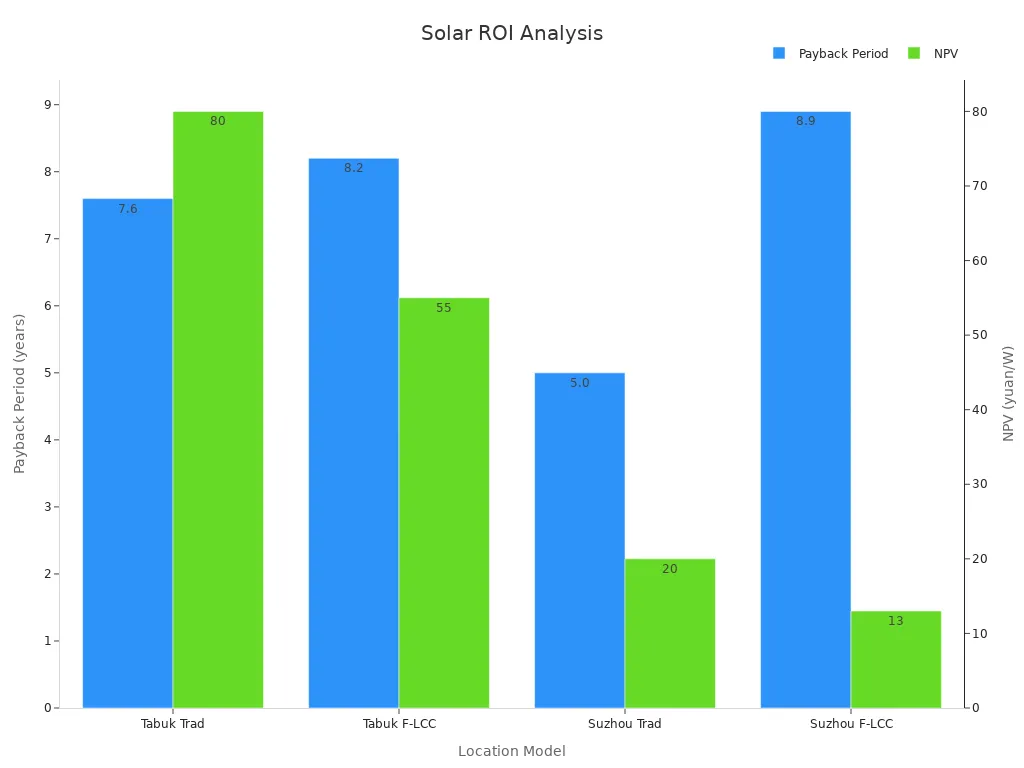
I have seen that when you include the cost of replacing normal cables every 10-15 years, the payback period gets longer and the financial returns drop. Solar cable, with its long life and low failure rate, helps keep maintenance costs down and improves the return on investment.
Tip: Always factor in the full life-cycle costs when planning a solar project. Choosing solar cable pays off in the long run.
Addressing Concerns About Solar Cable
Is Solar Cable Worth the Extra Cost?
When I talk to clients, many ask if the higher price of specialized cable is justified. I always look at the bigger picture. In Australia, a study showed that families were willing to pay more for underground cables because they valued safety, reliability, and peace of mind. Even though the upfront cost was high, people felt the benefits made it worthwhile. In South Africa, I see the same pattern. Reliable cables help prevent outages, lower the risk of fire, and keep systems running during storms. Over time, the savings from fewer repairs and less downtime often outweigh the initial expense.
Can Normal Cable Be Used in Solar Systems?
I have seen some installers try to use standard cables to save money. This choice can lead to problems. Normal cables do not handle heat, sunlight, or moisture as well as those made for solar. In large projects like the Jasper Solar Power Project, engineers use high-quality copper cables to reduce energy loss and keep power flowing smoothly. These cables last longer and need less maintenance. Using the right cable means fewer failures and better performance, especially in harsh weather.
Note: Choosing the correct cable protects your investment and keeps your system safe.
Availability and Sourcing in South Africa
I keep up with market trends to make sure I can source the best materials. Recent industry reports show that South Africa has a strong supply chain for solar cables. Manufacturers and suppliers work together to meet growing demand. Market research covers everything from voltage types to environmental standards. I find that local distributors offer a wide range of options, so I can always get what I need for any project size. The market continues to grow as more businesses and homes invest in solar energy.
I have seen that solar cable outperforms normal cable in every way for South African solar projects in 2025.
- Certified to TUV, UL, and IEC 62852 standards
- Proven lifespan of 25-30 years
- Withstands harsh weather and keeps energy loss low
Choosing solar cable gives me peace of mind and long-term value.
FAQ
What makes solar cable different from normal cable?
I see that solar cable uses special insulation and materials. It resists UV rays, heat, and weather. Normal cable breaks down faster outdoors.
Tip: Always check for UV resistance on the cable label.
Can I install solar cable myself?
I recommend hiring a certified installer. Solar cable needs proper connections and safety checks. Mistakes can cause system failure or fire.
How do I know if my solar cable meets South African standards?
I look for SABS or NRCS certification marks on the packaging. These marks show the cable passed safety and quality tests.