

 Send Email
 Whatsapp


How to Select the Right Earth Cable for Solar Systems
How to Select the Right Earth Cable for Solar Systems
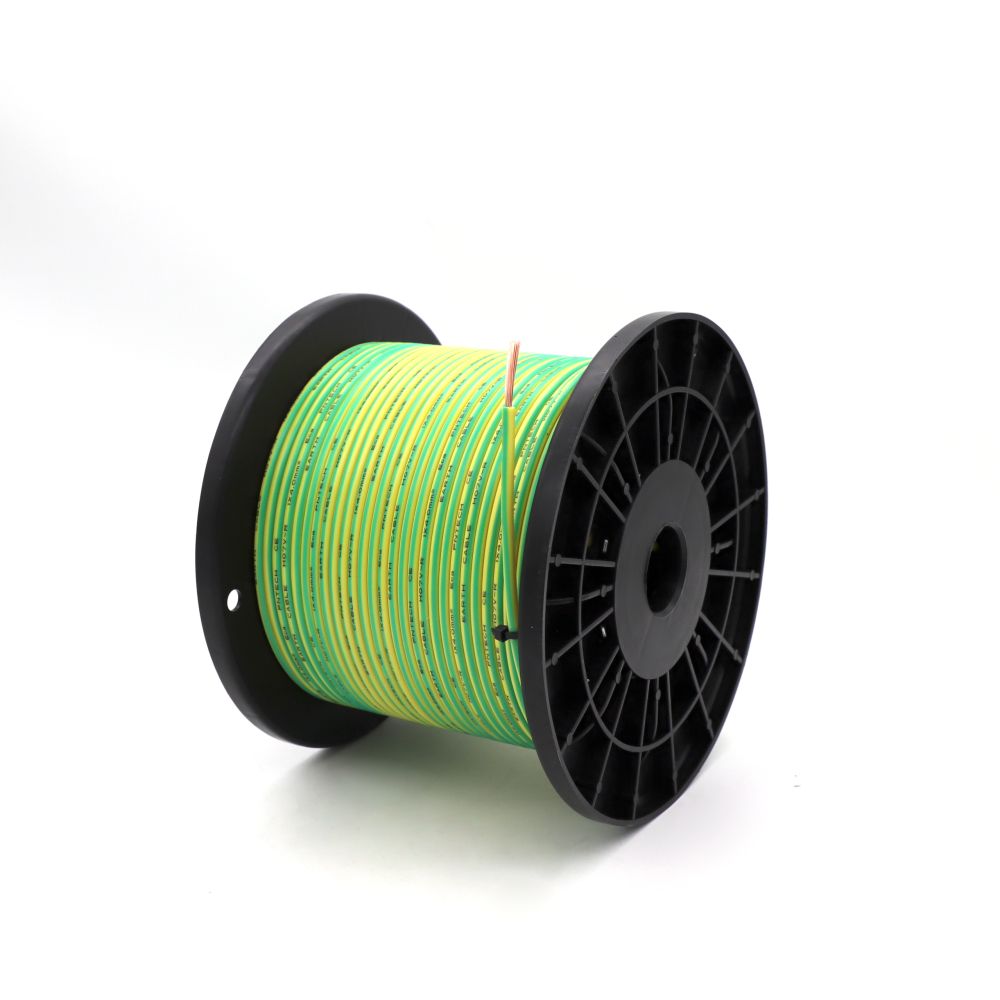
Choosing the right earth cable for your solar system is crucial. It ensures safety and efficiency. You need to consider several factors. First, think about the cable size. It affects how well electricity flows. Next, look at the material. Different materials offer different levels of durability. Environmental conditions also play a role. Extreme weather can impact cable performance. Lastly, always adhere to safety standards. They protect both you and your solar investment. By focusing on these key aspects, you can make an informed decision that benefits your solar setup.
Key Takeaways
- Choose the right cable size based on your solar system's maximum current to prevent overheating and failures.
- Select high-quality materials, like copper, for better conductivity and durability in your earth cables.
- Consider environmental factors such as temperature, moisture, and UV exposure when selecting your cable to ensure long-term performance.
- Always adhere to local and international safety standards to protect your solar investment and ensure safe operation.
- Regularly inspect your earth cables for signs of damage to maintain system efficiency and safety.
- Consult voltage drop charts to determine the appropriate cable thickness for longer distances between solar panels and grounding points.
- Secure all connections and consider hiring a professional for installation to enhance the safety of your solar system.
Understanding Earth Cables
What Are Earth Cables?
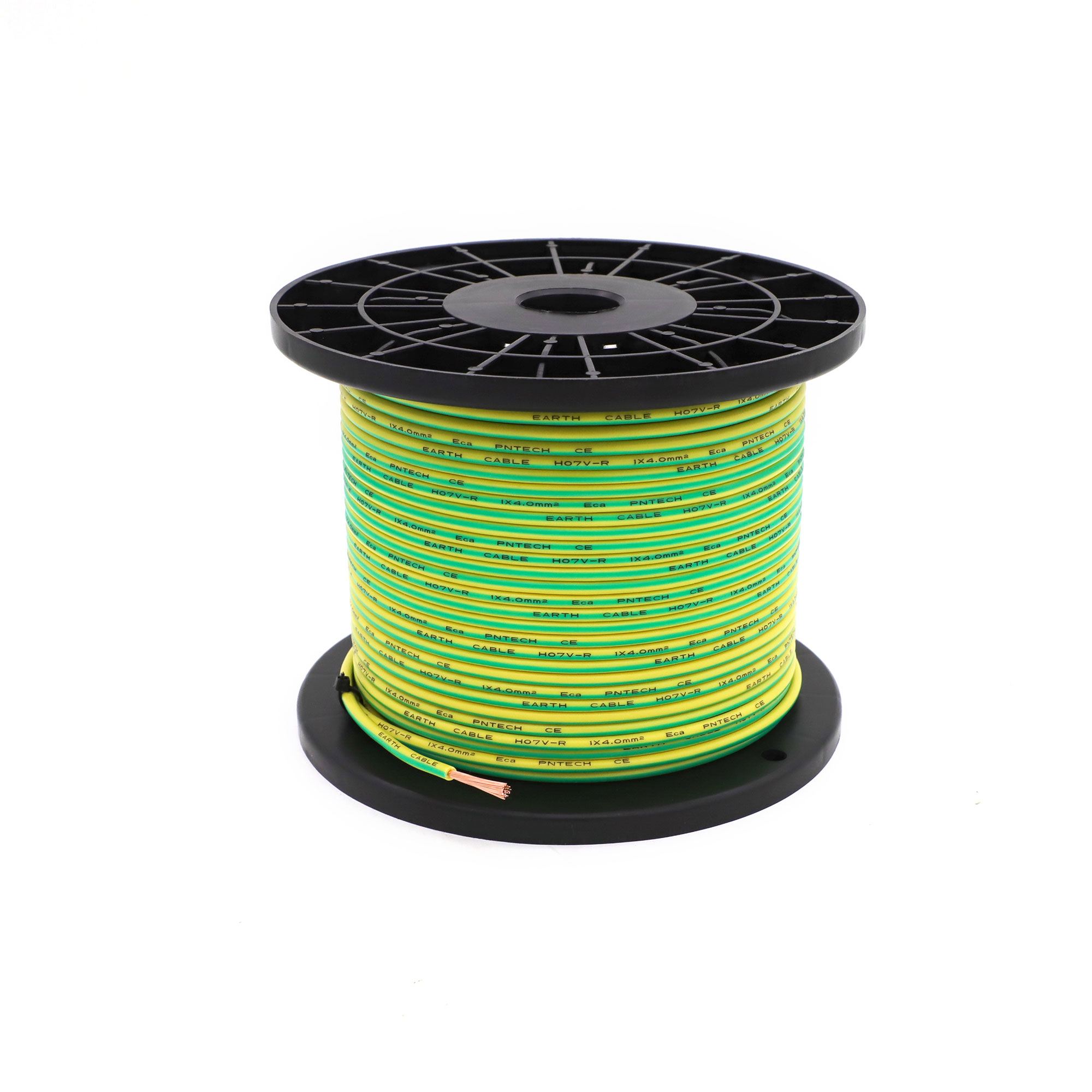
Earth cables play a crucial role in electrical systems. You might wonder what exactly they are. Simply put, earth cables are wires that connect electrical installations to the ground. This connection helps in safely directing any excess electricity away from your system. By doing so, they protect both the equipment and you from potential electrical hazards.
In solar systems, earth cables ensure that any stray electrical currents are safely grounded. This prevents damage to your solar panels and other components. You can think of them as the safety net for your solar setup. They help maintain the integrity of your system by providing a path for electricity to flow safely into the earth.
Role of Earth Cables in Solar Systems
In solar systems, earth cables serve several important functions. First, they protect your solar panels from electrical surges. These surges can occur due to lightning strikes or faults in the system. By grounding the excess electricity, earth cables prevent damage to your solar equipment.
Second, earth cables enhance the overall safety of your solar installation. They reduce the risk of electrical shocks. This is especially important if you have a rooftop solar system. By ensuring that all components are properly grounded, you minimize the chances of electrical accidents.
Lastly, earth cables contribute to the efficiency of your solar system. A well-grounded system operates more reliably. It reduces the likelihood of interruptions caused by electrical faults. By choosing the right earth cable, you ensure that your solar system runs smoothly and safely.
Key Factors in Selection
When choosing the right earth cable for your solar system, you need to consider several key factors. These factors ensure that your system operates efficiently and safely.
Electrical Load Requirements
First, think about the electrical load requirements of your solar system. The earth cable must handle the maximum current your system can generate. If the cable is too small, it might overheat and cause a failure. To determine the right size, check the specifications of your solar panels and other components. This information helps you select a cable that can safely carry the electrical load.
Distance and Voltage Drop
Next, consider the distance between your solar panels and the grounding point. Longer distances can lead to voltage drop, which reduces the efficiency of your system. To minimize voltage drop, you might need a thicker cable. Measure the distance accurately and consult voltage drop charts. These charts guide you in choosing the right cable size to maintain optimal performance.
Temperature and Environmental Conditions
Finally, take into account the temperature and environmental conditions where you will install the earth cable. Extreme temperatures can affect the cable's performance. For instance, high temperatures might cause the cable to expand, while low temperatures could make it brittle. Additionally, consider factors like moisture, UV exposure, and chemical exposure. Choose a cable with insulation that can withstand these conditions. This ensures the cable remains durable and reliable over time.
By focusing on these key factors, you can select an earth cable that meets your solar system's needs. This careful selection process helps you avoid potential issues and ensures your system runs smoothly.
Material and Size Considerations
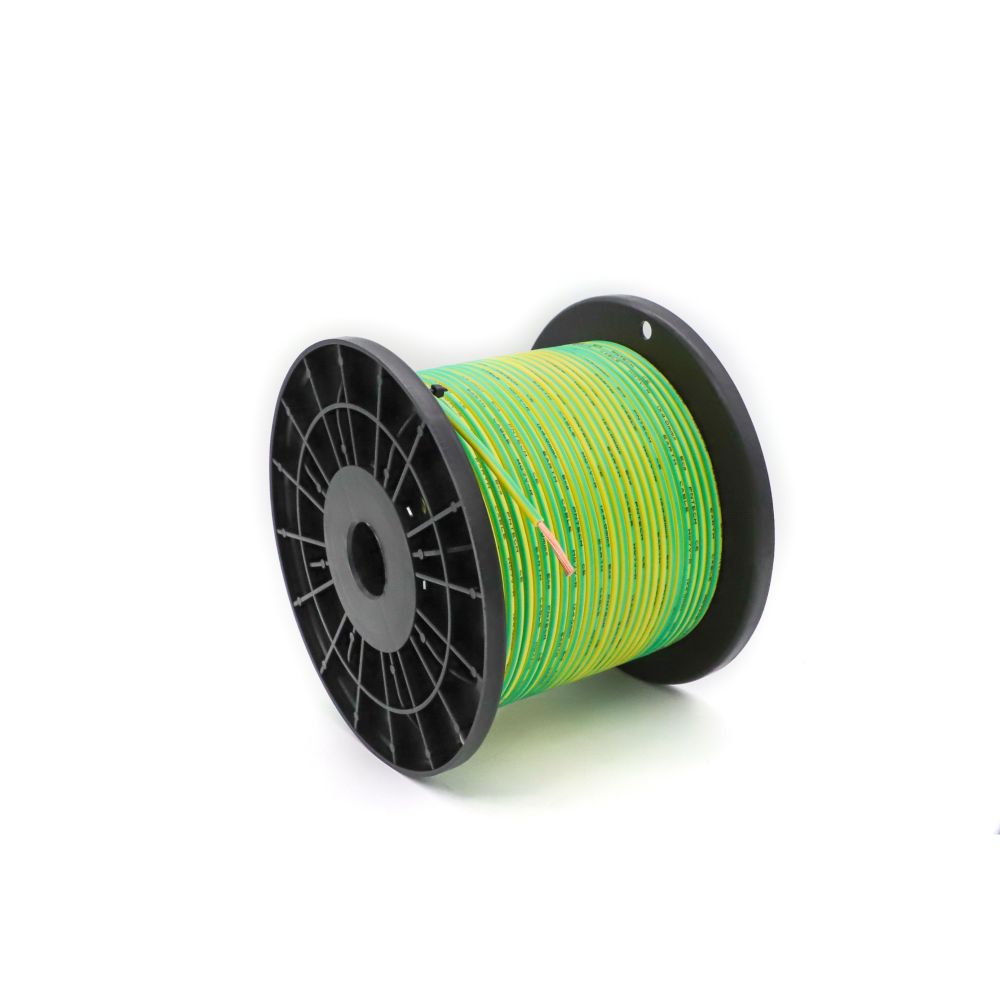
When you're selecting an earth cable for your solar system, the material and size are crucial factors to consider. Let's dive into what you need to know.
Different Materials for Earth Cables
You have several options when it comes to the material of earth cables. Copper is a popular choice. It offers excellent conductivity and durability. You might also come across aluminum cables. They are lighter and often more affordable. However, they don't conduct electricity as well as copper.
"Copper is king when it comes to conductivity," experts often say. This means that if you want the best performance, copper should be your go-to material.
PVC insulation is another aspect to consider. It protects the cable from environmental factors like UV rays and moisture. This ensures the cable lasts longer and performs reliably.
How to Choose the Right Cable Size
Choosing the right size for your earth cable is just as important as picking the right material. The size affects how much current the cable can safely carry. If you choose a cable that's too small, it might overheat. This could lead to failures or even hazards.
To determine the right size, start by checking the specifications of your solar system. Look at the maximum current your system can generate. Then, consult a cable sizing chart. These charts help you match the cable size to your system's needs.
Remember, the distance between your solar panels and the grounding point also matters. Longer distances might require thicker cables to prevent voltage drop. So, measure carefully and choose wisely.
By considering both the material and size, you ensure your earth cable meets your solar system's demands. This careful selection helps maintain efficiency and safety.
Safety and Compliance
When you're setting up a solar system, safety and compliance should be at the top of your list. They ensure that your installation not only works efficiently but also keeps everyone safe. Let's dive into what you need to know.
Relevant Safety Standards
You might wonder why safety standards matter so much. Well, they provide guidelines to ensure your solar system operates safely. These standards cover everything from installation to maintenance. For earth cables, you need to follow specific regulations. These rules ensure that the cables can handle the electrical load and environmental conditions.
Start by checking local and international standards. Organizations like the International Electrotechnical Commission (IEC) and Underwriters Laboratories (UL) set these guidelines. They help you choose the right earth cable for your solar system. By following these standards, you protect your investment and ensure long-term reliability.
Best Practices for Safety
Following best practices can make a big difference in your solar system's safety. First, always use high-quality materials. A good earth cable can withstand harsh conditions and prevent electrical hazards. Make sure the cable is properly insulated to avoid wear and tear.
Next, ensure all connections are secure. Loose connections can lead to electrical faults. Regularly inspect your system for any signs of damage or wear. This helps you catch potential issues before they become serious problems.
Finally, consider hiring a professional for installation. They have the expertise to ensure everything is set up correctly. This reduces the risk of mistakes and enhances the overall safety of your system.
By focusing on safety and compliance, you create a reliable and efficient solar setup. These steps not only protect your equipment but also ensure peace of mind.
Common Mistakes to Avoid
When selecting an earth cable for your solar system, you might encounter some common pitfalls. Avoiding these mistakes ensures your system operates efficiently and safely.
Overlooking Environmental Factors
You might think that all cables are created equal, but that's not the case. Environmental factors play a huge role in cable performance. For instance, extreme temperatures can affect how well your cable works. High heat might cause it to expand, while cold can make it brittle.
Moisture is another factor to consider. If your cable isn't properly insulated, water can seep in and cause damage. UV exposure can also degrade the cable over time. Always choose a cable with insulation that can withstand these conditions. This ensures your cable remains durable and reliable.
Ignoring Safety Standards
Safety standards exist for a reason. They protect you and your investment. Ignoring them can lead to serious issues. You might think you can cut corners to save time or money, but this often backfires.
Always check local and international safety standards. Organizations like the International Electrotechnical Commission (IEC) and Underwriters Laboratories (UL) provide guidelines. These help you choose the right cable for your system. By following these standards, you ensure your system operates safely and efficiently.
You've now got the essentials for selecting the right earth cable for your solar system. Remember these key points:
- Cable Size and Material: Choose wisely to ensure efficient electricity flow and durability.
- Environmental Conditions: Consider temperature, moisture, and UV exposure.
- Safety Standards: Always adhere to them for protection and reliability.
By focusing on these aspects, you enhance your solar system's efficiency and safety. Make informed choices, and your solar setup will serve you well for years to come.
FAQ
What is the primary function of an earth cable in a solar system?
Earth cables play a vital role in your solar system. They connect electrical installations to the ground. This connection safely directs excess electricity away from your system. It protects both your equipment and you from potential electrical hazards.
How do I determine the right size for my earth cable?
To find the right size, start by checking your solar system's specifications. Look at the maximum current your system can generate. Then, consult a cable sizing chart. These charts help you match the cable size to your system's needs. Remember, longer distances might require thicker cables to prevent voltage drop.
Why is copper often recommended for earth cables?
Copper is a popular choice because it offers excellent conductivity and durability. Experts often say, "Copper is king when it comes to conductivity." This means that if you want the best performance, copper should be your go-to material.
What environmental factors should I consider when selecting an earth cable?
Consider temperature, moisture, and UV exposure. Extreme temperatures can affect cable performance. High heat might cause expansion, while cold can make it brittle. Moisture can seep in if the cable isn't properly insulated. UV exposure can degrade the cable over time. Choose a cable with insulation that withstands these conditions.
How do safety standards impact my choice of earth cable?
Safety standards provide guidelines to ensure your solar system operates safely. They cover everything from installation to maintenance. For earth cables, follow specific regulations. These rules ensure the cables can handle the electrical load and environmental conditions. By adhering to these standards, you protect your investment and ensure long-term reliability.
Can I install the earth cable myself, or should I hire a professional?
You can install it yourself if you have the necessary skills and knowledge. However, hiring a professional is often a safer choice. Professionals have the expertise to ensure everything is set up correctly. This reduces the risk of mistakes and enhances the overall safety of your system.
What are common mistakes to avoid when selecting an earth cable?
Avoid overlooking environmental factors and ignoring safety standards. Environmental factors like temperature and moisture play a huge role in cable performance. Safety standards exist to protect you and your investment. Ignoring them can lead to serious issues. Always choose a cable that meets these requirements.
How does the distance between solar panels and the grounding point affect cable selection?
Longer distances can lead to voltage drop, reducing system efficiency. To minimize voltage drop, you might need a thicker cable. Measure the distance accurately and consult voltage drop charts. These charts guide you in choosing the right cable size to maintain optimal performance.
Is PVC insulation important for earth cables?
Yes, PVC insulation is crucial. It protects the cable from environmental factors like UV rays and moisture. This ensures the cable lasts longer and performs reliably. Proper insulation helps maintain the cable's durability and effectiveness over time.
How often should I inspect my solar system's earth cables?
Regular inspections are essential. Check your system for any signs of damage or wear. This helps you catch potential issues before they become serious problems. Regular maintenance ensures your system operates efficiently and safely.