
 Send Email
 Whatsapp


TOP 5 solar cable
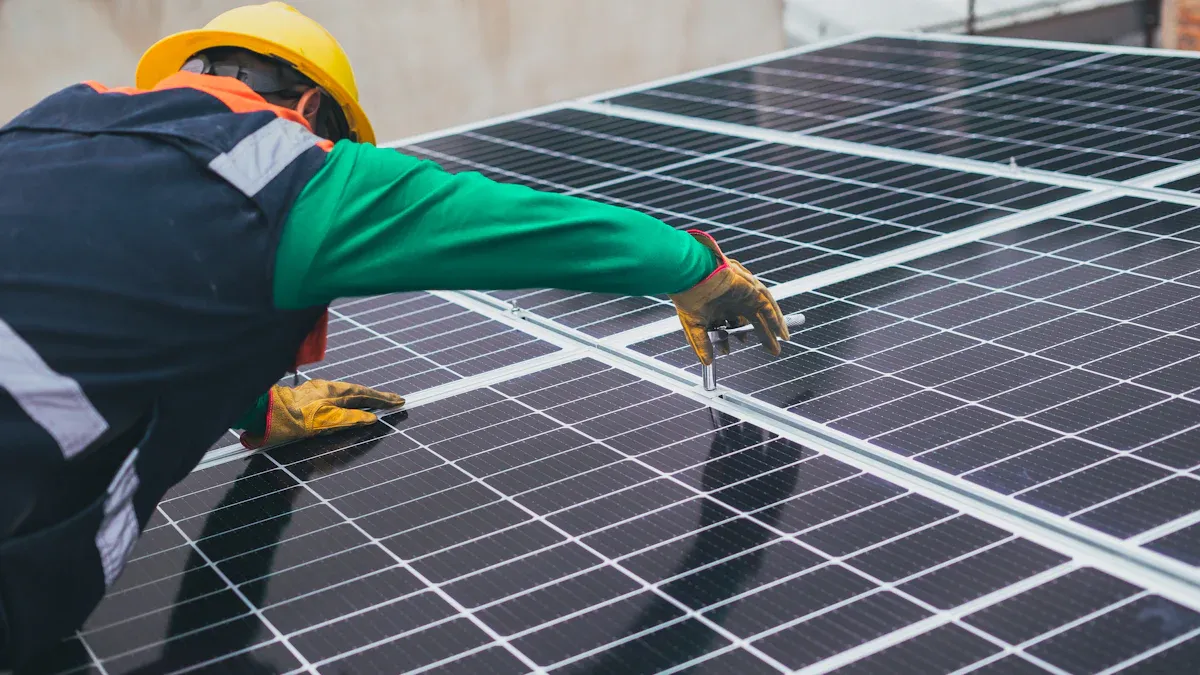
Solar Cables play a vital role in keeping your solar power system efficient and safe. They’re designed to handle harsh conditions while ensuring smooth energy transmission. Choosing the right solar cable isn’t just about performance—it’s about long-term reliability. This guide will help you understand what to look for and make the best choice.
Key Takeaways
- Solar cables are important for linking parts in a solar system. They help move energy well and handle tough weather.
- Pick solar cables with strong insulation, like XLPE. This makes them last longer and resist heat and sunlight.
- Choose cables with certifications like TÜV, UL, or IEC. These prove the cables are safe and work well for your solar setup.
What Are Solar Cables?
Definition and purpose of solar cables
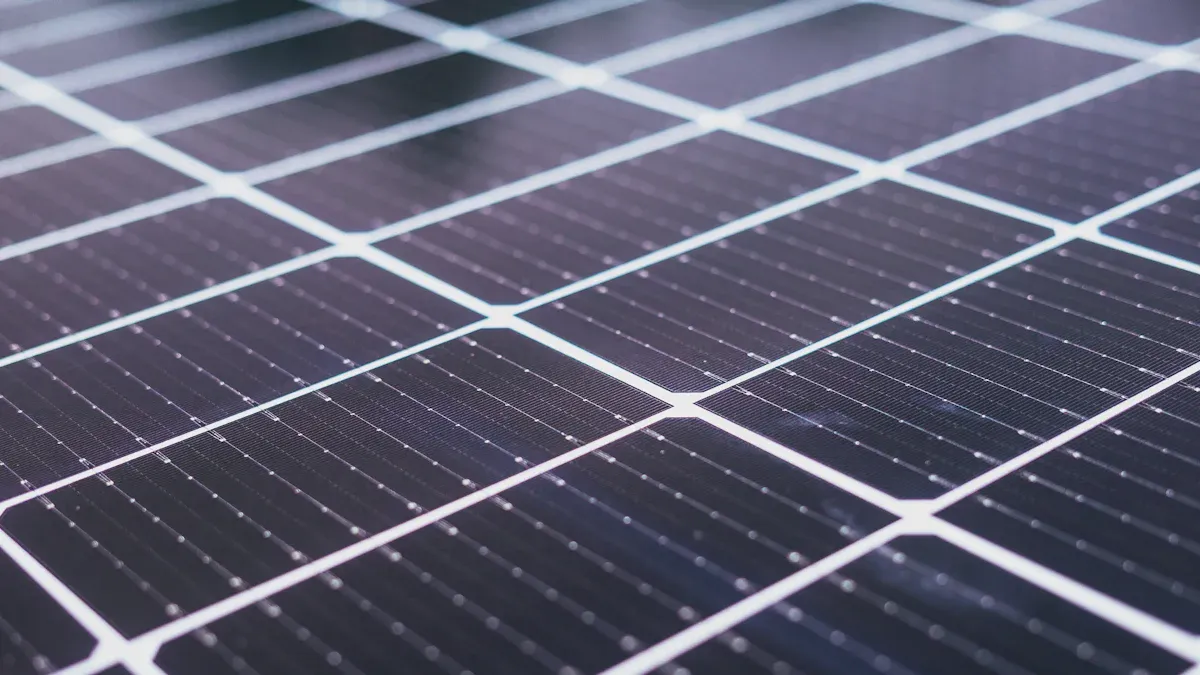
You might wonder, what exactly is a solar cable? Simply put, it’s a specialized cable designed to connect various components of a solar power system. These cables carry the electricity generated by your solar panels to inverters, batteries, or directly to your appliances. Unlike regular wires, solar cables are built to handle the unique demands of solar energy systems. They ensure efficient energy transfer while withstanding tough environmental conditions. Without the right solar cable, your system could face performance issues or even safety risks.
Key features of solar cables
Solar cables come with some impressive features that make them stand out. For starters, they’re UV-resistant, which means they won’t degrade under constant sunlight. They’re also weatherproof, so rain, snow, or extreme heat won’t affect their performance. Durability is another key factor. These cables are designed to last for years, even in harsh outdoor environments. Plus, they’re flexible, making installation easier for you.
Tip: Always check for these features when choosing a solar cable. It’ll save you from headaches down the road.
Common applications in solar power systems
Solar cables are essential in almost every part of a solar power setup. You’ll find them connecting solar panels to inverters, linking batteries, or even running power to your home. They’re also used in large-scale solar farms and off-grid systems. Whether you’re setting up a small residential system or a commercial one, solar cables are a must-have.
Differences Between Solar Cables and Regular Cables
Material differences
You might think all cables are the same, but solar cables are built differently. They use high-quality materials to handle the demands of solar power systems. For example, the insulation on a solar cable is usually made from cross-linked polyethylene (XLPE). This material resists heat, UV rays, and chemicals better than the PVC insulation found in regular cables. The conductor inside is often made of tinned copper, which prevents corrosion and ensures long-term performance. Regular cables, on the other hand, may use plain copper or aluminum, which aren’t as durable in harsh conditions.
Functional differences
Solar cables are designed to thrive in outdoor environments. They can withstand extreme temperatures, heavy rain, and constant exposure to sunlight. Regular cables don’t have this level of protection. If you use a regular cable outdoors, it might crack, degrade, or fail over time. Solar cables also have lower energy loss, which means more efficient power transfer. This makes them ideal for connecting solar panels to other components in your system.
Note: Using the wrong type of cable can lead to safety hazards and reduced efficiency.
Compliance with industry standards and certifications
When it comes to solar cables, certifications matter. These cables meet strict industry standards like TÜV, UL, or IEC. These certifications ensure the cable is safe, reliable, and suitable for solar applications. Regular cables often lack these certifications, making them a risky choice for your solar setup. Always check for compliance before making a purchase.
How to Choose the Best Solar Cables
Factors to consider
Choosing the right solar cable can feel overwhelming, but it doesn’t have to be. Start by looking at the insulation type. High-quality insulation, like cross-linked polyethylene (XLPE), ensures durability and resistance to heat and UV rays. Next, check the voltage rating. Make sure the cable can handle the voltage of your solar system without overheating. Temperature range is another big one. If you live in an area with extreme weather, pick a cable that can perform well in both hot and cold conditions.
Tip: Always match the cable’s specifications to your system’s needs. It’s better to go slightly above your requirements than to risk underperformance.
Importance of certifications and compliance with standards
Certifications are your best friend when it comes to safety and reliability. Look for cables that meet industry standards like TÜV, UL, or IEC. These certifications prove the cable has been tested for quality and performance. Without them, you could end up with a product that fails prematurely or even poses safety risks. Trust me, it’s worth spending a little extra for certified cables.
Tips for matching cables to your solar system's requirements
Not all solar systems are the same, so your cables shouldn’t be either. Start by calculating the distance between your solar panels and other components. Longer distances may require thicker cables to reduce energy loss. Also, consider the environment. If your setup is outdoors, pick a cable designed to withstand harsh weather. Lastly, consult your solar system’s manual or a professional to ensure compatibility. A little homework now can save you a lot of trouble later.
Top 5 Solar Cable Manufacturers or Brands
Top Cable: Overview and key features
Top Cable is a well-known name in the solar industry. They’ve been around for decades, offering high-quality cables that meet international standards. Their solar cables are designed for durability and efficiency. You’ll find features like UV resistance, flame retardancy, and excellent flexibility. These cables also perform well in extreme temperatures, making them a reliable choice for outdoor installations. If you’re looking for a trusted brand with a proven track record, Top Cable is worth considering.
ZW Cable: Overview and key features
ZW Cable specializes in manufacturing solar cables that are both affordable and reliable. They focus on providing products that meet strict certifications like TÜV and UL. Their cables are known for their robust insulation, which protects against UV rays and harsh weather. ZW Cable also offers a variety of sizes and types, so you can easily find one that fits your solar system. Plus, their customer service gets high marks for being responsive and helpful.
JZD Wire & Cable: Overview and key features
JZD Wire & Cable stands out for its innovative approach to cable manufacturing. Their solar cables are built with advanced materials that ensure long-lasting performance. They’re particularly known for their resistance to wear and tear, even in challenging environments. JZD also prioritizes safety, with cables that comply with international standards. If you want cutting-edge technology in your solar setup, JZD is a great option.
RR Kabel: Overview and key features
RR Kabel is a global leader in the cable industry. Their solar cables are designed to deliver top-notch performance while ensuring safety. They use high-grade materials like tinned copper and XLPE insulation, which provide excellent conductivity and durability. RR Kabel’s products are also eco-friendly, which is a bonus if you’re conscious about sustainability. Their reputation for quality makes them a popular choice among solar enthusiasts.
Helukabel: Overview and key features
Helukabel is a German brand known for its precision engineering. Their solar cables are built to handle the toughest conditions, from extreme heat to freezing temperatures. They offer a wide range of options, including cables for residential, commercial, and industrial solar systems. Helukabel’s products are TÜV-certified, ensuring they meet the highest safety and performance standards. If you value reliability and German engineering, Helukabel won’t disappoint.
Choosing the right solar cable is crucial for the safety and efficiency of your solar power system. High-quality cables ensure durability and reliable performance, even in tough conditions. Always consider factors like material, certifications, and compatibility with your setup. Explore the recommended brands to find a dependable option that meets your needs.
FAQ
What makes solar cables different from regular cables?
Solar cables are built for outdoor use. They resist UV rays, extreme weather, and heat. Regular cables lack these features, making them unsuitable for solar systems.
How do I know if a solar cable is certified?
Look for certifications like TÜV, UL, or IEC on the product label. These ensure the cable meets safety and performance standards for solar applications.
Tip: Always double-check certifications before buying to avoid low-quality cables.
Can I install solar cables myself?
Yes, but only if you’re experienced with electrical systems. Otherwise, hire a professional to ensure proper installation and avoid safety risks.
Note: Incorrect installation can damage your system or void warranties.