
 Send Email
 Whatsapp


What type of cable is used for solar panels?
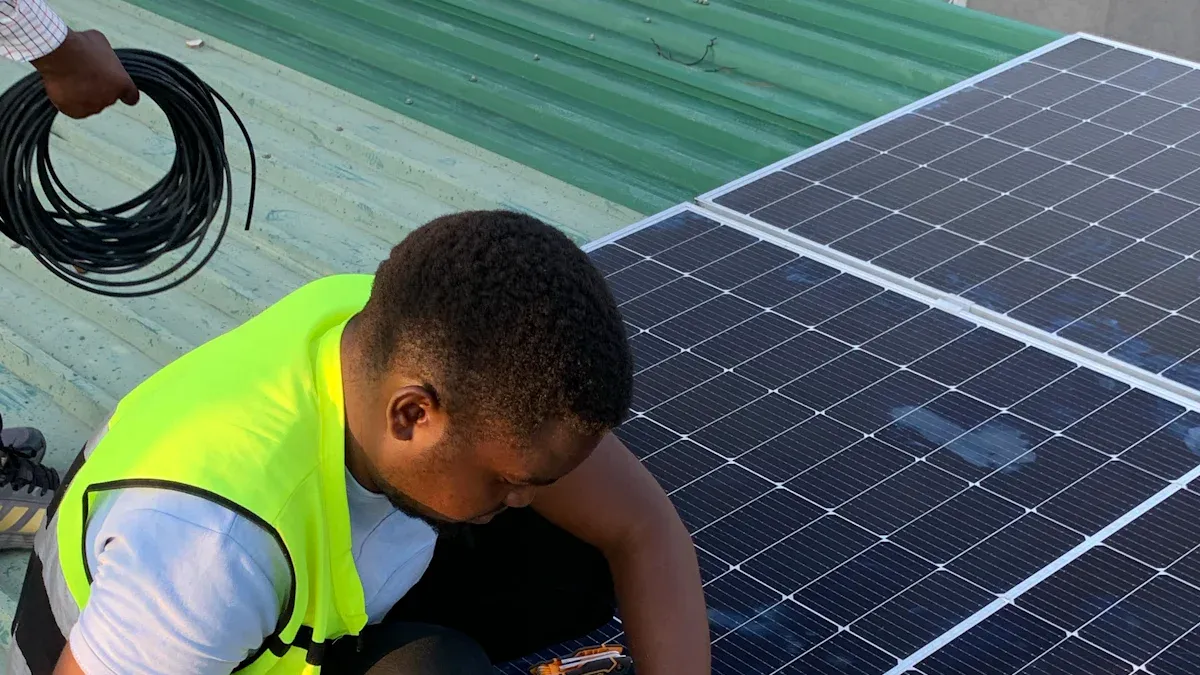
Solar panel systems require specific cables to function safely and efficiently. You’ll find photovoltaic (PV) cables, DC cables, AC cables, and ground cables commonly used. Selecting the right cable ensures durability and peak performance. For example, the H1 Z2Z2-K TUV Solar Cable meets high safety standards while supporting reliable energy transfer.
Key Takeaways
- Pick the correct cable typefor your solar panels. PV Cables, DC cables, AC cables, and ground cables each have specific jobs to keep things safe and working well.
- Use good-quality cables like the H1 Z2Z2-K TUV solar cable. This cable is strong, bendable, and safe, making energy transfer reliable.
- Think about voltage, amperage, and cable length when choosing cables. The right size stops overheating and power loss, helping your solar system work better.
Types of Cables Used in Solar Panel Systems
Photovoltaic (PV) Cables
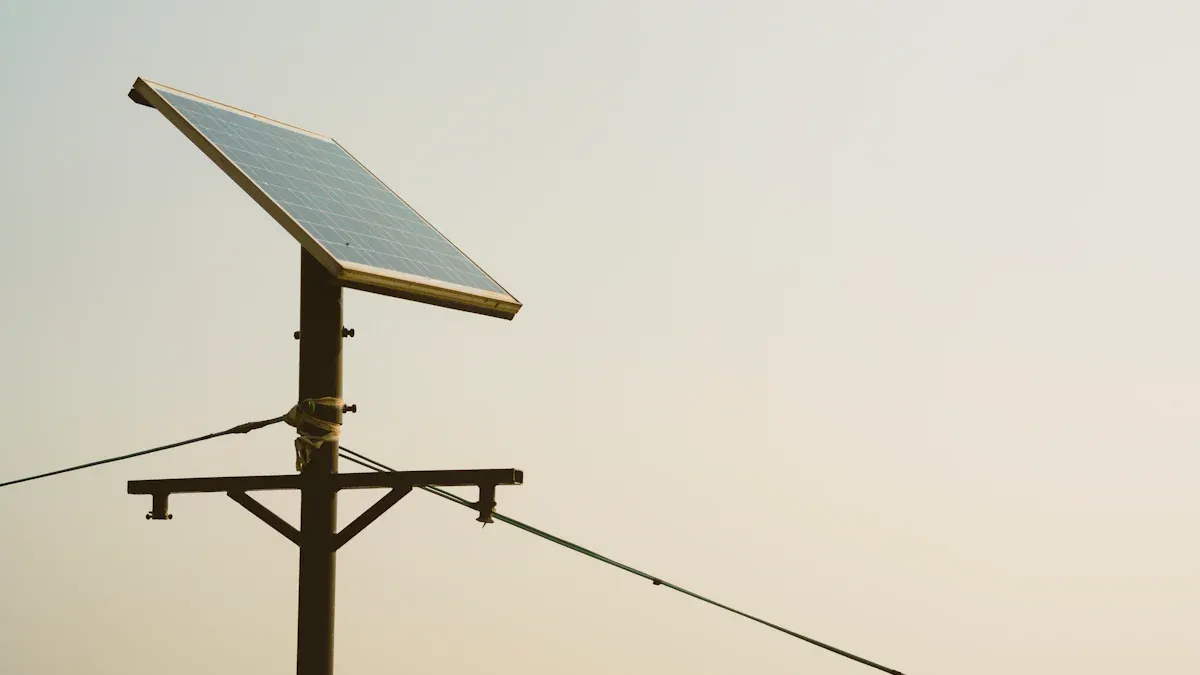
PV cables are specifically designed for solar panel systems. These cables connect the solar panels to the inverter, ensuring efficient energy transfer. They are highly durable and can withstand extreme weather conditions, including intense sunlight, rain, and snow. The insulation on PV cables resists UV radiation and high temperatures, making them ideal for outdoor use.
You’ll often find PV cables with a double-insulated design. This feature enhances safety by reducing the risk of electrical faults. Additionally, these cables are flexible, which makes installation easier. Always ensure the PV cables you choose meet international safety standards for solar systems.
DC Cables
DC cables carry direct current (DC) electricity from the solar panels to the inverter. These cables are crucial because they handle the raw energy generated by the panels. DC cables are typically divided into two types: single-core and dual-core. Single-core cables are more common in solar installations.
When selecting DC cables, you should consider their voltage rating and insulation quality. High-quality insulation prevents energy loss and ensures safety. DC cables are often color-coded, with red representing positive and black representing negative. This color-coding simplifies the installation process and reduces the chance of errors.
AC Cables
AC cables transport alternating current (AC) electricity from the inverter to your home or the grid. These cables are essential for delivering usable power after the inverter converts DC electricity into AC. AC cables are usually thicker than DC cables because they handle higher currents.
You should choose AC cables with robust insulation and high conductivity. Copper is a common material for AC cables due to its excellent conductivity. Properly installed AC cables ensure efficient energy transfer and minimize power loss.
Ground Cables
Ground cables play a vital role in the safety of your solar panel system. These cables connect the system to the earth, providing a path for excess electricity during a fault or lightning strike. Grounding protects both the equipment and the people using it.
Ground cables are typically made of copper or aluminum. They must meet specific standards to ensure they can handle fault currents effectively. Proper grounding is a legal requirement in most regions, so you should always include ground cables in your solar installation.
H1 Z2Z2-K TUV Solar Cable
The H1 Z2Z2-K TUV solar cable is a top choice for solar panel systems. This cable is designed to meet the highest safety and performance standards. It is resistant to UV radiation, ozone, and extreme temperatures, making it suitable for outdoor use.
You’ll find that the H1 Z2Z2-K TUV solar cable offers excellent flexibility and durability. Its double-insulated design ensures maximum safety, even in harsh conditions. This cable is also compatible with various solar panel systems, making it a versatile option. Choosing the H1 Z2Z2-K TUV solar cable ensures reliable energy transfer and long-term performance for your solar installation.
How to Choose the Right Cable for Solar Panels
Voltage and Amperage Requirements
When choosing a cable for your solar panel system, you need to consider the voltage and amperage it will handle. Solar panels generate electricity at specific voltage levels, and the cable must support this without overheating or losing efficiency. For example, if your system operates at 600 volts, the cable must have a voltage rating equal to or higher than this value.
Amperage is equally important. It refers to the amount of current flowing through the cable. A cable with insufficient amperage capacity can overheat, leading to safety hazards. Always check the specifications of your solar panels and inverter to determine the required voltage and amperage ratings.
Tip: Look for cables with certifications that confirm their ability to handle the voltage and amperage of your system. This ensures safety and compliance with industry standards.
Cable Length and Voltage Drop
The length of the cable affects the efficiency of your solar panel system. Longer cables can cause voltage drop, which reduces the amount of electricity reaching your inverter. This means less energy is available for use in your home or for feeding back into the grid.
To minimize voltage drop, you should use shorter cables whenever possible. If longer cables are necessary, choose ones with a larger conductor size. Larger conductors reduce resistance, which helps maintain voltage levels over long distances.
Note: Voltage drop is typically measured as a percentage. Aim to keep it below 3% for optimal system performance.
Conductor Size and Material
The conductor inside the cable plays a critical role in energy transfer. Copper and aluminum are the most common materials used. Copper is preferred because it has higher conductivity, which means it transfers electricity more efficiently. However, aluminum is lighter and less expensive, making it a good option for certain installations.
Conductor size is measured in American Wire Gauge (AWG). A lower AWG number indicates a thicker conductor, which can carry more current. For solar panel systems, you should select a conductor size that matches the amperage requirements of your system.
Tip: If you’re unsure about the right conductor size, consult a professional or refer to the manufacturer’s guidelines.
Quality and Durability Standards
Solar cables must withstand harsh environmental conditions, including UV radiation, extreme temperatures, and moisture. High-quality cables, such as the H1 Z2Z2-K TUV solar cable, are designed to meet these challenges. This cable offers excellent durability and flexibility, making it a reliable choice for outdoor installations.
When evaluating cable quality, look for certifications from recognized organizations. These certifications indicate that the cable meets safety and performance standards. Investing in durable cables reduces the risk of system failures and extends the lifespan of your solar installation.
Reminder: Always prioritize quality over cost when selecting cables. A high-quality cable may have a higher upfront cost, but it will save you money in the long run by preventing issues and ensuring efficient energy transfer.
Solar Cables vs. Wires: What’s the Difference?
Key Differences Between Cables and Wires
You might think cables and wires are the same, but they serve different purposes in solar systems. A wire is a single conductor, while a cable consists of multiple conductors bundled together. This difference makes cables more versatile and durable.
Cables often have insulation and protective layers, which shield them from environmental factors like UV rays, moisture, and temperature changes. Wires, on the other hand, usually lack this level of protection. This makes wires less suitable for outdoor use in solar installations.
Another key difference lies in flexibility. Cables are more flexible due to their multi-conductor design. This flexibility makes them easier to install, especially in complex solar setups. Wires, being rigid, can break or wear out faster when bent repeatedly.
Tip: Always check the specifications of your solar system to determine whether cables or wires are required.
Why Cables Are Preferred for Solar Systems
Cables are the preferred choice for solar systems because they offer better safety, durability, and performance. Their insulation prevents energy loss and reduces the risk of electrical faults. This is crucial for maintaining the efficiency of your solar panels.
The durability of cables ensures they can withstand harsh outdoor conditions. Whether it’s intense sunlight, heavy rain, or snow, cables remain reliable. Their flexibility also simplifies installation, saving you time and effort.
Using cables instead of wires minimizes maintenance needs. You won’t have to worry about frequent replacements or repairs. This makes cables a cost-effective option in the long run.
Reminder: Investing in high-quality solar cables ensures your system operates safely and efficiently for years to come.
Choosing the right cable ensures your solar panel system operates safely and efficiently. The H1 Z2Z2-K TUV solar cable offers durability and high performance, making it a reliable option. Understanding cable types helps you make informed decisions. Always consult professionals or follow manufacturer guidelines to ensure proper installation and long-term reliability.
FAQ
What is the lifespan of solar cables?
High-quality solar cables, like the H1 Z2Z2-K TUV, last 25 years or more. Their durability depends on environmental conditions and proper installation.
Can you use regular electrical cables for solar panels?
No, regular cables lack the UV resistance and insulation needed for outdoor solar systems. Always use certified solar cables for safety and efficiency.
How do you maintain solar cables?
Inspect cables regularly for wear or damage. Ensure connections stay secure. Replace damaged cables immediately to maintain system performance and safety.