
 Send Email
 Whatsapp


What is the difference between a solar cable and a normal cable?
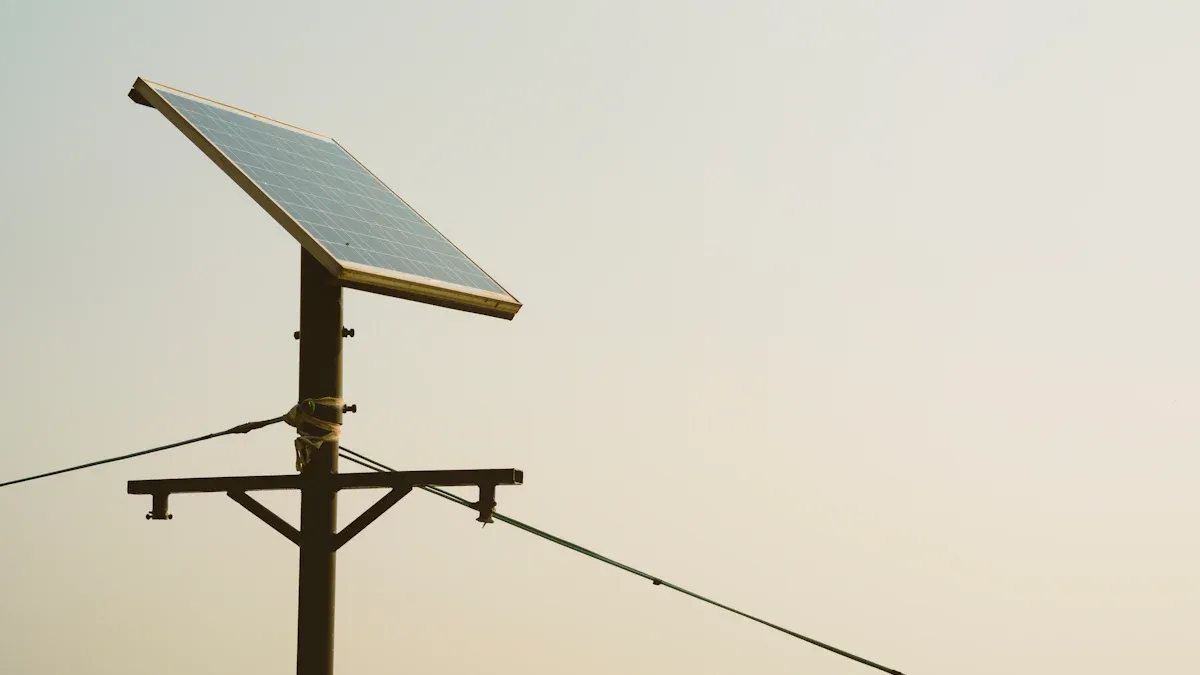
Solar Cables are essential for solar power systems. They withstand harsh conditions with features like UV resistance, durability, and temperature tolerance. Normal cables, designed for general use, lack these specialized properties. Choosing the right cable ensures safety and efficiency, especially when dealing with outdoor solar installations exposed to extreme weather.
Key Takeaways
- Solar cables are made for outdoor use. They can handle UV rays, heat, cold, and bad weather, lasting a long time.
- Normal cables are only good for indoor use. They are not strong enough for outdoor solar setups and can be unsafe.
- Always pick cables marked for solar use. This keeps your solar system safe, efficient, and working well.
Materials and Insulation

UV Resistance in Solar Cables
When you install a solar power system, the cables are often exposed to direct sunlight for years. This is where the UV resistance of a solar cable becomes crucial. These cables are designed with special insulation materials that can withstand prolonged exposure to ultraviolet rays without degrading. UV rays can cause normal cables to crack, fade, or lose their insulating properties over time. However, solar cables maintain their integrity, ensuring consistent performance and safety.
Tip: Always check for UV-resistant labeling when selecting cables for outdoor solar installations.
The UV-resistant feature also makes solar cables suitable for extreme weather conditions. Whether it’s scorching heat or freezing cold, these cables remain reliable. This durability ensures that your solar power system operates efficiently for decades.
Insulation Materials in Normal Cables
Normal cables, on the other hand, are not built for outdoor use. Their insulation materials, such as PVC (polyvinyl chloride), are suitable for indoor environments but lack the robustness needed for harsh conditions. When exposed to sunlight, these materials can become brittle and prone to cracking.
If you use normal cables in outdoor settings, you may face frequent maintenance issues. The insulation may deteriorate, leading to electrical hazards or system failures. While normal cables are cost-effective for indoor applications, they are not a safe or long-lasting choice for solar power systems.
Note: Using the wrong type of cable can compromise the safety and efficiency of your installation.
Temperature Resistance
High-Temperature Tolerance of Solar Cables
Solar cables are designed to handle extreme temperatures without compromising performance. These cables use advanced insulation materials that can endure high heat levels, often reaching up to 90°C during operation and even higher in short-term conditions. This feature ensures that your solar power system remains efficient, even in hot climates or under intense sunlight.
The ability to resist high temperatures also reduces the risk of overheating, which can lead to electrical failures or safety hazards. Solar cables maintain their structure and electrical properties, providing consistent energy transmission. This makes them a reliable choice for outdoor installations where temperature fluctuations are common.
Tip: Always check the temperature rating of a solar cable before purchasing to ensure it meets the requirements of your installation.
Limitations of Normal Cables in Extreme Heat
Normal cables lack the heat resistance needed for outdoor or high-temperature environments. Their insulation materials, such as PVC, can soften or melt when exposed to excessive heat. This can lead to insulation breakdown, exposing the wires and increasing the risk of short circuits or fires.
If you use normal cables in a solar power system, you may notice frequent performance issues during hot weather. The cables may degrade faster, requiring costly repairs or replacements. While normal cables work well indoors, they are not suitable for the demanding conditions of solar installations.
Note: Using the wrong cable type in high-temperature environments can compromise safety and efficiency.
Durability and Longevity
Outdoor Durability of Solar Cables
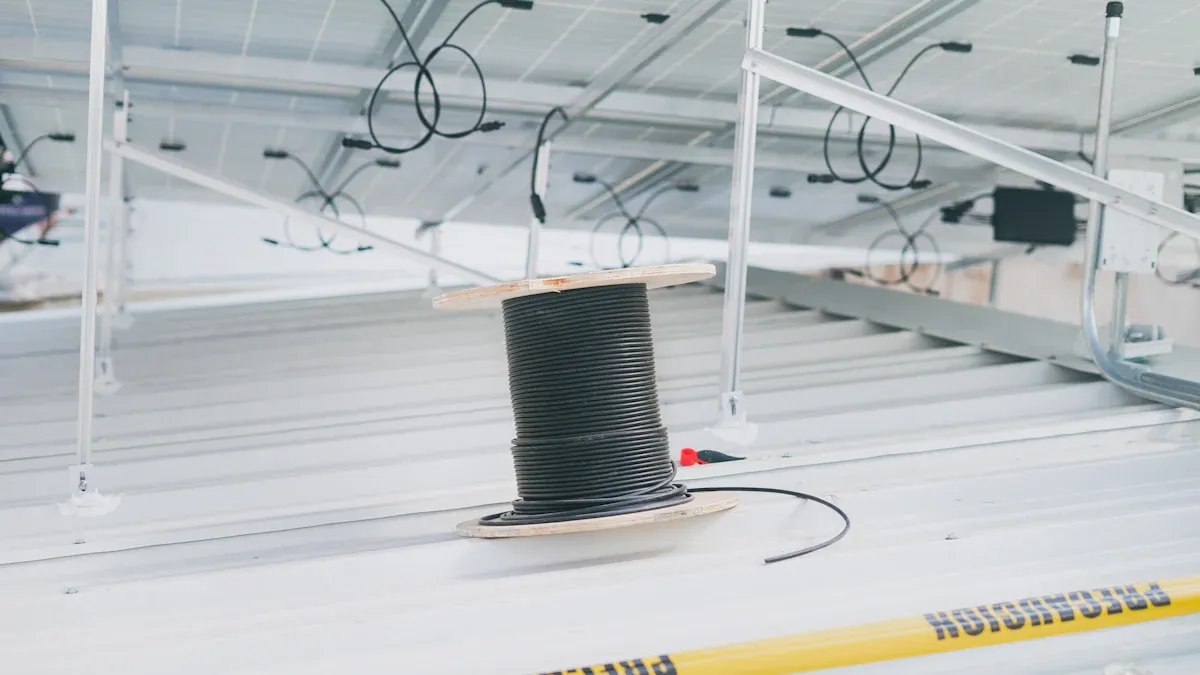
Solar cables are built to last in outdoor environments. Their design includes robust insulation and jacketing materials that resist wear and tear caused by weather conditions. Rain, snow, and strong winds do not easily damage these cables. You can rely on them to maintain their performance even after years of exposure to the elements.
One of the key features of a solar cable is its resistance to abrasion. This ensures that the cable remains intact even when subjected to physical stress, such as movement caused by wind or vibrations. Additionally, these cables are resistant to moisture and chemicals, which further enhances their durability.
Tip: When installing a solar power system, choose cables specifically designed for outdoor use to avoid frequent replacements.
The long-lasting nature of solar cables makes them a cost-effective choice for solar installations. Their ability to withstand harsh conditions ensures that your system operates efficiently for decades.
Lifespan of Normal Cables
Normal cables are not designed for outdoor durability. Their insulation materials degrade quickly when exposed to sunlight, rain, or extreme temperatures. Over time, you may notice cracks or brittleness in the insulation, which can lead to electrical failures.
If you use normal cables outdoors, their lifespan will be significantly shorter. They may require frequent repairs or replacements, increasing maintenance costs. These cables are better suited for indoor environments where they are protected from harsh conditions.
Note: Using normal cables in outdoor solar installations can compromise safety and efficiency.
Flexibility and Installation
Flexibility of Solar Cables
Solar cables are designed with flexibility in mind. This feature makes them easy to handle during installation. Their construction includes fine-stranded conductors and durable insulation, allowing them to bend and twist without breaking. You can route these cables through tight spaces or around obstacles without damaging their structure.
The flexibility of a solar cable also reduces the risk of wear and tear over time. When exposed to wind or vibrations, these cables can move without cracking or losing their insulating properties. This adaptability ensures that your solar power system remains reliable, even in challenging environments.
Tip: Look for cables labeled as "flexible" when planning your solar installation. This will make the process smoother and more efficient.
Installation Challenges with Normal Cables
Normal cables often lack the flexibility needed for complex installations. Their rigid structure makes them difficult to bend or route through tight spaces. You may find it challenging to work with these cables, especially in outdoor settings where obstacles are common.
The stiffness of normal cables can also lead to damage during installation. Bending them too much may cause cracks in the insulation, exposing the wires and creating safety hazards. Over time, this can result in electrical failures or costly repairs.
If you use normal cables for a solar power system, you might face additional challenges. Their lack of flexibility makes them unsuitable for environments with frequent movement or vibrations. This limitation can compromise the efficiency and safety of your installation.
Note: Always choose cables designed for your specific application to avoid unnecessary complications.
Electrical Properties
Voltage and Current Handling in Solar Cables
Solar cables are designed to handle high voltage and current levels efficiently. Their construction includes fine-stranded conductors that minimize resistance and optimize energy transmission. You can rely on these cables to support the demands of solar power systems, which often operate at higher voltages compared to standard electrical setups.
The insulation in solar cables plays a critical role in maintaining safety. It prevents electrical leakage and ensures consistent performance even under heavy loads. These cables also feature low capacitance, reducing energy loss during transmission. This makes them ideal for connecting solar panels to inverters and other system components.
Tip: Always check the voltage and current ratings of a solar cable to ensure compatibility with your system.
Electrical Performance of Normal Cables
Normal cables are not built to handle the electrical demands of solar power systems. Their conductors and insulation materials are suitable for standard household or industrial applications but lack the efficiency required for high-voltage setups. If you use normal cables in a solar installation, you may experience energy loss and reduced system performance.
These cables also have higher resistance, which can lead to overheating when carrying large currents. Over time, this can damage the cable and compromise the safety of your system. While normal cables work well for basic electrical tasks, they are not a reliable choice for solar power systems.
Note: Using normal cables in high-voltage applications can lead to inefficiency and safety risks.
Applications and Suitability
Solar Cables for Solar Power Systems
Solar cables are the backbone of any solar power system. You need them to connect solar panels, inverters, and batteries efficiently. These cables are specifically designed to handle the unique demands of solar installations. Their UV resistance, high-temperature tolerance, and durability make them ideal for outdoor use. Whether your system is on a rooftop or in an open field, a solar cable ensures reliable energy transmission.
You can also count on these cables to perform well in extreme weather. They resist moisture, chemicals, and physical stress, making them a long-lasting choice. Their flexibility simplifies installation, even in complex setups. If you want your solar power system to operate safely and efficiently for years, using solar cables is essential.
Tip: Always choose cables labeled for solar use to avoid performance issues.
When Normal Cables Are Appropriate
Normal cables work well for general-purpose indoor applications. You can use them for household wiring, small appliances, or basic electrical setups. Their insulation materials, like PVC, are suitable for environments protected from sunlight and extreme temperatures.
However, normal cables are not a good choice for outdoor or high-demand systems. They lack the durability and resistance needed for harsh conditions. If you use them in a solar installation, you may face frequent maintenance and safety risks. For indoor tasks, though, they offer a cost-effective and practical solution.
Note: Match the cable type to the environment and application to ensure safety and efficiency.
Choosing the right cable plays a vital role in the success of your installation. A solar cable ensures durability, temperature resistance, and reliable electrical performance. Normal cables, while versatile, fail to meet the demands of outdoor solar systems. By selecting the correct cable, you guarantee safety, efficiency, and long-term functionality for your setup.
FAQ
What makes solar cables more expensive than normal cables?
Solar cables use advanced materials like UV-resistant insulation and high-temperature conductors. These features increase durability and performance, making them costlier but essential for outdoor solar systems.
Can you use normal cables temporarily for a solar installation?
Using normal cables temporarily is risky. They lack UV resistance and heat tolerance, which can lead to insulation damage, electrical hazards, or system failures in outdoor conditions.
How do you identify a solar cable?
Look for labels like "UV-resistant" or "solar-rated." Solar cables often have thicker insulation, flexible construction, and higher voltage ratings compared to normal cables.