
 Send Email
 Whatsapp


Can you use normal cable for solar?
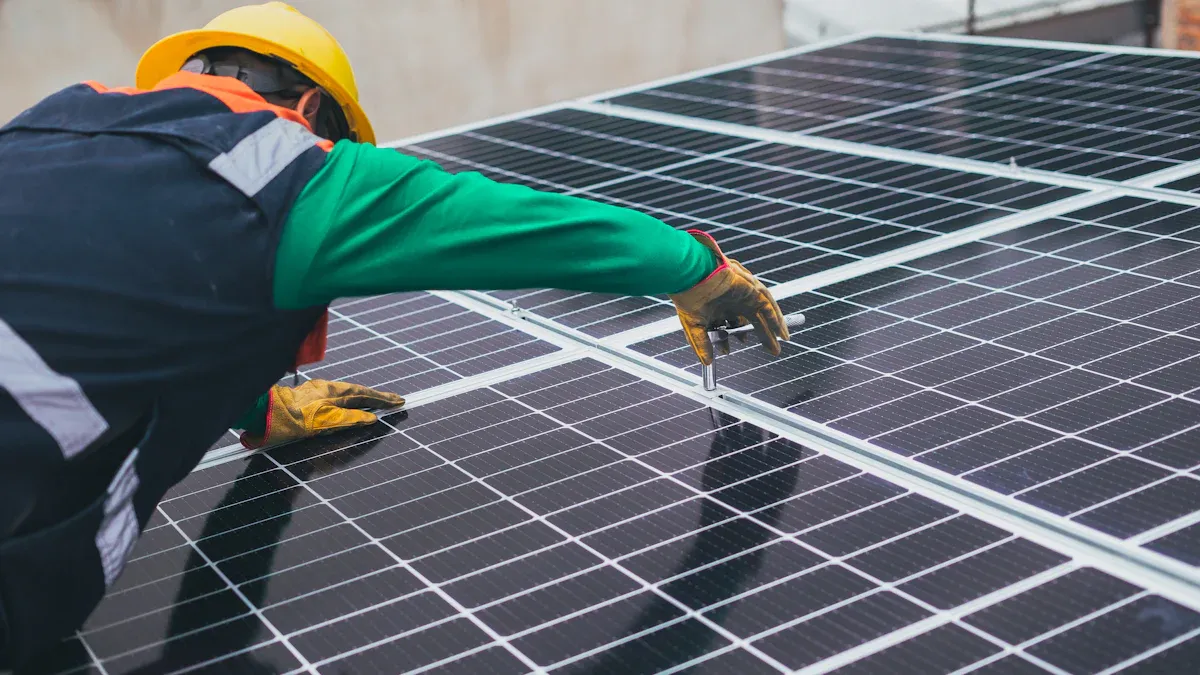
Have you ever wondered if you can use regular cables for your solar setup? It might seem like a simple swap, but normal cables just don’t cut it. They lack the durability and safety features needed for solar systems. A Solar Cable, on the other hand, is designed to handle harsh conditions and ensure your system runs smoothly.
Key Takeaways
- Regular cables are not strong or safe for solar systems. Using them might cause expensive fixes and system breakdowns.
- Buying good solar cables gives better protection and works well. This helps save energy and makes your solar system last longer.
- Always pick cables that resist UV rays and have two layers. This simple choice avoids big issues and keeps your solar system working well.
Why Normal Cables Are Unsuitable for Solar
Lack of UV and Weather Resistance
Normal cables just aren’t built to handle the outdoors. When exposed to sunlight, they can degrade quickly because they lack UV resistance. Over time, this exposure causes the cable’s insulation to crack or peel, leaving the wires exposed. Rain, snow, and extreme weather conditions only make things worse. You might think you’re saving money by using regular cables, but the damage from weather exposure can lead to costly repairs or even system failure. A solar cable, however, is designed to withstand these challenges, ensuring your system stays safe and functional.
Inadequate Insulation and Durability
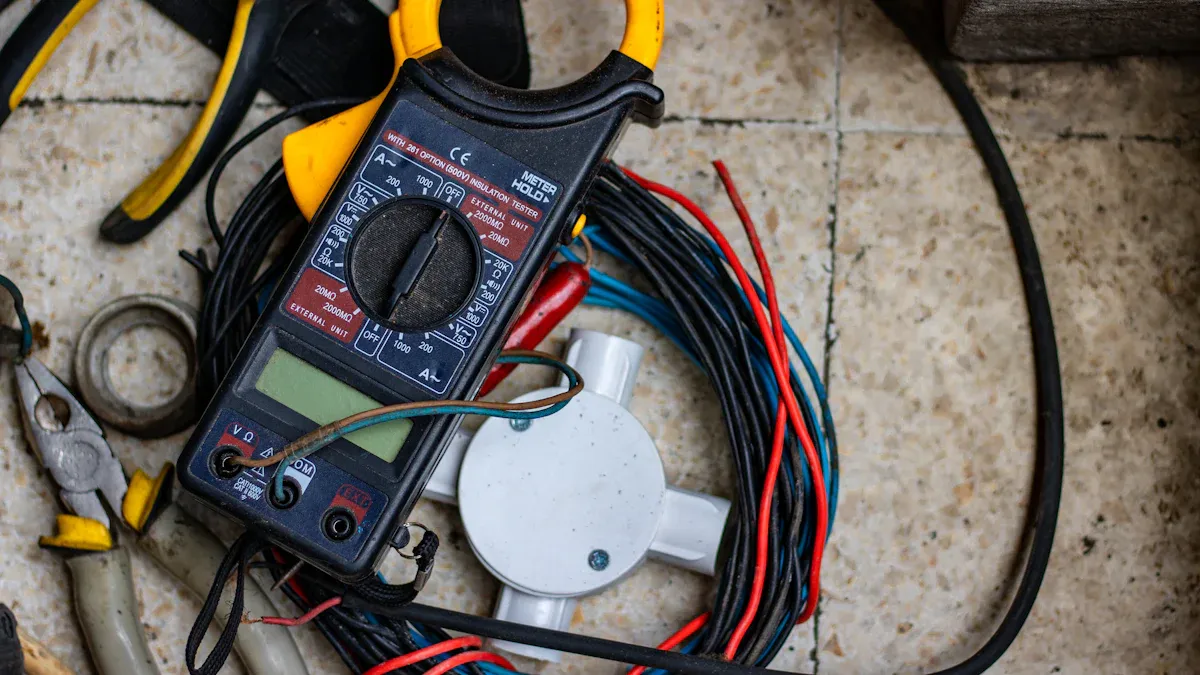
Regular cables don’t have the insulation needed for solar systems. Solar setups often involve high voltages, and normal cables can’t handle that kind of load. Poor insulation increases the risk of short circuits or electrical fires. Plus, normal cables wear out faster due to their lack of durability. They’re not made to last in the demanding environment of a solar installation. A solar cable, on the other hand, comes with superior insulation and is built to last for years.
Increased Risk of Energy Loss and Safety Hazards
Using the wrong cable can lead to energy loss. Normal cables aren’t efficient at transferring electricity over long distances, which means you lose some of the power your solar panels generate. Worse, they can create safety hazards like overheating or electrical shocks. A solar cable minimizes these risks by offering better conductivity and safety features. It’s a small investment that pays off in the long run.
Key Features of Solar Cables
Superior Insulation and Double Layer Protection
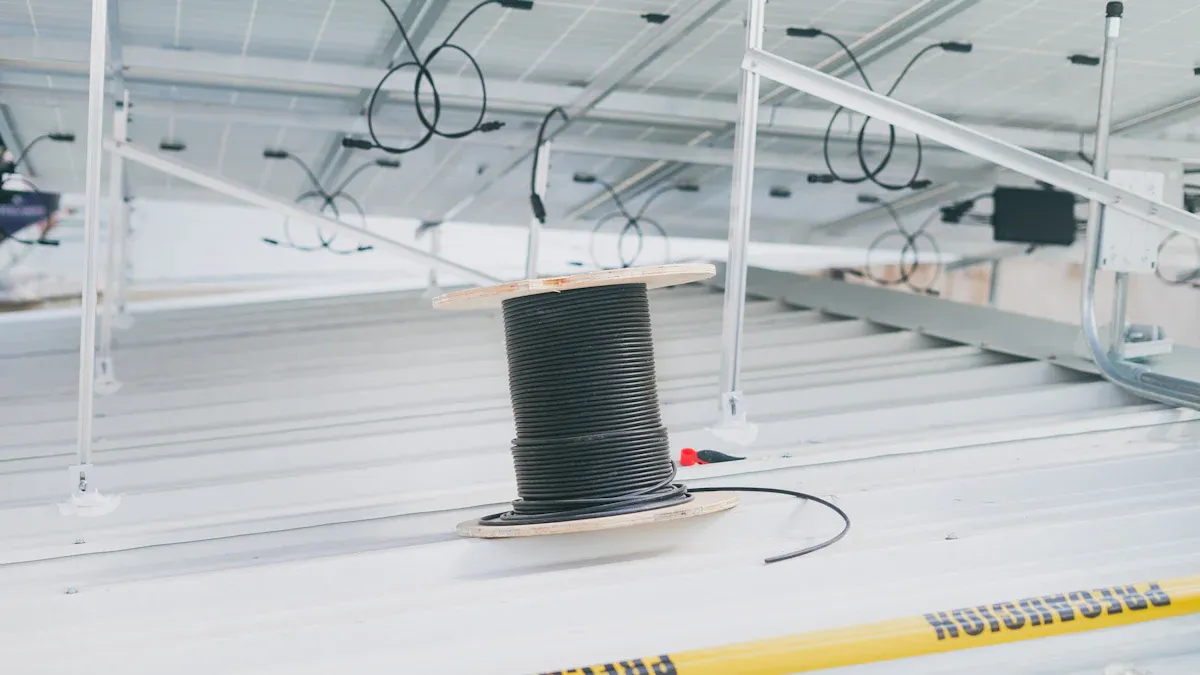
When it comes to solar systems, insulation is everything. A solar cable offers superior insulation that protects against electrical faults. Unlike regular cables, these come with double-layer protection. This extra layer shields the wires from damage caused by moisture, abrasion, or even accidental cuts. You can count on this feature to keep your system safe and running efficiently.
Tip: Always check for cables with double insulation when setting up your solar system. It’s a small step that can save you from big problems later.
Resistance to Extreme Temperatures and UV Exposure
Solar installations face harsh conditions daily. Whether it’s the blazing sun or freezing winters, a solar cable is built to handle it all. These cables are designed to resist extreme temperatures without cracking or losing efficiency. Plus, they’re UV-resistant, so they won’t degrade under constant sunlight. This durability ensures your system stays reliable, no matter the weather.
Enhanced Efficiency and Longevity
A solar cable isn’t just about durability; it’s also about performance. These cables are engineered to minimize energy loss, which means more power reaches your home or devices. Over time, this efficiency adds up, saving you money on energy costs. And because they’re built to last, you won’t have to worry about frequent replacements. Investing in the right cable ensures your solar system performs at its best for years to come.
Choosing the Right Solar Cable
Types of Solar Cables Available
When it comes to solar cables, you’ve got a few options to choose from. The most common types include single-core and twin-core cables. Single-core cables are ideal for connecting individual solar panels to the inverter. Twin-core cables, on the other hand, are perfect for systems that require a positive and negative connection in one cable. You’ll also find flexible solar cables, which are great for installations that need extra maneuverability. Each type serves a specific purpose, so it’s important to pick the one that matches your system’s needs.
Tip: Always check the specifications of your solar system before deciding on a cable type. This ensures compatibility and optimal performance.
Benefits of Investing in High-Quality Solar Cables
You might wonder if high-quality solar cables are worth the investment. The answer is a resounding yes! These cables are designed to handle the unique demands of solar systems. They offer better insulation, which reduces the risk of electrical faults. They’re also more durable, lasting longer even in harsh weather conditions. Plus, they improve energy efficiency, ensuring you get the most out of your solar panels. Spending a little more upfront can save you from costly repairs and replacements down the line.
Tips for Selecting the Best Solar Cable for Your System
Choosing the right solar cable doesn’t have to be complicated. Start by checking the voltage and current requirements of your system. Make sure the cable you choose can handle these specifications. Look for cables with UV resistance and weatherproofing to ensure they last outdoors. If you’re unsure, consult a professional or refer to your solar panel manufacturer’s recommendations. Remember, the right cable can make all the difference in your system’s performance and safety.
Note: Don’t compromise on quality. A reliable solar cable is an investment in the longevity and efficiency of your solar setup.
Normal cables just don’t meet the demands of solar systems. They can’t handle the harsh conditions or ensure safety. A solar cable, however, is built for efficiency, durability, and long-term performance. Choosing the right one is essential. It keeps your system safe, reliable, and running smoothly for years to come.
FAQ
Can I use extension cords as solar cables?
No, extension cords aren’t designed for solar systems. They lack UV resistance, proper insulation, and durability, which can lead to safety hazards and inefficiency.
How do I know if a cable is UV-resistant?
Check the cable’s specifications or labeling. Look for terms like “UV-resistant” or “suitable for outdoor use.” These indicate the cable can withstand sunlight exposure.
Are solar cables expensive compared to normal cables?
Solar cables cost more upfront, but they save money over time. Their durability, efficiency, and safety features reduce maintenance and replacement costs significantly.