

 Send Email
 Whatsapp


What is the difference between XT60 and MC4?
You often see XT60 and MC4 connectors in solar projects and electronics. Each Solar Connector offers unique features that impact safety and performance. If you choose the right type, your setup works better and lasts longer. Always pay close attention to the connector’s design and rating.
Key Takeaways
- XT60 connectors are compact, easy to use, and best for small electronics or low to medium power solar projects, but they are not waterproof and work best indoors.
- MC4 connectors are weatherproof, have a locking mechanism, and support higher voltages, making them ideal for outdoor and large solar panel systems.
- Choose connectors based on your project’s power needs, environment, and ease of installation to ensure safety and long-lasting performance.
XT60 vs MC4: Solar Connector Overview
XT60 Connector Explained
You often find the XT60 connector in electronics and hobby projects. This connector uses a yellow plastic housing and two metal pins. You can connect and disconnect it easily by hand. The XT60 works well for low to medium power needs. Many people use it for drones, RC cars, and small solar setups. The XT60 can handle high currents, so it keeps your wires safe from overheating. You do not need special tools to use this solar connector. You just solder the wires to the pins and push them into the housing.
Tip: If you want a quick and strong connection for your DIY project, the XT60 connector is a good choice.
MC4 Solar Connector Explained
The MC4 solar connector is the standard for most solar panels. You see it in rooftop solar systems and portable solar kits. This connector has a black plastic body and a locking mechanism. You push the connectors together until they click. The MC4 keeps water and dust out, so it works well outdoors. You need a special tool to disconnect it, which helps prevent accidental unplugging. The MC4 solar connector supports higher voltages and is safe for large solar arrays.
- MC4 connectors are weatherproof.
- They meet strict safety standards.
- You can use them for both home and commercial solar systems.
Design and Construction Differences
Shape and Size Comparison
When you look at XT60 and MC4 connectors, you notice clear differences in their shapes and sizes. The XT60 connector has a compact, rectangular body. You can hold it easily between your fingers. Its small size makes it perfect for tight spaces in electronics or small solar projects.
The MC4 connector looks longer and slimmer. It has a cylindrical shape with a locking tab on one end. You often see MC4 connectors attached to solar panel cables. Their design helps you connect panels in a row without taking up much space.
| Connector | Shape | Typical Size (Length) | Best Use Case |
|---|---|---|---|
| XT60 | Rectangular | ~21mm | Electronics, RC, DIY |
| MC4 | Cylindrical | ~56mm | Solar panels, Outdoor |
Note: If you need a connector for a small device, choose XT60. For outdoor solar panels, MC4 fits better.
Materials and Build Quality
You want your connectors to last. The materials used in XT60 and MC4 connectors help them stand up to different conditions.
- XT60 connectors use nylon or polyamide plastic for the housing. This material resists heat and does not melt easily. The metal pins inside are usually gold-plated brass. Gold plating helps prevent rust and keeps the connection strong.
- MC4 connectors use UV-resistant plastic. This plastic protects the connector from sunlight and rain. The metal contacts inside are tin-plated copper. Tin plating stops corrosion and keeps the power flowing.
Both connectors feel sturdy in your hand. XT60 connectors work well indoors or in dry places. MC4 connectors handle outdoor weather, so you can trust them on your roof or in your yard.
Polarity and Connection Mechanisms
You must connect wires the right way to keep your system safe. XT60 and MC4 connectors use different methods to make sure you do not mix up positive and negative wires.
- XT60 connectors have a clear shape that only fits one way. The male and female ends match up, so you cannot plug them in backward. You solder the wires to the metal pins, then push the pins into the housing.
- MC4 connectors use a locking system. You push the male and female ends together until they click. The connector locks in place, so it will not come apart by accident. Each MC4 connector has a "+" or "–" symbol to show you the correct polarity.
Tip: Always check the symbols on MC4 connectors before you connect them. This step helps you avoid wiring mistakes.
You can connect and disconnect XT60 connectors by hand. For MC4 connectors, you need a special tool to unlock them. This feature keeps your solar system safe from accidental disconnections.
Electrical Specifications
Current and Voltage Ratings
You need to know how much current and voltage each connector can handle. This helps you choose the right one for your project. If you use a connector with the wrong rating, your system might overheat or fail.
XT60 Connectors:
- XT60 connectors can handle up to 60 amps of current.
- They work best with voltages up to 500 volts DC.
- You often see XT60 connectors in small solar setups, RC vehicles, and battery packs.
MC4 Connectors:
- MC4 connectors support up to 30 amps of current.
- They can handle voltages up to 1000 volts DC (sometimes even 1500 volts in newer models).
- You find MC4 connectors in large solar panel systems and outdoor installations.
Here is a quick comparison:
| Connector | Max Current (Amps) | Max Voltage (Volts DC) | Typical Use Case |
|---|---|---|---|
| XT60 | 60 | 500 | RC, DIY, small solar |
| MC4 | 30 | 1000–1500 | Solar panels, outdoors |
Note: Always check your device’s requirements before picking a connector. Using a connector with a lower rating than your system needs can cause safety problems.
Wire Compatibility
You must match your connector to the right wire size. This step keeps your system safe and efficient. If you use the wrong wire, you might lose power or create a fire risk.
XT60 Connectors:
- XT60 connectors fit wire sizes from 12 AWG to 14 AWG.
- You usually solder the wire to the connector pins.
- The wire should fit snugly in the pin for a strong connection.
MC4 Connectors:
- MC4 connectors work with wire sizes from 10 AWG to 14 AWG.
- You insert the wire into a metal crimp contact, then use a crimping tool to secure it.
- MC4 connectors often use thicker wires because they carry power over longer distances.
Wire Size Comparison Table:
| Connector | Supported Wire Size (AWG) | Connection Method |
|---|---|---|
| XT60 | 12–14 | Soldering |
| MC4 | 10–14 | Crimping |
Tip: Use the thickest wire your connector supports for less power loss, especially in long cable runs.
You can see that both connectors support similar wire sizes, but MC4 connectors often use thicker wires for bigger solar systems. Always follow the manufacturer’s instructions for the best results.
Typical Applications for Each Connector
XT60 in Electronics and Solar Setups
You often use XT60 connectors in electronics projects. These connectors work well for radio-controlled cars, drones, and battery packs. You can connect and disconnect them quickly, which helps when you need to swap batteries or test circuits. Many hobbyists choose XT60 connectors because they handle high current and fit in small spaces.
You also see XT60 connectors in small solar setups. If you build a portable solar charger or a DIY solar generator, you might pick this connector. It gives you a safe and strong connection for your wires. You do not need special tools to use it, so you can finish your project faster.
Tip: Use XT60 connectors when you want a simple and reliable connection for low to medium power needs.
MC4 in Solar Power Systems
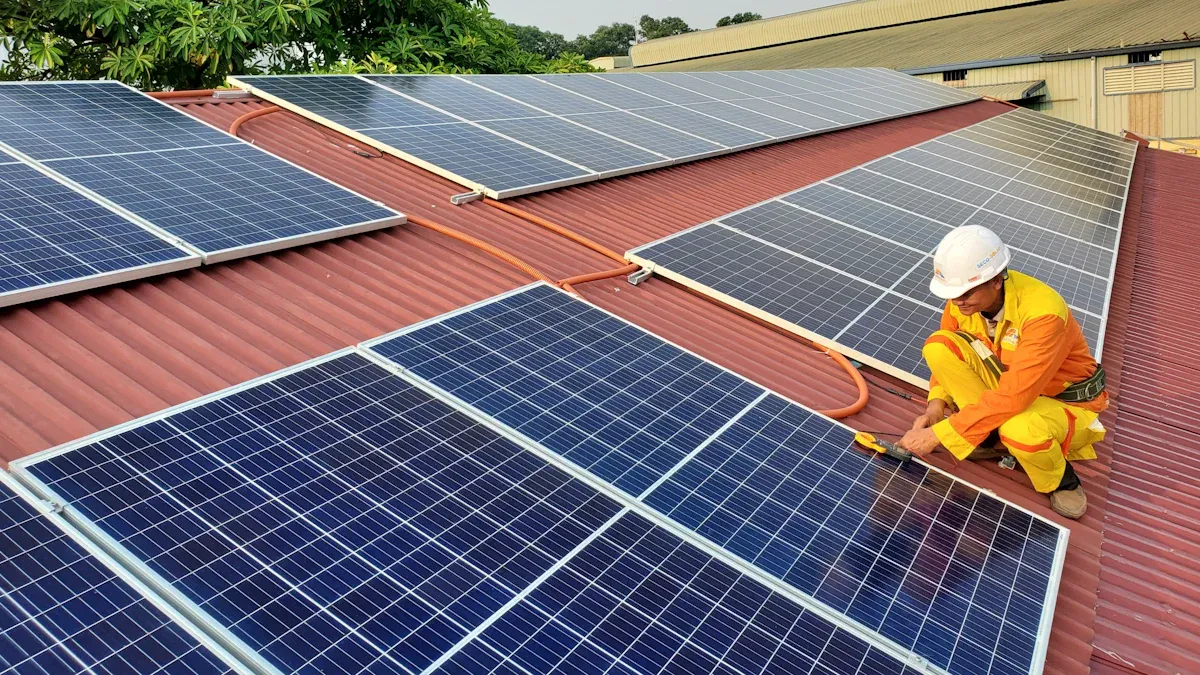
You find MC4 connectors in most solar panel installations. These connectors help you link panels together in a safe way. You can use them for both home and commercial solar systems. MC4 connectors keep water and dust out, so your system works well outdoors.
Installers use MC4 connectors because they support higher voltages and last a long time. You need a special tool to disconnect them, which stops people from unplugging them by mistake. If you want a solar connector for a rooftop or ground-mounted system, MC4 is the standard choice.
| Application | XT60 Connector | MC4 Connector |
|---|---|---|
| RC Vehicles | ✅ | ❌ |
| Small Solar Kits | ✅ | ✅ |
| Rooftop Solar | ❌ | ✅ |
| Outdoor Use | ❌ | ✅ |
Installation and Ease of Use
Connecting and Disconnecting Process
You will find that XT60 connectors make connecting and disconnecting simple. You hold the connector, line up the pins, and push them together. You can pull them apart by hand when you need to disconnect. This process works well for quick changes or repairs.
MC4 connectors use a different method. You push the male and female ends together until you hear a click. The locking mechanism keeps the connection secure. To disconnect MC4 connectors, you need a special tool. This tool helps prevent accidental unplugging and keeps your solar system safe.
Tip: Always double-check the alignment before connecting. This step helps you avoid damage to the pins.
Waterproofing and Weather Resistance
XT60 connectors work best indoors or in dry places. The plastic housing protects the pins, but it does not keep out water or dust. If you use XT60 connectors outside, you should add extra protection.
MC4 connectors provide strong weather resistance. The design includes rubber seals and a tight locking system. These features keep water and dust away from the metal contacts. You can trust MC4 connectors for outdoor solar panels, even in rain or snow.
| Connector | Waterproof | Outdoor Use |
|---|---|---|
| XT60 | ❌ | ❌ |
| MC4 | ✅ | ✅ |
Required Tools for Installation
You do not need special tools for XT60 connectors. You only need a soldering iron to attach the wires. This makes XT60 a good choice for beginners or quick projects.
MC4 connectors require a few tools. You need a wire stripper, a crimping tool, and an MC4 disconnect tool. These tools help you make a safe and strong connection.
Note: Using the right tools ensures your connections last longer and stay safe.
Safety and Reliability
Protection Features and Locking Mechanisms
You want your connections to stay safe and secure. XT60 and MC4 connectors use different protection features to help you. The XT60 connector uses a tight fit between the male and female ends. This design keeps the connection strong and helps prevent loose wires. You can connect and disconnect XT60 by hand, but the fit stays snug.
MC4 connectors use a special locking mechanism. When you push the two ends together, you hear a click. This sound means the connector is locked. You need a special tool to unlock MC4 connectors. This feature stops people from unplugging them by accident. It also keeps your solar system safe from weather and tampering.
Tip: Always check that you hear the click when using MC4 connectors. This step helps you know the connection is secure.
Here is a quick look at their protection features:
| Connector | Locking Mechanism | Accidental Disconnect Protection |
|---|---|---|
| XT60 | Friction Fit | Moderate |
| MC4 | Locking Tab | High |
Durability and Longevity
You want connectors that last a long time. XT60 connectors use heat-resistant plastic and gold-plated pins. These materials help the connector resist wear and keep a good connection. You can use XT60 connectors many times without losing quality.
MC4 connectors use UV-resistant plastic and tin-plated copper contacts. These materials protect the connector from sun, rain, and dust. MC4 connectors often last for years outdoors. You can trust them for long-term solar projects.
Note: If you need a connector for outdoor use, MC4 gives you better durability. For indoor or hobby projects, XT60 works well and lasts a long time.
Compatibility and Interchangeability
Compatibility with Other Solar Connectors
You may wonder if you can mix XT60 and MC4 connectors with other types. XT60 connectors usually work best with their own kind. You cannot connect them directly to MC4 or other Solar Connectors without an adapter.MC4 connectors follow industry standards, so you can often use them with other MC4-compatible brands. This makes MC4 a popular choice for large solar panel systems.
If you want to join different connector types, you need special adapters. These adapters help you link XT60 to MC4 or other connectors. Always check the voltage and current ratings before using any adapter. This step keeps your system safe and working well.
Tip: Use matching connectors whenever possible. This practice helps you avoid connection problems and keeps your setup simple.
System Integration Considerations
When you build a solar power system, you need to think about how each connector fits into your design. MC4 connectors make it easy to connect many panels in a row. You can add or remove panels without much trouble. XT60 connectors work well for small, portable systems where you need quick changes.
You should plan your wiring and choose connectors that match your equipment. Look at the ratings for each solar connector and make sure they fit your needs. If you mix connector types, use proper adapters and follow safety guidelines.
| Connector Type | Best Use Case | Adapter Needed for Mixing? |
|---|---|---|
| XT60 | Small, portable setups | Yes |
| MC4 | Large solar arrays | Sometimes |
Side-by-Side Comparison Table
Quick Reference Table
You may want a quick way to see how XT60 and MC4 connectors stack up. This table gives you a clear side-by-side look at their main features. Use it to help you decide which connector fits your project best.
| Feature | XT60 Connector | MC4 Connector |
|---|---|---|
| Shape | Rectangular, compact | Cylindrical, slim |
| Typical Length | ~21mm | ~56mm |
| Current Rating | Up to 60A | Up to 30A |
| Voltage Rating | Up to 500V DC | Up to 1000–1500V DC |
| Wire Size | 12–14 AWG (soldered) | 10–14 AWG (crimped) |
| Connection Method | Soldering | Crimping + Locking |
| Waterproof | No | Yes |
| Outdoor Use | Not recommended | Yes |
| Locking Mechanism | Friction fit | Locking tab (tool required) |
| Typical Application | RC, DIY, small solar | Solar panels, outdoor arrays |
Tip:
If you need a connector for outdoor solar panels, MC4 is the safer choice. For small electronics or quick DIY projects, XT60 offers easy handling and strong current support.
You can use this table as a checklist when you shop for connectors. It helps you match the right connector to your needs. Always check your system’s voltage and current before making a final choice.
How to Choose the Right Solar Connector
Key Factors to Consider
You want your project to work safely and efficiently. Choosing the right connector is an important step. Here are some key factors you should look at before you decide:
-
Current and Voltage Needs
Check the maximum current and voltage your system will use. XT60 connectors handle higher current, while MC4 connectors support higher voltage. -
Environment
Think about where you will use the connector. If you plan to use it outdoors, MC4 connectors offer better weather protection. -
Ease of Installation
XT60 connectors need only a soldering iron. MC4 connectors require crimping tools and a disconnect tool. -
Project Size
For small, portable projects, XT60 connectors work well. For large solar panel systems, MC4 connectors are the standard. -
Safety
MC4 connectors have a locking mechanism. This feature helps prevent accidental disconnections.
Tip: Always match the connector’s ratings to your system. This step helps you avoid overheating and keeps your setup safe.
- XT60 connectors work best for electronics and small solar projects.
- MC4 connectors suit outdoor and large solar systems.
Choose the connector that matches your project’s needs. You improve safety and performance when you select the right type. Always check ratings before you decide.
FAQ
Can you use XT60 connectors for outdoor solar panels?
XT60 connectors do not resist water or UV rays. You should use MC4 connectors for outdoor solar panels to keep your system safe and reliable.
Do you need special tools for MC4 connectors?
Yes. You need a crimping tool and an MC4 disconnect tool. These tools help you make strong, safe connections and prevent accidental unplugging.
Are XT60 and MC4 connectors interchangeable?
No. XT60 and MC4 connectors have different shapes and locking systems. You need an adapter if you want to connect them together.
Tip: Always match connector types for the best performance and safety.