

 Send Email
 Whatsapp


Are all MC4 connectors the same in solar panel cable connectors?
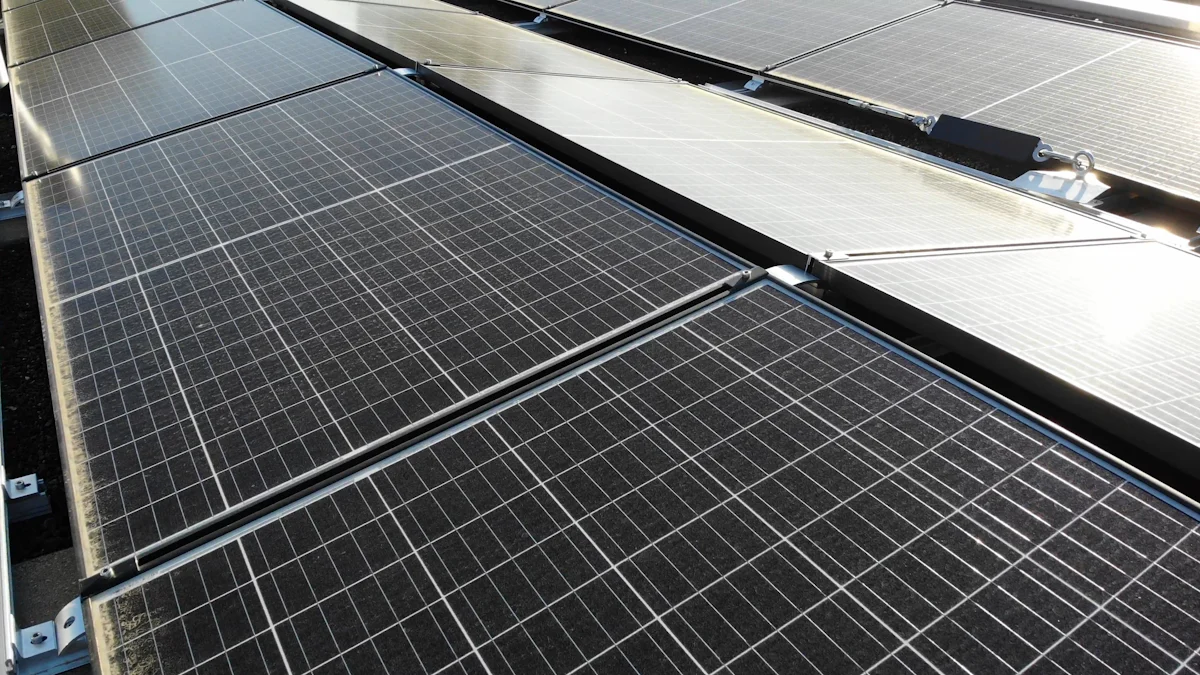
Not all MC4 connectors are the same. You might assume they are interchangeable, but differences in design and quality can affect performance. Compatibility in solar panel cable connectors ensures safe and efficient energy transfer. Using mismatched connectors can lead to overheating, power loss, or even system failure. Always prioritize compatibility.
Key Takeaways
- MC4 connectors are not always the same. Check if they fit to stop overheating and losing power.
- Pick strong MC4 connectors made with tough materials. This keeps them working well and safe for a long time.
- Install them the right way and check them often. Doing this keeps your solar system working well and saves money on fixes.
What Are MC4 Connectors in Solar Panel Cable Connectors?
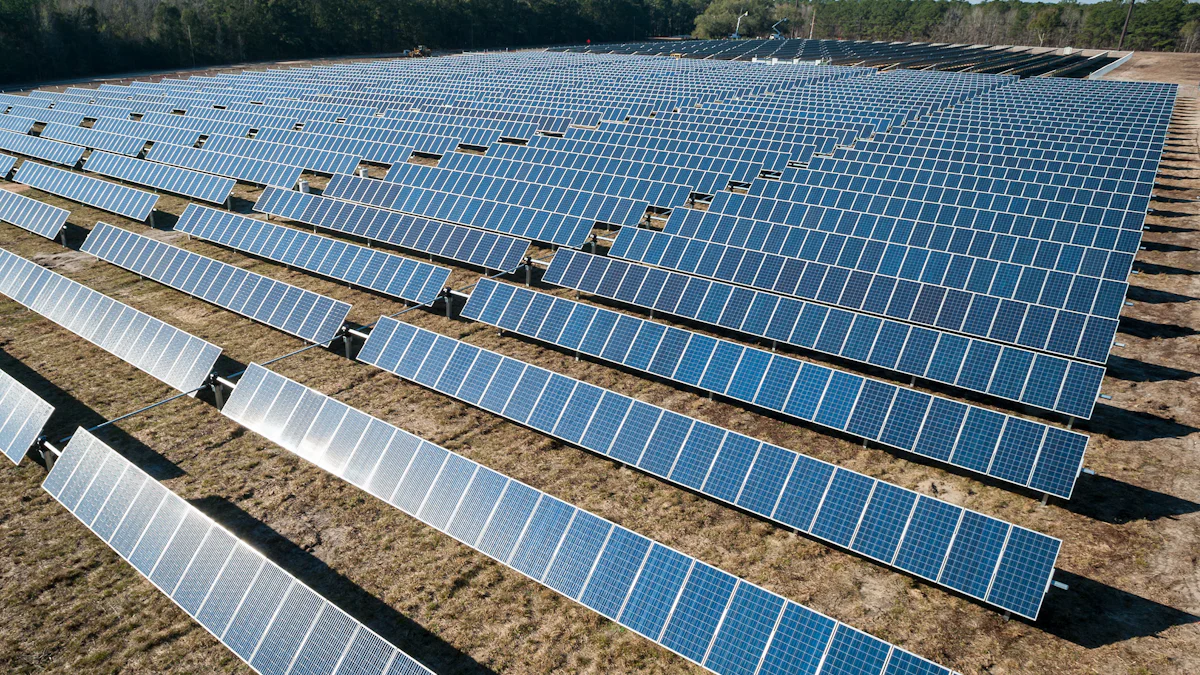
The role of MC4 connectors in solar panel systems
MC4 connectors play a critical role in connecting solar panels to the rest of your solar power system. These connectors ensure a secure and reliable connection between the panels and other components, such as inverters or charge controllers. They are designed to handle high-voltage electricity safely, which is essential for the efficient operation of your system.
You’ll find that MC4 connectors simplify the process of wiring solar panel cable connectors. They use a plug-and-play design, allowing you to connect and disconnect cables quickly without specialized tools. This feature makes them ideal for both residential and commercial solar installations. Their weatherproof construction also protects the electrical connections from rain, dust, and other environmental factors, ensuring long-term durability.
Benefits of MC4 connectors in solar installations
Using MC4 connectors in your solar installation offers several advantages. First, they improve safety by reducing the risk of loose or exposed wires. A secure connection minimizes the chances of electrical faults, which could lead to overheating or even fires. Second, they enhance efficiency by maintaining a stable flow of electricity between components.
Another benefit is their compatibility with most solar panel cable connectors. This standardization makes it easier for you to expand or modify your system in the future. Additionally, their robust design withstands harsh outdoor conditions, ensuring your solar system operates reliably for years. By choosing MC4 connectors, you invest in a safer, more efficient, and long-lasting solar power setup.
Are All MC4 Connectors the Same?
Standardization and variations in MC4 connectors
MC4 connectors follow a standard design to ensure compatibility across most solar systems. This standardization allows you to connect components from different manufacturers without much hassle. However, not all MC4 connectors are identical. Some manufacturers introduce slight variations in their designs. These differences might include unique locking mechanisms, pin sizes, or insulation materials. While these changes aim to improve performance or durability, they can sometimes create compatibility issues.
You should always verify whether a specific MC4 connector matches the requirements of your solar panel cable connectors. Even small design changes can affect how well the connectors fit together. Understanding these variations helps you avoid potential problems during installation.
Differences in design, quality, and durability
Not all MC4 connectors are built with the same level of quality. Some use high-grade materials like UV-resistant plastics and corrosion-resistant metals. Others might rely on cheaper materials that degrade faster under harsh conditions. You’ll notice that high-quality connectors often last longer and maintain a better connection over time.
Design also plays a role in durability. For example, some connectors feature enhanced waterproofing or reinforced locking clips. These features make them more reliable in extreme weather. Choosing a well-designed, durable connector ensures your solar system operates efficiently for years.
Why not all MC4 connectors are interchangeable
Although MC4 connectors look similar, they are not always interchangeable. Variations in pin size, locking mechanisms, or insulation can prevent a secure connection. Using incompatible connectors may lead to loose connections, which can cause overheating or power loss.
You should avoid mixing connectors from different manufacturers unless they explicitly state compatibility. Always check the specifications before making a purchase. This step ensures your solar panel cable connectors work safely and efficiently.
Compatibility of MC4 Connectors in Solar Panel Systems
Risks of mixing incompatible MC4 connectors
Mixing incompatible MC4 connectors can lead to serious problems in your solar power system. When connectors don’t fit properly, they create loose connections. These loose connections increase electrical resistance, which generates heat. Over time, this heat can damage the connectors or even cause a fire. You also risk losing power efficiency. Poor connections reduce the flow of electricity, which lowers the overall performance of your solar panels.
Incompatible connectors may also fail to maintain a waterproof seal. This failure allows moisture to enter, leading to corrosion or short circuits. These issues not only harm your system but also increase maintenance costs. Always ensure compatibility to avoid these risks.
How to check for compatibility between connectors
You can check compatibility by comparing the specifications of your MC4 connectors. Look at the pin size, locking mechanism, and insulation material. Manufacturers often provide detailed information about their connectors. Use this information to confirm if the connectors match.
Another way to test compatibility is by physically connecting the components. A proper fit should feel secure and lock into place without forcing. If you notice any gaps or loose connections, the connectors are likely incompatible. Always double-check before installation to ensure a safe and efficient setup.
Common issues caused by incompatible connectors
Incompatible connectors often cause overheating, which damages your solar panel cable connectors. This overheating can lead to melted plastic or burnt wires. You may also experience power loss due to poor electrical contact.
Water damage is another common issue. When connectors fail to seal properly, moisture enters and corrodes the metal parts. This corrosion weakens the connection and reduces the lifespan of your system. Addressing these problems early can save you from costly repairs or replacements.
Choosing the Right MC4 Connector for Your Solar Panel Cable Connectors
Factors to consider when selecting MC4 connectors
When choosing MC4 connectors, you need to evaluate several factors to ensure they meet your system’s requirements. Start by checking the voltage and current ratings. These ratings should match or exceed the specifications of your solar panel cable connectors. Next, examine the materials used. High-quality connectors often feature UV-resistant plastics and corrosion-resistant metals, which perform better in outdoor conditions.
Pay attention to the connector’s waterproof rating. Look for connectors with an IP67 or higher rating to protect against water and dust. Also, consider the locking mechanism. A secure locking system prevents accidental disconnections, ensuring a stable connection. Lastly, confirm compatibility with your existing components. Even slight differences in design can cause issues during installation.
Identifying high-quality MC4 connectors
High-quality MC4 connectors stand out due to their durability and performance. You can identify them by their certifications, such as TÜV or UL listings. These certifications indicate that the connectors meet safety and quality standards. Inspect the build quality. Reliable connectors have sturdy construction, smooth edges, and firm locking clips.
Another sign of quality is the use of premium materials. For example, connectors made with weather-resistant plastics and stainless steel components last longer. You should also check customer reviews. Positive feedback often highlights the reliability and longevity of the product.
Tips for purchasing from reliable manufacturers
Buying from reputable manufacturers ensures you get dependable MC4 connectors. Research brands known for producing high-quality solar components. Look for companies with a proven track record in the solar industry. Check if the manufacturer provides detailed product specifications and warranties. These features show confidence in their products.
You can also ask for recommendations from professionals or other solar system users. Trusted manufacturers often have excellent customer support, which can assist you in choosing the right connectors. Avoid unknown brands with limited information or poor reviews.
Best Practices for Safely Using and Maintaining MC4 Connectors
Proper installation techniques
Installing MC4 connectors correctly ensures your solar system operates safely and efficiently. Start by using the right tools, such as a crimping tool designed for MC4 connectors. Avoid makeshift tools, as they can damage the connectors. Strip the cable insulation carefully to expose the conductor without cutting any strands. Insert the conductor into the metal contact pin and crimp it securely. A loose crimp can cause overheating or power loss.
When connecting the male and female connectors, align them properly. Push them together until you hear a click, which confirms a secure lock. Double-check the connection by gently pulling on the cables. If they come apart, the locking mechanism may not be engaged. Always follow the manufacturer’s instructions for installation to avoid errors.
Tip: Wear insulated gloves during installation to protect yourself from accidental shocks.
Regular inspection and maintenance
Routine checks keep your MC4 connectors in good condition. Inspect the connectors for signs of wear, such as cracks, discoloration, or corrosion. Damaged connectors should be replaced immediately to prevent system failures. Check the locking mechanism to ensure it remains secure. Loose connections can lead to overheating or power loss.
Clean the connectors periodically to remove dirt or debris. Use a soft brush or cloth to wipe the surfaces. Avoid using water or harsh chemicals, as they can damage the connectors. Regular maintenance extends the lifespan of your solar system and ensures consistent performance.
Troubleshooting common issues with MC4 connectors
If your solar system isn’t performing as expected, the MC4 connectors might be the issue. Start by checking for loose or disconnected cables. Reconnect them securely if needed. Look for signs of overheating, such as melted plastic or burnt smells. Overheating often indicates a poor connection or incompatible connectors.
Inspect the connectors for moisture or corrosion. If you find water inside, dry the connectors thoroughly and replace any corroded parts. Test the electrical continuity using a multimeter to ensure proper current flow. Addressing these issues promptly prevents further damage and keeps your system running smoothly.
Note: Always disconnect your solar panels before troubleshooting to avoid electrical hazards.
Choosing the right MC4 connectors ensures your solar system operates safely and efficiently. Variations in design and quality mean not all connectors are interchangeable. Always verify compatibility before installation. Follow best practices like proper installation and regular maintenance. These steps protect your system, improve performance, and extend its lifespan.
Tip: Invest in high-quality connectors to avoid costly repairs later.
FAQ
What does MC4 stand for in solar connectors?
MC4 stands for "Multi-Contact, 4 millimeters." It refers to the connector's design, which ensures a secure and weatherproof connection for solar panel systems.
Can you reuse MC4 connectors after disconnecting them?
No, MC4 connectors are not reusable. Once crimped, they cannot be reassembled. You must use new connectors for any rewiring or replacements.
How do you safely disconnect MC4 connectors?
Use an MC4 disconnect tool. Insert the tool into the locking tabs, press firmly, and pull the connectors apart. Avoid using excessive force to prevent damage.