
 Send Email
 Whatsapp


What is the best cable wire for solar system?
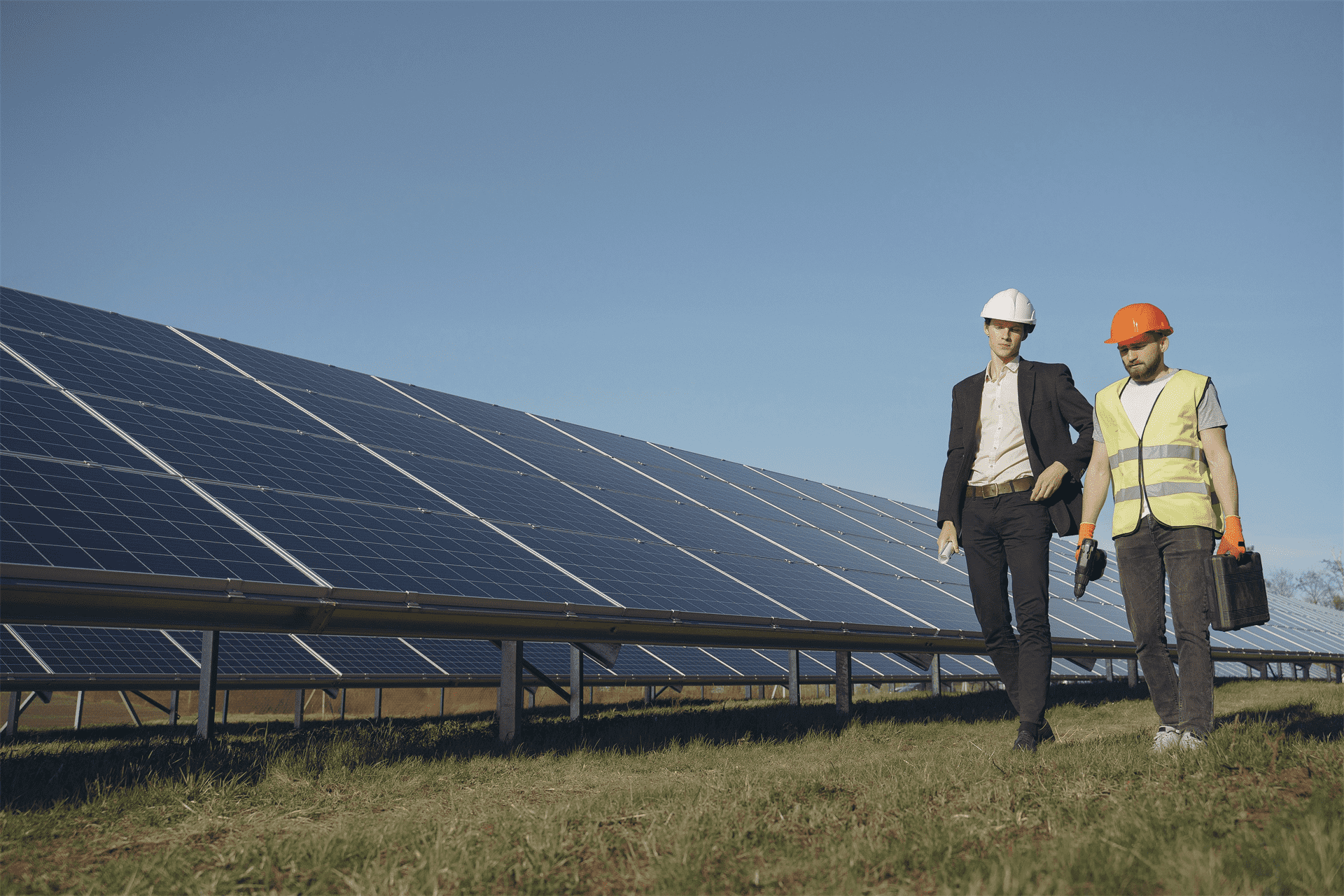
When setting up a solar power system, the type of wire you choose can make or break its performance. A high-quality Solar Cable ensures efficient energy transfer and keeps your system safe. Durable options like copper welding cable, marine-grade cable, or PV-rated solar cable are excellent for handling outdoor conditions and long-term use.
Key Takeaways
- Pick good-quality solar cables to move energy efficiently. Copper wires work best because they conduct electricity very well.
- Buy strong cables made for outdoor use. Find PV-rated solar cables that can handle sunlight and bad weather.
- Choose the correct wire thickness for your cables. Thicker wires carry more electricity and waste less energy, helping your solar system work better.
Key Factors to Consider for Solar Cables
Conductivity and Efficiency
When choosing a solar cable, conductivity is one of the most important factors. You want a cable that transfers electricity efficiently without losing power along the way. Copper cables are often the top choice because they have excellent conductivity. They ensure your solar panels deliver the maximum energy to your system.
Think about it this way: a cable with poor conductivity is like a leaky pipe. It wastes energy and reduces the overall efficiency of your solar setup. So, always check the material and quality of the cable before making a decision.
Durability and Longevity
Solar cables need to withstand tough conditions. They’re exposed to sunlight, rain, wind, and sometimes extreme temperatures. If the cable isn’t durable, it can wear out quickly and cause problems for your system.
Look for cables designed for outdoor use. PV-rated solar cables, for example, are built to last. They resist UV rays and harsh weather, making them a reliable choice for long-term use. Investing in durable cables saves you money and headaches down the road.
Flexibility for Installation
Installing solar cables can be tricky, especially if your setup involves tight spaces or unusual angles. Flexible Cables make the process much easier. They bend and twist without breaking, allowing you to fit them into challenging spots.
Copper welding cables are a great option here. They’re known for their flexibility and ease of handling. When you’re installing your solar system, you’ll appreciate how much simpler flexible cables make the job.
Cost Considerations
Cost is always a factor, but it’s important to balance price with quality. Cheaper cables might seem like a good deal, but they often lack durability or efficiency. Spending a little more upfront on high-quality solar cables can save you money in the long run.
Compare different options and think about the lifetime value of the cable. A durable, efficient cable might cost more initially, but it will reduce maintenance costs and improve your system’s performance over time.
Safety and Fire Resistance
Safety should never be overlooked. Solar cables carry electricity, and if they’re not designed properly, they can overheat or even cause fires. Look for cables with fire-resistant insulation and materials.
Many PV-rated solar cables meet strict safety standards. They’re designed to handle high temperatures and prevent electrical hazards. Choosing safe cables protects your home and gives you peace of mind.
Tip: Always check for certifications and compliance with electrical codes when buying solar cables. This ensures the cables meet safety requirements and work reliably.
Copper vs Aluminum for Solar Cables
When it comes to choosing the right material for your solar cables, you’ll often find yourself deciding between copper and aluminum. Both have their uses, but they perform very differently in solar systems. Let’s break it down so you can make the best choice for your setup.
Advantages of Copper Wires
Copper wires are the gold standard for solar systems—well, technically the copper standard! They’re highly conductive, which means they transfer electricity more efficiently than aluminum. This efficiency reduces energy loss, ensuring your solar panels deliver as much power as possible to your home or devices.
Another big plus is copper’s durability. It resists corrosion better than aluminum, even in harsh outdoor conditions. This makes it ideal for long-term use in a solar setup. Plus, copper wires are more flexible, which makes installation easier, especially if you’re working in tight spaces or need to bend the wires around obstacles.
Fun Fact: Copper has been used in electrical wiring for over a century because of its excellent conductivity and reliability. It’s a tried-and-true material that continues to outperform alternatives.
Limitations of Aluminum Wires
Aluminum wires might seem like a budget-friendly option, but they come with some trade-offs. For starters, aluminum isn’t as conductive as copper. This means you’ll need thicker aluminum wires to achieve the same efficiency, which can complicate installation and increase costs in the long run.
Aluminum is also less durable. It’s more prone to corrosion, especially when exposed to moisture. Over time, this can lead to performance issues or even safety hazards. Additionally, aluminum wires are less flexible than copper, making them harder to work with during installation.
While aluminum wires are lighter and cheaper upfront, their limitations often outweigh these benefits when it comes to solar systems.
Why Copper is Preferred for Solar Systems
So, why does copper win out for solar cables? It all comes down to performance, durability, and safety. Copper wires provide superior conductivity, which maximizes the efficiency of your solar system. They’re also built to last, resisting corrosion and wear even in tough outdoor environments.
Safety is another key factor. Copper wires handle heat better than aluminum, reducing the risk of overheating or fire. This makes them a safer choice for carrying the electrical load of a solar system.
In short, copper wires might cost more upfront, but they offer better value over time. They ensure your solar system runs efficiently, safely, and reliably for years to come.
Tip: When shopping for solar cables, always check the material. Look for high-quality copper wires to get the best performance and durability for your system.
Insulation and Environmental Suitability of Solar Cables
Importance of Insulation Types
The insulation on a solar cable plays a huge role in its performance and safety. It protects the wire from damage and prevents electrical shocks. Without proper insulation, your cables could wear out quickly or even cause dangerous short circuits.
When choosing a cable, look for insulation materials designed for outdoor use. For example, cross-linked polyethylene (XLPE) is a popular choice. It’s tough, long-lasting, and can handle high temperatures. Insulation isn’t just about safety—it also ensures your solar system runs smoothly for years.
UV Resistance and Outdoor Durability
Solar cables spend most of their time exposed to the sun. That’s why UV resistance is a must. Without it, the cable’s outer layer can crack or degrade over time. This leads to performance issues and costly repairs.
You’ll want to pick cables specifically rated for UV resistance. These cables are built to handle constant sunlight without breaking down. They’re also more durable against other outdoor elements like rain and wind.
Tip: Always check the cable’s specifications for UV resistance before making a purchase. It’s a small detail that makes a big difference.
Temperature Tolerance and Weather Resistance
Solar cables need to handle extreme temperatures. Whether it’s freezing winters or scorching summers, the cables should perform reliably. High-quality cables are designed to tolerate a wide range of temperatures without losing efficiency.
Weather resistance is equally important. Rain, snow, and humidity can all impact a cable’s lifespan. Look for cables with weatherproof insulation to keep your system running smoothly, no matter the conditions.
Gauge Size and Length of Solar Cables

How to Determine the Correct Gauge Size
Choosing the right gauge size for your solar cables is crucial. The gauge size refers to the thickness of the wire, and it directly affects how much electricity the cable can handle. Thicker wires (lower gauge numbers) can carry more current without overheating or losing power.
To figure out the correct gauge size, you’ll need to consider two things: the amount of current your system generates and the distance the electricity needs to travel. For example, if your solar panels produce a lot of energy or the cables need to run a long way, you’ll want a thicker wire.
Tip: Use an online wire gauge calculator to simplify the process. Just input your system’s voltage, current, and cable length, and it’ll recommend the right gauge size for you.
Impact of Wire Length on Performance
The length of your solar cables plays a big role in how well your system performs. Longer cables create more resistance, which can reduce the amount of electricity that reaches your devices. This means your solar panels might not work as efficiently as they should.
If your setup requires long cables, you’ll need to compensate by using thicker wires. This helps minimize resistance and ensures your system delivers the power you need.
Voltage Drop and Efficiency
Voltage drop happens when electricity loses power as it travels through the cables. It’s a natural part of any electrical system, but too much voltage drop can hurt your solar system’s efficiency.
To keep voltage drop low, choose cables with the right gauge size and keep the length as short as possible. Experts recommend keeping voltage drop below 3% for optimal performance.
Remember: A small investment in the right cables can make a big difference in how much energy your solar system produces. Don’t overlook this detail!
Safety and Reliability of Solar Cables
Fire Resistance and Overheating Prevention
Safety starts with choosing cables that can handle heat. Solar cables carry electricity, and if they overheat, they can cause serious problems like fires. You need cables with fire-resistant insulation to keep your system safe.
Look for materials like cross-linked polyethylene (XLPE) or thermoplastic elastomers (TPE). These materials resist high temperatures and prevent overheating. They also protect the cable from wear and tear, especially in outdoor conditions.
Tip: Check the cable’s temperature rating before buying. A higher rating means the cable can handle more heat without breaking down.
Compliance with Electrical Codes
Electrical codes exist for a reason—they keep your system safe and reliable. When choosing solar cables, make sure they meet local and international standards. This ensures the cables are designed to handle the electrical load and environmental conditions of your setup.
Some common certifications to look for include UL (Underwriters Laboratories) and IEC (International Electrotechnical Commission). These certifications guarantee the cable meets strict safety requirements.
Note: Using cables that don’t comply with codes can lead to fines or even system failure. Always double-check the labels and specifications.
Importance of Professional Installation
Even the best cables won’t perform well if they’re installed incorrectly. Professional installation ensures your solar system runs efficiently and safely. Experts know how to handle tricky setups, avoid mistakes, and follow electrical codes.
DIY installation might seem tempting, but it can lead to problems like loose connections or voltage drop. Hiring a professional saves you time and prevents costly repairs.
Emoji Reminder: ⚡ A properly installed solar system is not just efficient—it’s safe for your home and family!
Choosing the right solar cable makes all the difference in your system’s performance and safety. Copper welding cable, marine-grade cable, and PV-rated solar cable are your best bets. Focus on insulation, gauge size, and environmental conditions. Always prioritize safety and follow electrical codes to keep your solar setup efficient and reliable.
FAQ
What happens if I use the wrong gauge size for my solar cables?
Using the wrong gauge size can cause overheating, energy loss, or even damage to your system. Always match the gauge to your system’s requirements.
Can I use regular electrical wires for my solar system?
No, regular wires lack the durability and insulation needed for outdoor conditions. Use PV-rated solar cables designed specifically for solar systems.
How do I know if a solar cable is UV-resistant?
Check the cable’s specifications or packaging. Look for labels like “UV-resistant” or certifications that confirm it’s suitable for outdoor use.
Tip: Always choose cables rated for outdoor durability to avoid costly replacements.