

 Send Email
 Whatsapp


What is the maximum cable length for solar panel?
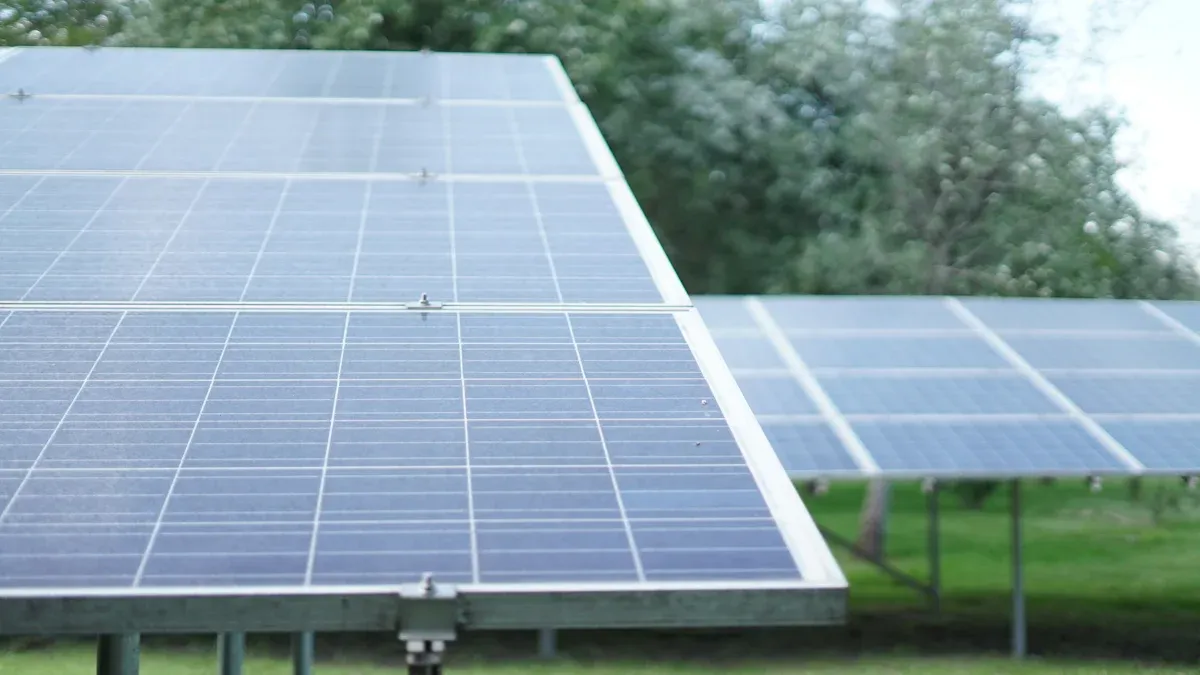
The length of a Solar Cable plays a crucial role in your solar panel system's performance. Longer cables can lead to voltage drops, reducing efficiency. You must choose the right wire gauge and ensure proper installation to maintain safety and effectiveness. Keeping voltage drop below 3% is essential for optimal energy output.
Key Takeaways
- Keep cables shorter than 50 feet for home solar systems. This helps reduce energy loss and improves efficiency.
- Use thicker wires with smaller gauge numbers for longer cables. This lowers voltage drop and delivers more power.
- Check and maintain solar cables often to avoid damage. This keeps your solar system safe and working well.
Key Factors Affecting Solar Cable Length
Voltage Drop and Efficiency
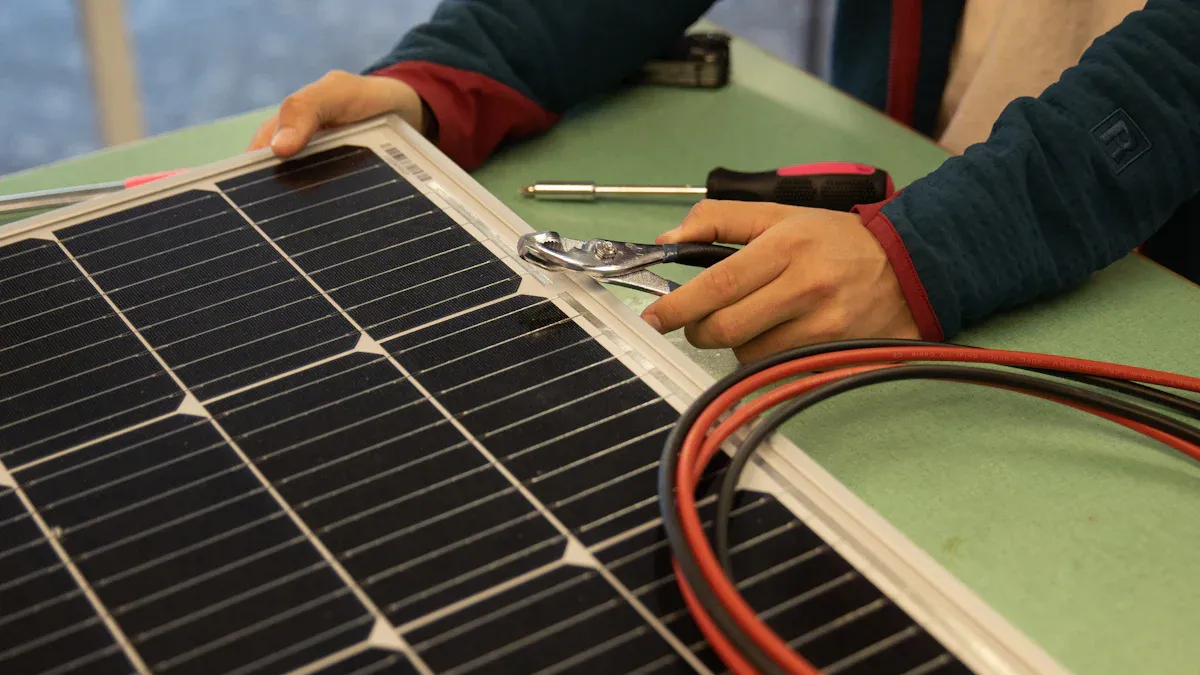
Voltage drop occurs when electricity travels through a cable, losing some of its energy as heat. This loss reduces the efficiency of your solar panel system. Longer cables increase the voltage drop, which can lead to significant energy loss. To minimize this, you should aim to keep the voltage drop below 3%. Shorter cables or thicker wires can help reduce this issue. By managing voltage drop effectively, you ensure that your solar panels deliver maximum power to your system.
Wire Gauge and Cable Thickness
The thickness of a solar cable, also known as its wire gauge, directly affects its ability to carry electricity over long distances. Thicker cables have lower resistance, which helps reduce voltage drop. For longer cable runs, you should use a lower gauge number, as these wires are thicker and more efficient. For example, a 10-gauge wire is thinner than an 8-gauge wire. Choosing the right wire gauge ensures that your system operates efficiently and safely.
Material and Resistance Considerations
The material of the solar cable also plays a crucial role in its performance. Copper wires are commonly used because they have low resistance and excellent conductivity. Aluminum wires, while cheaper, have higher resistance and may not perform as well over long distances. You should also consider the insulation quality of the cable to protect it from environmental factors like heat and moisture. Using high-quality materials ensures durability and optimal performance.
Practical Guidelines for Solar Cable Installation
Recommended Cable Lengths for Residential Systems
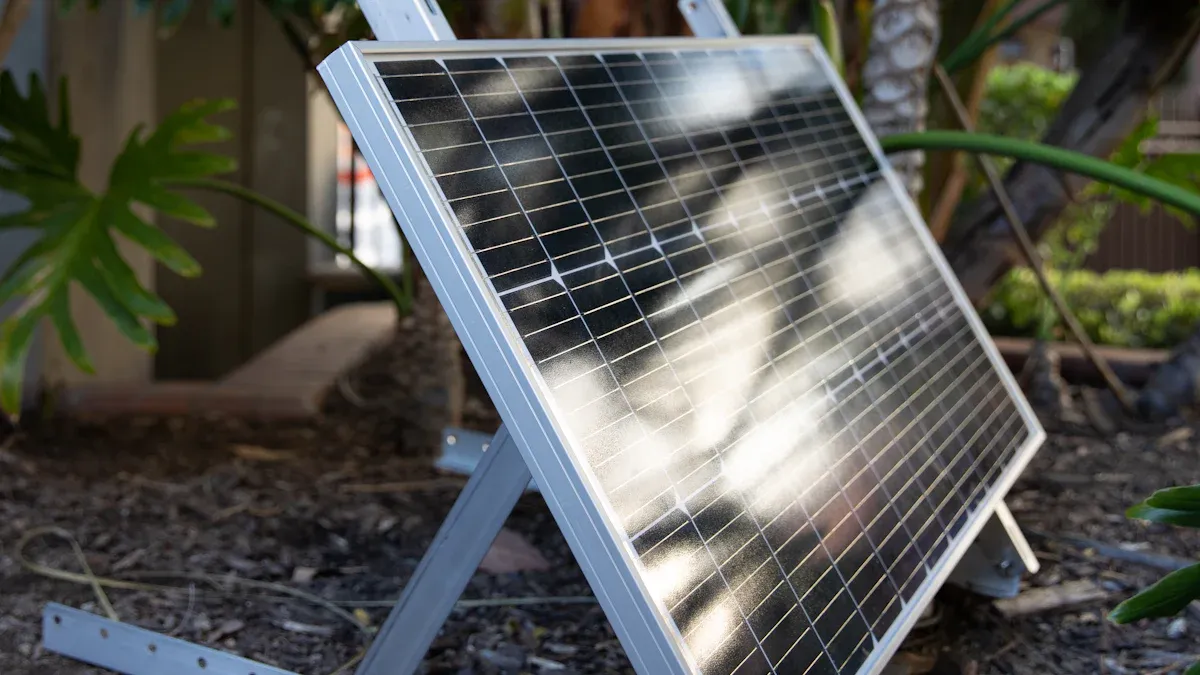
For residential solar panel systems, keeping cable lengths short is crucial. Shorter cables reduce energy loss and improve efficiency. Ideally, you should aim for cable lengths under 50 feet for most setups. This distance works well for systems with standard voltages like 12V or 24V. If your panels are farther from the inverter or battery, consider using thicker cables to minimize voltage drop. Always check the specifications of your system to determine the best cable length for your needs.
Commercial and Off-Grid System Considerations
Commercial and off-grid systems often require longer cable runs due to their larger setups. These systems typically operate at higher voltages, such as 48V or more, which helps reduce voltage drop over long distances. For off-grid systems, you might need to run cables hundreds of feet to connect panels to batteries or inverters. In such cases, using high-quality solar cables with lower resistance becomes essential. You should also plan the layout carefully to avoid unnecessary cable lengths.
Tip: When planning long cable runs, always calculate the voltage drop to ensure your system remains efficient.
Using Larger Gauge Wires for Longer Runs
Longer cable runs demand thicker wires. Larger gauge wires, such as 6-gauge or 4-gauge, can handle more current with less resistance. This reduces voltage drop and ensures your solar panels deliver maximum power. While thicker wires cost more, they save energy in the long run. You should always match the wire gauge to the length of the cable and the system's voltage requirements. This approach ensures both safety and efficiency.
Ensuring Efficiency and Safety
Tips for Reducing Voltage Drop
Reducing voltage drop ensures your solar panel system operates efficiently. You can achieve this by using shorter cables whenever possible. Shorter distances mean less resistance and energy loss. Another effective method is selecting thicker wires with a lower gauge number. These wires handle electricity better over long distances. Increasing the system voltage also helps. Higher voltages reduce the current, which minimizes voltage drop. Always calculate the voltage drop before finalizing your setup to ensure optimal performance.
Proper Installation of Solar Cables
Proper installation of solar cables is essential for both safety and efficiency. Start by securing the cables to prevent movement or damage. Loose cables can wear out faster and cause energy loss. Use high-quality connectors to ensure a strong and stable connection. Poor connections can lead to overheating or power interruptions. Keep the cables away from sharp edges or surfaces that might cause cuts or abrasions. Protecting the cables from harsh weather conditions, such as extreme heat or moisture, also extends their lifespan.
Maintenance to Prevent Cable Issues
Regular maintenance keeps your solar cables in good condition. Inspect the cables periodically for signs of wear, such as cracks or fraying. Damaged cables should be replaced immediately to avoid safety hazards. Clean the connectors to remove dirt or corrosion that might affect performance. Check for any loose connections and tighten them as needed. By maintaining your cables, you ensure your solar panel system continues to operate efficiently and safely.
The maximum cable length for solar panels depends on factors like voltage drop, wire gauge, and system requirements.
- Keep voltage drop below 3% to maintain efficiency.
- Use the correct cable type for safety and performance.
Proper planning, installation, and regular maintenance ensure your solar system operates efficiently, even with longer cable runs.
FAQ
How do you calculate voltage drop for solar cables?
Use the formula:Voltage Drop = (Current × Distance × Resistance per unit length) ÷ 1000.
This helps you determine energy loss over cable runs.
Can you use aluminum cables for solar panels?
Yes, but copper cables perform better. Aluminum has higher resistance, which increases voltage drop. Use aluminum only if cost is a major concern and distances are short.
What happens if the cable length exceeds recommendations?
Longer cables cause higher voltage drops, reducing system efficiency. This can lead to energy loss and overheating. Always calculate voltage drop to avoid performance issues.
Tip: Use online voltage drop calculators for quick and accurate results.