
 Send Email
 Whatsapp


How to Choose the Right Solar Cable for Your PV System (2026 Guide)

Choosing the right Solar Cable is crucial for your system's performance. The correct cable enhances efficiency and ensures safety. Poor choices can lead to energy losses or even hazards. You must comply with industry standards to maintain quality and reliability in your solar installation.
Key Takeaways
- Choose the right type of solar cableto improve your system's efficiency and safety. PV Wire is often the best option due to its durability.
- Consider key factors like cable size, temperature rating, and environmental resistance when selecting solar cables. These factors ensure safe and effective performance.
- Follow proper installation tips, such as planning your layout and securing cables, to enhance the longevity and efficiency of your solar system.
Types of Solar Cables

When selecting solar cables for your photovoltaic (PV) system, you will encounter several types. Each type serves a specific purpose and has unique characteristics. Here are the most common types of solar cables:
-
PV Wire: This type is designed specifically for solar applications. It has excellent resistance to UV rays and extreme temperatures. PV wire is durable and can withstand harsh environmental conditions.
-
USE-2 Cable: This cable is suitable for direct burial. It is also resistant to moisture and sunlight. USE-2 cables are often used in residential solar installations.
-
Solar Extension Cables: These cables connect solar panels to inverters or batteries. They come in various lengths and help you reach the necessary distances without losing efficiency.
-
MC4 Connectors: While not a cable, these connectors are essential for linking solar panels. They ensure a secure and weatherproof connection.
Tip: Always choose cables that meet the National Electrical Code (NEC) standards. This ensures safety and compliance with regulations.
Selecting the right type of solar cable can significantly impact your system's performance. Make sure to consider the specific needs of your installation. By understanding the different types of cables available, you can make informed decisions that enhance your solar energy system.
Key Factors for Solar Cable Selection
When you choose a solar cable for your PV system, consider several key factors. These factors will help you make the best decision for your installation. Here are the most important aspects to keep in mind:
-
Cable Size: The size of the cable affects its ability to carry current. A larger diameter allows more current to flow without overheating. You should calculate the current your system will produce and select a cable size that can handle it safely.
-
Temperature Rating: Solar cables must withstand high temperatures. Look for cables with a temperature rating of at least 90°C (194°F). This rating ensures that the cable can handle heat from sunlight and electrical resistance.
-
Voltage Rating: Ensure the cable can handle the maximum voltage of your system. Most solar installations operate at 600V or 1000V. Choose a cable with a voltage rating that exceeds your system's maximum voltage to ensure safety.
-
Environmental Resistance: Your solar cable will face various environmental conditions. Look for cables that resist UV rays, moisture, and extreme temperatures. This resistance will prolong the life of your cables and maintain system efficiency.
-
Conductor Material: Most solar cables use copper or aluminum conductors. Copper offers better conductivity and is more durable than aluminum. However, aluminum cables are lighter and often less expensive. Choose the material that best fits your needs and budget.
Tip: Always consult with a professional if you are unsure about the specifications. They can help you select the right solar cable for your specific installation.
By considering these factors, you can choose a solar cable that enhances the performance and safety of your PV system. Making an informed decision will lead to a more efficient solar energy setup.
Installation Tips for Solar Cables
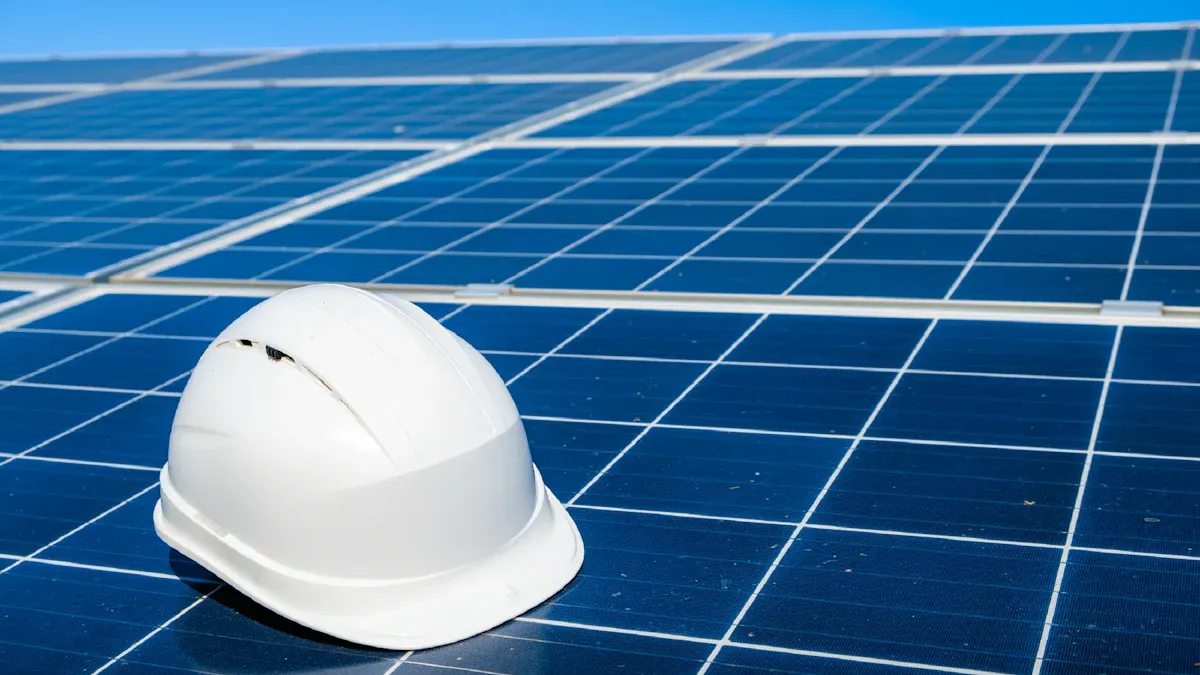
Proper installation of solar cables is essential for the efficiency and safety of your photovoltaic (PV) system. Follow these tips to ensure a successful installation:
-
Plan Your Layout: Before you start, map out the cable routes. Consider the distance between solar panels, inverters, and batteries. This planning helps you avoid unnecessary bends and kinks in the cables.
-
Use the Right Tools: Gather all necessary tools before beginning. You will need wire cutters, strippers, and crimping tools. Having everything ready saves time and ensures a smoother installation process.
-
Avoid Sharp Bends: When installing solar cables, avoid sharp bends. Cables can become damaged if bent too tightly. Maintain a gentle curve to protect the integrity of the cable.
-
Secure Cables Properly: Use cable ties or clips to secure the cables along their route. This prevents movement and reduces the risk of wear and tear. Ensure that the cables are not too tight, allowing for some flexibility.
-
Check Connections: After installation, double-check all connections. Loose connections can lead to energy losses or even electrical hazards. Ensure that all connectors are secure and properly seated.
-
Protect Against Weather: If your cables are exposed to the elements, consider using protective conduits. This extra layer shields the cables from UV rays, moisture, and physical damage.
-
Follow Local Codes: Always adhere to local electrical codes and regulations. These codes ensure safety and compliance with industry standards. Consult a professional if you are unsure about any requirements.
Tip: Regularly inspect your solar cables for signs of wear or damage. Early detection can prevent costly repairs and ensure your system operates efficiently.
By following these installation tips, you can enhance the performance and longevity of your solar cable system. A well-installed system not only maximizes energy production but also ensures safety for you and your property.
Compliance and Standards for Solar Cables
When you install solar cables, compliance with industry standards is vital. These standards ensure safety and efficiency in your photovoltaic (PV) system. Here are some key regulations and guidelines to consider:
-
National Electrical Code (NEC): This code outlines the minimum safety standards for electrical installations in the United States. It includes specific requirements for solar cables, ensuring they can handle the electrical load safely.
-
Underwriters Laboratories (UL) Certification: Look for solar cables that have UL certification. This certification indicates that the cables meet rigorous safety and performance standards. It provides peace of mind that your installation is safe.
-
International Electrotechnical Commission (IEC) Standards: If you are outside the U.S., IEC standards may apply. These international standards cover various aspects of solar cable performance, including temperature ratings and environmental resistance.
-
Local Regulations: Always check local building codes and regulations. These rules may have additional requirements for solar installations. Compliance with local laws ensures that your system is legal and safe.
Tip: Regularly review and stay updated on compliance standards. Changes in regulations can affect your installation and its safety.
By adhering to these compliance standards, you can enhance the reliability and safety of your solar cable system. This diligence not only protects your investment but also contributes to the overall success of your solar energy project.
Choosing the right solar cable boosts your system's efficiency and safety. Regular maintenance and inspections keep your cables in top condition. Stay informed about industry standards to ensure compliance and reliability. Your proactive approach will enhance the performance of your solar energy system. 🌞
FAQ
What is the best type of solar cable for my system?
PV wire is often the best choice due to its UV resistance and durability in harsh conditions.
How often should I inspect my solar cables?
Inspect your solar cables at least once a year to check for wear, damage, or loose connections.
Can I use regular electrical wire for solar installations?
No, regular electrical wire lacks the necessary UV and temperature resistance for solar applications.