
 Send Email
 Whatsapp


UV-Resistant DC Photovoltaic Cables: Why They Matter for Solar Farms
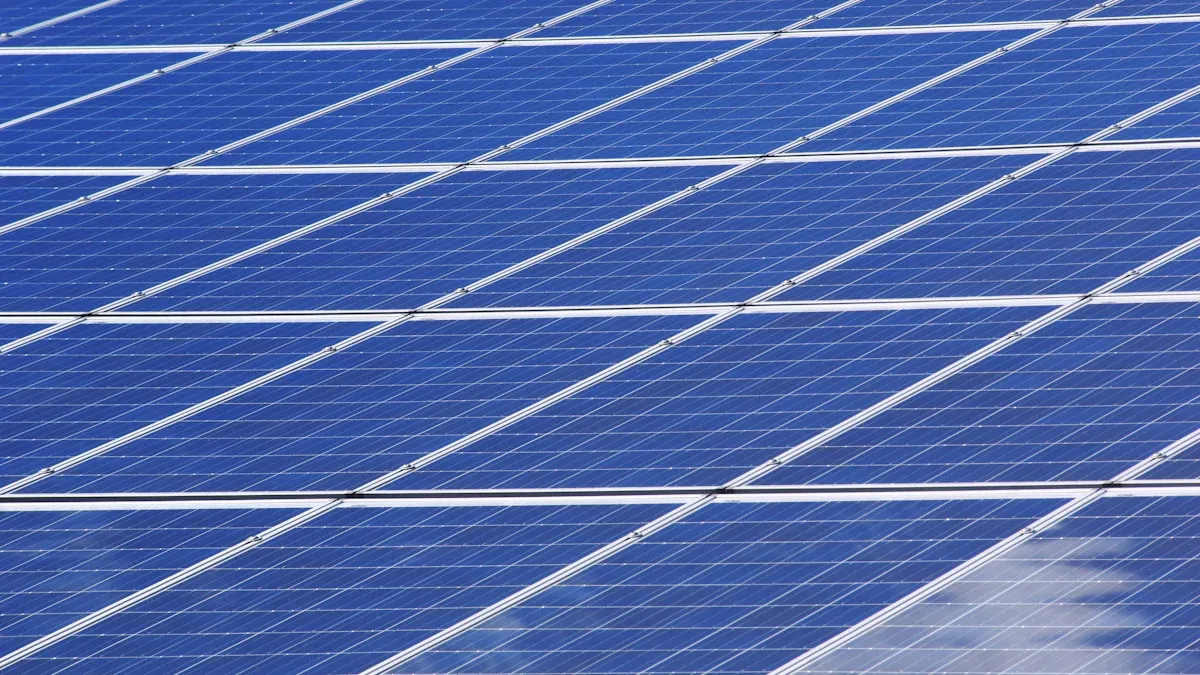
UV-resistant DC Photovoltaic Cables ensure the long-term operational integrity of solar farms. Investing in a UV-resistant DC cable directly enhances system reliability. It also mitigates operational risks. The choice of cable significantly impacts a solar farm's efficiency and overall lifespan.
Key Takeaways
- UV-resistant cables protect solar farms. They stop sunlight from damaging cables. This keeps the farm working well for a long time.
- These special cables make solar farms safer. They prevent electrical problems. This protects equipment and people.
- Choosing UV-resistant cables saves money over time. They last longer. This means fewer repairs and more power produced.
The Imperative of UV-Resistant DC Cables for Solar Farm Longevity
Understanding UV Degradation in Standard Cables
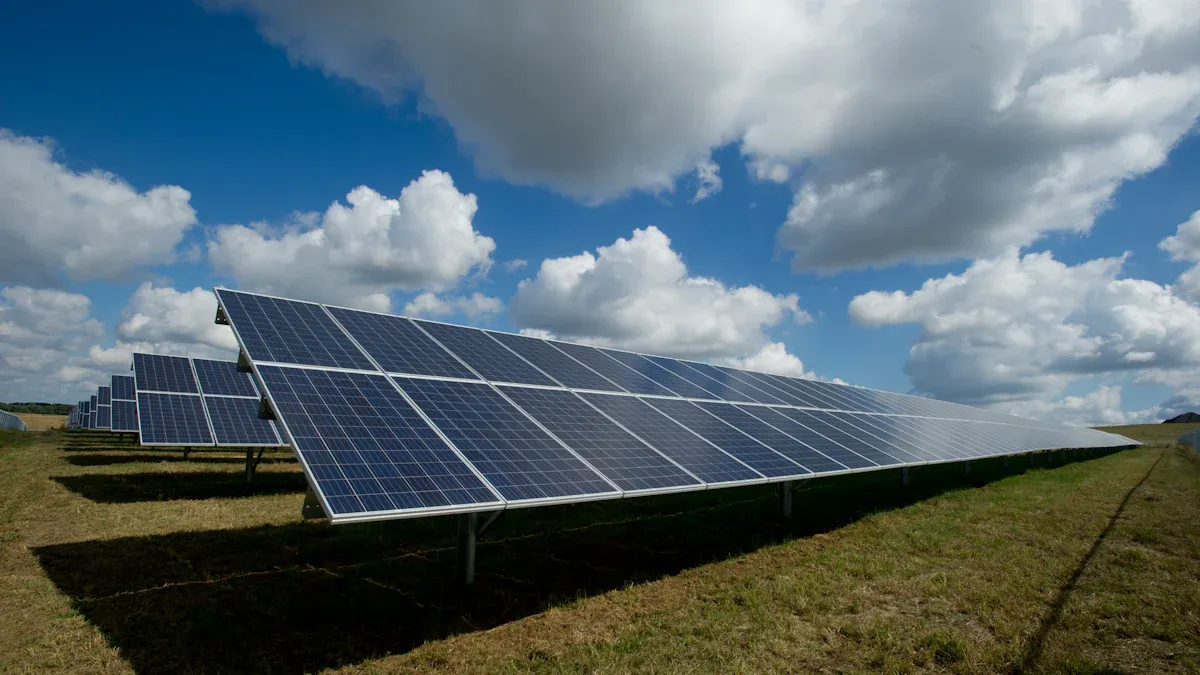
Solar farms operate under constant exposure to sunlight. This exposure includes ultraviolet (UV) radiation. Standard electrical cables, not designed for such conditions, suffer from UV degradation. UV rays break down the molecular bonds within the cable's outer jacket and insulation materials. Common materials like PVC (polyvinyl chloride) become brittle and crack over time. Discoloration also occurs, indicating material breakdown. This process weakens the cable's protective layers. The cable loses its flexibility and structural integrity. This degradation compromises the cable's ability to protect the internal conductors.
Consequences of Cable Deterioration on Performance
Cable deterioration directly impacts a solar farm's performance. Cracked or brittle insulation exposes the conductors to environmental elements like moisture and dust. This exposure leads to increased electrical resistance within the cable. Higher resistance causes power loss, reducing the amount of electricity the solar panels generate. The system's overall efficiency decreases. Deteriorated cables can also cause intermittent power transmission. This results in unpredictable energy output. Such inconsistencies make grid integration challenging and reduce the farm's profitability. A compromised cable system undermines the entire investment in solar energy production.
Safety Risks from Compromised Cable Insulation
Compromised cable insulation poses significant safety risks. When insulation degrades, it no longer effectively isolates the electrical conductors. This creates a pathway for electricity to escape, leading to short circuits or ground faults. These electrical faults can cause severe damage to equipment. They also present a serious fire hazard. Exposed conductors increase the risk of electric shock for personnel working on the farm. Ensuring the safety of both equipment and human life is paramount. Therefore, using a high-quality UV-resistant DC cable becomes essential. It prevents these dangerous scenarios and maintains a safe operational environment.
Maximizing Solar Farm Performance with UV-Resistant DC Cables

Extended Lifespan and Reduced Maintenance
UV-resistant DC cables significantly extend a solar farm's operational life. These specialized cables resist the damaging effects of constant sunlight exposure. They do not become brittle or crack like standard cables. This durability means fewer cable failures over time. Solar farm operators avoid frequent and costly replacements. Maintenance teams spend less time troubleshooting and repairing damaged wiring. This reduction in maintenance tasks saves labor costs and minimizes downtime. A longer-lasting cable system ensures the solar farm produces energy consistently for many years. This directly contributes to the project's long-term financial success.

Sustaining Optimal Power Transmission
High-quality UV-resistant DC cables are crucial for maintaining efficient power transmission. Their robust insulation remains intact, protecting the internal conductors from environmental damage. This prevents increases in electrical resistance. When resistance stays low, the cables efficiently carry electricity from the solar panels to the inverters. This ensures minimal power loss during transmission. The solar farm consistently delivers its maximum potential output. Stable and optimal power transmission leads to predictable energy generation. This reliability is vital for meeting energy demands and maximizing revenue from electricity sales.

Meeting Industry Standards and Certifications
Selecting UV-resistant DC cables that meet industry standards is essential. Organizations like UL (Underwriters Laboratories) and TÜV Rheinland provide certifications for photovoltaic cables. These certifications confirm the cables have undergone rigorous testing. They ensure the cables can withstand harsh environmental conditions, including intense UV radiation. Using certified cables guarantees they meet specific performance and safety requirements. This compliance is often mandatory for project approval, insurance coverage, and grid connection. It also assures investors and stakeholders of the solar farm's quality and reliability. Choosing certified cables protects the investment and ensures the solar farm operates safely and efficiently for its entire lifespan.
Strategic Selection of UV-Resistant DC Photovoltaic Cables
Key Material Considerations for UV Protection
The cable's outer jacket is its first defense against UV rays. Manufacturers select specific materials for this purpose. Cross-linked polyethylene (XLPE) is a popular choice. It shows strong resistance to UV radiation. Ethylene propylene rubber (EPR) also provides excellent protection. These materials possess stable molecular structures. They resist breakdown from constant sunlight exposure. Some cables incorporate polymer blends. These blends often contain UV stabilizers. Stabilizers absorb harmful UV light. They prevent damage to the cable's internal components. Selecting the correct material ensures the cable's long-term durability and performance.
Evaluating Certifications and Testing
Certifications are crucial indicators of a cable's quality. Look for labels from reputable organizations. UL (Underwriters Laboratories) and TÜV Rheinland are prime examples. These bodies subject cables to rigorous testing. They conduct UV aging tests. Cables must withstand intense simulated sunlight for extended periods. They also check for resistance to extreme temperatures and moisture. These tests confirm the cable meets strict industry standards. Certified cables offer proven reliability. They also guarantee safety for the solar farm's operations.
Long-Term Value Versus Initial Investment
UV-resistant DC cables typically have a higher upfront cost. This price reflects their advanced materials and specialized manufacturing. However, they deliver significant long-term value. Standard cables degrade quickly under UV exposure. They often require frequent replacement. This leads to increased maintenance expenses and operational downtime. A durable UV-resistant DC cable minimizes these costs. It ensures consistent power output over decades. It also prevents potential safety hazards. The initial investment in a high-quality UV-resistant DC cable pays off through an extended lifespan and reduced operational expenditures. This makes it a strategic and cost-effective choice for any solar farm.
UV-resistant DC photovoltaic cables are essential for successful solar farm operations. Prioritizing high-quality UV-resistant DC cables protects investments. They ensure sustainable energy production. The long-term benefits in performance, safety, and cost-effectiveness justify this important investment.
FAQ
What is UV degradation?
UV degradation happens when sunlight's ultraviolet rays break down cable materials. This makes the cables brittle. They can also crack. This process reduces the cable's protective ability.
Why do UV-resistant cables cost more?
UV-resistant cables use advanced materials. They also involve specialized manufacturing processes. These factors increase the initial price. However, they offer long-term value and durability.
What certifications prove cable quality?
Look for UL and TÜV Rheinland certifications. These labels show rigorous testing. They confirm the cable meets industry standards. These certifications ensure reliability and safety.