

 Send Email
 Whatsapp


Where do solar panel cables go?
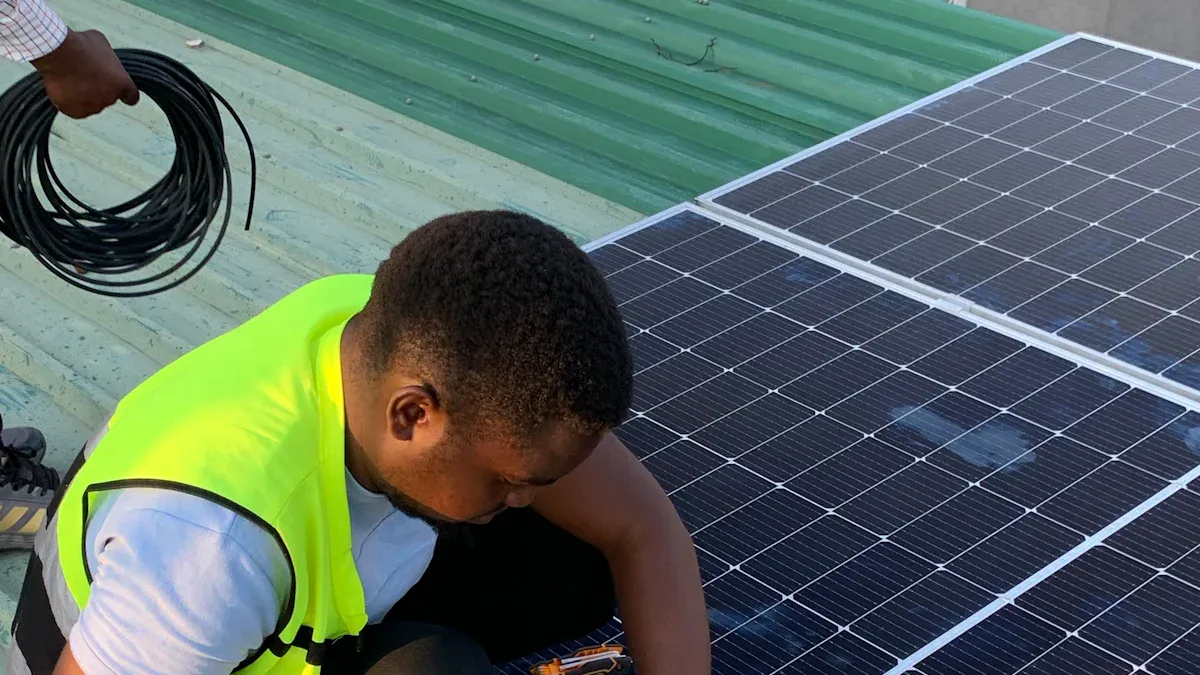
A Solar Cable carries the electricity generated by your solar panels to the system's essential components. These cables connect to inverters, batteries, or even the grid. Effective cable management improves efficiency and keeps your system safe. It also extends the lifespan of your solar energy setup, ensuring reliable performance for years.
Key Takeaways
- Solar cables link panels to inverters, batteries, and the grid.
- Good cables stop energy loss and keep the system safe.
- Check cables often for damage to keep them working well.
Types of Solar Panel Cables
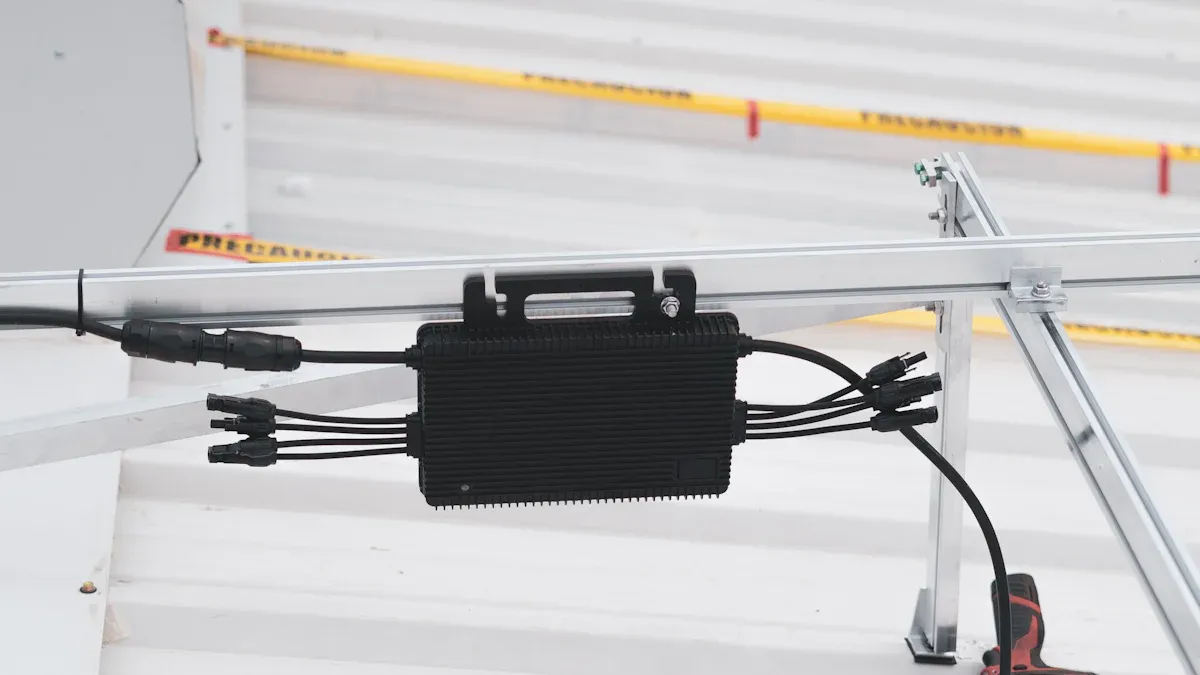
Understanding the types of cables in your solar energy system helps you ensure proper installation and performance. Each type of cable serves a specific purpose, contributing to the overall efficiency and safety of your setup.
PV Wires
Photovoltaic (PV) wires connect your solar panels to other components in the system. These wires are designed to handle high voltage and withstand harsh outdoor conditions. They feature thick insulation that protects against UV rays, moisture, and temperature changes. You’ll often see PV Wires used in both residential and commercial solar installations. Their durability ensures that electricity flows efficiently from the panels to the inverter.
Grounding Wires
Grounding wires play a critical role in keeping your solar system safe. They provide a path for excess electricity to travel to the ground during a fault or lightning strike. This prevents damage to your equipment and reduces the risk of electrical shock. Grounding wires are typically made of copper and are connected to a grounding rod or plate. Without proper grounding, your solar energy system could face serious safety hazards.
String Cables and Battery Cables
String cables link multiple solar panels together in a series or parallel configuration. These cables ensure that electricity from all the panels combines and flows to the inverter. On the other hand, battery cables connect your solar system to energy storage units. They are thicker and designed to handle higher currents. If your system includes batteries, these cables are essential for storing and retrieving energy efficiently.
Tip: Always use high-quality cables to maximize the lifespan of your solar energy system. Poor-quality cables can lead to energy loss and safety issues.
Cable Routing in a Solar Energy System
From Solar Panels to the Inverter
The journey of electricity begins at the solar panels. From there, the energy flows through a solar cable to the inverter. This cable carries the direct current (DC) electricity generated by the panels. The inverter then converts this DC electricity into alternating current (AC), which powers your home or business.
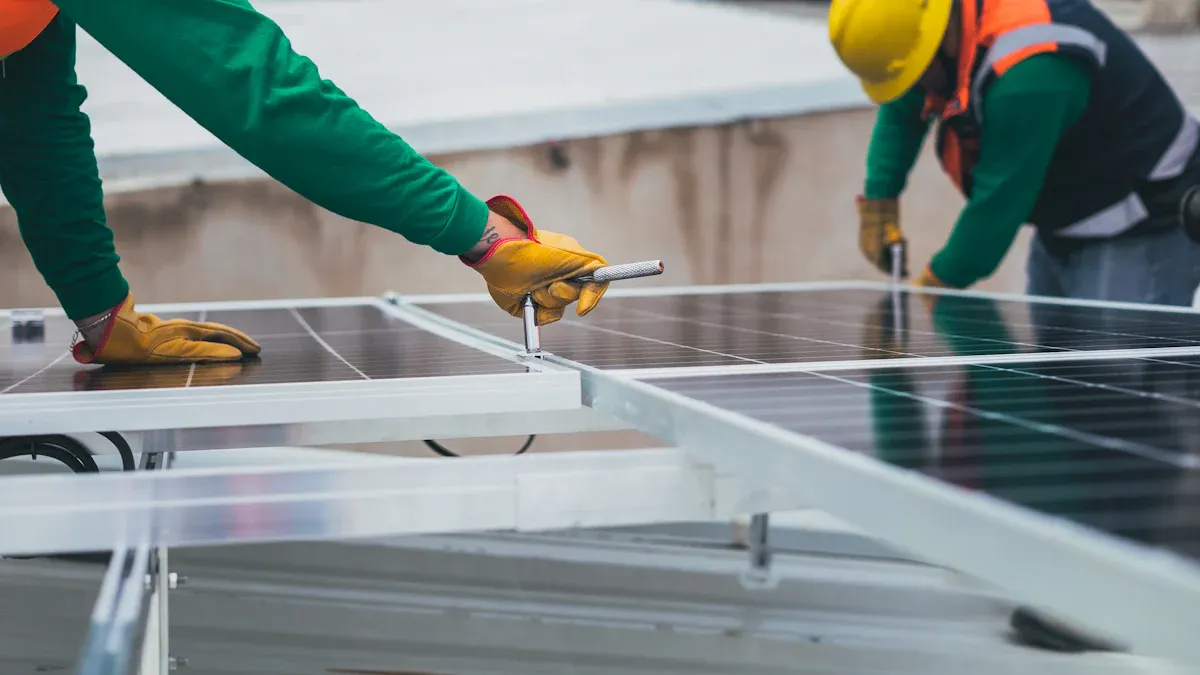
You must ensure that the cables connecting the panels to the inverter are properly sized. Undersized cables can lead to energy loss and overheating. For rooftop installations, these cables are often routed along the roof structure and secured with clips or ties. This keeps them organized and prevents damage from wind or debris.
Tip: Always check the voltage rating of your solar cable to ensure it matches the output of your solar panels.
Routing to Batteries or Grid Connection
If your system includes batteries, the electricity flows from the inverter to the battery bank. A specialized battery cable handles this connection. These cables are thicker and designed to carry higher currents. Proper routing ensures that the energy stored in the batteries can be used efficiently when needed.
For grid-tied systems, the electricity travels from the inverter directly to your main electrical panel or meter. This allows you to send excess energy back to the grid. The cables for this connection must meet local electrical codes to ensure safety and compliance.
You should also consider the distance between components. Longer cable runs can result in energy loss. To minimize this, use cables with lower resistance and keep the layout as compact as possible.
Using Conduits and Drip Loops for Protection
Protecting your solar cables is essential for maintaining the efficiency and safety of your system. Conduits are a common solution. These protective tubes shield the cables from physical damage, UV exposure, and moisture. You can use metal or plastic conduits, depending on the installation environment.
Drip loops are another important feature. These loops prevent water from entering the electrical connections by allowing it to drip off before reaching sensitive components. You should install drip loops wherever cables enter junction boxes or other enclosures.
Note: Properly installed conduits and drip loops can significantly extend the lifespan of your solar cables and reduce maintenance needs.
Key Connection Points for Solar Cables
MC4 Connectors
MC4 connectors are the most common connection points in solar energy systems. These connectors link your solar panels to the rest of the system. They are designed to snap together easily, creating a secure and weatherproof connection. You can find them on the ends of most solar cables, making installation straightforward.
One of the key benefits of MC4 connectors is their durability. They resist UV rays, moisture, and temperature changes, ensuring reliable performance outdoors. Their design also prevents accidental disconnections, which could disrupt your system. When using MC4 connectors, always ensure they are fully clicked into place. A loose connection can lead to energy loss or overheating.
Tip: Keep MC4 connectors clean and free of debris. Dirt or moisture can interfere with the connection and reduce efficiency.
Inverters and Charge Controllers
Inverters and charge controllers are critical components in your solar energy system. They serve as key connection points for solar cables, ensuring electricity flows smoothly between components. The inverter converts the direct current (DC) from your solar panels into alternating current (AC) for household use. Charge controllers, on the other hand, regulate the flow of electricity to batteries, preventing overcharging.
When connecting solar cables to these devices, you must follow the manufacturer’s instructions. Incorrect wiring can damage the equipment or reduce system efficiency. Use appropriately sized cables to handle the current without overheating. For inverters, ensure the input and output connections are clearly labeled to avoid confusion.
Note: Regularly inspect the connections at your inverter and charge controller. Loose or corroded connections can lead to power loss or safety hazards.
Grounding Systems
Grounding systems protect your solar energy setup from electrical faults and lightning strikes. They provide a safe path for excess electricity to travel into the ground, reducing the risk of damage to your equipment. Grounding wires connect to a grounding rod or plate buried in the earth, ensuring a secure discharge point.
You should ensure all metal parts of your solar system, including the panels and mounting structure, are properly grounded. This minimizes the risk of electrical shock and enhances system safety. Use high-quality grounding wires and clamps to maintain a reliable connection over time.
Reminder: Check your local electrical codes for grounding requirements. Proper grounding is not just a safety measure; it’s often a legal requirement.
Safety and Maintenance of Solar Cables
Importance of Proper Insulation
Proper insulation is critical for the safety and efficiency of your solar energy system. Insulated cables protect against electrical shocks and prevent short circuits. They also shield the wires from environmental factors like moisture, UV rays, and temperature changes. Without proper insulation, your solar cables may degrade quickly, leading to energy loss or even fire hazards.
When choosing cables, look for those with high-quality insulation materials. These materials should meet industry standards for durability and safety. For outdoor installations, ensure the insulation is rated for UV resistance. This prevents cracking or peeling over time.
Tip: Inspect the insulation regularly. If you notice any cracks or damage, replace the cable immediately to avoid potential risks.
Regular Inspections for Wear and Tear
Regular inspections help you identify issues before they become serious problems. Over time, solar cables can experience wear and tear due to weather, pests, or physical stress. Damaged cables may lead to energy loss or system failure.
Check your cables for signs of fraying, discoloration, or exposed wires. Pay special attention to areas near connectors and junction boxes, as these spots are more prone to damage. Use a flashlight to examine hard-to-reach areas.
Reminder: Schedule inspections at least twice a year. After severe weather events, perform an additional check to ensure your system remains in good condition.
Tips for Preventing Cable Damage
Preventing damage to your solar cables ensures the long-term performance of your system. Start by securing the cables with clips or ties to keep them organized and reduce strain. Avoid placing cables in areas where they might be stepped on or exposed to sharp objects.
Use conduits to protect cables from physical damage and environmental exposure. For rooftop installations, ensure the cables are not rubbing against rough surfaces. This can wear down the insulation over time.
Pro Tip: Keep vegetation trimmed around ground-mounted systems. Overgrown plants can interfere with cables and cause damage.
Solar cables play a vital role in transferring electricity within your solar energy system. Proper routing, secure connections, and regular maintenance ensure safety and efficiency. By understanding how these cables function, you can optimize your setup for long-term performance and reliability. This knowledge empowers you to make informed decisions about your solar installation.
FAQ
1. How do you choose the right solar cable size?
Cable size depends on current, voltage, and distance. Use a wire sizing chart to match your system's requirements. Oversized cables prevent energy loss.
Tip: Consult a professional for accurate sizing.
2. Can solar cables be buried underground?
Yes, you can bury solar cables using direct burial-rated wires or conduits. This protects them from physical damage and environmental exposure.
Reminder: Check local codes for underground installations.
3. What happens if a solar cable gets damaged?
Damaged cables reduce efficiency and pose safety risks. Replace them immediately to prevent short circuits, energy loss, or fire hazards.
Pro Tip: Inspect cables regularly to catch damage early.