

 Send Email
 Whatsapp


What is the best way to connect solar panels together?
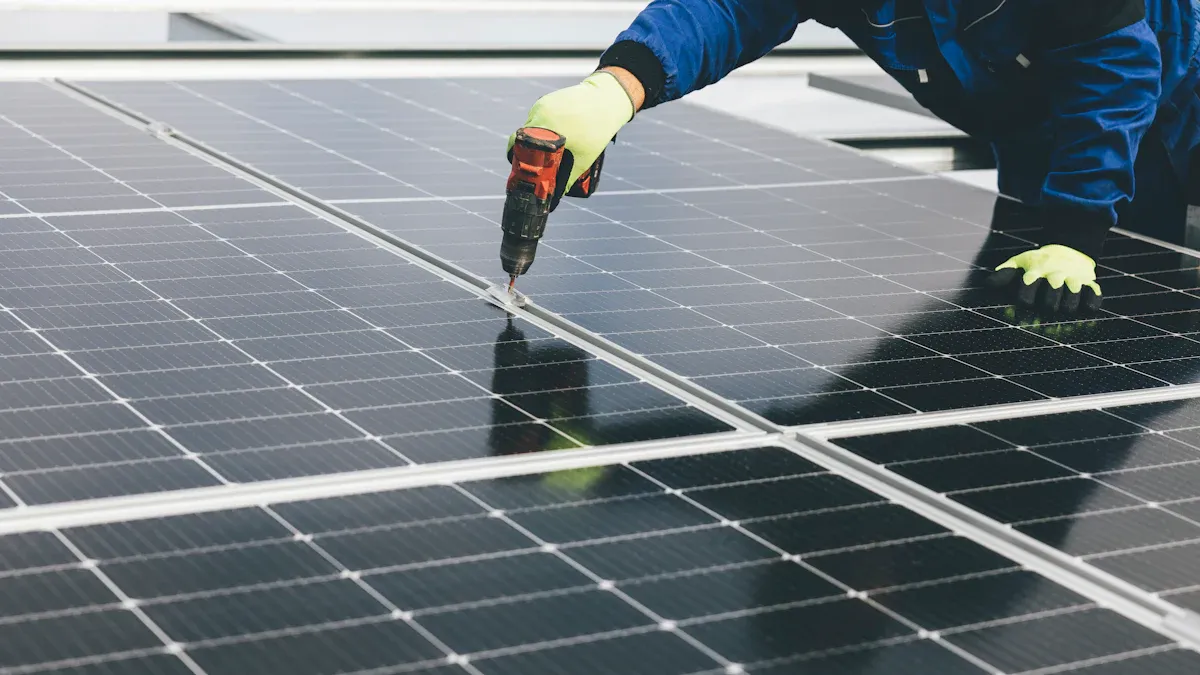
When connecting solar panels, you’ve got to think about what your system needs. Are you aiming for higher voltage or more current? The way you connect them—either series or parallel—makes all the difference. You’ll also need the right tools, like a Solar Cable, to ensure everything works smoothly.
Key Takeaways
- Use series connections to get higher voltage output. This is best for grid-tied systems and long cables.
- Use parallel connections if you need more current. This works well for off-grid systems or shaded areas.
- Always pick good-quality solar cables and connectors. Good tools keep your solar setup safe and efficient.
Series Connections
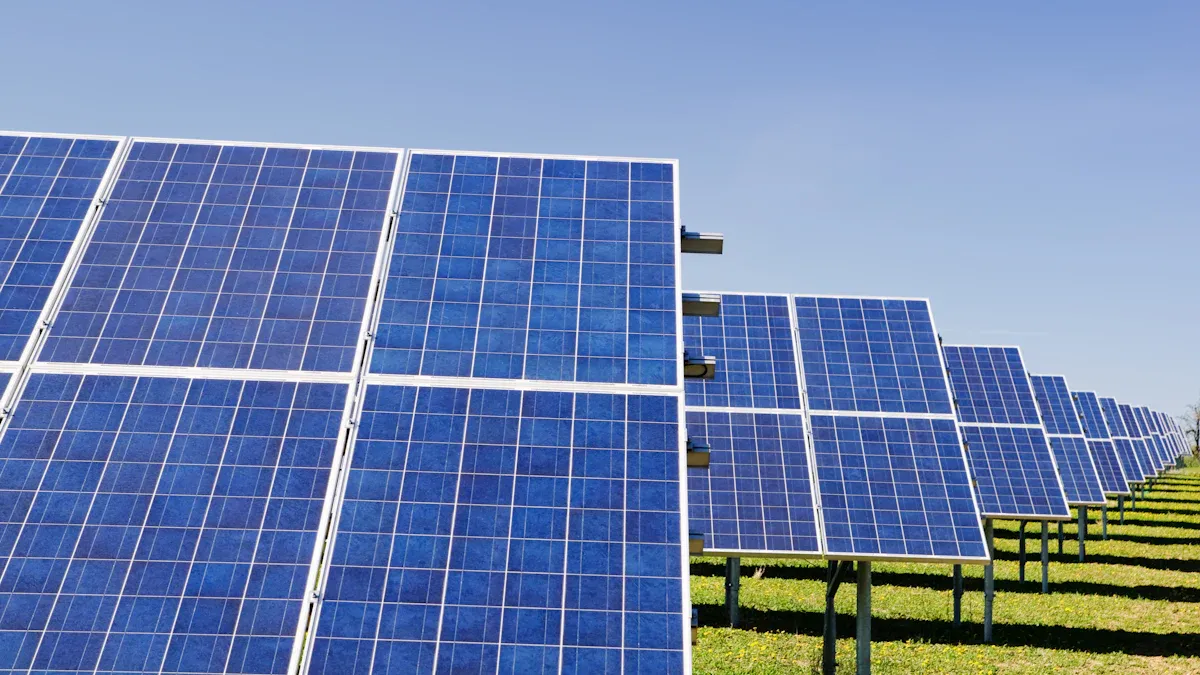
What is a series connection?
A series connection links solar panels in a way that the positive terminal of one panel connects to the negative terminal of the next. Think of it like a chain where each panel adds to the overall voltage. This setup is common when you need to increase the voltage of your solar system to match the requirements of your inverter or battery.
How does a series connection affect voltage and current?
When you connect solar panels in series, the voltage of each panel adds up, but the current stays the same. For example, if you have three panels, each producing 20 volts and 5 amps, the total output will be 60 volts and 5 amps. This makes series connections ideal for systems that need higher voltage to operate efficiently.
Advantages of series connections
- Higher Voltage Output: Perfect for systems requiring high voltage, like grid-tied inverters.
- Simpler Wiring: Fewer cables are needed since the panels are connected in a single line.
- Better Performance in Low Current Conditions: Works well in setups where voltage is more critical than current.
Disadvantages of series connections
- Shading Issues: If one panel is shaded, it can reduce the performance of the entire string.
- Voltage Limitations: Exceeding the voltage limit of your inverter or charge controller can damage your system.
- Dependence on Panel Uniformity: All panels should have similar voltage and current ratings for optimal performance.
Tip: Always use a high-quality solar cable to ensure a reliable and safe connection between panels.
Parallel Connections

What is a parallel connection?
A parallel connection links solar panels by connecting all their positive terminals together and all their negative terminals together. Instead of forming a chain like in series connections, parallel connections create a network where each panel works independently to contribute to the system's overall current. This setup is great when you need to increase the current output of your solar system.
How does a parallel connection affect voltage and current?
In a parallel connection, the current from each panel adds up, but the voltage stays the same. For instance, if you connect three panels, each producing 20 volts and 5 amps, the total output will be 20 volts and 15 amps. This makes parallel connections ideal for systems that require higher current to power devices or charge batteries efficiently.
Advantages of parallel connections
- Independent Panel Performance: If one panel gets shaded or malfunctions, the others can still operate without major losses.
- Higher Current Output: Perfect for systems that need more current, like off-grid setups with large battery banks.
- Flexibility: You can mix panels with slightly different voltage ratings without compromising the system's performance.
Disadvantages of parallel connections
- More Wiring: You'll need additional cables, such as a solar cable, to connect the panels properly.
- Higher Current Risks: Increased current can lead to overheating if the cables or connectors aren't rated for the load.
- Voltage Limitations: Since the voltage remains constant, it may not be suitable for systems requiring higher voltage.
Tip: Always check your equipment's specifications to ensure compatibility and safety when connecting panels in parallel.
Series vs. Parallel: Which is Best for Your System?
Key differences between series and parallel connections
When deciding how to connect your solar panels, you need to understand the key differences between series and parallel connections. These two methods affect your system’s voltage and current in opposite ways.
Here’s a quick comparison:
| Feature | Series Connection | Parallel Connection |
|---|---|---|
| Voltage | Adds up across all panels | Stays the same as a single panel |
| Current | Stays the same as a single panel | Adds up across all panels |
| Shading Impact | A shaded panel affects the whole string | A shaded panel has minimal impact |
| Wiring Complexity | Requires fewer cables | Requires more cables |
Series connections are great for increasing voltage, while parallel connections boost current. The choice depends on what your system needs to operate efficiently.
Tip: Always check your inverter or charge controller’s specifications to avoid exceeding voltage or current limits.
Ideal use cases for series connections
Series connections work best when your system needs higher voltage. For example, if your inverter or battery bank requires a specific voltage to function, connecting panels in series can help you meet that requirement.
Here are some common scenarios where series connections shine:
- Grid-tied systems: Many inverters for grid-tied setups require higher voltage to convert DC power to AC efficiently.
- Long cable runs: Higher voltage reduces energy loss over long distances, making series connections ideal for systems with panels far from the inverter.
- Small-scale setups: If you’re working with fewer panels, series connections simplify wiring and reduce the need for extra cables.
Keep in mind that shading can impact performance. If one panel gets shaded, the entire string’s output drops. To avoid this, try placing panels in areas with consistent sunlight.
Ideal use cases for parallel connections
Parallel connections are perfect for systems that need higher current. If you’re powering devices that draw a lot of energy or charging large battery banks, this method is the way to go.
Here’s when parallel connections make the most sense:
- Off-grid systems: Large battery banks often require higher current to charge efficiently. Parallel connections ensure your system delivers enough power.
- Shaded environments: If your panels are in an area with partial shading, parallel connections minimize the impact on overall performance.
- Mixed panel setups: If your panels have slightly different voltage ratings, parallel connections allow them to work together without major issues.
While parallel connections require more wiring, using a solar cable designed for high current can help you avoid overheating and ensure safe operation.
How to Physically Connect Solar Panels Using Solar Cables
Equipment needed for series connections
To connect solar panels in series, you’ll need a few essential items. First, make sure you have solar panels with matching voltage and current ratings. This ensures your system operates efficiently. Next, you’ll need solar cables to link the panels. These cables connect the positive terminal of one panel to the negative terminal of the next.
Here’s a quick checklist of what you’ll need:
- Solar panels: Ensure they have similar specifications.
- Solar cables: Use cables designed for outdoor use and rated for the voltage of your system.
- MC4 connectors: These connectors make it easy to link the cables securely.
- Multimeter: Use this to test the voltage and current after connecting the panels.
When connecting in series, double-check the total voltage to ensure it doesn’t exceed your inverter or charge controller’s limit. A solar cable with proper insulation will help prevent energy loss and keep your system safe.
Equipment needed for parallel connections
For parallel connections, the equipment list is slightly different. Since you’re combining the current from multiple panels, you’ll need cables and connectors that can handle higher amperage.
Here’s what you’ll need:
- Solar panels: Panels with similar voltage ratings work best.
- Solar cables: Choose cables that can handle the combined current of all panels.
- Branch connectors: These allow you to connect multiple positive and negative terminals together.
- Fuse or circuit breaker: Protect your system from overcurrent by installing a fuse or breaker.
- Combiner box: This is optional but helps organize the wiring and adds an extra layer of safety.
After connecting the panels, test the system with a multimeter to confirm the current and voltage. Using high-quality solar cables ensures your system runs efficiently and safely.
Safety tips for connecting solar panels
Safety should always come first when working with solar panels. Even small systems can generate enough electricity to cause harm if not handled properly. Here are some tips to keep you safe:
- Turn off all equipment: Before connecting or disconnecting panels, make sure your inverter and charge controller are powered off.
- Wear protective gear: Use insulated gloves and safety glasses to protect yourself from accidental shocks.
- Use the right cables: Always use solar cables rated for your system’s voltage and current. This prevents overheating and reduces the risk of fire.
- Avoid working in wet conditions: Water and electricity don’t mix. Wait for dry weather to work on your solar setup.
- Check connections: Loose or improper connections can cause sparks or energy loss. Double-check all terminals and connectors.
- Follow manufacturer guidelines: Always refer to the user manuals for your panels, inverter, and charge controller.
Pro Tip: Label your cables and connections. This makes troubleshooting easier and helps you avoid mistakes during installation.
By following these safety tips and using the right equipment, you can set up your solar panels confidently and efficiently.
Choosing the best way to connect your solar panels depends on your system’s needs. Want higher voltage? Go with a series connection. Need more current? Parallel is your answer. Always check your equipment’s compatibility and follow safety guidelines.
Remember: A well-planned setup ensures efficiency and keeps your solar system running smoothly! ☀️
FAQ
What happens if I mix panels with different wattages?
Mixing panels with different wattages can reduce efficiency. In series, the current matches the lowest panel. In parallel, the voltage matches the lowest panel. ⚡
Can I connect solar panels without an inverter?
Yes, but only for DC-powered devices or batteries. To power AC devices, you’ll need an inverter to convert the electricity from DC to AC.
How do I protect my system from overcurrent?
Use fuses or circuit breakers. These devices prevent damage by cutting off the flow of electricity when the current exceeds safe levels. Always check your system’s specifications. 🛡️