

 Send Email
 Whatsapp


What is a twin core cable used for?
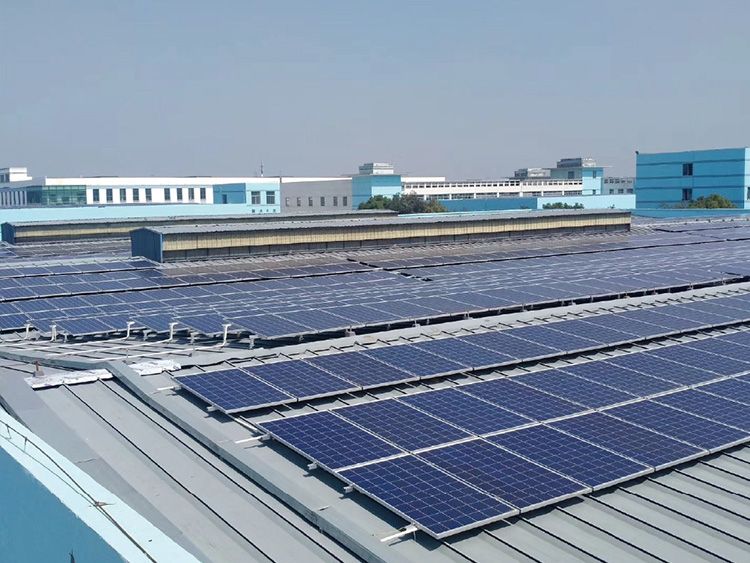
Have you ever wondered why twin core cables are so popular in electrical setups? These cables are designed with two conductors, making them perfect for various systems. Whether you're wiring a car, installing lights, or working on a solar project, like with a twin core Solar Cable, they offer efficiency and flexibility you can rely on.
Key Takeaways
- Twin core cables have two wires, perfect for low-power uses like car wiring and lights.
- Their small and bendable design makes them easy to fit in tight spots, helping finish projects faster.
- Strong outer covers keep twin core cables safe from water and heat, so they work well outside or near water.
What is a twin core cable?
Definition and structure
A twin core cable is a type of electrical cable that contains two separate conductors. These conductors are usually made of copper or aluminum, which are excellent materials for carrying electricity. The two wires are insulated individually, and then both are wrapped together in an outer protective sheath. This design keeps the wires safe from damage and ensures they work efficiently.
You’ll often find twin core cables in systems where only two wires are needed—one for the current to flow in and the other for it to return. This makes them ideal for low-voltage applications like automotive wiring, lighting, and even solar panels. Their compact structure also makes them easy to handle and install, especially in tight spaces.
Tip: If you’re working on a project that doesn’t require a ground wire, a twin core cable might be the perfect choice.
Key features and design advantages
Twin core cables come with several features that make them stand out. First, they’re incredibly flexible. You can bend and route them around corners without much trouble. This flexibility makes them great for projects where space is limited.
Another advantage is their compact design. Since they only have two conductors, they take up less space compared to multi-core cables. This is especially useful in vehicles or small appliances where every inch counts.
Lastly, twin core cables are durable. The outer sheath protects them from moisture, heat, and physical damage. This means you can use them in outdoor or harsh environments without worrying about wear and tear.
Whether you’re wiring a car or setting up a solar panel, twin core cables offer a reliable and efficient solution.
Applications of twin core cables

Twin core cables are incredibly versatile, and you’ll find them in a wide range of applications. Let’s explore where and how these cables are commonly used.
Automotive wiring and components
If you’ve ever popped the hood of a car, you’ve seen how many wires are packed into that small space. Twin core cables are a go-to choice for automotive wiring because they’re compact and easy to work with. You can use them for connecting headlights, tail lights, and even dashboard components. Their flexibility makes them perfect for routing through tight spaces in vehicles.
Fun Fact: Many modern cars rely on twin core cables for their electrical systems because they’re lightweight and efficient, which helps improve fuel economy.
Lighting systems and home appliances
When it comes to lighting systems, twin core cables shine—literally! They’re ideal for connecting LED lights, ceiling fixtures, and even outdoor garden lights. You can also use them for small home appliances like fans or table lamps. Their simple two-wire design makes installation quick and hassle-free.
For example, if you’re setting up a new light fixture in your living room, a twin core cable can handle the job without taking up much space. Plus, their insulation ensures safety, even in areas with higher temperatures.
Marine and outdoor uses
Boats and outdoor setups often face harsh conditions like moisture, salt, and extreme temperatures. Twin core cables are built to withstand these challenges. You can use them for wiring navigation lights, bilge pumps, or even outdoor speakers on your boat. Their durable outer sheath protects the wires from water and physical damage, making them a reliable choice for marine environments.
Tip: If you’re planning an outdoor project, like setting up a garden fountain or patio lights, consider using twin core cables. They’re tough enough to handle the elements.
Twin core solar cable in energy systems
Solar energy systems are becoming more popular, and twin core solar cables play a crucial role in making them work efficiently. These cables connect solar panels to inverters or batteries, ensuring smooth energy transfer. Their compact design makes them easy to install, even in tight spaces like rooftops.
You’ll also appreciate their durability. A twin core solar cable can handle exposure to sunlight, rain, and temperature changes without breaking down. This makes them a reliable option for both residential and commercial solar setups.
Whether you’re wiring a car, lighting up your home, or harnessing solar energy, twin core cables offer a dependable solution.
Benefits of twin core cables
Flexibility and ease of installation
One of the standout benefits of twin core cables is their flexibility. You can easily bend and route them through tight spaces without worrying about damaging the wires. This makes them perfect for projects where space is limited, like wiring inside vehicles or small appliances.
Imagine you're working on a car's electrical system. The last thing you want is a stiff cable that’s hard to maneuver. Twin core cables solve this problem by being super easy to handle. Their flexibility also speeds up installation, saving you time and effort.
Tip: If you're a DIY enthusiast, you'll love how simple it is to work with twin core cables. Even if you're not a pro, their user-friendly design makes installation a breeze.
Space-saving and compact design
Twin core cables are designed to take up as little space as possible. With just two conductors wrapped in a single sheath, they’re much smaller than multi-core cables. This compact design is a game-changer when you're working in cramped areas, like behind walls or under dashboards.
For example, if you're setting up a twin core solar cable for a rooftop solar panel system, the slim design makes it easier to fit the cables neatly without cluttering the space. Plus, the reduced size doesn’t compromise performance, so you get the best of both worlds—efficiency and convenience.
Fun Fact: The compact nature of twin core cables also makes them lighter, which is why they’re often used in vehicles to improve fuel efficiency.
Durability in diverse environments
Twin core cables are built to last, even in tough conditions. Their outer sheath provides excellent protection against moisture, heat, and physical damage. Whether you're using them indoors or outdoors, you can count on them to perform reliably.
For marine or outdoor projects, durability is key. Twin core cables can handle exposure to water, sunlight, and temperature changes without breaking down. This makes them a dependable choice for wiring boats, garden lights, or even a twin core solar cable in a solar energy system.
Note: Always check the cable's specifications to ensure it’s suitable for the environment you’re working in. Some cables are specially designed for extreme conditions.
Comparing twin core cables to other cable types

Twin core vs. single-core cables
When deciding between twin core and single-core cables, it all comes down to your project’s needs. A single-core cable has just one conductor, making it ideal for straightforward applications like grounding or high-voltage power transmission. On the other hand, a twin core cable has two conductors, which makes it perfect for systems that need both a live and a return wire.
Here’s a quick comparison to help you decide:
| Feature | Twin Core Cable | Single-Core Cable |
|---|---|---|
| Number of Conductors | Two (live and return) | One |
| Applications | Low-voltage systems like lighting, automotive, and solar setups | High-voltage systems or grounding |
| Flexibility | More flexible and easier to route | Less flexible due to thicker insulation |
Tip: If your project doesn’t require a return wire, a single-core cable might be the simpler and more cost-effective choice.
Twin core vs. multi-core cables
Multi-core cables take things a step further by including three or more conductors in a single sheath. These cables are often used for complex systems like industrial machinery or data transmission. While they’re versatile, they can be overkill for simpler setups.
Here’s why twin core cables might be a better fit for your project:
- Simplicity: Twin core cables are easier to install and manage because they only have two wires.
- Space-saving: Their compact design makes them ideal for tight spaces, unlike bulkier multi-core cables.
- Cost: Twin core cables are usually more affordable, especially for small-scale projects.
Note: If you’re working on a project with multiple circuits or signals, a multi-core cable might be worth considering. But for most basic electrical setups, twin core cables get the job done efficiently.
Twin core cables are a go-to solution for many industries. Their compact design, flexibility, and durability make them perfect for automotive, lighting, marine, and solar setups. Choosing the right cable can feel tricky, but understanding their benefits and comparing them to other types helps you make the best decision for your project.
Pro Tip: Always match the cable to your specific application for optimal performance!
FAQ
What is the difference between twin core and single-core cables?
Twin core cables have two conductors for live and return wires. Single-core cables have one conductor, ideal for grounding or high-voltage applications.
Can twin core cables be used outdoors?
Yes! Their durable sheath protects against moisture, heat, and physical damage, making them perfect for outdoor setups like garden lights or marine wiring. 🌱
Are twin core cables suitable for DIY projects?
Absolutely! Their flexibility and simple design make them easy to install, even for beginners. You’ll love how hassle-free they are to work with. 🛠️