
 Send Email
 Whatsapp


What cable is used for solar?
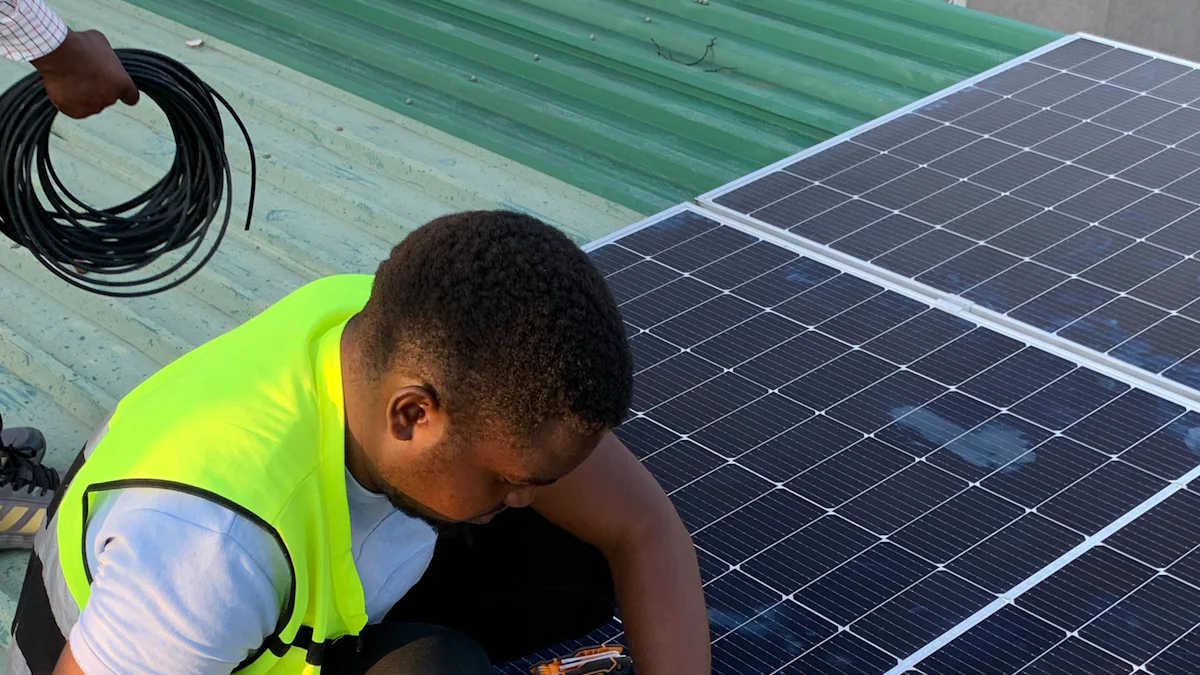
When setting up a solar power system, you need cables that can handle outdoor conditions and high electrical loads. PV Wire and USE-2 cables are the most common choices. PV Wire offers better durability and safety for modern installations. A well-chosen cable, like a DC Solar Cable, ensures your system runs efficiently and safely for years.
Key Takeaways
- Pick the correct cable for your solar setup. DC cables link solar panels to inverters. AC cables connect inverters to your house. Grounding cables stop electric shocks.
- Use cables with strong insulation. Choose materials like XLPE or EPR. These resist heat, water, and sunlight. This makes them last longer and work better.
- Check that cables meet NEC and UL rules. Certified cables lower risks of electrical problems. They help your solar system run safely and well.
Types of Cables in Solar Systems
DC Solar Cable
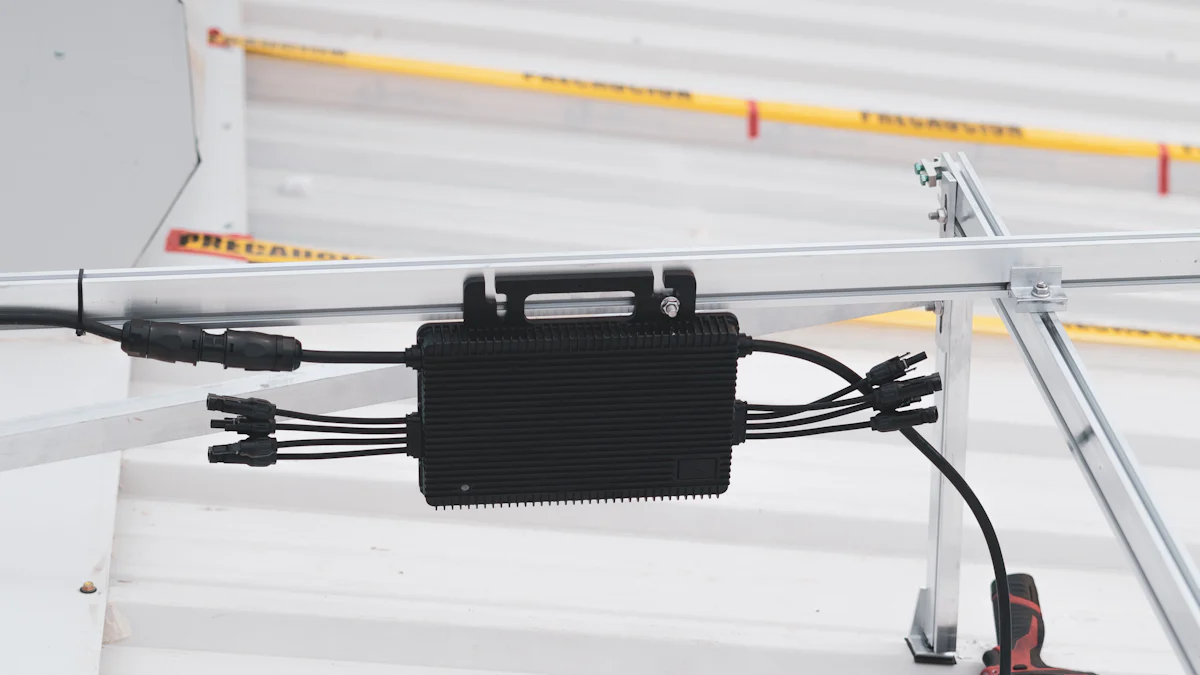
DC solar cables are essential for connecting the solar panels to the inverter. These cables carry the direct current (DC) generated by the panels. You need a cable that can handle high voltage and resist outdoor conditions. A DC solar Cable is designed with thick insulation to protect against UV rays, moisture, and extreme temperatures. This ensures the cable performs reliably over time.
When choosing a DC solar Cable, look for one with low resistance. This minimizes energy loss and improves the efficiency of your solar system. These cables are also available in various sizes to match the power output of your panels. Always ensure the cable you select meets industry standards for safety and durability.
AC Cables
AC cables are used after the inverter converts DC electricity into alternating current (AC). These cables connect the inverter to your home’s electrical system or the utility grid. Unlike DC solar cables, AC cables are typically installed indoors. However, they still need to meet safety standards to handle high currents.
You should choose AC cables with proper insulation and the correct size for your system. This prevents overheating and ensures efficient power transfer. AC cables are crucial for delivering the electricity your solar panels generate to where it’s needed most.
Grounding Cables
Grounding cables play a vital role in protecting your solar system. These cables connect the metal parts of your system to the ground. This prevents electrical shocks and reduces the risk of damage from lightning strikes. Grounding cables are usually made of copper for excellent conductivity.
You must install grounding cables according to local electrical codes. Proper grounding ensures the safety of your solar installation and protects your equipment from electrical surges. Never overlook the importance of grounding cables in your system.
Cable Materials and Insulation
Copper vs. Aluminum Conductors
When choosing cables for your solar system, you’ll often decide between copper and aluminum conductors. Copper offers excellent conductivity, which means it transfers electricity more efficiently. It also resists corrosion, making it a durable choice for outdoor use. However, copper cables are heavier and more expensive than aluminum.
Aluminum conductors are lighter and more affordable. They work well for larger installations where cost and weight are concerns. However, aluminum is less conductive than copper, so you may need a thicker cable to handle the same current. For critical connections, like those involving a DC solar Cable, copper is often the preferred choice due to its reliability and efficiency.
Insulation Types and UV Resistance
Solar cables face harsh outdoor conditions, so insulation quality matters. Look for cables with cross-linked polyethylene (XLPE) or ethylene propylene rubber (EPR) insulation. These materials resist heat, moisture, and chemicals. They also provide excellent protection against wear and tear.
UV resistance is another critical factor. Solar cables are exposed to sunlight for years, and UV rays can degrade insulation over time. Cables with UV-resistant insulation last longer and maintain their performance. Always check for UV ratings when selecting cables for outdoor use.
Color Coding for Solar Cables
Color coding helps you identify cables quickly and ensures proper connections. In solar systems, red or black cables typically carry DC power, while green or bare wires are used for grounding. AC cables often follow standard electrical color codes, such as white for neutral and black for live wires.
Using the correct color-coded cables reduces errors during installation and maintenance. It also improves safety by making it easier to trace connections. Always follow local electrical codes for color coding to ensure compliance and safety.
Wire Sizing and Compliance
Factors Influencing Wire Sizing
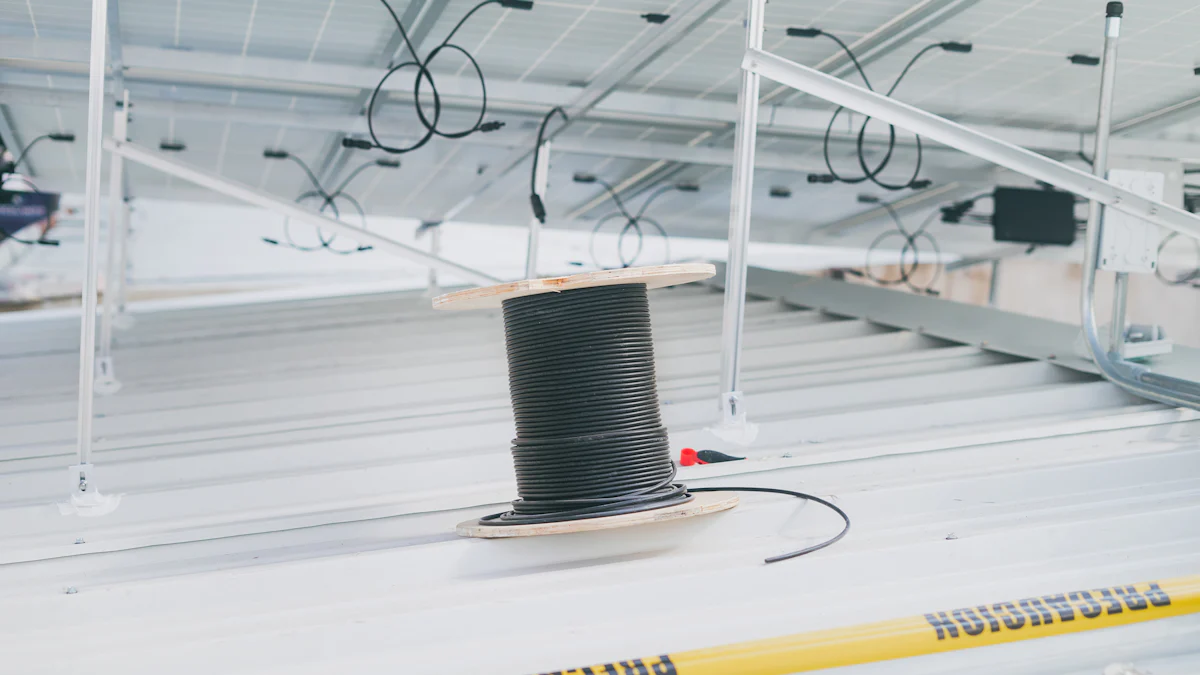
Wire sizing plays a critical role in the performance and safety of your solar system. The size of the wire determines how much current it can carry without overheating. You need to consider several factors when selecting the right size. First, calculate the total current your system will generate. Larger systems require thicker wires to handle higher currents. Second, measure the distance between your solar panels and the inverter. Longer distances increase resistance, which can lead to energy loss. Using a thicker wire minimizes this loss.
Temperature also affects wire sizing. Outdoor cables, like a DC solar Cable, must withstand extreme heat or cold. Higher temperatures reduce a cable's current-carrying capacity, so you may need a larger size in hot climates. Always account for these factors to ensure your system operates efficiently and safely.
NEC and UL Standards for Solar Cables
The National Electrical Code (NEC) and Underwriters Laboratories (UL) set strict standards for solar cables. These standards ensure your cables meet safety and performance requirements. NEC guidelines specify the minimum wire size, insulation type, and installation practices for solar systems. UL certification confirms that a cable has passed rigorous testing for durability, fire resistance, and electrical performance.
You should only use cables that comply with both NEC and UL standards. This guarantees your system meets legal requirements and reduces the risk of electrical hazards. Always check for these certifications when purchasing solar cables.
Tips for Selecting the Right Cable Size
Choosing the correct cable size can feel overwhelming, but a few tips can simplify the process. Start by consulting your solar panel manufacturer’s specifications. These often include recommended wire sizes for optimal performance. Use an online wire sizing calculator to factor in current, distance, and temperature. This tool helps you determine the appropriate size quickly.
If you’re unsure, consult a licensed electrician. They can assess your system and recommend the best cable size. Remember, undersized wires can overheat and waste energy, while oversized wires increase costs unnecessarily. Proper sizing ensures your solar system operates safely and efficiently.
Choosing the right cable ensures your solar system operates safely and efficiently. Focus on the type, material, insulation, and size of the cable. Verify compliance with NEC and UL standards. Use reliable resources or consult a professional for guidance. Making informed decisions protects your investment and maximizes your system’s performance. 🌞
FAQ
What is the difference between PV Wire and USE-2 cables?
PV Wire has thicker insulation and better UV resistance, making it ideal for outdoor use. USE-2 cables are less durable but still suitable for some installations.
Can you use regular electrical cables for solar systems?
No, regular cables lack the insulation and UV resistance needed for outdoor solar systems. Always choose cables specifically designed for solar applications to ensure safety and efficiency.
How do you determine the correct cable size for your solar system?
Consider the current, distance, and temperature. Use a wire sizing calculator or consult a professional to select the right size for optimal performance and safety.