

 Send Email
 Whatsapp


using 4mm cable for solar panels
using 4mm cable for solar panels
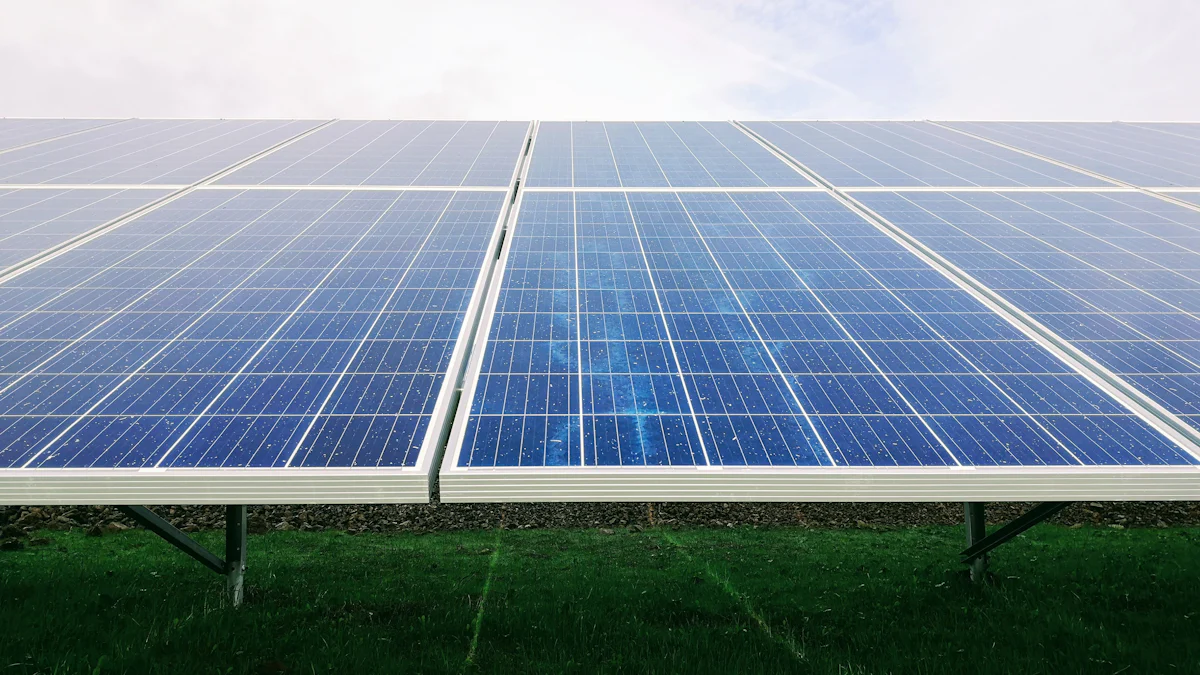
Choosing the right cable for your solar panels is crucial. A 4mm cable might work, but it depends on factors like system size and distance. Using the wrong solar panels cable can cause inefficiency or even safety hazards. You need to ensure the cable matches your setup to keep everything running smoothly.
Factors to Consider for Solar Panels Cable
When choosing the right cable for your solar panels, you need to think about a few key factors. These include the cable's current capacity, the distance it needs to cover, and whether it meets safety standards. Let’s break these down.
Current Capacity of 4mm Cable
The current capacity of a 4mm cable determines how much electricity it can safely carry. A 4mm cable typically handles up to 37 amps, depending on the insulation type and installation conditions. If your solar system generates more current than this, the cable could overheat. Overheating can damage the cable and even cause a fire. Always check the current output of your solar panels and compare it to the cable's capacity.
Voltage Drop and Distance
Voltage drop happens when electricity travels through a cable over a long distance. The longer the cable, the more energy you lose along the way. For a 4mm cable, voltage drop becomes noticeable over distances greater than 10-15 meters. If your solar panels are far from your inverter or battery, you might lose efficiency. To avoid this, calculate the voltage drop and ensure it stays within acceptable limits.
Safety and Compliance
Safety should always come first. Using the wrong solar panels cable can lead to serious risks, like electrical fires or system failures. Plus, your setup needs to comply with local electrical codes and regulations. A 4mm cable might meet these standards for small systems, but it’s not always the best choice. Double-check the rules in your area and consult a professional if needed.
Tip: Always prioritize safety and efficiency when selecting a cable for your solar panels. It’s better to spend a little more upfront than deal with costly problems later.
When 4mm Solar Panels Cable is Suitable

Small Solar Systems
If you’re working with a small solar system, a 4mm cable might be just what you need. These systems usually generate less power, so they don’t require cables with high current capacities. For example, if you’re powering a few lights, a small fan, or charging a battery for camping, a 4mm cable can handle the job. It’s lightweight, easy to install, and cost-effective for these setups.
However, you still need to check the current output of your solar panels. If the total current stays within the safe range for a 4mm cable, you’re good to go. Always double-check your calculations to avoid any surprises. A small system doesn’t mean you can skip safety checks!
Short Cable Runs
A 4mm cable works well when the distance between your solar panels and the inverter or battery is short. Shorter distances mean less voltage drop, which helps maintain the efficiency of your system. If your cable run is under 10 meters, a 4mm cable can deliver power without significant energy loss.
For instance, if you’ve set up solar panels on a shed or RV, and the inverter is nearby, this cable size is a practical choice. It keeps things simple and avoids unnecessary costs. But if the distance increases, you’ll need to calculate the voltage drop to ensure your system remains efficient.
Note: Even for short runs, always ensure your solar panels cable meets local safety standards. It’s better to be safe than sorry!
When 4mm Solar Panels Cable is Not Suitable
High-Power Systems
A 4mm cable isn’t the best choice for high-power solar systems. These systems generate a lot of electricity, often exceeding the current capacity of a 4mm cable. If you try to use it, the cable might overheat, which could damage your equipment or even start a fire. That’s not a risk you want to take.
For example, if your solar setup powers an entire home or runs heavy appliances like air conditioners or water heaters, you’ll need a thicker cable. Larger systems require cables that can handle higher currents without breaking a sweat. Using the wrong size can lead to inefficiency and safety issues. Always check the current output of your system and match it with the right cable size.
Long Distances
Distance is another factor that makes a 4mm cable unsuitable. When electricity travels over long cables, it loses energy due to resistance. This is called voltage drop. For a 4mm cable, the voltage drop becomes significant when the distance exceeds 15 meters. If your solar panels are far from your inverter or battery, you’ll lose a lot of power along the way.
Imagine you’re setting up solar panels on a large property or a remote location. A 4mm cable might seem like a cost-effective option, but it won’t deliver the efficiency you need. In these cases, a thicker cable reduces voltage drop and ensures your system runs smoothly.
Pro Tip: Always calculate voltage drop for longer distances. It’s better to invest in the right cable upfront than deal with energy loss later.
Calculating Solar Panels Cable Requirements
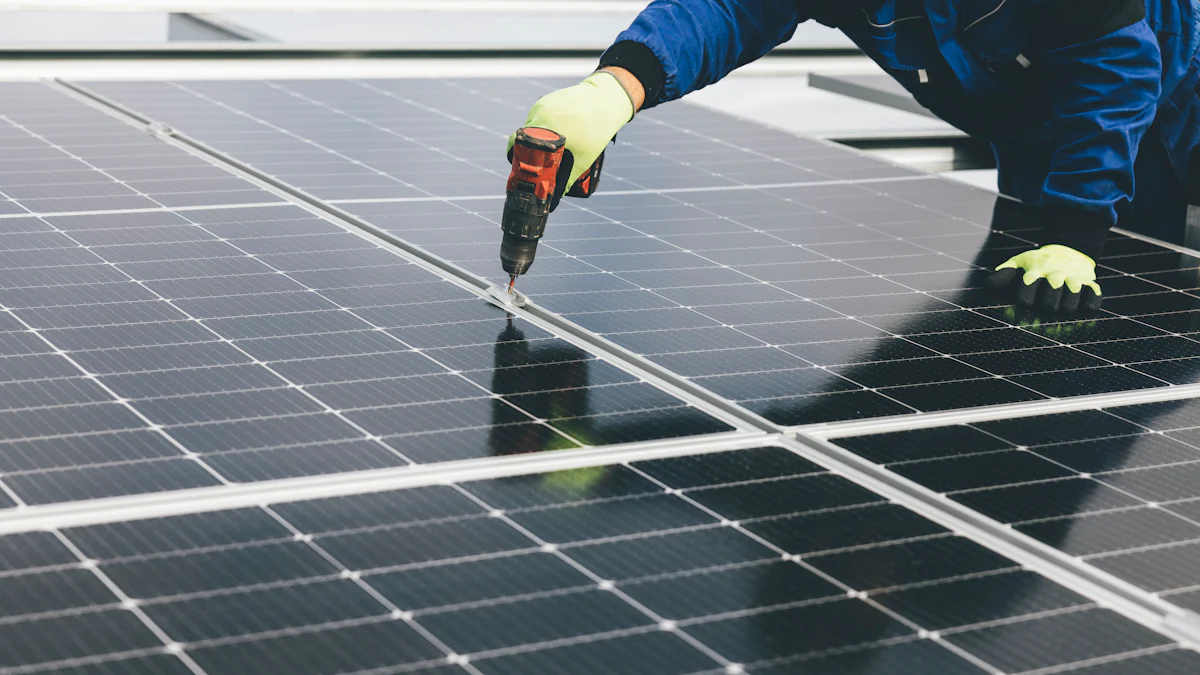
Using Online Calculators
If math isn’t your thing, don’t worry. Online calculators make figuring out your solar panels cable requirements super easy. These tools do all the heavy lifting for you. You just need to input a few details about your system. For example, you’ll enter the current output of your solar panels, the distance between components, and the acceptable voltage drop. Once you hit calculate, the tool gives you the recommended cable size.
Online calculators save time and reduce the chance of errors. They’re especially helpful if you’re new to solar setups or don’t want to deal with complex formulas. Many websites offer free calculators, so you don’t even have to spend a dime. Just make sure the tool you’re using is reliable and up-to-date with the latest standards.
Tip: Bookmark a trusted online calculator for future use. It’s a handy tool to have when planning or upgrading your solar system.
Manual Calculations with Examples
Prefer to do things the old-fashioned way? You can manually calculate the right cable size for your solar panels. Start by using this formula to calculate voltage drop:
Voltage Drop = (2 × Current × Distance × Resistance) ÷ 1000Here’s an example. Let’s say your solar panels produce 20 amps, and the cable run is 15 meters. The resistance of a 4mm cable is about 4.61 ohms per kilometer. Plug these numbers into the formula:
Voltage Drop = (2 × 20 × 15 × 4.61) ÷ 1000 = 2.77 voltsIf your system operates at 24 volts, a 2.77-volt drop is over 10%, which is too high. In this case, you’d need a thicker cable to reduce the voltage drop. Manual calculations take more effort, but they give you a clear understanding of how cable size affects your system.
Pro Tip: Always aim for a voltage drop below 3% for optimal efficiency.
A 4mm cable works well for small systems or short distances. It’s not the best choice for larger setups or long runs. Always calculate your cable needs to ensure safety and efficiency. If you’re unsure, don’t guess—consult a professional. Getting it right the first time saves you trouble later!