

 Send Email
 Whatsapp


the difference between 4mm and 6mm solar cable, including Tinned Copper DC Solar
the difference between 4mm and 6mm solar cable, including Tinned Copper DC Solar

Selecting the appropriate solar cable is crucial for the efficiency and safety of your solar system. A 4mm solar cable is ideal for lower loads, whereas a 6mm Solar Cable is better suited for higher currents, minimizing voltage drop. Tinned Copper DC Solar cables are designed to resist corrosion, providing enhanced durability. Choosing the right solar cable ensures optimal performance and prolongs the lifespan of your solar setup.
Conductivity and Load Capacity

Electrical Performance of 4mm vs. 6mm Solar Cables
The electrical performance of a solar cable directly impacts the efficiency of your solar system. A 4mm solar cable works well for systems with lower power requirements. It handles moderate current levels effectively. However, a 6mm solar cable offers better performance for higher loads. It reduces resistance, ensuring more electricity reaches your devices. Choosing the right size depends on your system's energy demands. Using an undersized cable can lead to energy loss and overheating.
Current-Carrying Capacity and Voltage Drop
The current-carrying capacity of a cable determines how much electricity it can safely transport. A 6mm solar cable supports higher currents compared to a 4mm cable. This makes it ideal for larger solar installations. Voltage drop is another critical factor. Longer cable runs or smaller cables increase voltage drop, reducing system efficiency. A 6mm cable minimizes this issue, especially in systems with extended wiring. For smaller setups, a 4mm cable may suffice if distances are short.
Role of Tinned Copper in Enhancing Conductivity
Tinned Copper DC Solar cables improve conductivity and durability. The tin coating protects the copper core from corrosion, especially in humid or coastal environments. This ensures consistent electrical performance over time. Tinned copper also enhances flexibility, making installation easier. Whether you choose a 4mm or 6mm cable, opting for tinned copper ensures your solar system remains reliable and efficient for years.
Cost-Effectiveness
Price Comparison: 4mm vs. 6mm Solar Cables
When comparing prices, you’ll notice that 4mm solar cables generally cost less than 6mm cables. The smaller size of the 4mm cable requires fewer materials, which lowers its production cost. On the other hand, 6mm cables are thicker and designed to handle higher currents, making them more expensive. If your solar system has minimal energy demands, a 4mm cable might save you money upfront. However, for larger systems, the higher price of a 6mm cable can be justified by its superior performance and efficiency.
Balancing Cost and System Requirements
You need to balance cost with your solar system’s requirements. A smaller cable may seem like a cost-effective choice, but it could lead to energy loss or overheating if it cannot handle the load. This could result in higher maintenance costs over time. A 6mm cable, while more expensive initially, ensures better energy transfer and reduces voltage drop. For small-scale systems, a 4mm cable might meet your needs. For larger installations, investing in a 6mm cable can prevent future issues and improve overall efficiency.
Long-Term Savings with Tinned Copper DC Solar Cables
Tinned Copper DC Solar cables offer long-term savings despite their higher upfront cost. The tin coating protects the copper core from corrosion, especially in harsh environments. This durability reduces the need for frequent replacements. Additionally, the enhanced conductivity of tinned copper ensures consistent energy flow, improving your system’s efficiency. By choosing these cables, you invest in a reliable and low-maintenance solution for your solar setup.
Physical Properties and Installation
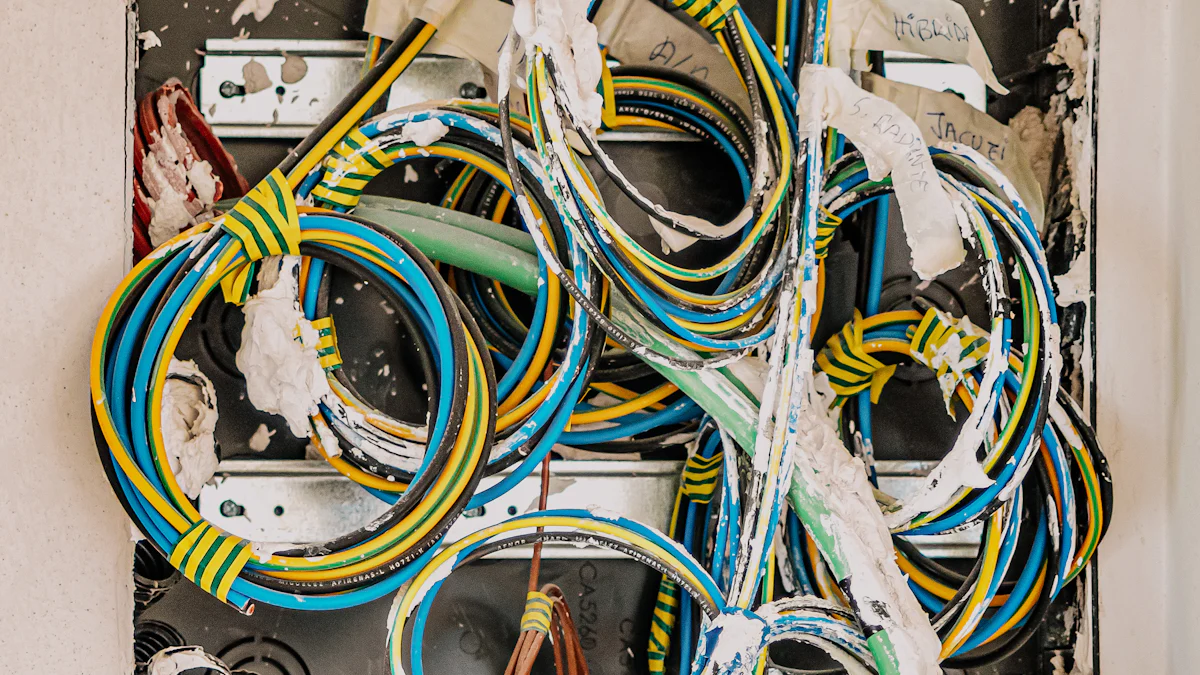
Weight and Flexibility of Solar Cables
The weight and flexibility of a solar cable affect how easily you can handle and install it. A 4mm cable is lighter and more flexible than a 6mm cable. This makes it easier to maneuver during installation, especially in tight spaces. The 6mm cable, being thicker, is heavier and less flexible. However, it provides better durability and can handle higher loads. You should consider the physical demands of your installation when choosing between these two sizes.
Installation Ease: 4mm vs. 6mm Cables
Installing a 4mm solar cable is simpler due to its smaller size and lighter weight. It bends more easily, which helps when routing it through complex pathways. A 6mm cable requires more effort because of its thickness and rigidity. However, its ability to carry higher currents makes it worth the extra effort for larger systems. You should evaluate your system's requirements and the complexity of the installation site before deciding.
Space Considerations in Solar Systems
Space plays a crucial role in solar system design. A 4mm cable takes up less space, making it ideal for compact setups. The 6mm cable, while bulkier, is necessary for systems requiring higher power. If your system has limited space, you might prefer the smaller cable. However, for larger installations, the added size of the 6mm cable is a trade-off for improved performance. Always plan your layout to ensure cables fit without overcrowding.
Long-Term Stability and Durability
Corrosion Resistance of Tinned Copper Solar Cables
Tinned Copper DC Solar cables offer excellent corrosion resistance. The tin coating on the copper core acts as a protective barrier. This prevents oxidation and rust, especially in areas with high humidity or salty air. If you live near the coast or in a tropical climate, these cables are a reliable choice. They maintain their conductivity over time, even in harsh conditions. This makes them a durable option for long-term solar installations.
Maintenance and Longevity of 4mm and 6mm Cables
The longevity of your solar cable depends on its size and material. A 6mm cable lasts longer in high-load systems because it handles more current without overheating. A 4mm cable works well for smaller systems but may wear out faster under heavy use. Tinned copper cables require less maintenance. Their corrosion resistance reduces the need for frequent inspections or replacements. By choosing the right size and material, you can minimize maintenance and extend the life of your solar setup.
Environmental Suitability and Lifespan
Your environment plays a key role in determining the lifespan of a solar cable. In extreme weather conditions, tinned copper cables outperform standard copper ones. They resist damage from moisture, UV rays, and temperature fluctuations. A 6mm cable is better for larger systems in challenging environments. A 4mm cable suits smaller setups in mild climates. Selecting the right cable ensures your solar system operates efficiently for years, regardless of the environment.
Choosing between 4mm and 6mm solar cables depends on your system's needs. Smaller setups benefit from 4mm cables due to their flexibility and lower cost. Larger installations require 6mm cables for better current handling and reduced voltage drop. Tinned Copper DC Solar cables offer superior durability, making them ideal for long-term performance in challenging environments.