
 Send Email
 Whatsapp


solar cable price list
solar cable price list

Solar Cable prices can vary significantly, and understanding these differences helps you make smarter choices. For bulk orders, prices range from0.45to0.35 per meter. If you're buying retail, a 20-meter roll of 6mm copper cable costs around $38.02. These cables play a crucial role in solar installations, so knowing their value ensures you get the best deal while maintaining quality. Whether you're planning a small project or a large-scale system, being informed about pricing helps you optimize your investment.
Key Takeaways
- Solar cable prices vary widely based on type, size, and brand, with bulk prices ranging from 0.42to0.38 per meter.
- Choosing the right cable type—single-core for simple setups and twin-core for more complex systems—can enhance installation efficiency.
- Investing in high-quality materials, like copper cables, ensures better conductivity and durability, leading to long-term savings.
- Always check for certifications like UL and IEC to ensure safety and performance standards are met when purchasing solar cables.
- Timing your purchase during off-peak seasons can help you save money due to lower demand and prices.
- Consider your specific needs, such as installation type and distance, to select the appropriate cable size for optimal performance.
- Explore various purchasing options, including online retailers, local stores, and direct from manufacturers, to find the best deals and quality.
Current Prices of Solar Cables
When shopping for solar cables, understanding the price variations can help you make better decisions. Prices depend on factors like cable type, size, and brand. Let’s break it down so you can find the best option for your needs.
Price Ranges by Type
Single-core solar cables
Single-core solar cables are a popular choice for many installations. These cables typically cost between 0.30and0.30 and 1.50 per meter when purchased in bulk. Retail prices may be slightly higher, especially for smaller quantities. Single-core cables are ideal for straightforward setups where flexibility isn’t a priority.
Twin-core solar cables
Twin-core solar cables are slightly more expensive due to their dual-conductor design. Bulk prices range from 0.80to0.80 to 2.50 per meter. These cables are perfect for systems requiring both positive and negative connections in one cable, saving you time during installation.
Price Ranges by Size
4mm² solar cables
For 4mm² solar cables, you can expect prices to start at 0.40per meter for bulk orders.Retail prices may goup to0.40 per meter for bulk orders. Retail prices may go up to 1.50 per meter. This size works well for small to medium solar systems with moderate power requirements.
6mm² solar cables
6mm² solar cables are slightly pricier, with bulk prices ranging from 0.65to0.55 per meter. A 20-meter retail roll costs around $38.02. These cables are commonly used in larger installations where higher current capacity is needed.
2.5mm² and 10mm² solar cables
2.5mm² cables are among the most affordable, starting at 0.30permeterforbulkpurchases.Ontheotherhand,10mm2cables,designedforheavy−dutyapplications,cancostupto0.30 per meter for bulk purchases. On the other hand, 10mm² cables, designed for heavy-duty applications, can cost up to 4.00 per meter. Choosing the right size depends on your system’s power and distance requirements.
Price Ranges by Brand
Premium brands
Premium brands offer high-quality solar cables with advanced features like UV resistance and fire retardancy. Prices for these cables often start at 1.50permeterandcangoupto1.50 per meter and can go up to 4.00 per meter. While they cost more, their durability and performance make them a worthwhile investment for long-term use.
Budget-friendly options
Budget-friendly solar cables are available for as low as $0.30 per meter in bulk. These options are great if you’re working on a tight budget. However, always ensure they meet the necessary certifications to avoid compromising safety and efficiency.
“Investing in the right solar cable ensures your system operates efficiently and lasts longer.”
By understanding these price ranges, you can choose the Best Solar Cable for your project without overspending. Whether you need single-core or twin-core cables, or cables of different sizes, there’s an option that fits your budget and requirements.
Factors Affecting Solar Cable Prices
Understanding what drives the cost of solar cables can help you make smarter purchasing decisions. Let’s explore the key factors that influence pricing and how they impact your choices.
Material and Quality
Copper vs. aluminum cables
The material used in a solar cable plays a big role in its price. Copper cables are more expensive than aluminum ones. Copper offers better conductivity and durability, making it the preferred choice for most solar installations. Aluminum cables, while cheaper, may not perform as well over time. If you want long-lasting performance, copper cables are worth the investment.
Insulation and durability
The quality of insulation directly affects the price. High-quality insulation protects the cable from UV rays, moisture, and extreme temperatures. Durable cables last longer and reduce the need for replacements. While these features may increase the upfront cost, they save you money in the long run by ensuring reliable performance.
Market Demand and Supply
Seasonal fluctuations
Demand for solar cables often spikes during certain times of the year. For example, summer months see higher demand due to increased solar installations. This seasonal trend can drive up prices. Planning your purchase during off-peak times might help you save money.
Global supply chain issues
Global events, such as shipping delays or raw material shortages, can impact the availability of solar cables. Limited supply often leads to higher prices. Staying informed about market conditions can help you time your purchase wisely and avoid paying a premium.
Brand and Certification
Importance of certified cables
Certified solar cables meet strict safety and performance standards. These certifications ensure the cable can handle the demands of a solar system. While certified cables may cost more, they provide peace of mind and reduce the risk of system failures.
Impact of brand reputation on pricing
Well-known brands often charge higher prices due to their reputation for quality and reliability. While budget-friendly options exist, choosing a trusted brand can save you from potential issues down the line. A reputable brand often means better customer support and longer-lasting products.
“Investing in high-quality solar cables ensures your system runs efficiently and safely for years to come.”
By understanding these factors, you can make informed decisions when buying solar cables. Whether you prioritize material, certifications, or market timing, knowing what affects pricing helps you get the best value for your money.
Types of Solar Cables and Their Uses
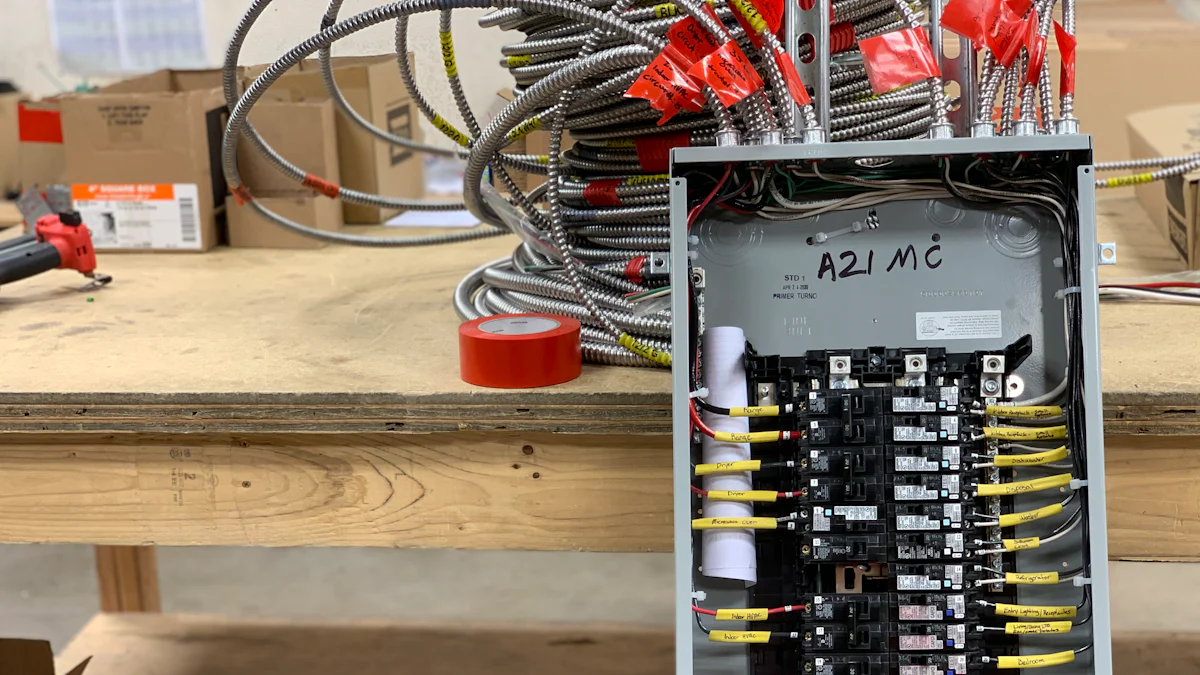
Choosing the right type of solar cable is essential for ensuring your solar system operates efficiently. Different cables serve different purposes, and understanding their uses can help you make the best choice for your project.
Single-core vs. Twin-core Cables
Applications of single-core cables
Single-core cables are a common choice for many solar installations. These cables have one conductor, making them ideal for simple setups. You’ll often find them used in residential solar systems where the wiring layout is straightforward. They work well for connecting individual solar panels to inverters or charge controllers. If your system doesn’t require complex wiring, single-core cables provide a cost-effective and reliable solution.
Applications of twin-core cables
Twin-core cables contain two conductors within a single sheath. This design makes them perfect for systems that need both positive and negative connections in one cable. Twin-core cables are popular in commercial solar installations where efficiency and time-saving are priorities. They reduce the number of cables you need to manage, which simplifies installation. If you’re working on a larger project or need to minimize clutter, twin-core cables are a great option.
Flexible vs. Rigid Cables
When to use flexible cables
Flexible Cables are designed to bend and twist without breaking. These cables are ideal for installations where movement or tight spaces are involved. For example, if your solar panels are mounted on a tracker that follows the sun, flexible cables can handle the constant motion. They’re also useful for portable solar systems or setups with irregular layouts. Flexibility ensures the cables remain intact even under challenging conditions.
When to use rigid cables
Rigid cables are less flexible but offer excellent durability. These cables are best suited for fixed installations where the wiring won’t move after setup. If your solar panels are mounted on a stationary structure, rigid cables provide a stable and long-lasting connection. They’re also a good choice for underground wiring or areas where the cables need to withstand physical stress. Rigid cables excel in scenarios where strength and stability matter more than flexibility.
Specialized Solar Cables
UV-resistant cables
UV-resistant cables are specifically designed to withstand prolonged exposure to sunlight. If your solar cables will be exposed to the elements, these are a must-have. Regular cables can degrade over time when exposed to UV rays, leading to cracks and failures. UV-resistant cables ensure your system remains reliable, even in harsh outdoor conditions. They’re an excellent choice for rooftop solar panels or ground-mounted systems in sunny regions.
Fire-retardant cables
Fire-retardant cables offer an added layer of safety by reducing the risk of fire. These cables are made with materials that resist ignition and slow the spread of flames. If you’re installing a solar system in a high-risk area, such as near flammable materials, fire-retardant cables are a smart investment. They provide peace of mind and help protect your property in case of electrical faults or accidents.
“The right solar cable not only improves performance but also ensures safety and longevity for your solar system.”
By understanding the different types of solar cables and their uses, you can choose the best option for your specific needs. Whether you need single-core, twin-core, flexible, rigid, or specialized cables, there’s a solution that fits your project perfectly.
How to Choose the Right Solar Cable
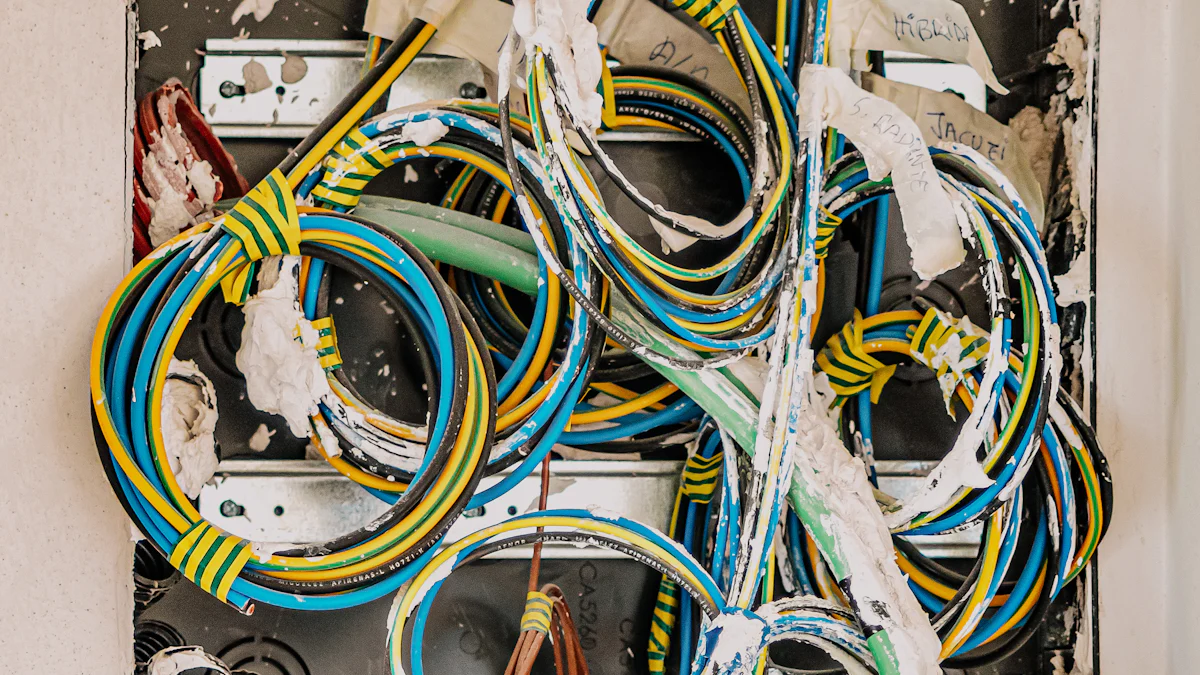
Choosing the right solar cable is crucial for the efficiency and safety of your solar system. By understanding your needs, budget, and certifications, you can make a smart decision that ensures long-term performance.
Assessing Your Needs
Residential vs. commercial installations
Your choice of solar cable depends on whether you're setting up a residential or commercial system. For residential installations, cables with smaller sizes like 4mm² or 6mm² often work well. These cables handle moderate power loads and shorter distances. In contrast, commercial systems usually require larger cables, such as 10mm², to manage higher power demands. Commercial setups also benefit from twin-core cables, which simplify wiring in complex systems. Identifying your installation type helps you pick the right cable size and type.
Distance and power requirements
The distance between your solar panels and the inverter or battery plays a big role in cable selection. Longer distances cause voltage drops, which reduce system efficiency. To minimize this, choose cables with lower resistance, like those made of copper. For short distances, smaller cables may suffice. However, for longer runs, larger cables like 10mm² are better. Always calculate your system's power requirements and distance to ensure you select a cable that can handle the load without compromising performance.
Budget Considerations
Balancing cost and quality
Finding the right balance between cost and quality is key when buying solar cables. While budget-friendly options may seem appealing, they often lack durability and certifications. Investing in high-quality cables ensures better performance and fewer replacements over time. Look for cables with features like UV resistance and durable insulation. These may cost more upfront but save you money in the long run by reducing maintenance costs.
Long-term savings with durable cables
Durable cables offer significant long-term savings. High-quality materials, like copper conductors and robust insulation, extend the lifespan of your solar cables. For example, UV-resistant cables withstand harsh sunlight, while fire-retardant cables enhance safety. Spending a little extra on durable cables reduces the risk of system failures and replacement costs. Over time, this investment pays off by ensuring your solar system operates efficiently for years.
Checking Certifications and Standards
Importance of UL and IEC certifications
Certified solar cables meet strict safety and performance standards. UL and IEC certifications guarantee that the cables can handle the demands of a solar system. These certifications ensure the cables are resistant to environmental factors like heat, moisture, and UV rays. Using certified cables reduces the risk of electrical faults and enhances the overall safety of your installation. Always check for these certifications before making a purchase.
Avoiding counterfeit products
Counterfeit cables pose serious risks to your solar system. They often lack proper certifications and use substandard materials. These cables may fail prematurely, leading to costly repairs or even safety hazards. To avoid counterfeit products, buy from trusted suppliers or manufacturers. Check for clear labeling, certifications, and customer reviews. Verifying the authenticity of your cables ensures you get a reliable product that meets your system's needs.
"Choosing the right solar cable is an investment in the safety, efficiency, and longevity of your solar system."
By assessing your needs, considering your budget, and checking certifications, you can confidently select the best solar cable for your project. Whether you're working on a residential or commercial installation, these steps help you make an informed decision that delivers long-term value.
Where to Buy Solar Cables
Finding the right place to buy solar cables can save you time, money, and effort. Whether you prefer shopping online, visiting local stores, or dealing directly with manufacturers, each option has its own benefits. Let’s explore these avenues to help you make the best choice.
Online Retailers
Online platforms offer convenience and a wide range of options. You can compare prices, read reviews, and shop from the comfort of your home.
Amazon, Alibaba, and AliExpress
Popular platforms like Amazon, Alibaba, and AliExpress provide a variety of solar cables. Amazon is great for retail purchases, offering quick delivery and reliable customer service. Alibaba and AliExpress cater to bulk buyers, with competitive pricing for large orders. These platforms often feature cables from different brands, giving you plenty of choices.
Tips for verifying seller credibility, such as checking reviews and certifications
When buying online, always verify the seller’s credibility. Check customer reviews to see what others say about the product quality and service. Look for certifications like UL or IEC to ensure the cables meet safety standards. Avoid sellers with vague descriptions or no clear product details. Taking these steps helps you avoid counterfeit or low-quality products.
Local Electrical Supply Stores
Local stores remain a trusted option for many buyers. They allow you to see the product in person and get expert advice.
Benefits of in-person purchases
Shopping in person lets you inspect the cables before buying. You can check the material, thickness, and overall quality. Store staff often provide guidance on choosing the right cable for your project. This hands-on experience ensures you get exactly what you need.
Negotiating prices with local suppliers
Local suppliers may offer room for negotiation, especially if you’re buying in bulk. Building a relationship with your supplier can lead to discounts or better deals over time. Don’t hesitate to ask about promotions or bulk pricing options. A little negotiation can go a long way in saving money.
Direct from Manufacturers
Buying directly from manufacturers is ideal for large-scale projects or custom requirements. It eliminates middlemen and often results in better pricing.
Bulk purchasing options from suppliers like Waaree and Jiucheng Industry
Manufacturers like Waaree and Jiucheng Industry specialize in solar cables. They offer bulk purchasing options, which significantly reduce costs per meter. If you’re working on a commercial installation or need a large quantity, this route provides excellent value.
Customization and direct support
Manufacturers often allow customization based on your specific needs. You can request cables with unique features, such as extra insulation or specific lengths. Direct communication with the manufacturer ensures you get tailored solutions. Additionally, they provide technical support, helping you address any concerns during installation.
“Choosing the right place to buy solar cables ensures you get quality products at the best price.”
By exploring these options, you can find a reliable source for your solar cables. Whether you value convenience, personal interaction, or cost savings, there’s a purchasing method that fits your needs.
Understanding solar cable prices helps you make smarter, cost-effective decisions for your solar projects. Choosing the right cable type ensures your system performs efficiently and saves you money in the long run. Whether you're working on a residential or commercial installation, selecting cables that match your needs is key. Explore options from online platforms, local stores, or manufacturers to find the best deals. Each source offers unique benefits, so take the time to compare and choose wisely. Your investment in quality cables will pay off with reliable performance and durability.
FAQ
What is a solar cable, and why is it important?
A solar cable connects your solar panels to other components like inverters or batteries. It ensures the safe and efficient transfer of electricity within your solar system. Using the right cable improves performance and reduces the risk of electrical issues.
How do I choose the right size of solar cable?
You should consider the power requirements and the distance between components. Larger cables, like 10mm², handle higher currents and longer distances better. Smaller cables, such as 4mm² or 6mm², work well for shorter distances and lower power needs. Always calculate your system's voltage drop to make the best choice.
Are copper cables better than aluminum cables?
Yes, copper cables offer better conductivity and durability. They perform well over time and resist wear and tear. Aluminum cables cost less but may not last as long or handle high currents as effectively. For long-term reliability, copper is the preferred option.
What certifications should I look for when buying solar cables?
Look for certifications like UL (Underwriters Laboratories) or IEC (International Electrotechnical Commission). These certifications ensure the cables meet safety and performance standards. Certified cables resist environmental factors like heat, UV rays, and moisture, making them safer and more reliable.
Can I use regular electrical cables for solar installations?
No, regular electrical cables are not designed for solar systems. Solar cables have special insulation to withstand UV rays, extreme temperatures, and outdoor conditions. Using regular cables can lead to system failures or safety hazards.
How do I avoid buying counterfeit solar cables?
Buy from trusted suppliers or manufacturers. Check for clear labeling, certifications, and customer reviews. Avoid sellers with vague product descriptions or no proof of authenticity. Verifying the source ensures you get a reliable product.
Why do solar cable prices vary so much?
Prices depend on factors like material, size, brand, and certifications. Copper cables cost more than aluminum ones. Premium brands and certified cables also come at a higher price due to their quality and durability. Bulk purchases often reduce the cost per meter.
When is the best time to buy solar cables?
Off-peak seasons, like winter, often have lower demand for solar cables. Buying during these times can help you save money. Staying informed about market trends and supply chain conditions also helps you time your purchase wisely.
What is the lifespan of a solar cable?
High-quality solar cables can last over 25 years when used correctly. Features like UV resistance, durable insulation, and proper installation extend their lifespan. Regular maintenance also helps ensure long-term performance.
Where can I buy solar cables?
You can buy solar cables online, at local electrical supply stores, or directly from manufacturers. Online platforms like Amazon and Alibaba offer convenience and variety. Local stores let you inspect the product in person. Manufacturers provide bulk purchasing options and customization for large projects. Choose the option that best fits your needs.