
 Send Email
 Whatsapp


solar cable for dc
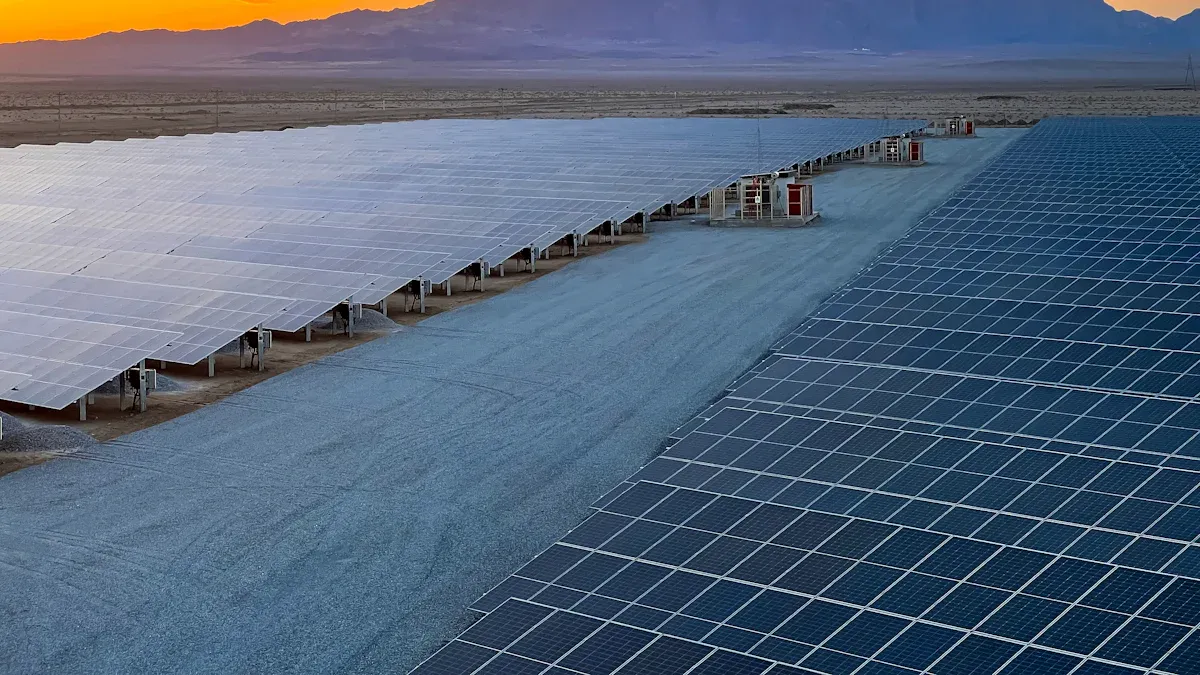
Solar Cables play a critical role in solar energy systems. They transport direct current (DC) electricity from solar panels to inverters. This efficient energy transfer ensures your solar system operates reliably. Choosing the right solar cable enhances performance and longevity, making it essential for any solar installation.
Key Takeaways
- Choose the right type of solar cable to enhance performance and longevity in your solar energy system.
- Always check the voltage and temperature ratings of solar cables to ensure they meet your system's requirements.
- Regularly inspect and maintain your solar cables to prevent wear and ensure efficient operation.
Types of Solar Cables
PV Solar Cables
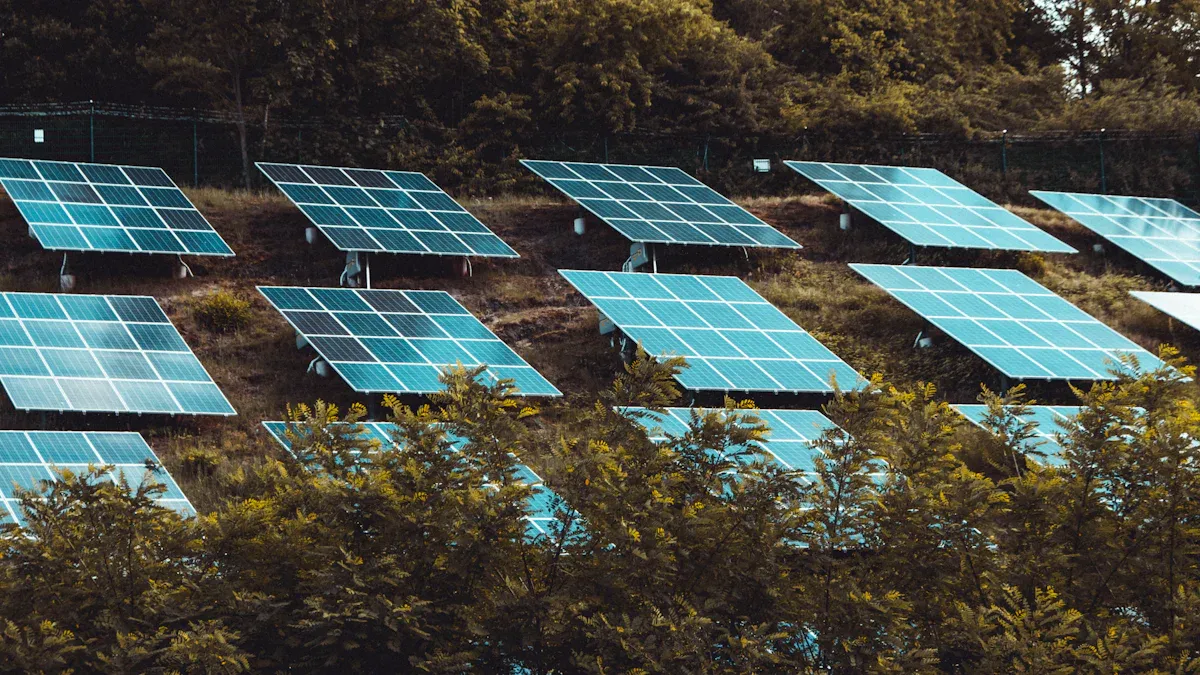
PV Solar Cables are essential for connecting solar panels to the rest of the solar energy system. These cables are designed to withstand harsh environmental conditions. They have a durable outer layer that protects against UV rays, moisture, and extreme temperatures. When you choose PV solar cables, look for those that meet the standards set by the International Electrotechnical Commission (IEC). This ensures safety and reliability in your solar installation.
Tip: Always check the specifications of PV solar cables before purchasing. This helps you select the right type for your solar project.
DC Solar Cables
DC solar cables are specifically designed to carry direct current from solar panels to inverters or batteries. These cables have low resistance, which minimizes energy loss during transmission. You will find that DC solar cables come in various sizes and configurations. The size you choose depends on the distance between your solar panels and the inverter. A larger diameter cable can carry more current, which is crucial for larger systems.
Note: Using the correct size of DC solar cable is vital. It prevents overheating and ensures efficient energy transfer.
Specialty Cables
Specialty cables serve unique functions in solar energy systems. These cables may include those designed for specific applications, such as underground installations or high-temperature environments. For example, some specialty cables have enhanced insulation to protect against chemical exposure. Others may be designed to be flexible, making them easier to install in tight spaces.
When selecting specialty cables, consider the specific needs of your solar project. This ensures that you choose cables that will perform well under the conditions they will face.
Alert: Always consult with a professional when selecting specialty cables. This helps ensure that you meet all safety and performance requirements.
Specifications of Solar Cables

Voltage Ratings
When selecting a solar cable, you must consider its voltage rating. This rating indicates the maximum voltage the cable can safely handle. Most solar systems operate at low voltages, typically between 12V and 48V. However, some larger systems may use higher voltages.
Here are some common voltage ratings for solar cables:
- Low Voltage (up to 48V): Ideal for residential solar systems.
- Medium Voltage (up to 1,000V): Suitable for commercial installations.
- High Voltage (up to 1,500V): Used in large-scale solar farms.
Always choose a solar cable with a voltage rating that exceeds your system's maximum voltage. This ensures safety and prevents potential failures.
Tip: Check the voltage rating of your solar panels and inverters before selecting cables. This helps you avoid compatibility issues.
Temperature Ratings
Temperature ratings are crucial for solar cables. These ratings indicate the range of temperatures the cables can withstand without degrading. Solar cables often face extreme temperatures, from scorching heat to freezing cold.
Most solar cables have temperature ratings like these:
- -40°C to +90°C (-40°F to +194°F): Common for standard installations.
- -40°C to +120°C (-40°F to +248°F): Suitable for high-temperature environments.
Using cables with appropriate temperature ratings protects your solar system from damage. If you live in an area with extreme weather, ensure your cables can handle those conditions.
Alert: Always verify the temperature ratings of your solar cables. This helps maintain the efficiency and longevity of your solar energy system.
Conductor Materials
The conductor material in solar cables affects their performance and durability. Most solar cables use copper or aluminum as conductors. Each material has its advantages:
- Copper: Offers excellent conductivity and is more efficient for energy transfer. Copper cables are often more expensive but provide better performance.
- Aluminum: Lighter and less expensive than copper. However, aluminum has higher resistance, which can lead to energy loss over long distances.
When choosing between copper and aluminum, consider your system's size and budget. For larger installations, copper may be the better choice due to its efficiency.
Note: Always check the conductor material when purchasing solar cables. This ensures you select the best option for your needs.
Installation Guidelines for Solar Cables
Proper Routing
When installing solar cables, you must plan the routing carefully. Start by avoiding sharp bends and kinks. These can damage the cables and reduce their efficiency. Route the cables along walls or structures to protect them from physical damage. Use cable ties or clips to secure the cables in place. This keeps them organized and prevents tripping hazards.
Tip: Always leave some slack in the cables. This allows for movement and expansion due to temperature changes.
Connection Techniques
Proper connection techniques are vital for ensuring a reliable solar energy system. Use connectors that match your solar cable type. Crimping is a common method for connecting cables. Make sure to use the right crimping tool for your connectors. This ensures a secure and lasting connection.
Alert: Double-check all connections before powering up your system. Loose connections can lead to energy loss or even system failure.
Tools Required
You will need specific tools to install solar cables effectively. Here’s a list of essential tools:
- Wire Stripper: For removing insulation from the cable ends.
- Crimping Tool: For securing connectors to the cables.
- Cable Ties: To organize and secure cables.
- Multimeter: To test connections and ensure proper voltage.
Having the right tools makes the installation process smoother and more efficient.
Safety Considerations for Solar Cables
Insulation Standards
When you choose solar cables, pay attention to insulation standards. Insulation protects cables from environmental factors. Look for cables that meet the standards set by organizations like the Underwriters Laboratories (UL) or the International Electrotechnical Commission (IEC). These standards ensure that the insulation can withstand UV exposure, moisture, and extreme temperatures.
Tip: Always verify the insulation rating before installation. This helps prevent potential failures in your solar energy system.
Grounding Requirements
Grounding is crucial for safety in solar installations. Proper grounding protects your system from electrical surges and lightning strikes. You should connect your solar panels and inverters to a grounding system. This connection directs excess electricity safely into the ground.
Make sure to follow local electrical codes when grounding your system. These codes provide guidelines on how to install grounding systems correctly.
Alert: Regularly check your grounding connections. Loose connections can lead to safety hazards.
Regular Maintenance
Regular maintenance of your solar cables is essential for long-term performance. Inspect cables for signs of wear, such as fraying or cracking. Ensure that connections remain tight and secure.
You should also clean the cables to remove dirt and debris. This helps maintain their efficiency. Schedule inspections at least once a year to catch any issues early.
Note: Keeping a maintenance log can help you track inspections and repairs. This practice ensures your solar system operates smoothly.
You must understand the types, specifications, installation guidelines, and safety considerations of solar cables for DC applications. This knowledge helps you optimize your solar energy systems. Proper selection and installation enhance performance and longevity, ensuring your investment pays off in the long run.
FAQ
What is the difference between PV solar cables and DC solar cables?
PV solar cables connect solar panels to the system, while DC solar cables carry direct current to inverters or batteries.
How do I choose the right size of solar cable?
Select the cable size based on the distance between your solar panels and inverter. Larger diameters reduce energy loss.
Why is regular maintenance important for solar cables?
Regular maintenance prevents wear and tear, ensuring your solar system operates efficiently and safely over time.