

 Send Email
 Whatsapp


Should My Solar Cable be 6mm or 10mm?
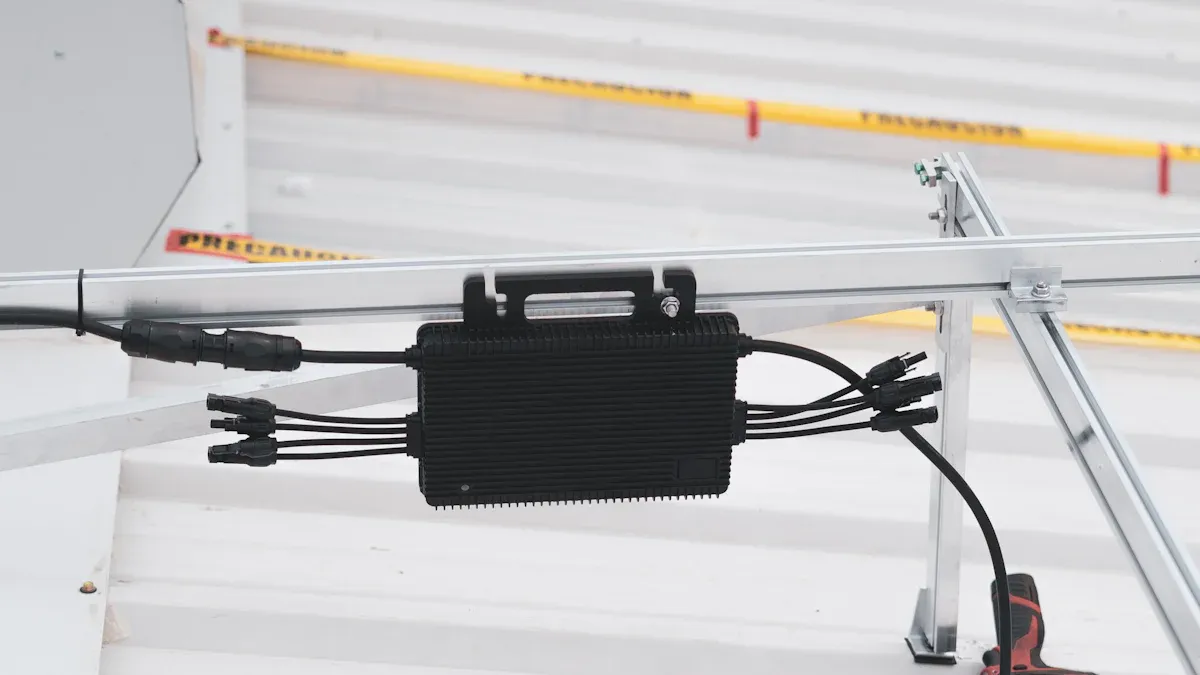
Tip: You get better safety and efficiency when you choose a 10mm Solar Cable for your home solar system. A 6mm cable may work for smaller setups or short runs. Always check your system’s voltage and current before you pick the right cable size.
Key Takeaways
- Choose a 10mm solar cable for larger or long-distance systems to ensure safety, reduce power loss, and allow future expansion.
- Use a 6mm cable only for small, low-power setups with short cable runs to save money while keeping your system safe.
- Always check your system’s voltage, current, and cable length before selecting cable size, and consult a professional or use a calculator to get the right fit.
Key Factors for Choosing Solar Cable Size

System Voltage and Current
You need to know your system’s voltage and current before picking a cable size. Higher voltage systems often use thinner cables, while higher current needs thicker cables. If your solar panels produce a lot of current, you should choose a thicker cable to handle the load safely. Always check the specifications of your inverter and panels.
Cable Length Considerations
Longer cable runs cause more power loss. If you place your solar panels far from your battery or inverter, you need a thicker cable to reduce voltage drop. A short cable run lets you use a thinner cable without much loss. Measure the distance before you buy your cable.
Tip: Try to keep cable runs as short as possible to save money and improve efficiency.
Power Output Needs
The total power your system produces affects your cable choice. If you have a large solar array, you need a cable that can handle more power. Small systems with low output can use thinner cables. Always match the cable to your system’s maximum output.
Safety and Electrical Regulations
You must follow local electrical codes when installing a solar cable. These rules help prevent overheating and fire risks. Using the right cable size keeps your system safe and legal. If you are unsure, check with a licensed electrician.
When 6mm Solar Cable is Sufficient
Small Solar Systems
You can use a 6mm cable for small solar systems. If your solar setup only powers a few lights or a small appliance, this cable size works well. Small systems do not draw much current. The cable does not get hot or lose much power. You keep your system safe and simple.
Note: Always check the maximum current your panels produce. Make sure the cable can handle it.
Short Cable Runs
A short cable run means the distance from your solar panels to your battery or inverter is not far. If you keep this distance under 10 meters, a 6mm cable usually works. Short runs have less voltage drop. You do not lose much energy along the way.
- Measure the distance before you buy your cable.
- Try to place your panels close to your power storage.
Low Power Applications
If you use your solar system for low power needs, a 6mm cable is often enough. For example, you might use it for charging small devices, running a few LED lights, or powering a small water pump. These uses do not need a thick cable.
| Application | Typical Power (Watts) | Suitable Cable Size |
|---|---|---|
| LED Lighting | 10-50 | 6mm |
| Phone Charging | 5-20 | 6mm |
| Small Water Pump | 20-100 | 6mm |
Budget-Friendly Installations
You might want to save money on your solar project. A 6mm cable costs less than a thicker one. If your system is small and your cable runs are short, you can choose this size and stay within your budget. You still get safe and reliable power.
Tip: Do not pick a cable just because it is cheaper. Always check your system’s needs first.
When 10mm Solar Cable is Necessary
Large Solar Systems
If you have a large solar system, you need a thicker cable. A 10mm cable can handle more current than a 6mm cable. This means you can connect more solar panels and get more power. You avoid overheating and keep your system safe. Many homes with big solar arrays use a 10mm cable for this reason.
Tip: Always check the total current your panels produce. A large system often needs a cable that can carry higher amps.
Long Cable Runs
Long cable runs cause voltage drop. If your solar panels sit far from your inverter or battery, you lose power along the way. A 10mm cable helps reduce this loss. You get more of the power your panels make. For cable runs longer than 10 meters, a 10mm cable is usually the best choice.
- Measure the distance from your panels to your inverter.
- Use a thicker cable for longer runs to keep your system efficient.
High Power Output
Some solar systems produce a lot of power. If your system has high wattage, you need a cable that can handle it. A 10mm cable supports higher power output without getting too hot. This keeps your system running safely and smoothly.
| System Size (kW) | Recommended Cable Size |
|---|---|
| Up to 2kW | 6mm |
| 2kW - 5kW | 10mm |
| Over 5kW | 10mm+ |
Note: High power systems need careful planning. Always match your cable to your system’s maximum output.
Planning for Future Expansion
You might want to add more panels later. If you use a 10mm cable now, you make future upgrades easier. You do not need to replace your cable if you expand your system. This saves time and money in the long run. Many installers recommend a thicker cable for this reason.
- Think about your future energy needs.
- Choose a cable that supports possible upgrades.
A 10mm solar cable gives you flexibility, safety, and better performance for bigger or growing systems.
Comparing 6mm vs 10mm Solar Cable
Cost Differences
You will notice a price difference when you shop for cables. A 6mm cable usually costs less than a 10mm cable. If you have a small system, you can save money by choosing the thinner cable. For bigger systems, the extra cost of a 10mm cable gives you better safety and performance. Always balance your budget with your system’s needs.
| Cable Size | Typical Price per Meter | Best Use Case |
|---|---|---|
| 6mm | Lower | Small, short systems |
| 10mm | Higher | Large, long systems |
Installation and Handling
You will find that a 6mm cable is lighter and easier to bend. This makes it simple to install, especially in tight spaces. A 10mm cable feels heavier and stiffer. You may need more effort to pull it through walls or conduits. If you plan to do the installation yourself, think about how easy each cable will be to handle.
Tip: Use cable clips or ties to keep your cables neat and safe.
Performance and Efficiency
A 10mm cable carries more current with less voltage drop. This means you get more power from your solar panels to your inverter or battery. If you use a 6mm cable for a large system, you might lose some energy as heat. For the best efficiency, match your cable size to your system’s power needs.
Safety Margin
A thicker cable gives you a bigger safety margin. A 10mm solar cable can handle higher currents without overheating. This lowers the risk of fire or damage. If you want peace of mind, choose a cable that can handle more than your system’s maximum load.
How to Calculate the Right Solar Cable Size
Step-by-Step Sizing Guide
You can find the right cable size by following a few simple steps.
- Find your system’s voltage and current. Check your solar panel and inverter labels for these numbers.
- Measure the distance. Use a tape measure to find the length from your panels to your inverter or battery.
- Decide on the maximum voltage drop. Most people use a 3% voltage drop as a safe limit.
- Use a cable size chart. Match your current and distance to the chart to see which cable size you need.
- Check local codes. Make sure your choice meets safety rules in your area.
Tip: Always round up to the next cable size if you are unsure.
Using Online Solar Cable Calculators
You can use online tools to make this job easier. These calculators ask for your voltage, current, and cable length. You enter the numbers, and the tool tells you the best cable size. Many solar websites offer free calculators. This method saves time and helps you avoid mistakes.
Consulting a Professional
If you feel unsure, talk to a licensed electrician or solar installer. Professionals know how to check your system and local rules. They can help you pick the safest and most efficient cable size. You get peace of mind and a safer installation.
- Choose a 10mm cable for most home systems to get better safety and future-proofing.
- Pick a 6mm cable for small, low-power, or short runs.
Tip: Always double-check your numbers. Use a cable sizing calculator or ask a professional to make sure you get the right fit.
FAQ
Can I mix 6mm and 10mm cables in one solar system?
You can mix cable sizes, but you must match each cable to its current load. Always check with a professional before you do this.
What happens if I use a cable that is too thin?
A thin cable can overheat and lose power. You risk damaging your system or causing a fire. Always choose the right size for safety.
Does cable color matter for solar installations?
Cable color helps you identify positive and negative wires. Red usually means positive. Black means negative. Always follow local wiring codes for safety.
Tip: Label your cables clearly to avoid confusion during installation or maintenance.