
 Send Email
 Whatsapp


How to Choose the Right PV DC Cable for Large-Scale Solar Projects
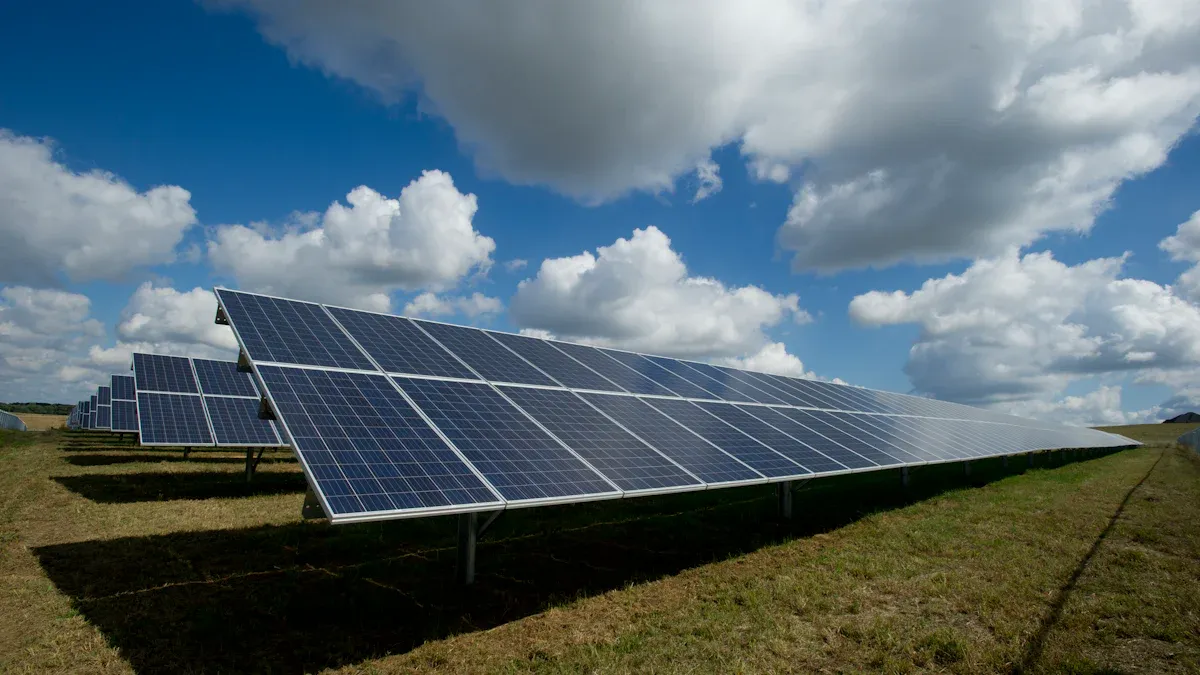
Precise PV DC Cable selection is paramount for large-scale solar project safety. You ensure safety when you pick cables carefully. This maximizes efficiency and makes your solar installation last longer. You also avoid voltage drop, overheating, and early cable damage.
Key Takeaways
- Choose PV DC cables carefully for solar projects. This ensures safety and makes your system last longer.
- Look at cable voltage, current, and materials. These choices affect how well your solar system works.
- Always pick cables with safety certifications. This helps your project follow rules and stay safe.
Understanding PV DC Cable Selection Fundamentals
Defining PV DC Cables for Solar Applications
You use PV DC cables in solar power systems. These cables specifically carry direct current (DC) electricity. They move power from your solar panels to inverters. Unlike standard electrical wires, PV DC cables are tough. Manufacturers design them to withstand harsh outdoor environments. They resist UV radiation, extreme temperatures, and moisture. This special design ensures your solar array operates safely and efficiently.
The Critical Role of Cables in System Performance
Cables play a vital role in your solar system's performance. They are the pathways for electricity. Good cables deliver power with minimal loss. They ensure your panels' energy reaches the inverter effectively. High-quality cables prevent energy waste. They also help your entire system run reliably for many years. You get the most power from your solar investment with the right cables.
Consequences of Suboptimal Cable Choices
Choosing the wrong cables creates many problems. You might experience significant voltage drop. This means you lose power before it reaches the inverter. Cables can also overheat. Overheating reduces efficiency and poses a fire risk. Poor quality cables degrade quickly. They become brittle or crack under sun exposure. This shortens your system's lifespan. Bad PV DC cable selection leads to lower energy output and higher maintenance costs.
Key Technical Specifications for PV DC Cable Selection
Understanding these specifications is paramount for effective PV DC cable selection. You must carefully evaluate several technical aspects to ensure your large-scale solar project operates safely and efficiently.
Voltage Rating Requirements for Large-Scale Systems
You must consider the voltage rating of your PV DC cables. This rating tells you the maximum voltage the cable can safely handle. Large-scale solar projects often have high system voltages. You need cables that can withstand these high voltages without breaking down. Always choose a cable with a voltage rating higher than your system's maximum open-circuit voltage. This provides a safety margin. For example, if your system reaches 1000V, you might choose a cable rated for 1500V. This prevents electrical breakdown and ensures long-term safety.
Current-Carrying Capacity and Ampacity Calculations
Next, you calculate the current-carrying capacity. People also call this ampacity. This is the maximum current a cable can carry continuously without overheating. You determine ampacity based on the maximum current your solar array produces. You also apply derating factors. These factors account for high ambient temperatures. They also consider cables bundled together or cables installed in conduits. Overlooking these factors can lead to undersized cables. Undersized cables overheat. They lose efficiency. They also pose fire risks. Always use conservative calculations to ensure safety and performance.
Cross-Sectional Area and Voltage Drop Impact
The cable's cross-sectional area directly impacts voltage drop. A larger cross-sectional area means lower resistance. Lower resistance reduces voltage drop. Voltage drop is the loss of electrical potential as current travels through the cable. Significant voltage drop reduces the power reaching your inverter. This lowers your system's overall efficiency. It also reduces energy output. You calculate voltage drop to ensure it stays within acceptable limits. These limits are usually 1-3% for large-scale projects. Choosing the correct cross-sectional area is crucial for maximizing energy harvest.
Temperature Rating and Environmental Considerations
Finally, consider the cable's temperature rating. This rating indicates the maximum conductor temperature the cable can withstand continuously. Solar Cables often operate in harsh environments. They face direct sunlight. They also face high ambient temperatures. Heat generated by current flow also affects them. You need cables designed for these conditions. High temperatures can degrade insulation. They also reduce cable lifespan. Ensure your chosen cables have a temperature rating suitable for the hottest conditions at your project site. This prevents premature cable failure. It also maintains system reliability. Careful consideration of these technical specifications ensures robust and efficient PV DC cable selection for your large-scale solar project.
Material Considerations in PV DC Cable Selection
You must carefully consider the materials in your PV DC cables. These materials directly affect how well your solar project performs. They also impact its safety and how long it lasts. Choosing the right materials helps your system work efficiently for many years.
Conductor Materials: Copper vs. Aluminum for Efficiency
You have two main choices for conductor materials: copper or aluminum. Each has its own benefits.
- Copper: Copper is an excellent conductor. It carries electricity very well. Copper cables are strong and resist corrosion. They are also more flexible. This makes them easier to install. However, copper is more expensive. It is also heavier than aluminum.
- Aluminum: Aluminum is lighter and costs less than copper. It still conducts electricity well, but not as efficiently as copper. You need a larger aluminum cable to carry the same amount of current as a copper cable. Aluminum can also be more prone to corrosion at connection points. You must use special connectors for aluminum cables.
You weigh the cost against performance and ease of installation. For many large-scale projects, copper offers better long-term reliability and efficiency, even with a higher upfront cost.
Insulation Properties for Durability and Safety
The insulation around the conductor is very important. It prevents electricity from escaping the cable. It also protects you from electric shock. Good insulation ensures durability and safety.
You look for materials like XLPE (Cross-Linked Polyethylene) or EPR (Ethylene Propylene Rubber). These materials offer excellent electrical resistance. They also withstand high temperatures. They resist chemicals and abrasions. High-quality insulation prevents short circuits. It also keeps your system safe from electrical faults. Poor insulation can crack or degrade over time. This creates dangerous situations and reduces system efficiency.
Sheath Materials for Environmental Protection
The outer layer of the cable is the sheath. It protects the inner parts from the environment. This includes physical damage and harsh weather.
You need a sheath material that is tough. It must resist cuts, tears, and impacts. Materials like PVC (Polyvinyl Chloride) or specialized rubber compounds are common. These materials protect the cable from mechanical stress. They also shield it from chemicals and oils. A strong sheath ensures the cable's integrity. It helps the cable last longer in outdoor conditions.
UV, Ozone, and Moisture Resistance
PV DC cables operate outdoors. They face constant exposure to sunlight, air, and moisture. You need cables that can resist these elements.
- UV Resistance: Sunlight contains ultraviolet (UV) rays. UV rays can break down many materials. This makes them brittle and causes cracks. You choose cables with UV-resistant sheaths. These sheaths contain special additives. They protect the cable from sun damage.
- Ozone Resistance: Ozone is a gas in the atmosphere. It can also degrade cable materials over time. Cables designed for solar applications resist ozone. This prevents premature aging and cracking.
- Moisture Resistance: Water and humidity can cause electrical problems. They can also corrode conductors. You select cables with excellent moisture resistance. Their insulation and sheath materials prevent water from entering. This protects the conductors and maintains electrical integrity.
Considering these material properties is a crucial step in effective PV DC cable selection. It ensures your solar project remains safe, efficient, and durable for its entire lifespan.
Ensuring Safety and Compliance in PV DC Cable Selection
You must prioritize safety and compliance when choosing PV DC cables. These factors protect your investment. They also ensure the long-term reliability of your solar project.
Fire Performance and Flame Retardancy Standards
Fire safety is critical for any electrical installation. You need cables that resist fire. Look for cables that meet specific flame retardancy standards. These standards ensure the cable will not spread fire. They also limit smoke production. For example, you might look for cables rated to IEC 60332 or UL 1685. These ratings mean the cable has passed rigorous fire tests. Choosing fire-resistant cables protects your equipment. It also safeguards personnel.
Industry Certifications (UL, TUV, IEC)
Certifications provide independent verification of cable quality. You should always choose cables with recognized industry certifications. Organizations like Underwriters Laboratories (UL), Technischer Überwachungsverein (TÜV), and the International Electrotechnical Commission (IEC) test cables. They ensure cables meet strict performance and safety criteria. A UL 4703 certification, for instance, confirms the cable is suitable for photovoltaic applications. These certifications give you confidence in your PV DC cable selection. They show the cable meets global standards.
Adhering to Local Electrical Codes and Regulations
Every region has specific electrical codes. You must follow these codes. Local regulations dictate cable types, installation methods, and safety requirements. For example, the National Electrical Code (NEC) in the United States sets standards for solar installations. Ignoring these codes can lead to fines. It can also create unsafe conditions. Always consult with local authorities. Ensure your chosen cables and installation practices comply with all applicable laws. This step is vital for project approval and safe operation.
Practical Aspects of PV DC Cable Selection and Installation
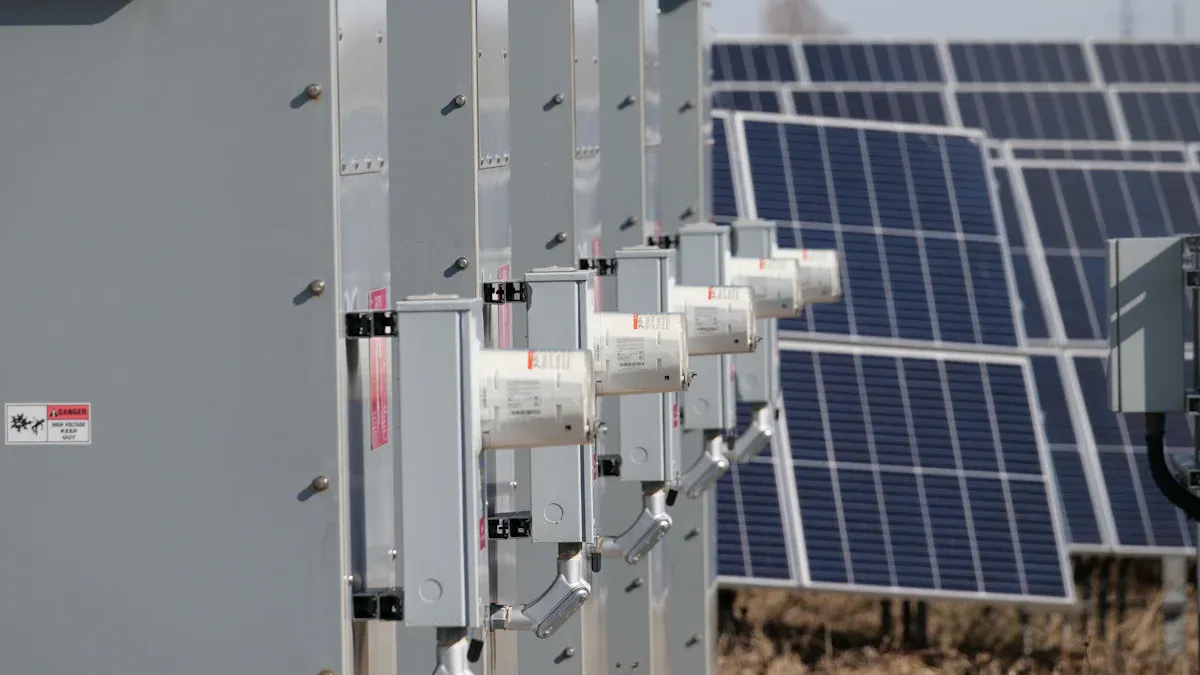
You must consider practical aspects for successful PV DC cable selection and installation. These choices directly impact your project's efficiency and lifespan.
Installation Methods and Cable Routing Strategies
You need to plan how you install your cables. You can bury some cables directly in the ground. Others go into conduits or cable trays. Always avoid sharp bends when routing cables. Sharp bends can damage the cable's internal structure. You must support cables properly. This prevents sagging and strain. Good routing minimizes cable length. Shorter cables reduce voltage drop. This improves your system's performance.
Environmental Factors Affecting Cable Performance
Your cables face many environmental challenges. They endure extreme temperatures, both hot and cold. High humidity can also affect them. Direct sunlight exposure is constant. These factors can degrade cable materials over time. You must choose cables designed for your specific site conditions. For example, a desert climate needs cables that handle intense heat. A coastal area requires cables resistant to salt and moisture.
Mechanical Stress and Abrasion Resistance Needs
Cables experience mechanical stress. This happens during installation when you pull them. Animals might chew on them. Foot traffic or equipment movement can cause damage. Wind can also make cables rub against structures. You need cables with strong outer sheaths. These sheaths resist cuts, tears, and abrasion. A robust cable prevents physical damage. This ensures continuous power flow and system safety.
Common Pitfalls in PV DC Cable Selection
You want your large-scale solar project to succeed. Avoid common mistakes when choosing your cables. These errors can cost you money and reduce efficiency.
Underestimating Voltage Drop Calculations
You might overlook small voltage drops. However, these losses add up over long cable runs. Significant voltage drop means less power reaches your inverter. This directly reduces your system's energy output. Always perform accurate voltage drop calculations. This ensures your cables deliver maximum power.
Ignoring Specific Environmental Conditions
Your project site has unique weather. Cables face intense heat, extreme cold, or high humidity. They also endure constant UV radiation. If you choose cables not designed for these conditions, they will degrade quickly. This leads to early failures and costly replacements. Select cables specifically rated for your site's environment.
Prioritizing Initial Cost Over Long-Term Quality
You might choose cheaper cables to save money upfront. This often becomes a false economy. Low-quality cables break down faster. They offer less resistance to environmental stress. You will face higher maintenance costs and frequent replacements. Investing in high-quality cables ensures long-term reliability and better performance.
Neglecting Future Expansion and DC/AC Ratio
Solar projects often expand. You might add more panels later. If you do not plan for this, your existing cables may be too small. This creates bottlenecks. Also, consider your system's DC/AC ratio. This ratio affects the current your cables carry. Always size your cables with future growth and system design in mind.
You achieve long-term success with meticulous PV DC cable selection. You ensure project safety and efficiency. Remember critical factors: voltage, current, material quality, and safety certifications. Choose robust cables. This builds efficient, durable large-scale solar projects.
FAQ
Why can't you use regular electrical wires for solar projects?
Regular wires do not withstand harsh outdoor conditions. PV DC cables resist UV, extreme temperatures, and moisture. They ensure your solar system operates safely and efficiently.
What do UL or TUV certifications mean for PV DC cables?
These certifications mean independent groups tested the cables. They meet strict safety and performance rules. You can trust these cables for your solar project.
How does voltage drop affect your solar system?
Voltage drop means you lose power as it travels through cables. This reduces the energy reaching your inverter. Your system produces less electricity. 📉