
 Send Email
 Whatsapp


How to Choose the Right PV Cable Manufacturer for Your Business

PV cables are critical for your solar project's performance and safety. You rely on these specialized Solar Cables for efficient energy transfer and system integrity. Therefore, making an informed decision when selecting a manufacturer is paramount for your business's long-term success.
Key Takeaways
- Understand your project's needs, like size and weather, before choosing PV cables.
- Check the manufacturer's product quality, certifications, and warranty for reliable cables.
- Look at the manufacturer's experience, support, and pricing to make a smart choice.
Understand Your Specific Solar Cable Needs
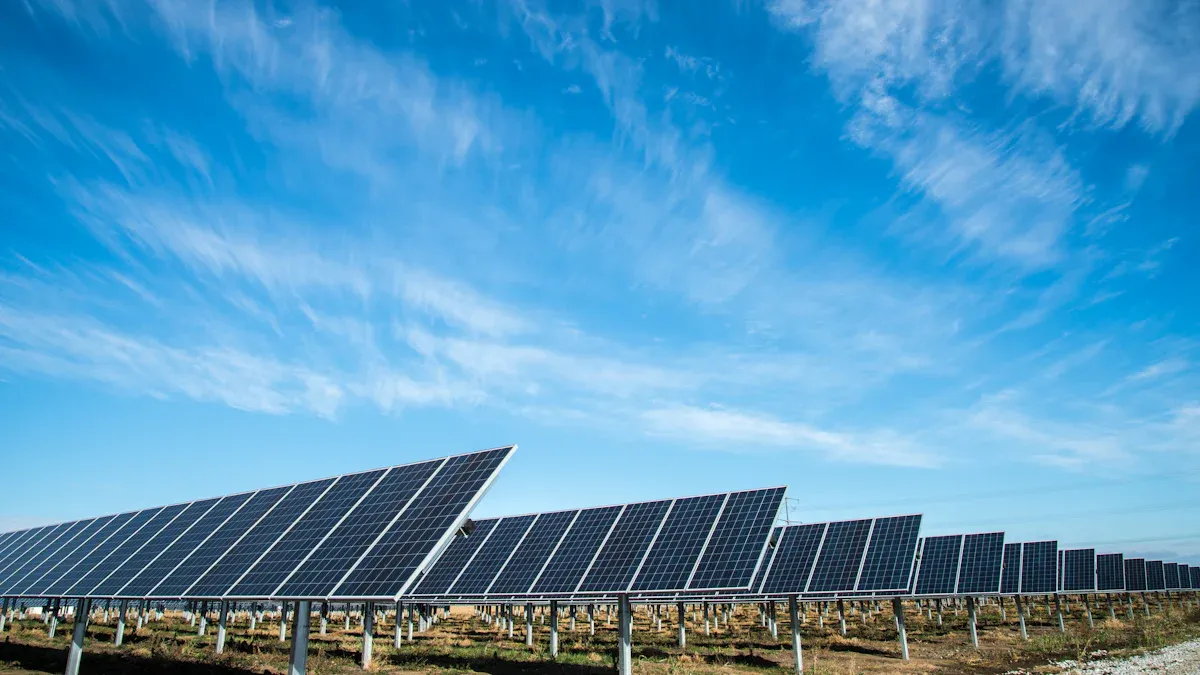
Before you select a PV cable manufacturer, you must clearly define your project's unique requirements. This crucial initial step ensures you choose the most suitable products for your solar installation.
Project Scale and Type
Your solar project's size and design significantly influence your cable selection. A small residential rooftop system, for example, has different demands than a large utility-scale solar farm. Consider whether your project is ground-mounted, rooftop, or even a specialized floating array. Each project type presents unique challenges for cable routing, protection, and overall system integration.
Environmental Conditions
Carefully evaluate the environmental conditions where your solar cable will operate. Will the cables face extreme temperatures, both hot and cold? Is there high humidity, heavy rainfall, or intense UV radiation? Cables exposed to harsh outdoor elements require robust insulation and jacketing materials. Also, consider potential risks like abrasion, animal damage, or chemical exposure. These factors directly impact the cable's long-term durability and performance.
Required Cable Specifications
You need to determine the precise technical specifications for your cables. This includes essential details like voltage and current ratings. Decide on the conductor material, typically copper or aluminum, based on efficiency and cost. Define the insulation type and the cable's cross-sectional area. These specific details ensure efficient power transmission, prevent overheating, and maintain system integrity.
Compliance with Standards
Always ensure your chosen cables meet all relevant industry standards and local electrical codes. International standards such as IEC 62930 or Ul 4703 are crucial for PV applications. Compliance guarantees the safety, reliability, and optimal performance of your solar system. It also helps you avoid costly issues during inspections and ensures long-term operational success.
Evaluate Manufacturer's Product Quality and Certifications for PV Cables
Certifications and Standards Compliance
You must verify a manufacturer's certifications. These documents confirm their products meet strict industry standards. Look for recognized certifications like UL, TUV, or IEC. These certifications guarantee the solar cable meets critical safety and performance benchmarks. They demonstrate the manufacturer's commitment to producing reliable components. Compliance also helps you avoid potential project delays or failures.
Material Quality and Durability
Examine the materials used in the solar cable. High-quality insulation and jacketing materials are essential. They must resist harsh environmental factors like UV radiation, extreme temperatures, and abrasion. The conductor material, typically copper or aluminum, must ensure efficient power transfer without excessive loss. Durable materials significantly extend the cable's operational lifespan. They prevent premature degradation and maintain system efficiency.
Manufacturing Processes and Quality Control
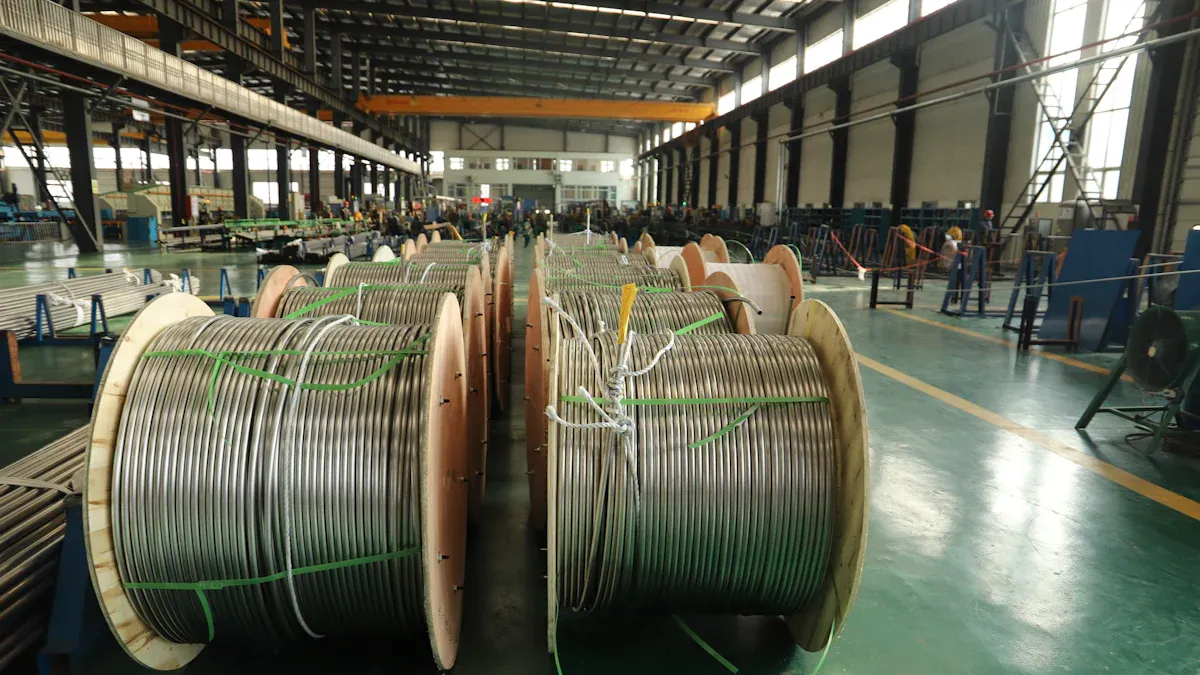
A reputable manufacturer employs rigorous manufacturing processes. They implement strict quality control measures at every stage of production. This includes thorough raw material inspection and comprehensive final product testing. Strong quality control minimizes defects and ensures consistent product performance. Ask about their specific testing protocols and how they maintain consistency across batches. This insight reveals their dedication to excellence.
Warranty and Product Lifespan
A strong warranty reflects a manufacturer's confidence in their product. Understand the warranty terms and duration for their PV cables. A longer warranty period often indicates higher product reliability and a commitment to customer satisfaction. You need PV cables that perform reliably for many years, matching the lifespan of your solar panels. This protects your long-term investment and reduces future maintenance costs.
Assess Manufacturer's Experience and Reputation in Solar Cable Production
Years in Business and Specialization
You should investigate how long a manufacturer has produced PV cables. A company with many years in the business often possesses deep expertise. They understand the specific challenges of solar installations. Look for manufacturers specializing in these critical components. This specialization means they focus their resources on improving their products. Their long history suggests reliability and a proven track record.
Client Testimonials and Case Studies
Always seek out client testimonials and case studies. These provide real-world evidence of a manufacturer's performance. Happy customers indicate satisfaction with product quality and service. Case studies show how their products perform in various projects. You can see their offerings in action. This helps you gauge their reliability and problem-solving abilities.
Industry Recognition and Awards
Industry awards and recognition validate a manufacturer's quality. These accolades show that industry experts respect their products. They often highlight innovation or superior performance. Look for companies recognized by reputable organizations. Such recognition confirms their commitment to excellence. It also builds confidence in their offerings.
Financial Stability and Production Capacity
You need a financially stable manufacturer. This ensures they can support warranties and long-term partnerships. A stable company will be around for future needs. Also, assess their production capacity. Can they meet your project's volume and deadlines? A manufacturer with robust capacity delivers your solar cable on time. This prevents costly project delays.
Consider Technical Support and Customer Service for PV Cable Solutions
Excellent technical support and customer service are vital. They ensure smooth project execution and long-term satisfaction. You need a manufacturer who stands by their products and supports your business.
Pre-Sales Consultation and Technical Assistance
You need expert guidance before making a purchase. A reputable manufacturer offers comprehensive pre-sales consultation. They help you understand product specifications. They assist you in selecting the most suitable solar cable for your project's unique demands. This technical assistance ensures you make informed decisions. It helps you avoid costly mistakes later.
Post-Sales Support and Troubleshooting
Your relationship with a manufacturer extends beyond the sale. You need reliable post-sales support. This includes assistance with installation questions or troubleshooting any issues that arise. A good manufacturer provides clear instructions and responsive help. They ensure your system operates efficiently. This support minimizes downtime and maximizes your investment.
Responsiveness and Communication
Effective communication is crucial. You expect prompt responses to your inquiries. A manufacturer should communicate clearly and consistently. They keep you informed about orders, deliveries, and any potential challenges. This responsiveness builds trust. It ensures you always know the status of your components.
Customization Capabilities
Your projects often have specific requirements. You might need cables with unique lengths, colors, or specialized insulation. A flexible manufacturer offers customization options. They adapt their products to meet your exact needs. This capability ensures a perfect fit for your solar installations. It avoids compromises on performance or safety.
Analyze Pricing, Logistics, and Supply Chain for Solar Cables
You must carefully evaluate a manufacturer's pricing structure and logistical capabilities. These factors directly impact your project budget and timeline. A reliable supply chain ensures your solar installations proceed without interruption.
Competitive Pricing vs. Value Proposition
Do not just look for the lowest price. Consider the overall value proposition. A slightly higher-priced solar cable might offer superior durability, better performance, or extended warranty. These benefits reduce long-term costs and risks. Evaluate the total cost of ownership, not just the initial purchase price. Quality components prevent expensive replacements and downtime.
Lead Times and Delivery Reliability
Timely delivery is crucial for project success. Inquire about a manufacturer's typical lead times. Confirm their ability to meet your project deadlines. Delays in receiving materials can halt your entire installation schedule. Choose a manufacturer with a proven track record for reliable and on-time deliveries. This prevents costly project setbacks.
Shipping and Logistics Capabilities
Assess the manufacturer's shipping and logistics network. Do they offer efficient shipping options to your project locations? Understand their packaging methods to ensure safe transit. A manufacturer with robust logistics can handle complex shipping requirements. This minimizes transit damage and ensures your materials arrive in good condition.
Inventory Management and Availability
A manufacturer's inventory management impacts your supply. Ask about their stock levels for common cable types. Can they quickly fulfill large orders? A manufacturer with strong inventory control can prevent stockouts. This ensures a consistent supply of the solar cable you need. Reliable availability supports your project continuity.
Request Samples and Conduct Due Diligence on PV Cable Manufacturers
You must take proactive steps to verify a manufacturer's claims. Requesting samples and performing thorough due diligence protects your investment. These actions ensure you partner with a reliable supplier.
Requesting Product Samples for Evaluation
Always request product samples. This allows you to physically inspect the PV cables. You can assess the material quality firsthand. Check the insulation flexibility and jacket durability. Perform your own tests if possible. Compare samples from different manufacturers. This direct comparison helps you evaluate their claims. It ensures the cables meet your specific quality expectations.
Site Visits or Virtual Tours
Consider visiting the manufacturer's facility. A site visit provides valuable insight into their operations. You can observe their manufacturing processes. Assess their quality control procedures directly. If an on-site visit is not feasible, request a virtual tour. This still offers a glimpse into their production environment. It helps you confirm their commitment to quality and efficiency.
Reviewing Contracts and Terms of Service
Thoroughly review all contracts and terms of service. Understand the warranty details. Clarify payment terms and delivery schedules. Pay close attention to clauses regarding product liability and returns. Seek legal advice if necessary. A clear understanding of these documents prevents future disputes. It protects your business interests in the long run.
You have explored key factors: product quality, manufacturer experience, technical support, and supply chain. Selecting the right PV cable partner ensures your solar project's long-term performance, safety, and profitability. Make a confident, informed decision. This strategic choice benefits your business significantly.
FAQ
What is the difference between PV cable and regular electrical cable?
PV cables are specifically designed for solar applications. They resist UV radiation, extreme temperatures, and moisture. Regular electrical cables do not offer this specialized protection.
How important are certifications for PV cables?
Certifications are very important. They guarantee the cable meets safety and performance standards. You ensure reliability and compliance with industry regulations.
Can I use aluminum PV cables for my project?
You can use aluminum PV cables. They are lighter and often more cost-effective. However, you must consider their conductivity and termination requirements.