

 Send Email
 Whatsapp


How to Resolve Solar Connectivity Issues with Aluminum Alloy Cables
How to Resolve Solar Connectivity Issues with Aluminum Alloy Cables
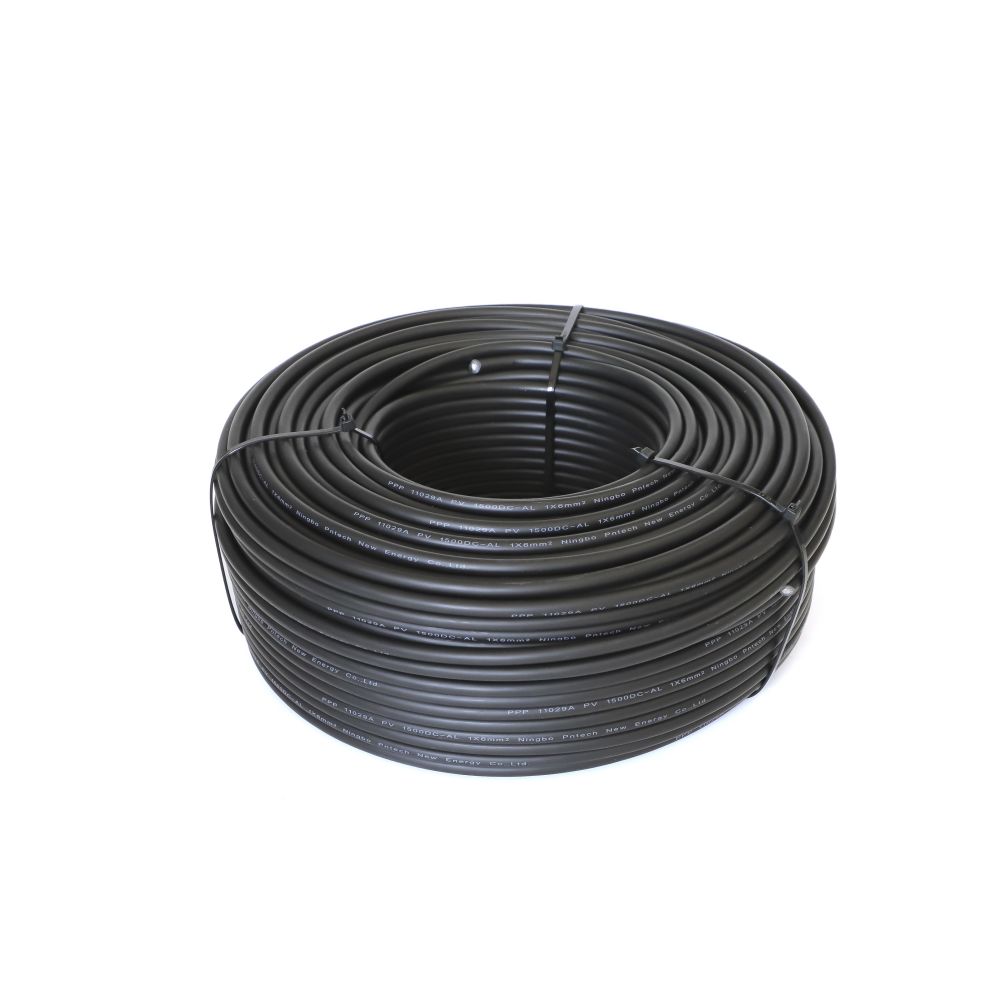
Are you facing connectivity issues in your solar system? The solution might be simpler than you think. Aluminum alloy cables, like the Solar Photovoltaic Aluminum Alloy Cable PPP-4mm², offer a reliable fix. These cables enhance conductivity, ensuring your solar panels work efficiently. They also resist corrosion, which means they last longer even in harsh weather. By choosing these cables, you invest in a more stable and efficient solar energy system. Say goodbye to frequent connectivity problems and hello to consistent energy flow.
Key Takeaways
- Aluminum alloy cables enhance electrical conductivity, ensuring your solar panels operate at peak efficiency.
- These cables resist corrosion, making them ideal for harsh weather conditions and extending the lifespan of your solar system.
- Choosing the right cable type is crucial; assess your system's requirements to select cables that match your energy output and distance needs.
- Proper installation practices, such as planning cable routes and using quality connectors, are essential for maximizing performance.
- Regular maintenance, including inspections and cleaning, helps prevent minor issues from escalating and ensures consistent energy production.
- Investing in aluminum alloy cables is cost-effective, providing high-quality performance without excessive costs.
Identifying Common Solar Connectivity Issues
Poor Electrical Conductivity
You might notice your solar panels not performing at their best. Poor electrical conductivity often causes this. When the cables can't efficiently carry electricity, your system loses power. This inefficiency can lead to reduced energy output. You need cables that ensure a smooth flow of electricity. Aluminum alloy cables, like the PPP-4mm², offer enhanced conductivity. They help maintain optimal performance in your solar setup.
Corrosion and Weather Impact
Weather can be harsh on solar systems. Rain, snow, and extreme temperatures can cause corrosion. Corroded cables lose their ability to conduct electricity effectively. This can lead to frequent connectivity issues. You want cables that resist corrosion and withstand weather changes. Aluminum alloy cables excel in this area. Their design ensures durability and longevity, even in tough conditions. By using these cables, you protect your system from weather-related damage.
High Resistance Connections
High resistance in connections can disrupt your solar system's efficiency. When resistance increases, it creates heat. This heat can damage components and reduce energy flow. You need to ensure all connections have low resistance. Aluminum alloy cables help achieve this. They provide stable and reliable connections. With these cables, you minimize resistance issues and enhance your system's overall performance.
Understanding the Role of Aluminum Alloy Cables
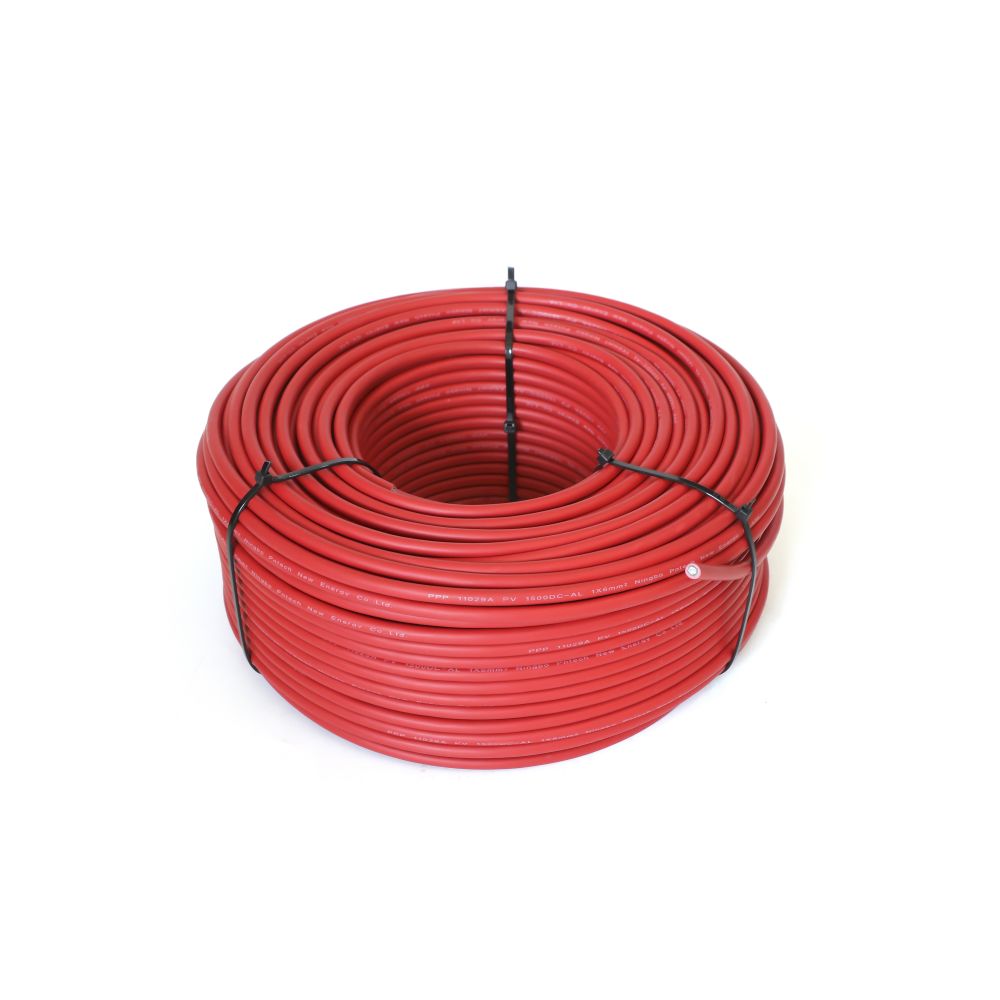
Aluminum alloy cables play a crucial role in enhancing the performance of your solar system. They offer several benefits that make them an excellent choice for solar connectivity.
Enhanced Conductivity
You want your solar panels to deliver maximum energy. Aluminum alloy cables, like the Solar Photovoltaic Aluminum Alloy Cable PPP-4mm², ensure this by providing enhanced conductivity. These cables allow electricity to flow smoothly, reducing energy loss. With better conductivity, your solar system operates more efficiently, giving you more power from the same amount of sunlight.
Corrosion Resistance
Outdoor conditions can be tough on cables. Rain, snow, and extreme temperatures can lead to corrosion, which affects performance. Aluminum alloy cables resist corrosion effectively. Their design ensures they withstand harsh weather, maintaining their integrity over time. By using these cables, you protect your solar system from weather-related damage, ensuring long-term reliability.
Cost-Effectiveness
Investing in aluminum alloy cables is a smart financial decision. They offer a balance between performance and cost. While they provide excellent conductivity and durability, they also come at a reasonable price. This cost-effectiveness makes them an attractive option for solar installations. You get high-quality performance without breaking the bank, making your solar project more affordable.
Step-by-Step Guide on Implementing Aluminum Alloy Cables
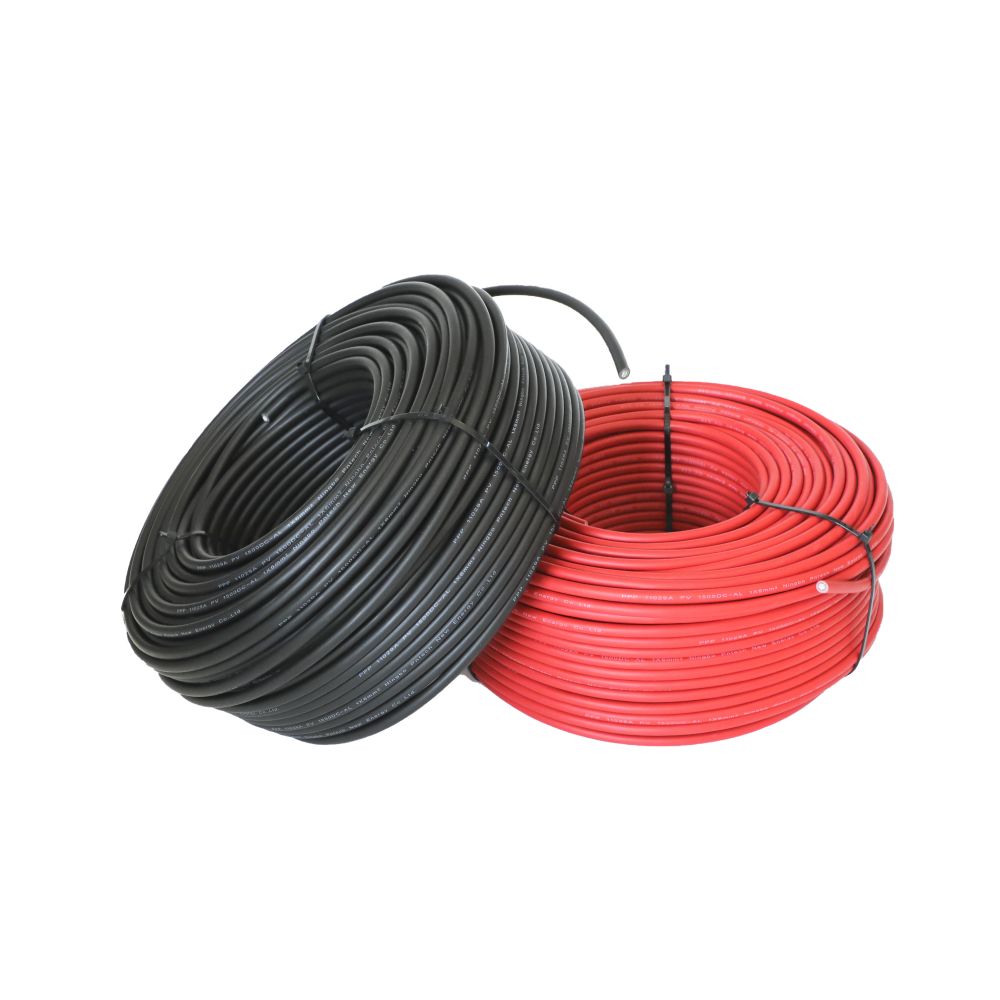
Implementing aluminum alloy cables in your solar system can significantly enhance its performance. Here's a step-by-step guide to help you through the process.
Assessing System Requirements
First, you need to assess your solar system's requirements. Determine the total energy output and the distance between components. This information helps you choose the right cable size and type. Consider factors like voltage drop and current carrying capacity. These elements ensure that your system operates efficiently. By understanding your system's needs, you can make informed decisions about the cables you require.
Selecting the Right Cable Type
Once you know your system's requirements, select the appropriate cable type. Aluminum alloy cables, such as the Solar Photovoltaic Aluminum Alloy Cable PPP-4mm², offer excellent conductivity and durability. Choose cables that match your system's specifications. Look for features like corrosion resistance and temperature tolerance. These characteristics ensure that your cables perform well under various conditions. Selecting the right cable type is crucial for maintaining a reliable solar system.
Installation Best Practices
Proper installation is key to maximizing the benefits of aluminum alloy cables. Follow these best practices to ensure a successful setup:
- Plan the Layout: Map out the cable routes before installation. This planning helps avoid unnecessary bends and reduces resistance.
- Use Quality Connectors: Invest in high-quality connectors to ensure stable connections. Poor connectors can lead to energy loss and system inefficiencies.
- Secure the Cables: Use appropriate clamps and ties to secure the cables. This prevents movement and reduces wear over time.
- Check for Damage: Inspect the cables for any signs of damage before installation. Damaged cables can compromise your system's performance.
- Test the System: After installation, test the system to ensure everything works correctly. Regular testing helps identify potential issues early.
By following these steps, you can effectively implement aluminum alloy cables in your solar system. This approach ensures optimal performance and longevity.
Troubleshooting Tips for Common Problems
Even with the best cables, issues can arise in your solar system. Knowing how to troubleshoot these problems can save you time and energy.
Identifying Connection Failures
Connection failures can disrupt your solar system's performance. You might notice a drop in energy output or inconsistent power supply. To identify these failures, start by inspecting all connections. Look for loose or corroded connectors. Tighten any loose connections and replace corroded ones. Use a multimeter to check for continuity. This tool helps you find breaks in the circuit. By ensuring all connections are secure, you maintain a stable energy flow.
Addressing Overheating Issues
Overheating can damage your solar system components. You might feel excessive heat around cables or notice melted insulation. To address this, first, check for high resistance connections. High resistance generates heat. Ensure all connections are tight and secure. Next, verify that cables are not overloaded. Compare the current load with the cable's capacity. If necessary, upgrade to a cable with a higher capacity. Proper ventilation also helps dissipate heat. Keep cables away from direct sunlight and ensure airflow around them.
Regular Maintenance Practices
Regular maintenance keeps your solar system running smoothly. Create a maintenance schedule to inspect your system periodically. Start by cleaning solar panels to remove dust and debris. This ensures maximum sunlight absorption. Next, check all cables and connections for wear and tear. Replace any damaged components promptly. Test the system's performance regularly. Look for any drops in energy output or efficiency. By staying proactive, you prevent minor issues from becoming major problems. Regular maintenance extends the life of your solar system and ensures consistent energy production.
Using aluminum alloy cables like the PPP-4mm² offers numerous benefits for your solar system. These cables enhance conductivity and resist corrosion, ensuring long-lasting performance. By choosing high-quality components, you invest in a sustainable energy solution that minimizes connectivity issues. Take proactive measures to maintain your system. Regular checks and timely upgrades keep everything running smoothly. For more details on these cables, visit this link. Remember, investing in quality today secures a brighter, greener tomorrow.
FAQ
What are aluminum alloy cables?
Aluminum alloy cables are electrical cables made from a combination of aluminum and other elements. This blend enhances their conductivity and strength. You often find them in solar systems due to their durability and efficiency.
Why should I choose aluminum alloy cables for my solar system?
You should choose aluminum alloy cables because they offer excellent conductivity and resist corrosion. These features ensure your solar system operates efficiently and lasts longer, even in harsh weather conditions.
How do aluminum alloy cables improve solar connectivity?
Aluminum alloy cables improve solar connectivity by providing enhanced conductivity. They allow electricity to flow smoothly, reducing energy loss. This ensures your solar panels deliver maximum energy output.
Are aluminum alloy cables cost-effective?
Yes, aluminum alloy cables are cost-effective. They offer a balance between performance and price. You get high-quality conductivity and durability without spending too much, making them a smart investment for solar installations.
Can aluminum alloy cables withstand harsh weather?
Absolutely! Aluminum alloy cables resist corrosion and withstand extreme temperatures. Their design ensures they maintain their integrity over time, even in tough outdoor conditions.
How do I select the right aluminum alloy cable for my system?
To select the right cable, assess your system's requirements. Consider factors like energy output, distance between components, and voltage drop. Choose cables that match these specifications for optimal performance.
What are the installation best practices for aluminum alloy cables?
Follow these best practices for installation:
- Plan the layout to avoid unnecessary bends.
- Use quality connectors for stable connections.
- Secure cables with appropriate clamps.
- Inspect cables for damage before installation.
- Test the system after setup to ensure everything works correctly.
How can I troubleshoot connection failures in my solar system?
To troubleshoot connection failures, inspect all connections for looseness or corrosion. Tighten loose connections and replace corroded ones. Use a multimeter to check for continuity and ensure a stable energy flow.
What should I do if my solar system overheats?
If your system overheats, check for high resistance connections. Ensure all connections are tight and secure. Verify that cables are not overloaded. Proper ventilation also helps dissipate heat, so keep cables away from direct sunlight.
How often should I perform maintenance on my solar system?
Perform regular maintenance to keep your system running smoothly. Create a schedule to inspect your system periodically. Clean solar panels, check cables and connections, and test performance regularly to prevent minor issues from becoming major problems.