

 Send Email
 Whatsapp


How to Choose Solar Cables for Plug-and-Play Balcony PV Kits
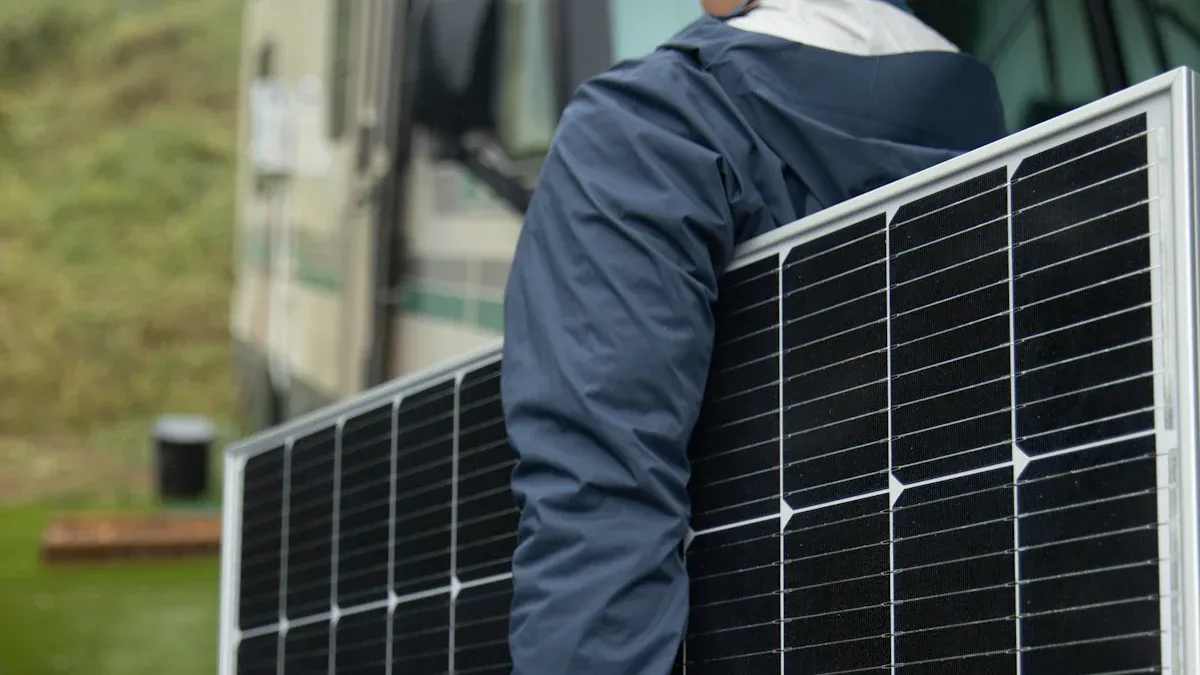
Choosing the right Solar Cables is essential for keeping your plug and play solar cable setup safe and efficient. When you select quality cables, you boost the performance and lifespan of your solar system. This way, you can enjoy clean energy from your balcony without worry.
Key Takeaways
- Choose solar photovoltaic (PV) cables with MC4 connectors for safe and efficient balcony setups.
- Ensure cables have the right voltage and current ratings to match your solar panels for optimal performance.
- Keep cable lengths under 50 feet to minimize voltage drop and maximize energy efficiency.
Understanding Solar Cables
Types of Plug and Play Solar Cables
When you dive into the world of solar energy, you'll find various types of cables designed for plug and play solar systems. Here are the most common types you might encounter:
-
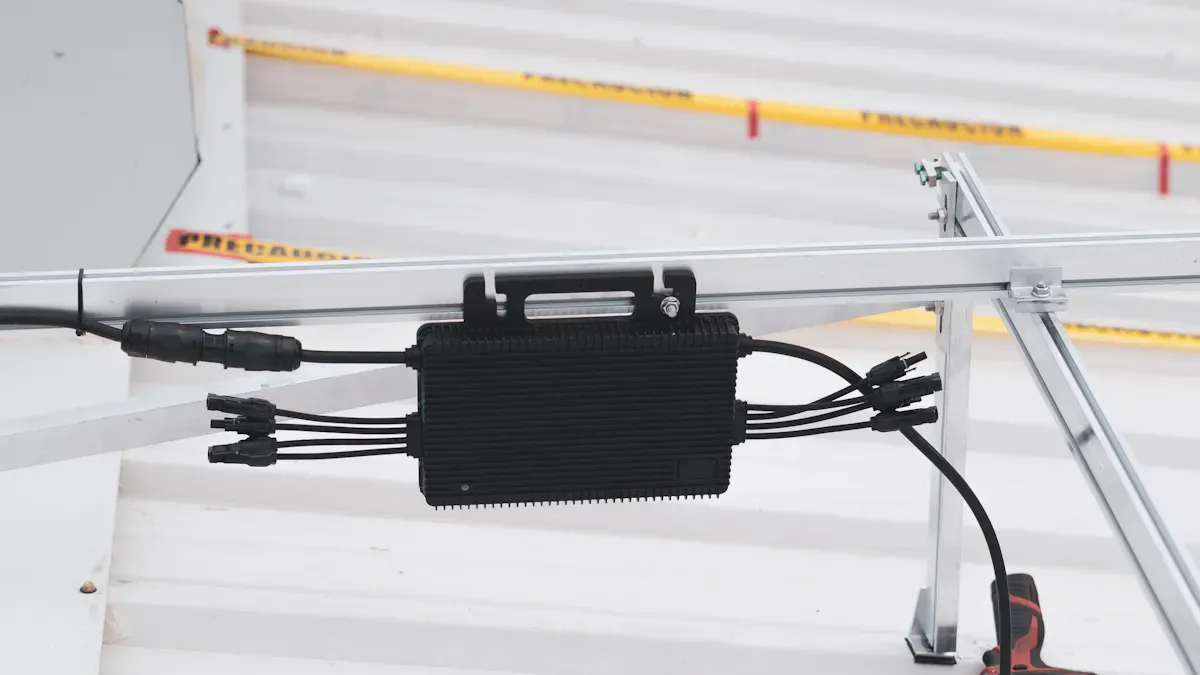
Solar Photovoltaic (PV) Cables: These cables are specifically designed for solar applications. They can handle high temperatures and resist UV radiation, making them ideal for outdoor use.
-
MC4 Connectors: These are standard connectors used in solar installations. They ensure a secure connection between solar panels and cables, allowing for easy plug-and-play setups.
-
Extension Cables: If your solar panels are a bit far from your inverter or battery, extension cables can help bridge that gap. Just make sure they match the specifications of your main cables.
Choosing the right type of cable is crucial for the efficiency of your solar system. Each type serves a specific purpose, so consider your setup carefully.
Key Specifications of Solar Cables
Now that you know the types of cables, let’s talk about the key specifications you should look for when selecting your plug and play solar cable:
-
Voltage Rating: Ensure the cable can handle the voltage produced by your solar panels. Most solar cables have a rating of 600V or 1000V.
-
Current Rating (Ampacity): This tells you how much current the cable can safely carry. Make sure it matches or exceeds the output of your solar panels.
-
Temperature Rating: Look for cables that can withstand high temperatures. A good temperature rating ensures your cables won’t degrade quickly in the sun.
-
Insulation Material: The insulation should be durable and resistant to UV rays and moisture. Common materials include PVC and cross-linked polyethylene (XLPE).
-
Length: The length of the cable matters. Longer cables can lead to voltage drops, so choose a length that minimizes this issue while still fitting your setup.
By understanding these specifications, you can select cables that not only fit your plug and play solar system but also enhance its performance and longevity.
Selection Criteria for Solar Cables
Compatibility with PV Kits
When choosing solar cables, you must ensure they are compatible with your plug and play solar cable system. Compatibility affects how well your solar setup performs. Here are some key points to consider:
-
Connector Types: Make sure the connectors on your cables match those on your solar panels and inverter. MC4 connectors are common, but double-check before purchasing.
-
Cable Gauge: The thickness of the cable, or gauge, should align with the requirements of your solar panels. Thicker cables can handle more current, which is essential for efficiency.
-
System Voltage: Your cables should support the voltage output of your solar panels. If your panels produce 600V, ensure your cables can handle that without risk.
Safety Standards for Solar Cables
Safety is paramount when dealing with electricity. You want to choose cables that meet industry safety standards. Here’s what to look for:
-
UL Certification: Look for cables that have Underwriters Laboratories (UL) certification. This ensures they meet safety and performance standards.
-
Temperature Ratings: Cables should have a temperature rating that suits your environment. If you live in a hot area, choose cables that can withstand high temperatures without degrading.
-
Fire Resistance: Opt for cables that are fire-resistant. This feature can prevent potential hazards in case of electrical faults.
Remember, investing in high-quality cables not only protects your system but also enhances its longevity.
Environmental Considerations for Durability
Your solar cables will face various environmental conditions, so durability is crucial. Here are some factors to consider:
-
UV Resistance: Ensure your cables are UV resistant. This feature protects them from sun damage, which can lead to premature failure.
-
Moisture Resistance: Look for cables that can withstand moisture and humidity. This is especially important if your balcony is exposed to rain or high humidity.
-
Temperature Extremes: Choose cables designed to perform well in both hot and cold temperatures. This ensures they remain functional regardless of seasonal changes.
By considering these selection criteria, you can choose solar cables that not only fit your plug and play solar cable system but also ensure safety and durability in various environmental conditions.
Sizing and Performance
Calculating Cable Length for Efficiency
When setting up your plug and play solar cable system, calculating the right cable length is crucial. Too long a cable can lead to energy loss, while too short can cause connection issues. To find the ideal length, measure the distance from your solar panels to the inverter or battery. Add a little extra length for flexibility. A good rule of thumb is to keep it under 50 feet to minimize voltage drop.
Voltage Drop Considerations in Solar Installations
Voltage drop happens when electricity travels through a cable. It can reduce the efficiency of your solar system. To keep voltage drop low, use thicker cables for longer distances. You can calculate voltage drop using this formula:
Voltage Drop (V) = (Current (A) x Length (ft) x 2) / 1000 Aim for a voltage drop of less than 3%. This ensures your system runs efficiently and you get the most out of your solar energy.
Ampacity and Current Ratings Explained
Ampacity refers to the maximum amount of current a cable can safely carry. Choosing cables with the right ampacity is essential for safety and performance. Check the specifications of your solar panels to determine their output. For example, if your panels produce 10 amps, select cables rated for at least that amount. This way, you avoid overheating and potential hazards.
By understanding these sizing and performance factors, you can optimize your plug and play solar cable setup for maximum efficiency and safety.
Compliance and Protection Tips
Local Regulations for Solar Installations
Before you start your solar project, check your local regulations. Many areas have specific rules about solar installations. You might need permits or inspections. Ignoring these can lead to fines or having to remove your setup. Always consult your local building department to ensure you’re compliant.
Weatherproofing and Insulation Techniques
Weatherproofing your solar cables is essential for long-lasting performance. Here are some tips to keep your cables safe from the elements:
- Use UV-resistant cables: This protects against sun damage.
- Seal connections: Use heat shrink tubing or electrical tape to cover connections. This prevents moisture from causing corrosion.
- Elevate cables: If possible, keep cables off the ground to avoid water pooling around them.
Remember, a little extra effort in weatherproofing can save you from costly repairs down the line!
Installation Best Practices for Safety
Safety should always come first when installing your solar system. Here are some best practices to follow:
- Turn off power: Always disconnect power before starting your installation.
- Wear protective gear: Use gloves and safety glasses to protect yourself.
- Follow manufacturer instructions: Each solar kit comes with specific guidelines. Stick to them for a safe setup.
By following these compliance and protection tips, you can ensure your solar installation is safe, efficient, and long-lasting.
Choosing the right solar cables is key to maximizing your balcony PV kit's efficiency and safety. By understanding the types, specifications, and sizing, you ensure a reliable solar energy system. Always keep compliance and protection in mind to safeguard your investment. 🌞
FAQ
What type of solar cables should I use for my balcony PV kit?
Use solar photovoltaic (PV) cables with MC4 connectors for optimal performance and safety in your balcony setup.
How do I determine the right cable length?
Measure the distance from your solar panels to the inverter. Keep the length under 50 feet to minimize voltage drop.
Are there specific safety standards for solar cables?
Yes! Look for UL certification and ensure cables meet temperature and fire resistance standards for safety.