

 Send Email
 Whatsapp


How many MC4 connectors do I need per panel?
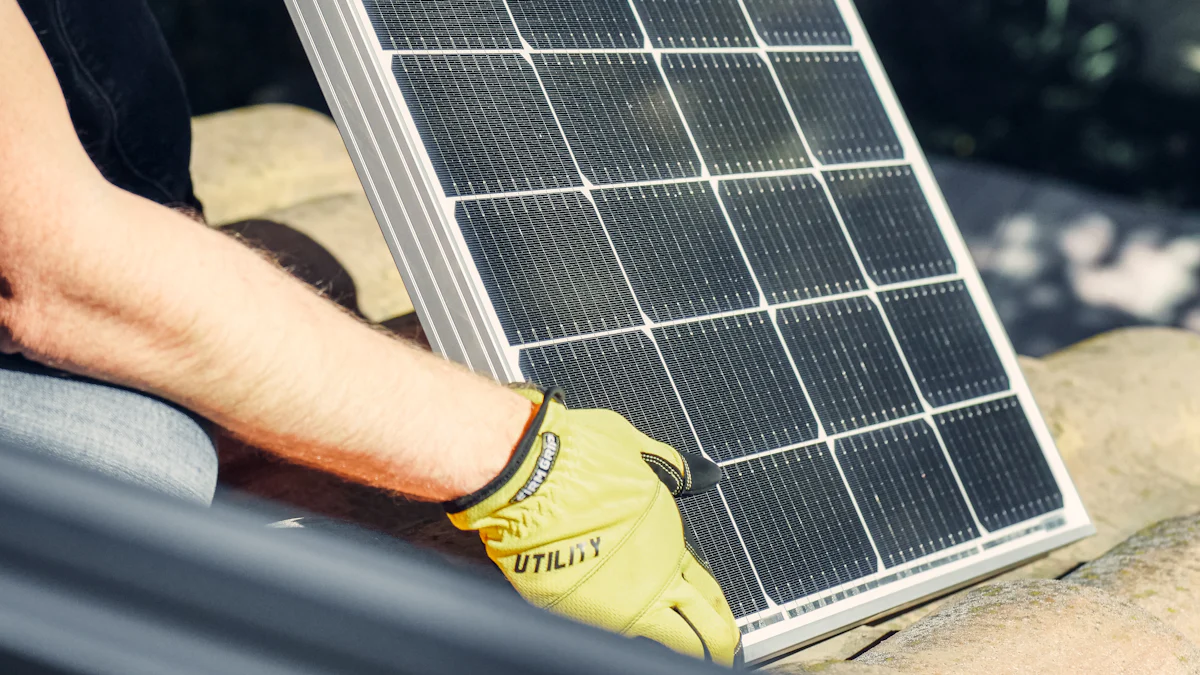
When setting up your solar panels, you’ll need MC4 connectors to ensure everything works smoothly. These small but essential components connect the positive and negative terminals of your panel. Known as DC Solar PV Connectors, they create a secure link for electricity to flow efficiently. Without them, your system won’t perform at its best.
Key Takeaways
- Every solar panel usually needs two MC4 connectors—one male and one female—for a safe link.
- Think about your system's setup; series designs might use fewer connectors than parallel ones.
- Add extra connectors now to make future upgrades to your solar system simpler.
Understanding DC Solar PV Connectors

What are MC4 connectors?
MC4 connectors are small but mighty components in your solar panel system. They’re specially designed plugs that connect the positive and negative wires of your solar panels. The name "MC4" stands for "Multi-Contact, 4 millimeters," referring to the size of the metal pin inside the connector. These connectors are built to handle high-voltage electricity safely and efficiently.
You’ll notice that MC4 connectors come in two types: male and female. The male connector has a pin, while the female connector has a socket. When you snap them together, they create a secure and weatherproof connection. This design ensures your solar system can handle outdoor conditions like rain, wind, and extreme temperatures.
Why are MC4 connectors important in solar systems?
You might wonder, "Why can’t I just use regular wires?" Well, MC4 connectors are essential for a few reasons. First, they make your solar panel system safer. Their locking mechanism prevents accidental disconnections, which could lead to electrical hazards. Second, they improve efficiency. A DC Solar PV Connector minimizes energy loss, ensuring your panels deliver maximum power to your system.
Another big advantage is their compatibility. Most modern solar panels and inverters are designed to work with MC4 connectors. This makes installation easier and reduces the chance of wiring errors. Plus, if you ever need to expand your system, these connectors make it simple to add more panels without rewiring everything.
Tip: Always double-check that your connectors match the specifications of your solar panels. Using the wrong type can affect performance and safety.
Determining the Number of MC4 Connectors Per Panel
Standard requirement: Two connectors per panel
For most solar panels, you’ll need two MC4 connectors—one for the positive terminal and one for the negative terminal. This setup ensures a secure connection for the flow of electricity. Think of it like plugging in a lamp. You need both the plug and the outlet to complete the circuit. Similarly, the male and female MC4 connectors work together to link your panel to the rest of the system.
If you’re working with standard panels, this two-connector rule keeps things simple. It’s a straightforward way to ensure your solar system operates efficiently. Just make sure the connectors match your panel’s specifications. Using the wrong type could lead to poor performance or even damage.
Impact of series and parallel configurations
The way you wire your panels—either in series or parallel—can affect how many connectors you’ll need. In a series configuration, the panels connect end-to-end. The positive terminal of one panel links to the negative terminal of the next. This setup doesn’t require extra connectors since the panels share connections.
In a parallel configuration, all the positive terminals connect to one wire, and all the negative terminals connect to another. This setup might need additional MC4 connectors, especially if you’re using branch connectors to combine multiple panels.
Additional considerations for complex systems
If your system is more advanced, you might need extra connectors. For example, hybrid systems that combine solar panels with batteries or generators often require additional wiring. Planning for future expansion? You’ll want to include extra connectors to make adding panels easier later. Always consider your system’s layout and design when calculating how many connectors you’ll need.
Tip: Keep a few spare connectors on hand. They’re small, affordable, and can save you time if you need replacements during installation or maintenance.
Factors Affecting MC4 Connector Usage
Solar panel specifications and connector size
Your solar panel’s specifications play a big role in determining the type and number of connectors you’ll need. Panels come in different sizes, voltages, and current ratings. These factors affect the size and compatibility of the connectors. For example, if your panel has a higher current output, you’ll need connectors that can handle that load safely.
It’s also important to check the connector size. Most panels use standard MC4 connectors, but some might require specialized ones. Always double-check the manufacturer’s recommendations. Using the wrong connector could lead to poor performance or even damage to your system.
System design and layout
The way you design and lay out your solar system can change how many connectors you’ll need. If your panels are spread out over a large area, you might need extension cables with additional connectors. On the other hand, a compact system with panels close together may require fewer connectors.
Think about how your panels will connect to the inverter. Will you wire them in series or parallel? Each configuration has different connector requirements. Planning your layout carefully can save you time and money during installation.
Planning for future expansion
Are you thinking about adding more panels later? If so, plan ahead. Adding extra connectors now can make future upgrades much easier. You won’t have to rewire your entire system. Instead, you can simply plug in the new panels. This approach saves time and ensures your system remains flexible for growth.
Tip: Keep a few spare connectors on hand. They’re affordable and can save you from delays if you need replacements.
Installation and Maintenance of DC Solar PV Connectors
Choosing high-quality connectors
When it comes to solar systems, not all connectors are created equal. You want to choose high-quality MC4 connectors that can handle the demands of your setup. Look for connectors made from durable materials like UV-resistant plastic. These materials can withstand harsh weather conditions and last for years. Also, check the current and voltage ratings. Make sure they match your solar panel’s specifications to avoid overheating or power loss.
Another thing to consider is brand reputation. Well-known brands often provide better reliability and performance. While cheaper options might seem tempting, they can lead to problems down the road. Investing in quality connectors now can save you time and money later.
Ensuring secure and weatherproof connections
A secure connection is key to keeping your solar system running smoothly. When connecting MC4 connectors, listen for a "click." This sound tells you the connection is locked in place. If you don’t hear it, double-check the alignment and try again. Loose connections can cause energy loss or even electrical hazards.
Weatherproofing is just as important. MC4 connectors are designed to be waterproof, but you need to install them correctly. Make sure the rubber seals are in place and free from dirt or debris. This will keep moisture out and protect your system from damage.
Tip: Use a connector tool to tighten the connections. It ensures a snug fit and reduces the risk of accidental disconnections.
Regular inspection and maintenance tips
Even the best connectors need regular care. Inspect your DC Solar PV Connector connections every few months. Look for signs of wear, corrosion, or dirt buildup. If you spot any issues, replace the connectors immediately to avoid bigger problems.
Clean the connectors with a soft brush or cloth to remove dust and debris. Avoid using harsh chemicals, as they can damage the materials. Also, check the cables for cracks or fraying. Keeping everything in good condition will help your system perform at its best.
Reminder: Don’t forget to inspect your system after extreme weather events. High winds or heavy rain can sometimes loosen connections.
Each solar panel typically needs two MC4 connectors—one male and one female. However, your system’s design and wiring setup might change this number. Planning for future scalability? Add extra connectors now. Proper installation and regular maintenance keep your system efficient and long-lasting. Take care of your connectors, and they’ll take care of your solar power! ☀️
FAQ
How do I know if my MC4 connectors are compatible with my solar panels?
Check your panel’s specifications. Look for voltage, current ratings, and connector type. Most panels use standard MC4 connectors, but always confirm with the manufacturer.
Can I reuse MC4 connectors if I upgrade my solar system?
Yes, you can reuse them if they’re in good condition. Inspect for wear or damage before reusing. Damaged connectors should always be replaced for safety.
Do MC4 connectors require special tools for installation?
Yes, you’ll need a connector tool to tighten and secure them properly. This ensures a snug fit and prevents accidental disconnections. It’s a small but essential investment.
Tip: Keep a connector tool handy during installation and maintenance. It makes the process easier and safer! 🛠️