

 Send Email
 Whatsapp


High-Temperature PV Cable Solutions for Solar Farms
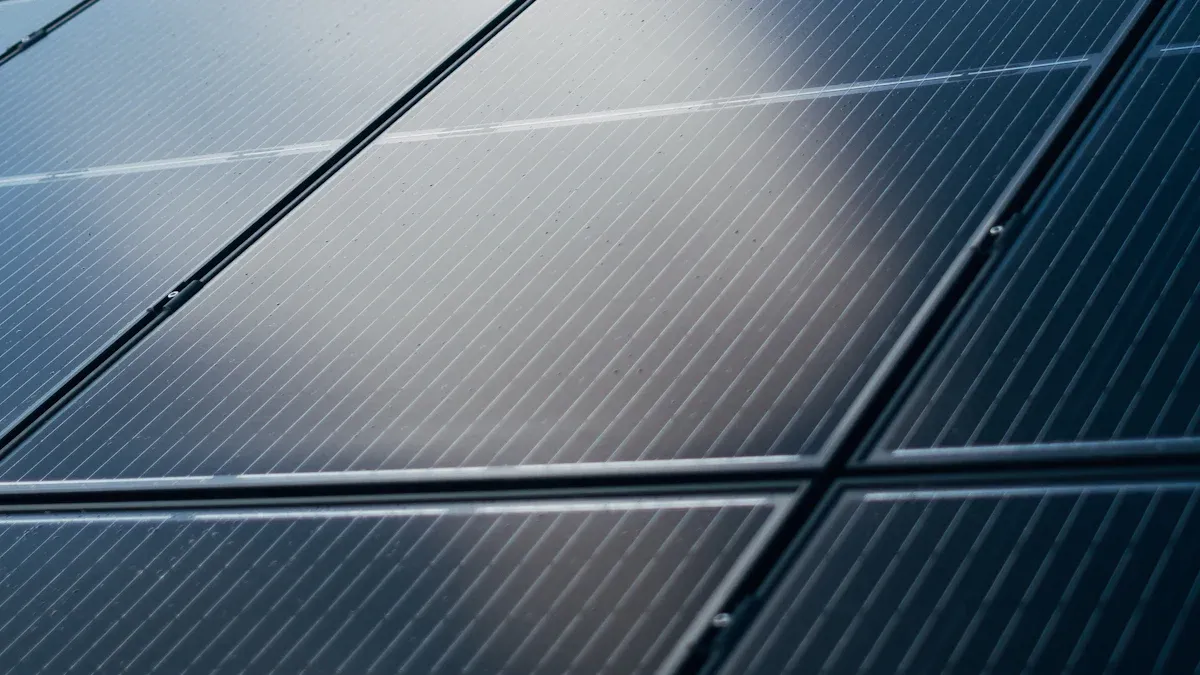
Traditional PV cables often fail under the intense heat common in solar farms. This thermal stress causes rapid degradation and premature system failures. High-temperature Solar Cable solutions directly address these issues. They utilize advanced materials and designs to withstand extreme thermal conditions. These specialized cables offer critical advantages, ensuring reliable power transmission and extending the operational lifespan of solar energy systems.
Key Takeaways
- High-temperature PV cables use special materials. These materials help the cables work well in very hot solar farms. They stop the cables from breaking down fast.
- These special cables help solar farms make more electricity. They stop power from being lost as heat. This means more energy goes to the power grid.
- Using high-temperature cables makes solar farms last longer. They need fewer repairs. This saves money and keeps the solar farm working well for many years.
The Imperative for High-Temperature Solar Cable
Limitations of Standard PV Cables in Heat
Standard PV cables face significant challenges in the high-temperature environments of solar farms. These cables often use PVC or standard XLPE insulation. Intense heat causes these materials to degrade quickly. This degradation leads to brittleness, cracking, and insulation breakdown. Such failures compromise electrical integrity. They also increase the risk of short circuits and power outages. Ultimately, standard cables cannot reliably withstand the thermal stress of continuous solar operation.
Defining High-Temperature Solar Cable Characteristics
High-temperature solar cable solutions possess specific characteristics for extreme conditions. They feature insulation materials designed for elevated temperatures. These cables maintain their mechanical and electrical properties even when ambient temperatures soar. They also exhibit superior resistance to UV radiation and ozone. This ensures durability in harsh outdoor settings. High-temperature cables offer a robust solution for demanding solar applications.
Material Innovations for Thermal Resilience
Material science drives the effectiveness of high-temperature solar cable. Manufacturers utilize advanced polymers like cross-linked polyolefin (XLPO) or specialized silicone compounds. These materials offer exceptional thermal stability. They resist melting, softening, and chemical degradation at high temperatures. Furthermore, these innovations provide enhanced flame retardancy and abrasion resistance. This combination of properties ensures the cable's long-term performance and safety in hot solar farm environments.
Enhancing Solar Farm Performance with Advanced PV Cable
Minimizing Voltage Drop in Hot Conditions
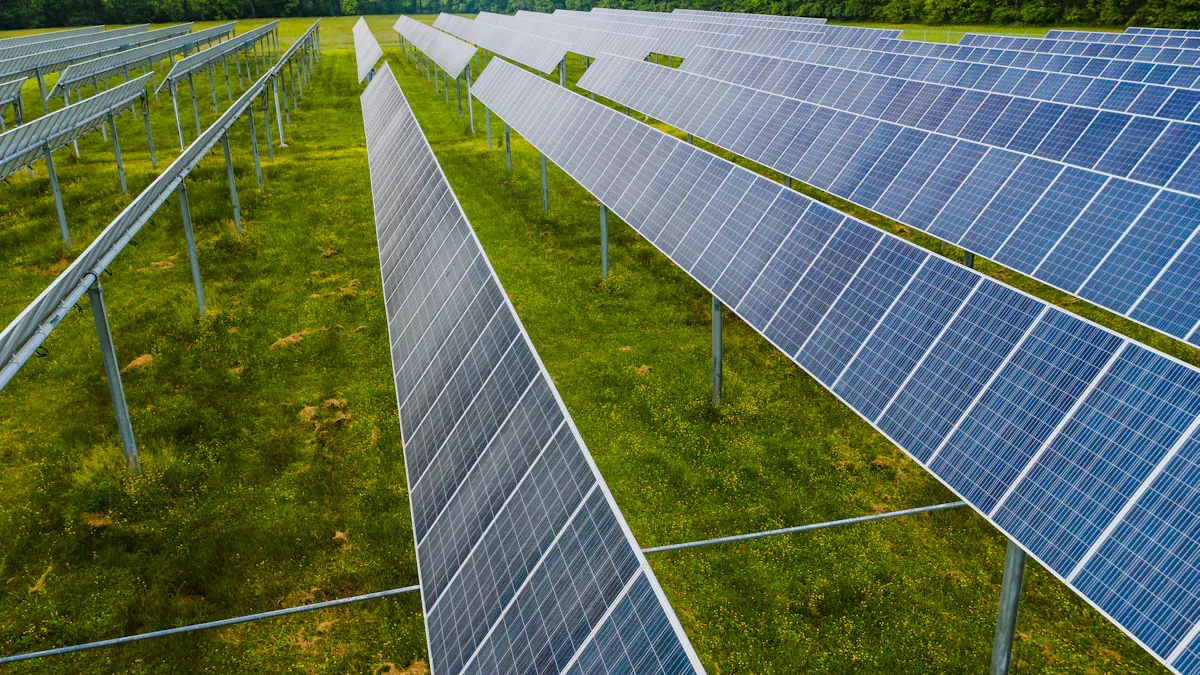
High temperatures significantly impact electrical resistance in cables. As cable temperatures rise, their electrical resistance increases. This increased resistance causes a greater voltage drop along the cable length. Standard PV cables experience more pronounced voltage drops in hot solar farm environments. This means less voltage reaches the inverter, reducing the system's effective power. Advanced high-temperature solar cable solutions maintain lower operating temperatures. They use materials with superior thermal stability. This characteristic helps keep their resistance lower even under intense heat. Consequently, these specialized cables minimize voltage drop, ensuring more stable and consistent power delivery from the solar panels.
Reducing Power Loss for Greater Output
Voltage drop directly correlates with power loss within the electrical system. Power loss occurs as heat generated by current flowing through resistance (I²R losses). When cables operate at higher temperatures, their increased resistance leads to greater power dissipation as heat. This wasted energy does not contribute to the solar farm's output. High-temperature PV cables effectively reduce these power losses. Their advanced insulation and conductor materials allow them to operate cooler. This lower operating temperature translates to lower resistance. By minimizing resistance, these cables significantly reduce the amount of power lost as heat. Solar farms can then deliver more of the generated electricity to the grid, increasing overall power output.
Boosting Overall System Efficiency
The cumulative effect of minimized voltage drop and reduced power loss is a substantial boost in overall system efficiency. Every watt saved from being lost in the cabling directly contributes to the solar farm's productivity. When cables efficiently transmit power, inverters receive a more stable and higher voltage input. This allows inverters to operate closer to their optimal efficiency points. Advanced solar cable technology ensures that more of the DC power generated by the solar panels successfully reaches the AC conversion stage. This optimization across the entire electrical pathway maximizes the energy yield of the solar farm. Ultimately, high-temperature PV cables play a crucial role in achieving peak operational efficiency and maximizing the return on investment for solar energy projects.
Ensuring Long-Term Reliability of Solar Cable Infrastructure
## Ensuring Long-Term Reliability of Solar Cable Infrastructure ### Preventing Premature Degradation and Failures High-temperature [PV cables](https://www.pncables.com/news/why-tuv-certified-pv-cables-matter-for-solar-installations/) significantly enhance the durability of solar farm infrastructure. Standard cables often suffer from premature degradation due to constant exposure to harsh environmental factors. These factors include intense UV radiation, ozone, moisture, and extreme temperature fluctuations. Over time, these elements cause insulation materials to become brittle, crack, and lose their protective properties. Such degradation leads to electrical leakage, short circuits, and ultimately, system failures. Advanced high-temperature cables, however, utilize specialized compounds. These materials resist UV damage, ozone attack, and thermal cycling stress. They maintain their structural integrity and electrical insulation capabilities even under prolonged severe conditions. This inherent resilience prevents the common issues that plague traditional cabling, ensuring a more robust and reliable electrical pathway throughout the solar farm. ### Extending the Operational Lifespan of Solar Farms Investing in high-temperature PV cables directly contributes to a solar farm's extended operational lifespan. Solar farms represent significant long-term investments, typically designed to operate efficiently for 25 years or more. The longevity of the cabling infrastructure is critical to achieving this goal. When cables degrade prematurely, they necessitate costly replacements and repairs, interrupting power generation. High-temperature cables, with their superior resistance to environmental stressors, avoid these early failures. They consistently perform their function over decades, supporting the continuous operation of the solar panels and inverters. This reliability ensures the entire system remains functional and productive for its intended design life, maximizing the return on the initial investment. ### Reducing Maintenance Needs and Costs The enhanced durability of high-temperature PV cables translates into substantial reductions in maintenance needs and associated costs. Traditional cables, prone to degradation, often require frequent inspections, repairs, and even full replacements. These unscheduled maintenance activities incur significant expenses, including labor, materials, and potential revenue loss from downtime. High-temperature cables, by contrast, exhibit exceptional long-term stability. Their robust construction minimizes the likelihood of unexpected failures. This reduction in failure rates means fewer emergency repairs and less routine maintenance. Solar farm operators experience lower operational expenditures, improved system uptime, and a more predictable budget for infrastructure upkeep. Ultimately, these advanced cables provide a cost-effective solution that safeguards the financial viability of solar energy projects. Practical Implementation of High-Temperature Solar Cable
Optimal Sizing and Selection for Specific Projects
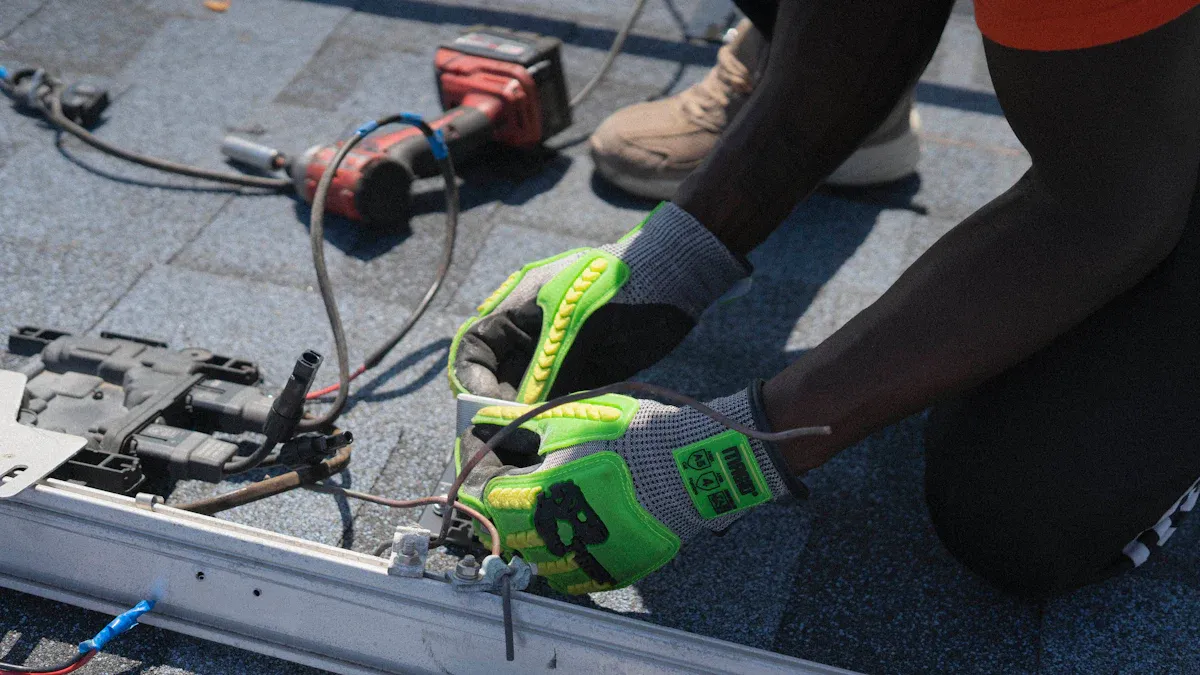
Engineers must carefully select high-temperature PV cables for each solar farm project. This process involves evaluating several critical factors. Project specifications dictate the required voltage and current ratings. Environmental conditions, such as maximum ambient temperatures and potential for UV exposure, also influence cable choice. Cable length and desired voltage drop further guide the selection of conductor size. Choosing the correct cable ensures efficient power transmission and long-term reliability. It prevents overheating and premature degradation.
Best Practices for Installation and Routing
Proper installation of high-temperature PV cables is crucial for their performance. Installers should follow manufacturer guidelines for bending radii. This prevents damage to the insulation and conductors. Protecting cables from physical abrasion and sharp edges during routing is also essential. Securing cables properly prevents movement and stress. Adequate spacing between cables allows for proper heat dissipation. These practices ensure the cable's integrity and operational lifespan.
Compatibility with Existing Solar Farm Components
High-temperature PV cables integrate seamlessly with standard solar farm components. They connect to existing inverters, junction boxes, and connectors without issues. Manufacturers design these cables to meet industry standards for dimensions and electrical properties. This ensures straightforward replacement or upgrade scenarios. Compatibility simplifies system design and reduces installation complexities. It allows solar farm operators to enhance performance without overhauling entire electrical infrastructures.
Economic Benefits and Return on Investment for High-Temperature Solar Cable
Analyzing Initial Costs Versus Long-Term Savings
High-temperature PV cables often present a higher initial purchase price compared to standard alternatives. However, this upfront investment yields substantial long-term savings. These specialized cables prevent premature degradation and failures. This reduces the need for costly replacements and repairs over the solar farm's operational life. Project developers achieve a lower total cost of ownership by investing in durable cabling. They avoid unexpected expenses and maintain consistent system performance for decades.
Impact on Operational Expenses and Revenue
High-temperature PV cables directly impact a solar farm's operational expenses and revenue. Their superior reliability minimizes unscheduled maintenance and repair costs. Fewer cable failures mean less downtime for the solar array. This consistent operation ensures maximum energy generation. Increased uptime translates directly into higher revenue for the farm owner. These cables reduce the financial burden of ongoing upkeep, improving the project's profitability.
Maximizing Energy Yield and Financial Returns
These advanced cables play a crucial role in maximizing energy yield and financial returns. They minimize voltage drop and power loss, especially in hot conditions. This ensures more of the generated electricity reaches the grid. Higher energy output directly increases the amount of power sold. Therefore, high-temperature PV cables enhance the overall efficiency of the solar farm. This strategic investment secures greater financial returns throughout the project's lifespan.
High-temperature PV cables are a strategic asset for solar farms. They significantly advance solar energy reliability and efficiency. These cables ensure consistent power generation. Stakeholders must carefully consider project-specific needs and long-term benefits when adopting these robust solutions.
FAQ
What makes high-temperature PV cables different from standard cables?
High-temperature PV cables use advanced materials. These materials resist heat, UV, and ozone better than standard cables. This ensures durability in harsh solar farm environments.
How do these cables improve solar farm efficiency?
They minimize voltage drop and power loss in hot conditions. This allows more generated electricity to reach the grid. Consequently, the solar farm's overall output increases.
Are high-temperature PV cables compatible with existing solar farm equipment?
Yes, manufacturers design these cables to meet industry standards. They integrate seamlessly with existing inverters, junction boxes, and connectors. This simplifies upgrades and replacements.