
 Send Email
 Whatsapp


Everything You Need To Know About Solar DC Cables 2025
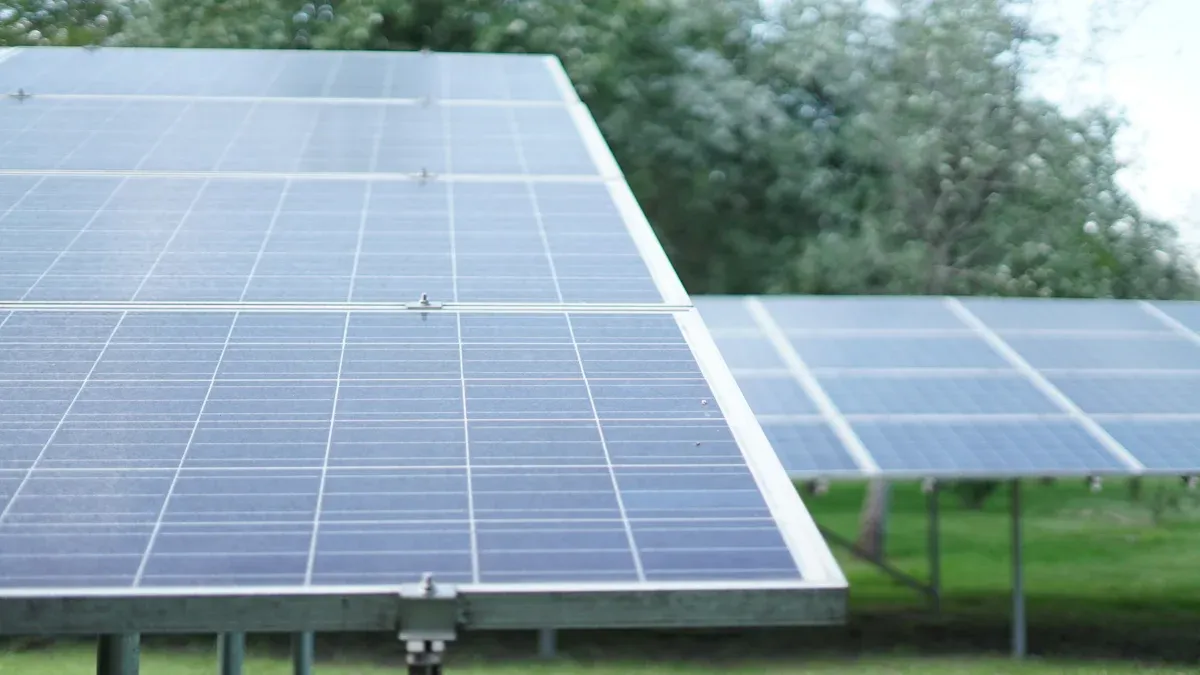
Solar Dc Cables are essential components in any solar energy system. They connect solar panels to inverters, ensuring smooth electricity flow. Without them, the system cannot function effectively. These cables also enhance safety by reducing energy loss and preventing overheating. Choosing the right solar cable ensures your system operates efficiently and reliably.
Key Takeaways
- Pick solar cables that can handle bad weather. This stops damage and lowers the chance of system problems.
- Use cables that resist UV rays and have two layers of insulation. This keeps them safe from sunlight and prevents electrical leaks.
- Check if your solar cables have safety certificationslike IEC 62930 or Ul 4703. Certified cables are safer and work better.
Key Features of Solar Cables
Weather Resistance and Durability
Solar cables are designed to withstand harsh outdoor conditions. You might install your solar system in areas exposed to rain, snow, or extreme heat. These cables are built with materials that resist moisture and temperature fluctuations. This ensures they maintain their performance over time.
Durability is another critical feature. A high-quality solar cable can endure physical stress, such as bending or pulling, during installation. It also resists abrasion, which prevents damage from contact with rough surfaces. When you choose durable cables, you reduce the risk of system failures and costly repairs.
Tip: Always check the cable's specifications for weather resistance before purchasing. This ensures it meets the environmental demands of your location.
UV Resistance and Insulation Properties
Solar cables are often exposed to direct sunlight for long periods. Without proper UV resistance, the cable's outer layer can degrade, leading to cracks and reduced efficiency. Manufacturers use special coatings to protect the cables from UV rays. This keeps them functional and safe for years.
Insulation is equally important. A solar cable must have excellent insulation properties to prevent electrical leakage. This protects you and your system from potential hazards. High-quality insulation also improves energy efficiency by minimizing power loss.
Note: Look for cables labeled as "UV-resistant" and "double-insulated" for maximum safety and performance.
Fire Resistance and Safety Standards
Safety is a top priority in any solar installation. Solar cables are designed to meet strict fire resistance standards. This means they can withstand high temperatures without catching fire or releasing toxic fumes. Fire-resistant cables reduce the risk of accidents and protect your property.
Compliance with safety standards is essential. Reputable manufacturers test their cables to ensure they meet international certifications. When you use certified cables, you can trust that they are safe and reliable.
Reminder: Always verify that the solar cable you choose complies with safety standards like IEC 62930 or UL 4703.
Choosing the Right Solar Cable
Voltage and Amperage Requirements
Selecting the correct solar cable starts with understanding your system's voltage and amperage needs. Solar panels generate electricity at specific voltage levels, and the cable must handle this without overheating or losing efficiency. Amperage, which measures the current flow, is equally important. If the cable cannot support the amperage, it may lead to energy loss or even damage to your system.
To determine the right cable size, check the specifications of your solar panels and inverters. Use a cable sizing chart to match the voltage and amperage requirements. This ensures your system operates safely and efficiently.
Tip: Always choose a cable with a slightly higher capacity than your system's maximum requirements. This provides a safety margin and accommodates future upgrades.
Compatibility with Solar Panels and Inverters
Not all cables work with every solar panel or inverter. Compatibility plays a crucial role in ensuring your system functions smoothly. Solar cables come in different types, such as single-core and multi-core, and each type serves specific purposes. Single-core cables are ideal for connecting panels, while multi-core cables are better suited for complex systems.
When choosing a cable, verify its connectors match your solar panel and inverter ports. Mismatched connectors can lead to poor connections and reduced efficiency. Additionally, consider the cable's length. Longer cables may cause voltage drops, so calculate the distance between components carefully.
Reminder: Check the manufacturer's recommendations for cable compatibility to avoid installation issues.
Importance of Certifications and Standards
Certifications and standards ensure the solar cable you choose meets safety and performance benchmarks. Look for cables that comply with international standards like IEC 62930 or UL 4703. These certifications guarantee the cable's durability, fire resistance, and insulation quality.
Using certified cables protects your system from potential hazards and ensures long-term reliability. It also simplifies the installation process, as certified cables often come with clear guidelines.
| Certification | Purpose |
|---|---|
| IEC 62930 | Ensures durability and safety |
| UL 4703 | Guarantees fire resistance |
Note: Avoid cables without certifications, as they may compromise your system's safety and efficiency.
Installation and Maintenance Tips

Proper Cable Routing and Securing
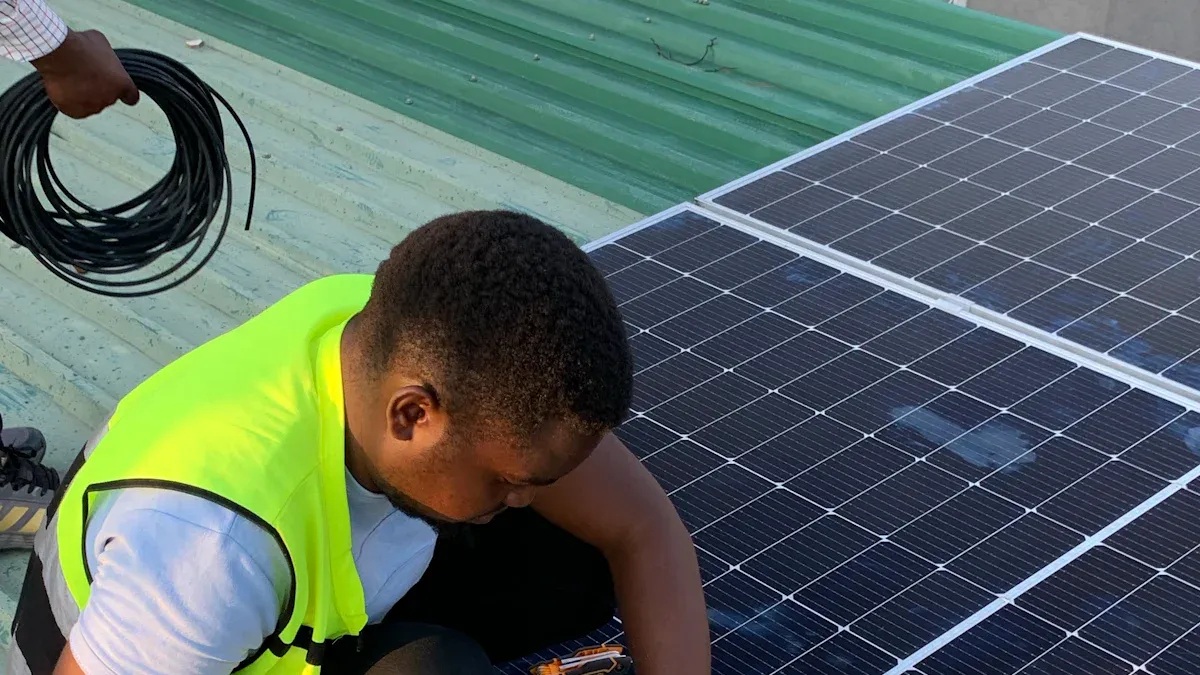
Routing your cables correctly is essential for a safe and efficient solar system. Begin by planning the cable paths to avoid sharp edges or areas with high foot traffic. Use cable clips or ties to secure the cables firmly along the route. This prevents them from sagging or moving out of place.
Keep the cables away from heat sources or areas prone to water accumulation. If you need to run cables underground, use protective conduits to shield them from moisture and physical damage.
Tip: Label your cables during installation. This makes future maintenance or troubleshooting much easier.
Preventing Wear and Tear
Cables can wear out over time due to environmental factors or improper handling. To minimize wear and tear, avoid bending the cables too tightly during installation. Follow the manufacturer's recommended bending radius to maintain their integrity.
Inspect the cable insulation for any signs of damage, such as cracks or abrasions. If you notice any issues, replace the damaged section immediately. Using protective coverings, like cable sleeves, can also extend the lifespan of your cables.
Reminder: Regularly check for loose connections, as they can cause overheating and reduce efficiency.
Regular Inspection and Troubleshooting
Routine inspections help you identify potential problems before they escalate. Check the cables for signs of wear, corrosion, or loose connections. Pay close attention to areas exposed to sunlight or extreme weather conditions.
If you encounter issues, such as reduced system performance, use a multimeter to test the voltage and current flow. This helps you pinpoint the problem quickly. Always follow safety guidelines when handling electrical components.
Note: Keep a maintenance log to track inspections and repairs. This ensures your system remains in top condition.
High-quality solar cables are vital for efficient and safe solar systems. Proper selection, installation, and maintenance ensure long-term reliability. Future innovations, like self-healing insulation or enhanced energy efficiency, could revolutionize solar technology.
Tip: Stay updated on advancements in solar cables to maximize your system's performance and sustainability.
FAQ
What is the difference between AC and DC solar cables?
AC cables carry alternating current, while DC cables carry direct current. Solar DC cables connect panels to inverters, ensuring efficient energy transfer from sunlight to usable electricity.
How often should you inspect solar cables?
Inspect your solar cables every six months. Look for signs of wear, loose connections, or damage. Regular checks help maintain efficiency and prevent potential hazards.
Can you use regular electrical cables for solar systems?
No, regular cables lack the durability, UV resistance, and insulation required for solar systems. Always use certified solar cables designed for outdoor and high-voltage applications.
Tip: Using the right cables ensures safety and long-term performance for your solar system.