

 Send Email
 Whatsapp


Double ends solar extension cable with connector for photovoltaic systems 1000V 1500V
Double ends solar extension cable with connector for photovoltaic systems 1000V 1500V
double ends solar extension cable with connector for photovoltaic systems 1000V 1500V are vital components in photovoltaic systems. These cables ensure efficient energy transmission between solar panels and other components. You will find them essential for maintaining a secure connection in high voltage applications, specifically 1000V and 1500V. Their design accommodates various solar panel configurations, making them versatile for different installation needs. By using these cables, you enhance the reliability and performance of your solar setup, ensuring that your system operates safely and efficiently.
Key Takeaways
- Choose the right voltage rating (1000V for residential, 1500V for commercial) to ensure your solar system operates safely and efficiently.
- Double ends solar extension cables enhance system performance by minimizing energy loss during transmission, leading to lower energy costs.
- Durability and weather resistance are key features; these cables are built to withstand harsh conditions, ensuring long-term reliability.
- Compatibility with standard MC4 connectors allows for easy integration with various photovoltaic systems, reducing connection issues.
- Follow best practices during installation, such as securing connections and avoiding sharp bends, to maintain efficient energy flow.
- Prioritize safety by turning off power during installation, using proper tools, and wearing protective gear to prevent accidents.
- Regularly inspect cables for damage to ensure a safe and reliable energy supply, protecting your investment in solar technology.
Importance of Voltage Ratings
Understanding the voltage ratings of double ends solar extension cables with connectors for photovoltaic systems 1000V 1500V is crucial. These ratings determine how much electrical energy the cables can safely handle. When you choose the right voltage rating, you ensure that your solar system operates efficiently and safely.
Understanding 1000V and 1500V Ratings
Voltage ratings like 1000V and 1500V indicate the maximum voltage the cable can carry. A 1000V rating suits smaller or residential solar setups. It provides enough capacity for typical home energy needs. On the other hand, a 1500V rating is ideal for larger installations, such as commercial or industrial solar systems. This higher rating allows for more energy transmission, which is essential for bigger projects.
Impact on System Performance and Safety
The voltage rating directly affects your system's performance and safety. Using a cable with an appropriate rating ensures that your system can handle the energy load without overheating or failing. A higher voltage rating, like 1500V, often leads to improved efficiency. It reduces energy loss during transmission, which means more power reaches your home or business.
Safety is another critical aspect. Cables with the correct voltage rating minimize the risk of electrical hazards. They prevent issues like short circuits or fires, which can occur if the cables are overloaded. By selecting the right double ends solar extension cable with connector for photovoltaic systems 1000V 1500V, you protect your investment and ensure a reliable energy supply.
Key Features of Double Ends Solar Extension Cables
Durability and Weather Resistance
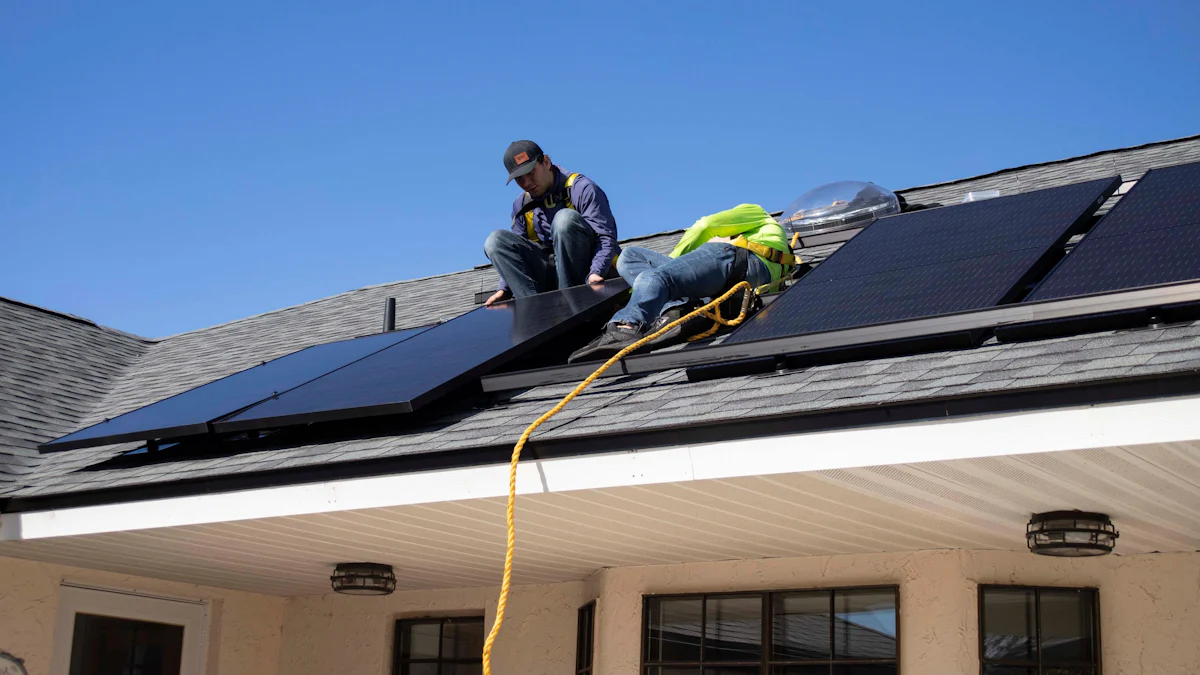
When you choose a double ends solar extension cable with connector for photovoltaic systems 1000V 1500V, durability becomes a key feature. These cables are built to withstand harsh environmental conditions. Manufacturers use high-quality materials that resist wear and tear. This ensures that the cables last longer, even in extreme weather. Rain, snow, or intense sunlight won't easily damage them. You can rely on these cables to maintain their integrity over time. Their robust construction helps prevent issues like cracking or fraying, which could disrupt your solar system's performance.
Compatibility with Photovoltaic Systems
Compatibility is another crucial feature of double ends solar extension cables. These cables seamlessly integrate with various photovoltaic systems. They often come with MC4 connectors, which are standard in the solar industry. This means you can easily connect them to your existing solar panels and other components. The design of these cables supports different configurations, whether for residential or commercial installations. By using compatible cables, you ensure efficient energy transmission. This compatibility reduces the risk of connection problems, enhancing the overall reliability of your solar setup.
Benefits of Using Double Ends Solar Extension Cables
Efficiency Improvements
Using a double ends solar extension cable with connector for photovoltaic systems 1000V 1500V can significantly boost your solar system's efficiency. These cables minimize energy loss during transmission. You get more power delivered to your home or business. The high voltage ratings, such as 1000V and 1500V, allow for efficient energy flow. This means your solar panels can operate at their full potential. By reducing resistance in the cables, you ensure that more electricity reaches its destination. This efficiency translates into better performance and lower energy costs over time.
Safety Enhancements
Safety is a top priority when dealing with solar installations. Double ends solar extension cables with connectors for photovoltaic systems 1000V 1500V enhance safety in several ways. First, they are designed to handle high voltage levels safely. This reduces the risk of overheating or electrical fires. The robust construction of these cables prevents damage from environmental factors. You can trust them to withstand harsh weather conditions without compromising safety. Additionally, the secure connections provided by these cables minimize the chance of short circuits. By choosing the right cables, you protect your investment and ensure a safe energy supply.
Installation Considerations
When installing a double ends solar extension cable with connector for photovoltaic systems 1000V 1500V, you must pay attention to several important factors. Proper installation ensures that your solar system operates efficiently and safely. Here are some key considerations to keep in mind:
Best Practices for Installation
-
Plan Your Layout: Before starting, map out where each component will go. This helps you determine the length of cables needed and ensures a neat setup.
-
Check Compatibility: Ensure that the cables and connectors match your solar panels and other system components. This prevents connection issues and enhances performance.
-
Secure Connections: Make sure all connections are tight and secure. Loose connections can lead to energy loss or even damage to your system.
-
Avoid Sharp Bends: Keep the cables straight and avoid sharp bends. This prevents damage to the cable and maintains efficient energy flow.
-
Label Cables: Label each cable to identify its purpose and connection points. This makes future maintenance easier and reduces the risk of errors.
Safety Tips During Installation
-
Turn Off Power: Always turn off the power supply before starting the installation. This prevents electrical shocks and ensures your safety.
-
Use Proper Tools: Use the right tools for the job. This includes insulated tools to prevent accidental electrical contact.
-
Wear Protective Gear: Wear gloves and safety glasses to protect yourself from potential hazards during installation.
-
Follow Manufacturer Guidelines: Adhere to the manufacturer's instructions for installation. This ensures that you install the cables correctly and safely.
-
Inspect for Damage: Before installation, inspect the cables and connectors for any signs of damage. Replace any damaged parts to prevent future issues.
By following these best practices and safety tips, you ensure a successful installation of your double ends solar extension cable with connector for photovoltaic systems 1000V 1500V. This not only enhances the efficiency of your solar system but also ensures a safe and reliable energy supply.
Choosing the right double ends solar extension cable with connector for photovoltaic systems 1000V 1500V is crucial for your solar setup. These cables ensure efficient energy transmission and enhance system safety. By selecting the appropriate voltage rating, you maximize performance and minimize risks. Remember the key features like durability and compatibility. They play a vital role in maintaining a reliable connection. Consider installation best practices to ensure a safe and effective setup. Your investment in quality cables leads to a more efficient and secure photovoltaic system.
FAQ
What are double ends solar extension cables?
Double ends solar extension cables connect solar panels to other components in a photovoltaic system. They have connectors on both ends, ensuring a secure and efficient energy transmission.
Why are voltage ratings important for these cables?
Voltage ratings, such as 1000V and 1500V, indicate the maximum voltage the cable can handle. Choosing the right rating ensures your system operates safely and efficiently.
How do I choose between 1000V and 1500V cables?
Select 1000V cables for smaller or residential systems. Opt for 1500V cables for larger commercial or industrial installations. The higher rating supports more energy transmission.
What makes these cables durable?
Manufacturers use high-quality materials to make these cables. They resist wear and tear, withstand extreme weather, and maintain integrity over time.
Are these cables compatible with all photovoltaic systems?
Yes, they often come with standard MC4 connectors. This ensures compatibility with most solar panels and components, facilitating seamless integration.
How do these cables improve system efficiency?
They minimize energy loss during transmission. High voltage ratings allow efficient energy flow, ensuring more power reaches your home or business.
What safety features do these cables offer?
These cables handle high voltage levels safely. Their robust construction prevents damage from environmental factors, reducing the risk of overheating or electrical fires.
What should I consider during installation?
Plan your layout, check compatibility, secure connections, avoid sharp bends, and label cables. These steps ensure efficient and safe installation.
What safety tips should I follow during installation?
Turn off power, use proper tools, wear protective gear, follow manufacturer guidelines, and inspect for damage. These precautions ensure a safe installation process.
Can I use these cables in any weather condition?
Yes, these cables are designed to withstand harsh weather conditions. They remain durable and reliable, even in rain, snow, or intense sunlight.