

 Send Email
 Whatsapp


Do longer or shorter solar cable carry electricity faster?
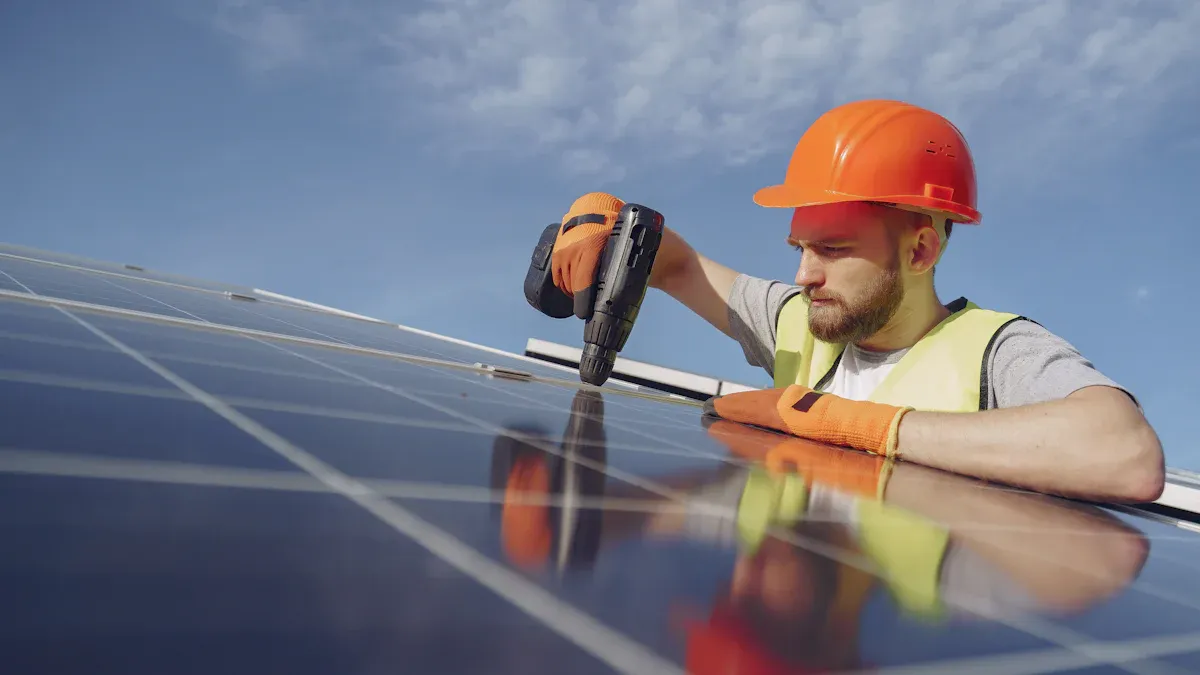
Shorter Solar Cables move electricity more efficiently than longer ones. Longer cables increase resistance, which leads to energy loss. The speed of electricity stays the same, but efficiency and power output drop with extra cable length. Choosing the right solar cable thickness and length helps a solar system work better.
Key Takeaways
- Shorter and thicker solar cables reduce resistance and energy loss, helping your solar system work more efficiently.
- Using the right cable size prevents overheating and safety risks, keeping your solar setup safe and reliable.
- Plan your cable length carefully by measuring distances before buying to avoid wasting energy and money.
How Solar Cable Length Affects Efficiency

Resistance in Solar Cable
Every wire has resistance. Resistance slows down the flow of electricity. A longer solar cable has more resistance than a shorter one. This happens because electrons must travel farther through the wire. The material and thickness of the cable also affect resistance. Copper wires have less resistance than aluminum wires. Thicker cables allow more electricity to pass with less resistance.
Tip: Use the shortest cable possible to reduce resistance in your solar system.
A table can help show how length and thickness change resistance:
| Cable Length (feet) | Cable Thickness (AWG) | Resistance (ohms) |
|---|---|---|
| 10 | 10 | 0.01 |
| 50 | 10 | 0.05 |
| 10 | 14 | 0.03 |
| 50 | 14 | 0.15 |
Shorter and thicker cables have lower resistance. Lower resistance means more electricity reaches the end of the cable.
Voltage Drop and Power Loss
Voltage drop happens when electricity travels through a cable and loses some of its energy. A long solar cable causes a bigger voltage drop. This means less power reaches the devices at the end. If the voltage drops too much, solar panels cannot charge batteries or run appliances well.
Power loss turns into heat. When a cable gets hot, it wastes energy. Too much heat can damage the cable or even cause a fire. People should always check the voltage drop when planning a solar system.
Here are some ways to reduce voltage drop and power loss:
- Use the shortest cable possible.
- Choose a thicker cable.
- Keep connections tight and clean.
Note: A voltage drop of more than 3% can cause problems in a solar system.
A solar cable that is too long or too thin will waste energy. This lowers the efficiency of the whole system.
Solar Cable and System Performance
Impact on Energy Output
A solar system needs to deliver as much energy as possible from the panels to the devices. When a cable is too long or too thin, it loses more energy before it reaches the end. This loss means less power for charging batteries or running appliances.
Energy loss in a cable can lower the total output of a solar system. For example, if a solar panel produces 100 watts but the cable loses 10 watts, only 90 watts reach the battery. Over time, this loss adds up and reduces the benefits of solar power.
A table can show how cable length affects energy output:
| Cable Length (feet) | Power Delivered (watts) |
|---|---|
| 10 | 98 |
| 25 | 95 |
| 50 | 90 |
Shorter cables help keep more energy in the system. Thicker cables also help by reducing resistance. People who want the best performance from their solar setup should always check the cable length and thickness.
Tip: Always measure the distance between solar panels and batteries before choosing a cable. This helps avoid energy loss.
Heating and Safety Issues
When electricity moves through a cable, some energy turns into heat. If a cable is too long or too thin, it gets hotter. High temperatures can damage the cable and create safety risks.
Overheated cables may melt their insulation. This can lead to short circuits or even fires. Safety problems often happen when people use the wrong size cable for their solar system.
To keep a solar system safe, people should:
- Use the correct cable size for the amount of current.
- Avoid running cables in places where they can get too hot.
- Check cables for signs of wear or damage.
Note: A safe solar cable setup protects both people and equipment.
Choosing the right cable helps prevent overheating and keeps the solar system working well. Safety should always come first when setting up any electrical system.
Choosing the Right Solar Cable
Matching Cable Length and Thickness
Selecting the right cable for a solar system requires careful planning. The length and thickness of the cable both affect how well electricity flows. A longer cable needs to be thicker to carry the same amount of current without losing too much energy. Thicker cables have less resistance, so they waste less power as heat.
Electricians often use a table to match cable length and thickness. This helps them choose the best size for safety and efficiency. For example:
| Cable Length (feet) | Recommended Thickness (AWG) |
|---|---|
| 10 | 14 |
| 25 | 12 |
| 50 | 10 |
A solar cable that is too thin for its length can overheat or lose too much voltage. Using the correct size keeps the system safe and efficient.
Tips to Minimize Energy Loss
People can follow simple steps to reduce energy loss in their solar systems:
- Measure the distance between solar panels and batteries before buying cable.
- Choose the shortest route for the cable run.
- Use the thickest cable that fits the budget and space.
- Keep all connections tight and free from corrosion.
Tip: Regularly check cables for signs of wear or damage. Replacing old or damaged cables helps prevent power loss and safety risks.
A well-chosen solar cable helps deliver more power and keeps the system running smoothly.
Common Solar Cable Mistakes
Using Cables That Are Too Long
Many people make the mistake of using cables that are much longer than needed. Longer cables increase resistance and cause more energy loss. This mistake often happens when someone does not measure the distance between solar panels and batteries before buying cable. Extra length does not help the system. It only wastes energy and can lower the power that reaches devices.
A long cable run can also make it harder to find problems if something goes wrong. People may notice that their batteries charge slowly or that appliances do not work as well. These signs often point to cables that are too long.
Tip: Always plan the cable route before installation. Measure the exact distance and buy only what is needed.
Selecting the Wrong Cable Size
Choosing the wrong cable size is another common error. A cable that is too thin cannot carry enough current safely. Thin cables heat up quickly and lose more energy as heat. This can damage the cable and create a fire risk.
Some people pick cable size based only on price. They may choose a thinner cable to save money. However, this choice can cost more in the long run because of lost energy and safety problems.
A simple table can help show the risks:
| Cable Size (AWG) | Safe Current (Amps) | Risk Level |
|---|---|---|
| 14 | 15 | High |
| 12 | 20 | Medium |
| 10 | 30 | Low |
Note: Always check the current rating for the cable size. Pick a size that matches the needs of the system.
Best Practices for Solar Cable Setup
Planning Cable Runs
Careful planning helps a solar system work better and last longer. People should measure the distance between each part before buying any cable. They can draw a simple map of the setup. This map shows where the panels, batteries, and other equipment will go. Planning helps avoid buying too much or too little cable.
A good plan keeps cables away from sharp edges and places where people might trip. It also helps keep cables out of direct sunlight or water, which can damage them over time. People should use cable clips or ties to keep wires neat and safe.
Tip: Mark each cable with labels. This makes it easier to find problems later.
When to Use Thicker Solar Cable
Sometimes, a thicker cable works better than a thin one. If the distance between the solar panels and the batteries is long, a thicker cable helps reduce energy loss. Thicker cables also carry more current safely. People should check the amount of current their system uses. If the system uses a lot of power, a thicker cable prevents overheating.
A table can help show when to use thicker cables:
| Distance (feet) | Current (amps) | Recommended Thickness (AWG) |
|---|---|---|
| 10 | 10 | 14 |
| 25 | 20 | 12 |
| 50 | 30 | 10 |
Note: Always follow safety rules and local codes when choosing cable thickness.
Shorter solar cable runs help maximize energy efficiency. Careful planning ensures the right cable thickness and length. People who select the shortest practical cable reduce energy loss.
- Always measure before installation.
- Choose the correct cable size for safety and performance.
FAQ
Do longer solar cables slow down electricity?
Electricity moves at nearly the same speed in any cable. Longer cables do not slow it down, but they do cause more energy loss through resistance.
Why does cable thickness matter in solar systems?
Thicker cables carry more current with less resistance. This helps prevent energy loss and overheating. Proper thickness keeps the solar system safe and efficient.
Can using a cable that is too thin cause safety problems?
Yes. Thin cables can overheat and melt. This may lead to short circuits or fires. Always choose the correct cable size for the system’s current.