
 Send Email
 Whatsapp


Can i use AC cable for solar cable

People often wonder if AC cable can replace Solar Cable in solar installations. The answer is no. The main reason is that solar cable has special insulation and durability for outdoor and harsh conditions. Choosing the correct cable protects the system and keeps everyone safe.
Key Takeaways
- Solar cable has special insulation and durability to resist sunlight, weather, and temperature changes, making it safe and reliable for outdoor solar systems.
- Using AC cable instead of solar cable can cause safety hazards, reduce system performance, and lead to legal and maintenance problems.
- Always choose solar cables with proper certifications and the right size to ensure safe, efficient, and long-lasting solar power installations.
Key Differences Between AC Cable and Solar Cable
Insulation and UV Resistance
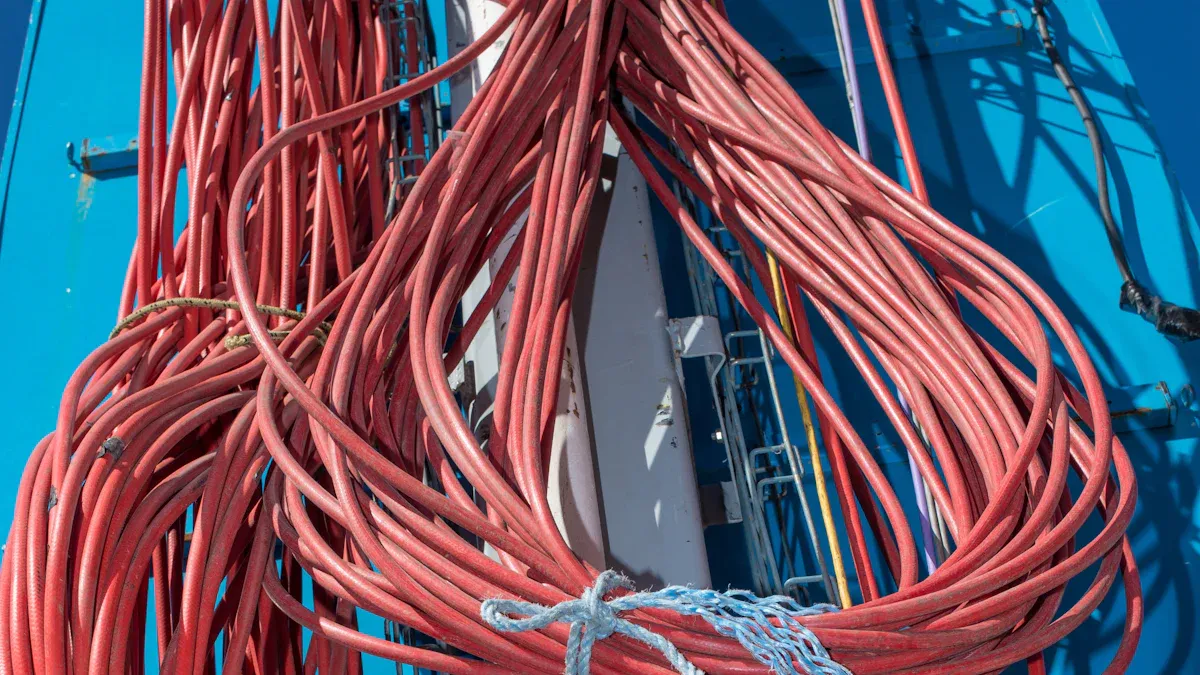
Solar installations often face direct sunlight. Solar cable uses special insulation that resists ultraviolet (UV) rays. This insulation protects the cable from breaking down over time. AC cable usually does not have this level of UV resistance. When exposed to sunlight, AC cable insulation can crack or fade.
Note: UV-resistant insulation helps prevent electrical faults and keeps the system safe.
Temperature and Weather Resistance
Solar cable works well in extreme temperatures. It can handle both hot and cold weather. AC cable may not perform as well outdoors. Rain, snow, and heat can damage AC cable faster. Solar cable resists moisture and temperature swings, making it better for outdoor use.
Flexibility and Durability
Solar cable bends easily without breaking. This flexibility helps installers route the cable around corners and through tight spaces. AC cable can be stiff and hard to work with in solar projects. Flexible Cables also last longer because they resist cracking.
- Solar cable: Flexible and strong
- AC cable: Stiff and less durable outdoors
Electrical Properties and Ratings
Solar cable carries direct current (DC) from solar panels. It has special ratings for higher voltage and current. AC cable is made for alternating current (AC) and may not handle DC safely. Using the wrong cable can cause overheating or power loss.
Risks of Using AC Cable Instead of Solar Cable
Safety Hazards
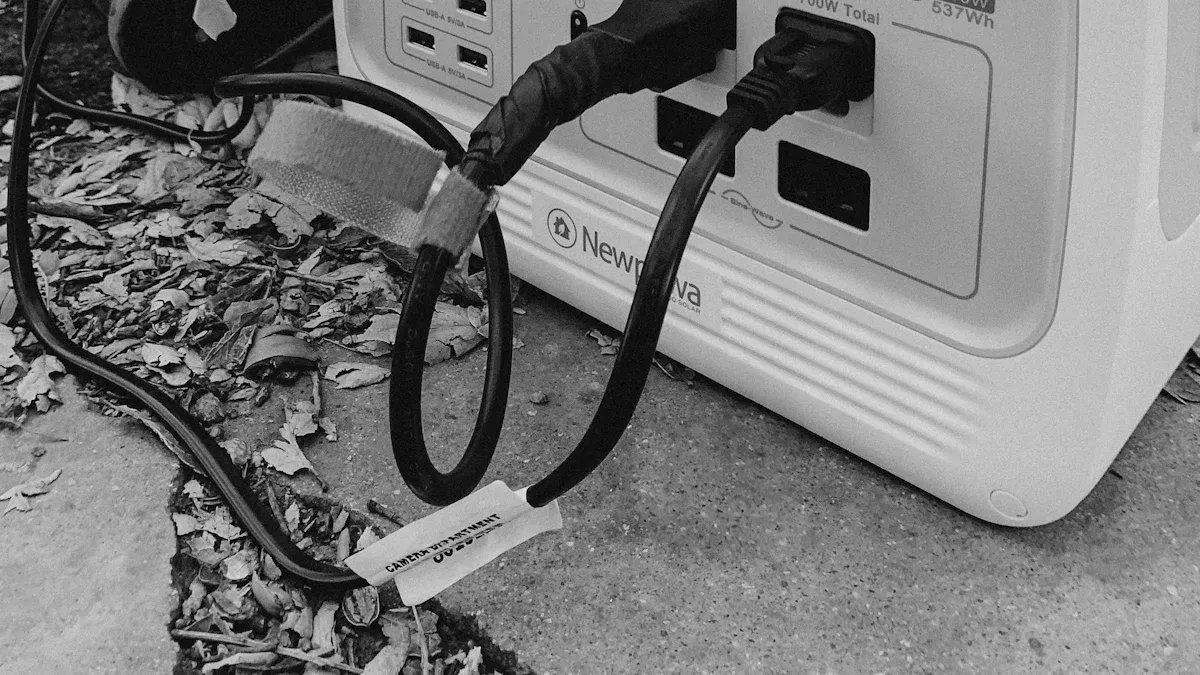
Using AC cable in a solar installation can create serious safety problems. AC cable often lacks the tough insulation found in solar cable. When exposed to sunlight and rain, the insulation on AC cable can break down. This damage may lead to electric shocks or even fires. Electricians have seen cases where improper cables caused short circuits. People working near these cables face higher risks of injury.
⚠️ Tip: Always choose cables designed for outdoor solar use to protect people and property.
Reduced System Performance
Solar systems need cables that carry electricity efficiently. AC cable may not handle the direct current (DC) from solar panels well. This mismatch can cause power loss. The system may not deliver as much energy as expected. Over time, poor performance can lead to higher energy bills and less reliable power.
A quick comparison:
| Feature | Solar Cable | AC Cable |
|---|---|---|
| Handles DC well | ✅ | ❌ |
| Maintains efficiency | ✅ | ❌ |
Code Compliance and Legal Issues
Building codes require the use of proper materials for solar installations. Inspectors check for the right type of cable. If someone uses AC cable instead of solar cable, the system may fail inspection. Homeowners may face fines or be forced to redo the work. Insurance companies may refuse to cover damage caused by non-compliant wiring.
Note: Following code requirements helps avoid legal trouble and keeps insurance valid.
Longevity and Maintenance Concerns
Solar systems should last for many years. Solar cable resists weather, sunlight, and temperature changes. AC cable wears out faster outdoors. Cracked or damaged cables need frequent repairs. Replacing cables adds extra cost and effort. Reliable cables mean less maintenance and fewer headaches for everyone.
Why Choose Solar Cable for Solar Systems
Designed for Outdoor and Harsh Environments
Solar systems often face tough weather. Rain, snow, and strong sunlight can damage regular cables. Solar cable stands up to these challenges. It uses thick insulation that blocks water and dirt. The outer layer resists sunlight and keeps the cable safe from UV rays. Installers trust this cable for rooftops, open fields, and other outdoor places.
Tip: Solar cable protects the system from weather damage and keeps energy flowing.
Meets Solar Industry Standards
Solar cable meets strict rules set by the solar industry. These standards make sure the cable works safely with solar panels. Testing checks for fire resistance, voltage limits, and strength. Many solar cables carry labels that show they passed these tests. Homeowners and installers can look for these labels to know the cable is safe.
A quick checklist for industry standards:
- Fire resistance
- High voltage rating
- UV protection
- Water resistance
Long-Term Reliability
Solar systems last for many years. Solar cable helps the system work well over time. It does not crack or break easily. The cable keeps its shape and strength, even after years in the sun. This means fewer repairs and less worry for homeowners. Reliable cables also help the system make more energy.
Note: Choosing the right cable saves money and trouble in the long run.
How to Select the Right Solar Cable
Certifications and Ratings
Choosing the right cable starts with checking certifications and ratings. Reliable solar cables carry marks from trusted organizations. These marks show that the cable passed safety and quality tests. Look for labels such as UL (Underwriters Laboratories) or TÜV. These labels mean the cable meets strict standards for fire resistance, voltage, and weather protection.
A quick checklist for certifications:
- UL Listed
- TÜV Certified
- RoHS Compliant
Tip: Always check the cable’s packaging or product sheet for these marks before buying.
Sizing and Compatibility
The size of the cable matters for safety and performance. Installers select the right size by looking at the amount of current the system will carry. Thicker cables can handle more electricity without overheating. Using the wrong size can cause power loss or even damage the system.
A simple table helps compare cable sizes:
| System Size (kW) | Recommended Cable Size (mm²) |
|---|---|
| Up to 3 kW | 4 mm² |
| 3–6 kW | 6 mm² |
| Over 6 kW | 10 mm² |
Installers also check if the cable fits the connectors and equipment. The right solar cable ensures a safe and efficient connection.
Using AC cable in solar systems creates safety risks and can cause system failure. Proper cable selection ensures safe and efficient operation.
For best results, people should consult a professional or follow local codes before installing any wiring.
FAQ
Can someone use regular electrical wire for solar panels?
Regular electrical wire does not have the right insulation or UV protection. Solar cable works better for outdoor solar systems and keeps the installation safe.
What happens if AC cable gets used in a solar setup?
AC cable may break down faster outdoors. This can cause safety problems, power loss, or even system failure. Solar cable prevents these risks.
How can a person tell if a cable is solar-rated?
Solar-rated cables show certifications like UL or TÜV on the label. These marks prove the cable passed tests for safety, weather resistance, and voltage.
Tip: Always check the cable’s packaging for certification marks before buying.