

 Send Email
 Whatsapp


Are solar cables waterproof?
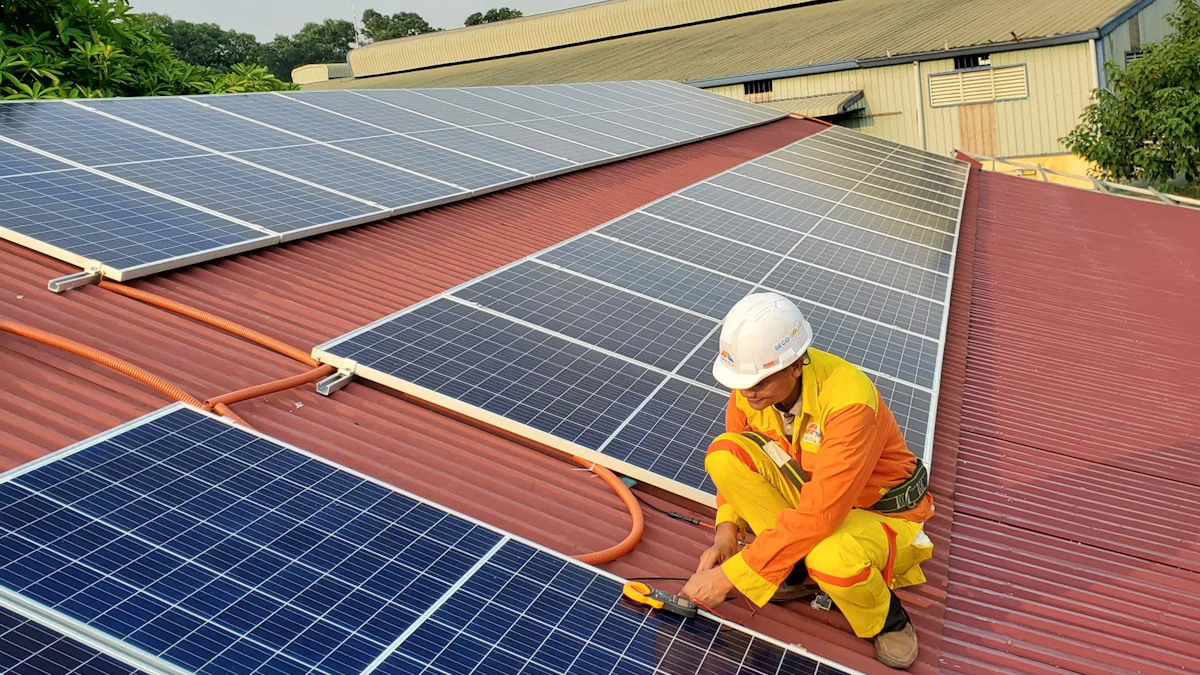
You rely on Solar Cables to transfer power efficiently in outdoor environments. Manufacturers design these cables to resist water exposure by using durable materials and smart engineering techniques. Industry standards ensure their waterproofing capability. However, improper handling or physical damage can reduce their effectiveness, leaving your system vulnerable to issues.
Key Takeaways
- Pick solar cables with IP67 or IP68 for better waterproofing.
- Install them correctly to stop water damage; seal connectors tightly.
- Check cables often to spot damage early and make them last longer.
How waterproof are solar cables?
Materials used in solar cables
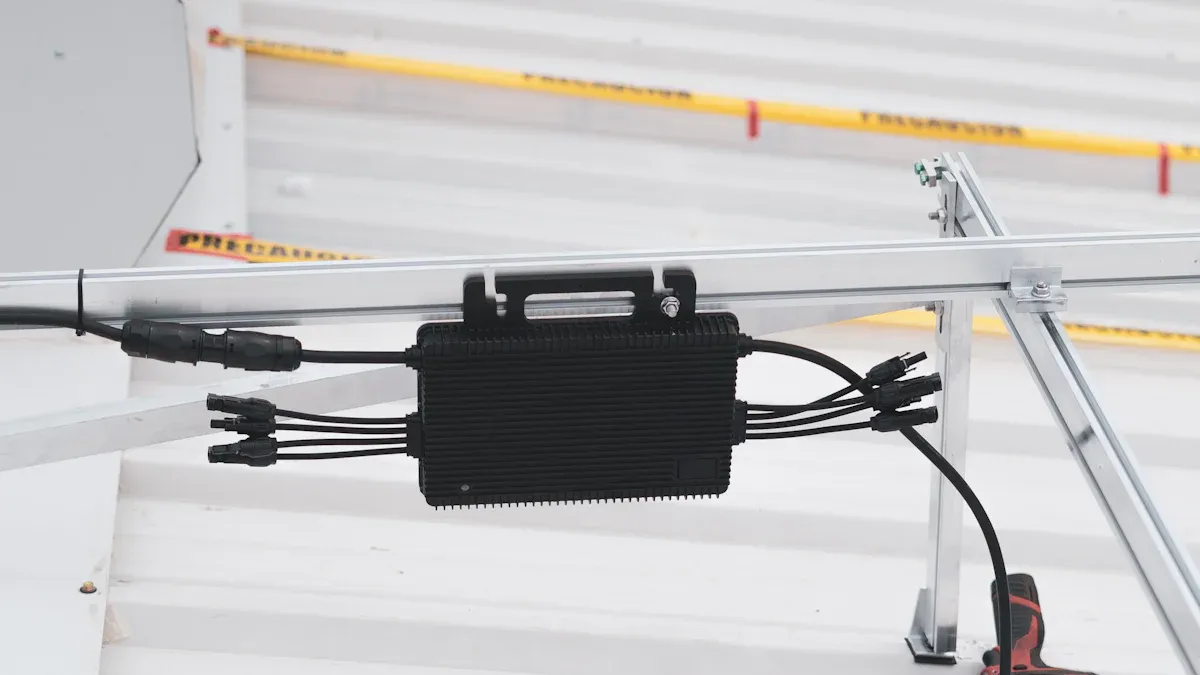
The materials used in a solar cable play a crucial role in its waterproofing. Manufacturers typically use cross-linked polyethylene (XLPE) or ethylene propylene rubber (EPR) for insulation. These materials resist water penetration and withstand high temperatures. The outer sheath often consists of UV-resistant and weatherproof compounds. This ensures the cable remains durable even in harsh outdoor conditions.
Copper or aluminum conductors inside the cable are also coated to prevent corrosion. This coating protects the metal from moisture, which could otherwise lead to electrical failures. By combining these materials, solar cables achieve both waterproofing and long-term reliability.
IP ratings and their significance
When evaluating how waterproof a solar cable is, you should pay attention to its IP rating. IP stands for "Ingress Protection," and it measures how well a product resists solids and liquids. The rating consists of two numbers. The first number indicates protection against solids like dust, while the second number shows resistance to liquids.
For example, an IP67-rated solar cable offers complete protection against dust and can withstand temporary immersion in water. Higher ratings, such as IP68, indicate the cable can handle continuous submersion under specific conditions. Understanding these ratings helps you choose the right cable for your environment.
Tip: Always check the IP rating before purchasing a solar cable. It ensures the cable meets your waterproofing needs.
Design features for waterproofing
The design of a solar cable includes several features to enhance waterproofing. Sealed connectors prevent water from entering the cable ends. Double-layer insulation adds an extra barrier against moisture. Some cables also include gel-filled cores, which block water from traveling along the cable if it gets damaged.
Another important feature is the use of tight-fitting sheaths. These sheaths minimize gaps where water could seep in. Additionally, manufacturers often test cables under simulated weather conditions to ensure their designs hold up in real-world scenarios.
By combining these design elements, solar cables maintain their waterproofing even in challenging environments.
What can compromise the waterproofing of solar cables?
Improper installation
Improper installation can weaken the waterproofing of a solar cable. If you don’t seal the connectors correctly, water can seep into the cable and cause damage. Loose or poorly fitted sheaths may also allow moisture to enter. Using the wrong tools or techniques during installation can create small tears or gaps in the insulation. These issues might not seem significant at first, but they can lead to long-term problems. Always follow the manufacturer’s guidelines and use the recommended tools to ensure a secure and waterproof setup.
Tip: Double-check all connections after installation to confirm they are tight and properly sealed.
Wear and tear over time
Even the most durable solar cables can experience wear and tear over time. Constant exposure to sunlight, rain, and temperature changes can degrade the outer sheath. Small cracks or splits may form, allowing water to penetrate the cable. Movement caused by wind or vibrations can also strain the cable, leading to damage. Regular inspections help you catch these issues early and prevent further deterioration.
Environmental factors like extreme weather
Extreme weather conditions can challenge the waterproofing of your solar cable. Heavy rain, snow, or flooding can overwhelm the cable’s protective features. Prolonged exposure to intense UV rays may weaken the outer sheath, making it more vulnerable to water. In areas prone to freezing temperatures, ice can expand within small cracks, worsening the damage. Choosing cables with high IP ratings and weather-resistant materials helps you prepare for these challenges.
How to maintain and improve the waterproofing of solar cables

Proper installation techniques
Proper installation is the first step to ensuring your solar cable remains waterproof. You need to follow the manufacturer’s guidelines carefully. Use tools designed for solar cable installation to avoid damaging the insulation or connectors. When sealing connectors, make sure they fit tightly to prevent water from entering.
Position the cables in a way that minimizes exposure to standing water. For example, avoid laying cables directly on the ground where water can pool. Elevating them slightly or using cable trays can help. If you’re installing cables in areas prone to heavy rain, consider using waterproof junction boxes for added protection.
Tip: Double-check all connections after installation. A quick inspection can save you from costly repairs later.
Regular inspections and maintenance
Regular inspections are essential for maintaining the waterproofing of your solar cable. Check the outer sheath for cracks, splits, or signs of wear. Look closely at connectors to ensure they remain sealed and free from corrosion. If you notice any damage, replace the affected parts immediately.
Schedule maintenance checks at least twice a year. During these checks, clean the cables to remove dirt and debris that could weaken the insulation. If your cables are exposed to extreme weather, increase the frequency of inspections.
Note: Early detection of issues can prevent water damage and extend the lifespan of your solar cable.
Using additional protective measures
Adding extra layers of protection can improve the waterproofing of your solar cable. Use cable conduits or sleeves to shield the cables from water and physical damage. These coverings act as a barrier, especially in areas with heavy rainfall or flooding.
For installations in extreme environments, consider using gel-filled connectors. These connectors block water from traveling along the cable if it gets damaged. You can also apply waterproof tape around vulnerable areas, such as connectors and junctions.
Elevating the cables above ground level is another effective measure. This reduces the risk of water pooling around the cables during heavy rains. Combining these protective measures ensures your solar cable stays functional and safe.
Solar cables are waterproof by design, but their reliability depends on your actions.
- Install them correctly to prevent water damage.
- Inspect them regularly to catch early signs of wear.
- Add protective measures for extra durability.
Remember: Prioritizing waterproofing keeps your solar system safe and efficient, ensuring long-term performance and peace of mind.
FAQ
What happens if water enters a solar cable?
Water inside a solar cable can cause short circuits, corrosion, or reduced efficiency. Inspect and replace damaged cables immediately to prevent further issues.
Tip: Regular maintenance helps you avoid water-related damage.
Can you use regular electrical cables for solar systems?
No, regular cables lack the waterproofing and UV resistance needed for outdoor solar systems. Always choose cables specifically designed for solar applications.
How do you know if a solar cable is waterproof?
Check the IP rating on the cable. Ratings like IP67 or IP68 indicate strong waterproofing. Look for durable materials and sealed connectors as well.
Note: Higher IP ratings mean better protection against water and dust.