

 Send Email
 Whatsapp


Are all MC4 connectors the same?
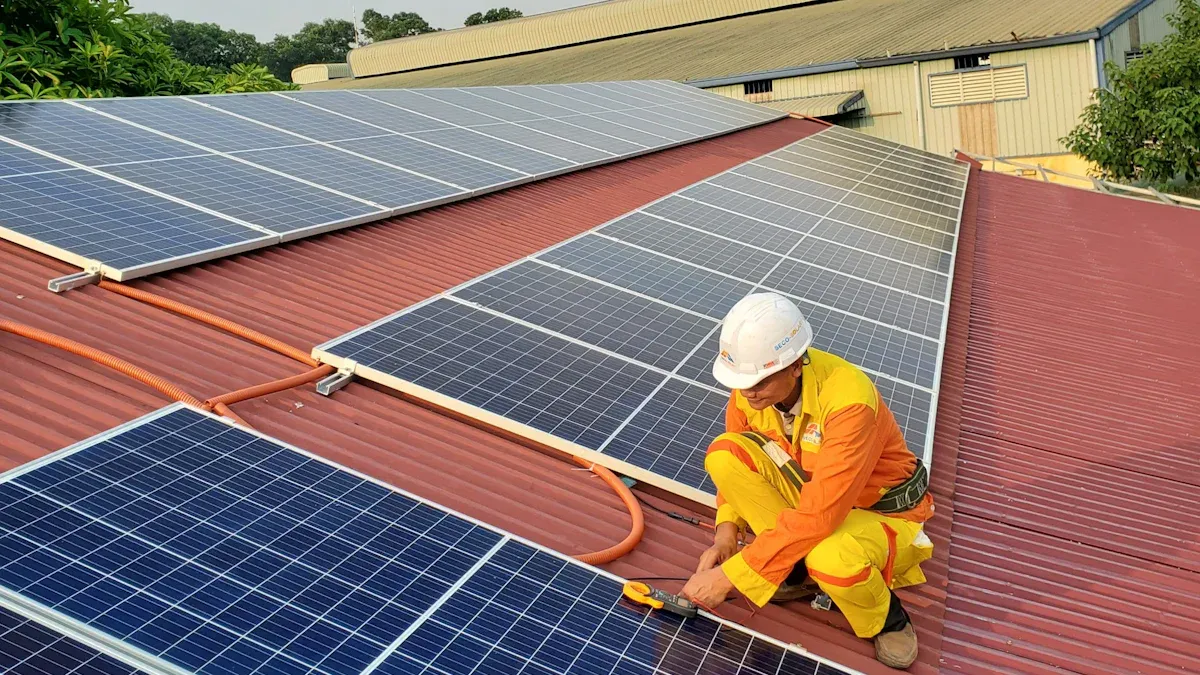
You may think all MC4 connectors work the same, but that is not true. Different brands use different designs and materials. If you use mismatched or low-quality MC4 connectors, you risk electrical problems or even fire.
Always check the quality and fit before you connect anything.
Key Takeaways
- Always choose MC4 connectors that match your solar system’s voltage and current ratings to avoid damage and overheating.
- Use certified connectors from the same brand and model to ensure a tight fit, safety, and long-lasting performance.
- Check each connector for quality, certification marks, and proper fit before installation to keep your solar setup safe and reliable.
Differences in MC4 Connectors
Voltage and Current Ratings
You need to pay close attention to voltage and current ratings when you choose MC4 connectors. Each connector supports a specific range of voltage and current. If you use a connector with a lower rating than your system requires, you risk overheating and damage. Manufacturers usually print these ratings on the connector or in the product manual.
Tip: Always match the connector rating to your solar panel and inverter specifications.
Here is a simple table to help you compare ratings:
| Connector Type | Voltage Rating | Current Rating |
|---|---|---|
| Standard MC4 | 1000V | 30A |
| High Power MC4 | 1500V | 50A |
Material Quality and Durability
You want MC4 connectors that last for years. The material quality affects how well the connector resists weather, UV rays, and corrosion. Some connectors use high-grade plastics and metals, while others use cheaper materials.
- High-quality connectors stay strong in rain and sun.
- Low-quality connectors may crack or fail quickly.
Note: Durable MC4 connectors protect your solar system from moisture and dust.
Manufacturing Standards and Tolerances
Manufacturing standards make a big difference in how MC4 connectors perform. You should look for connectors made under strict quality controls. Tight tolerances mean the parts fit together perfectly. Loose tolerances can cause poor connections and electrical faults.
- Certified connectors meet international standards like IEC or UL.
- Non-certified connectors may not pass safety tests.
Brand and Model Compatibility
You cannot always mix MC4 connectors from different brands. Each brand may use a slightly different design or locking mechanism. If you try to connect two different models, you might get a loose fit or a poor seal.
Always use connectors from the same brand and model for best results.
Some brands offer compatibility charts. You can check these charts before you buy new connectors.
Safe Selection and Use of MC4 Connectors
Risks of Mixing Different MC4 Connectors
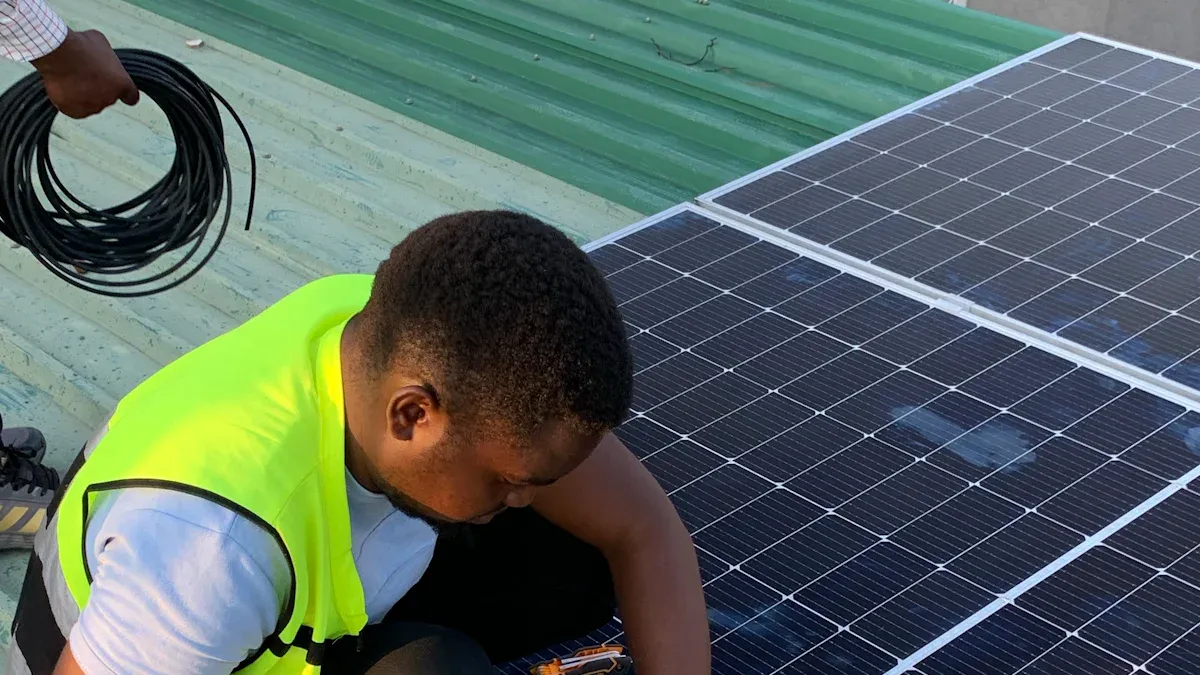
You might think all MC4 connectors fit together, but mixing different types can cause big problems. When you connect different brands or models, the parts may not lock tightly. This loose fit can let water or dust get inside. Water and dust can cause rust or even short circuits.
If you use mismatched connectors, you may also get poor electrical contact. Poor contact can make your solar system lose power or even overheat. Overheating can damage your equipment or start a fire.
⚠️ Tip: Always use the same brand and model of MC4 connectors for every connection in your solar setup.
Importance of Certifications and Standards
You should always check for certifications when you buy MC4 connectors. Certified connectors meet strict safety and quality rules. These rules come from groups like IEC or UL. Certified connectors go through many tests. These tests check if the connectors can handle high voltage, heat, and bad weather.
If you pick connectors without certification, you take a risk. Non-certified connectors may break or fail faster. They may not protect you from electric shock or fire.
Here is a quick table to help you spot important certifications:
| Certification | What It Means |
|---|---|
| IEC | International safety |
| UL | North American safety |
| TUV | European safety |
Note: Always look for certification marks on the connector or the package.
How to Identify the Right MC4 Connector
You can find the right MC4 connector by checking a few key things:
- Check the Ratings: Look at the voltage and current ratings. Make sure they match your solar panel and inverter.
- Look for Certification: Find the IEC, UL, or TUV mark on the connector.
- Match the Brand and Model: Use the same brand and model for all connections.
- Inspect the Build: Good connectors feel strong and snap together tightly. Cheap ones may feel flimsy or loose.
- Read the Manual: The product manual often lists what other connectors work with your model.
🛠️ Pro Tip: If you are not sure, ask your solar installer or supplier for help before you buy.
You should always choose certified connectors that match your system. Check every connector for compatibility and certification before you install it. This step keeps your solar setup safe and reliable.
Remember: Careful selection protects your equipment and gives you peace of mind.
FAQ
Can you reuse MC4 connectors?
You can reuse MC4 connectors if you remove them carefully. Always check for damage before you use them again. Damaged connectors can cause safety problems.
How do you disconnect MC4 connectors safely?
You should use an MC4 disconnect tool. Press the tool on the connector tabs. Pull the connectors apart gently. Never pull on the wires.
Do MC4 connectors work in wet conditions?
MC4 connectors have weatherproof seals. You can use them outdoors. Always check that you connect them tightly to keep water out.