

 Send Email
 Whatsapp


When can i use extension solar cable

You can use an extension Solar Cable when the distance between your solar panels and other components becomes too long for standard cables. This helps you connect your system safely and efficiently. Always choose the right solar cable to prevent power loss and protect your equipment.
Key Takeaways
- Use extension solar cables when the distance between your solar panels and other parts is too long for standard cables to reach safely.
- Choose the right cable length and thickness to avoid power loss and overheating, and always use weatherproof connectors for outdoor protection.
- Extension cables offer flexibility for both temporary and permanent solar setups, letting you arrange your system for the best sunlight and safety.
When to Use Extension Solar Cable
Distance Between Solar Components
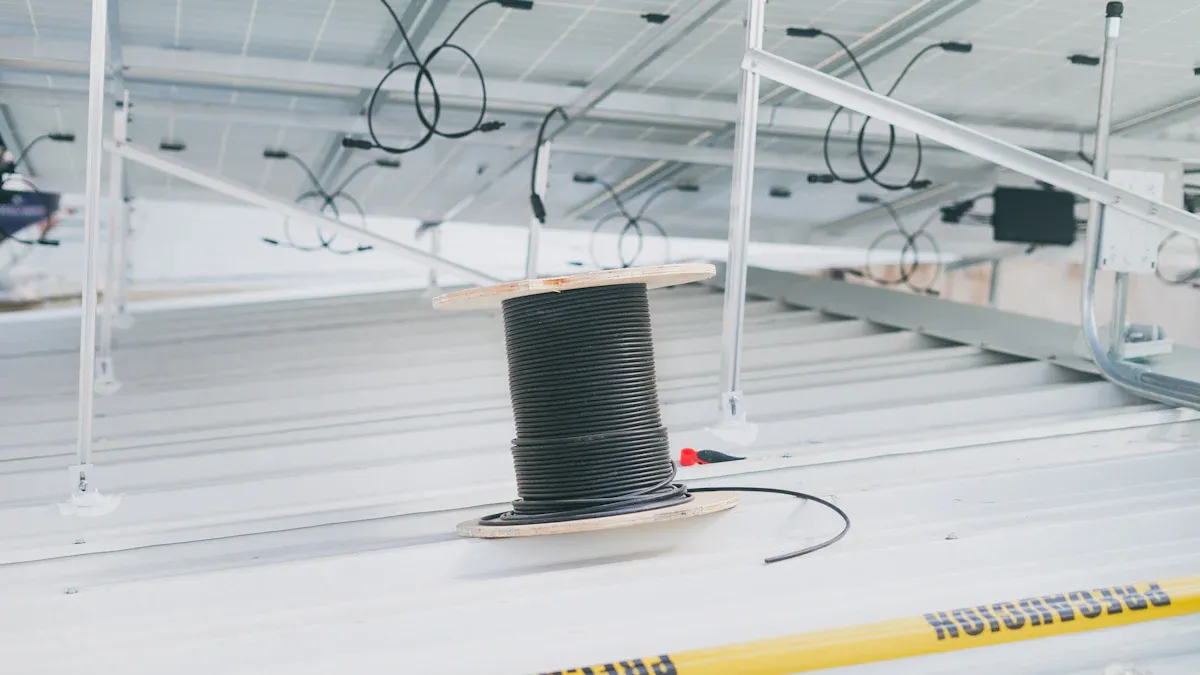
You may need an extension solar cable when the distance between your solar panels and other parts of your system grows too long for standard cables. For example, if you place your solar panels on a roof and your inverter sits in a garage, the gap between them can be large. Standard cables might not reach. An extension solar cable helps you bridge this gap safely. You keep your system running smoothly by making sure electricity travels the full distance without interruption.
Tip: Always measure the distance before buying any cable. This step helps you avoid buying a cable that is too short or too long.
System Layout and Flexibility
Sometimes, you want to arrange your solar panels in a special way. Maybe you want to spread them out to catch more sunlight or avoid shade from trees. In these cases, you need extra cable length to connect each panel. Extension solar cables give you the flexibility to design your system the way you want. You can move your panels or other equipment without worrying about cable reach.
- You can:
- Place panels farther apart for better sunlight.
- Move your charge controller or battery bank to a safer or cooler spot.
- Adjust your setup as your needs change.
A flexible layout can help you get the most energy from your solar panels.
Temporary vs. Permanent Solar Installations
You might use solar power for different reasons. Some people set up solar panels for a short time, like during camping trips or outdoor events. Others build permanent systems for homes or businesses. Extension solar cables work well for both situations.
-
For temporary setups:
- You can quickly connect and disconnect panels.
- You can pack up your system easily when you finish using it.
-
For permanent setups:
- You can run cables through walls or underground.
- You can make sure your system stays safe and neat for many years.
No matter the type of installation, always choose the right solar cable for your needs. This choice keeps your system safe and efficient.
Choosing and Installing the Right Solar Cable
Cable Length and Voltage Drop
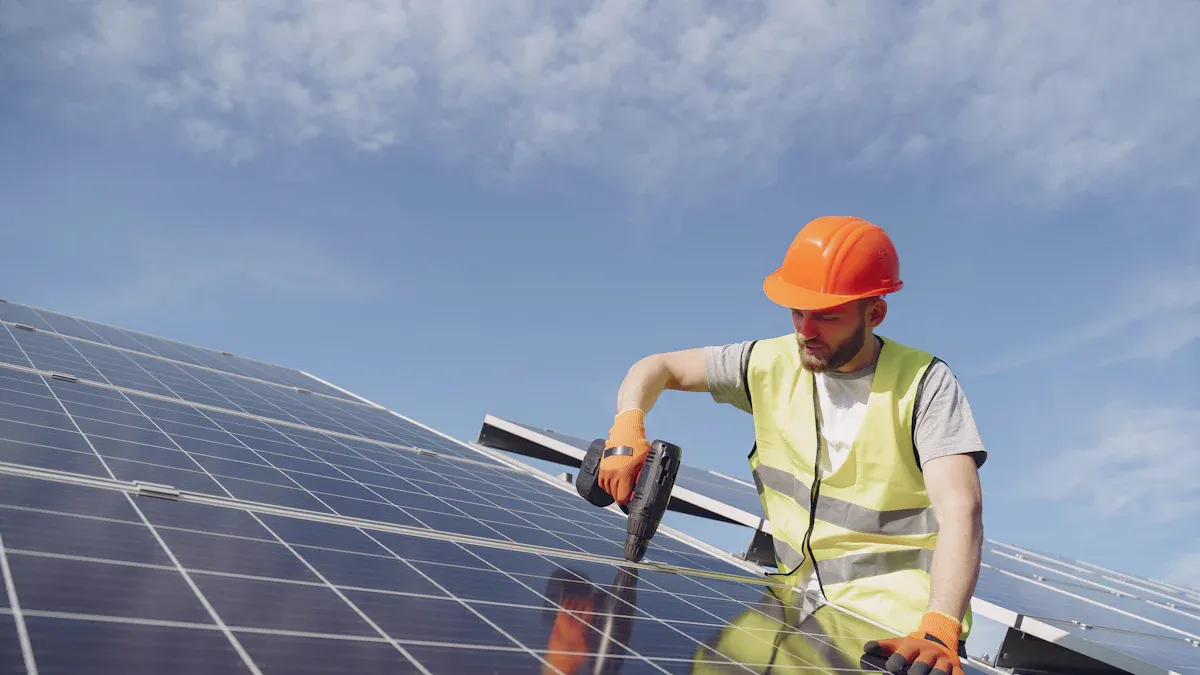
When you choose a solar cable, you need to think about how long the cable will be. Longer cables can cause voltage drop, which means you lose some power as electricity travels through the wire. You should always measure the distance between your solar panels and other equipment. If you use a cable that is too long, your system will not work as well. Try to keep cables as short as possible for better efficiency.
Tip: Use an online voltage drop calculator to check if your cable length is safe for your system.
Wire Gauge and Current Rating
The thickness of your solar cable matters. Thicker wires (lower gauge numbers) can carry more current without overheating. If you use a cable that is too thin, it can get hot and become unsafe. Always check the current rating for your system and match it with the right wire gauge.
| Wire Gauge | Max Current (Amps) |
|---|---|
| 10 AWG | 30 |
| 12 AWG | 20 |
| 14 AWG | 15 |
Connector and Weatherproof Compatibility
You need to use connectors that fit your solar cable and keep water out. Outdoor systems face rain, dust, and sunlight. Weatherproof connectors protect your system from damage. Make sure all connections are tight and sealed.
Safe Installation Steps
Follow these steps for a safe installation:
- Turn off all power before you start.
- Measure and cut your solar cable to the right length.
- Attach connectors securely.
- Check for tight, weatherproof connections.
- Test your system before regular use.
Note: If you feel unsure, ask a professional for help.
You can keep your solar system safe and strong by following best practices. Always pick the right solar cable, install it with care, and check it often. For large or tricky projects, ask a professional for help. This way, you get the most from your solar setup.
FAQ
Can you use any cable as an extension for solar panels?
You must use cables rated for solar use. These cables handle outdoor conditions and high voltage. Regular electrical cables may not keep your system safe.
How do you know what length of extension cable you need?
Measure the distance between your solar panel and the next component. Add a little extra for bends or turns. This helps you avoid a cable that is too short.
What happens if your extension cable is too thin?
A thin cable can overheat and lose power. You risk damaging your equipment. Always match the cable thickness to your system’s current needs.