

 Send Email
 Whatsapp


what size solar cable do i need
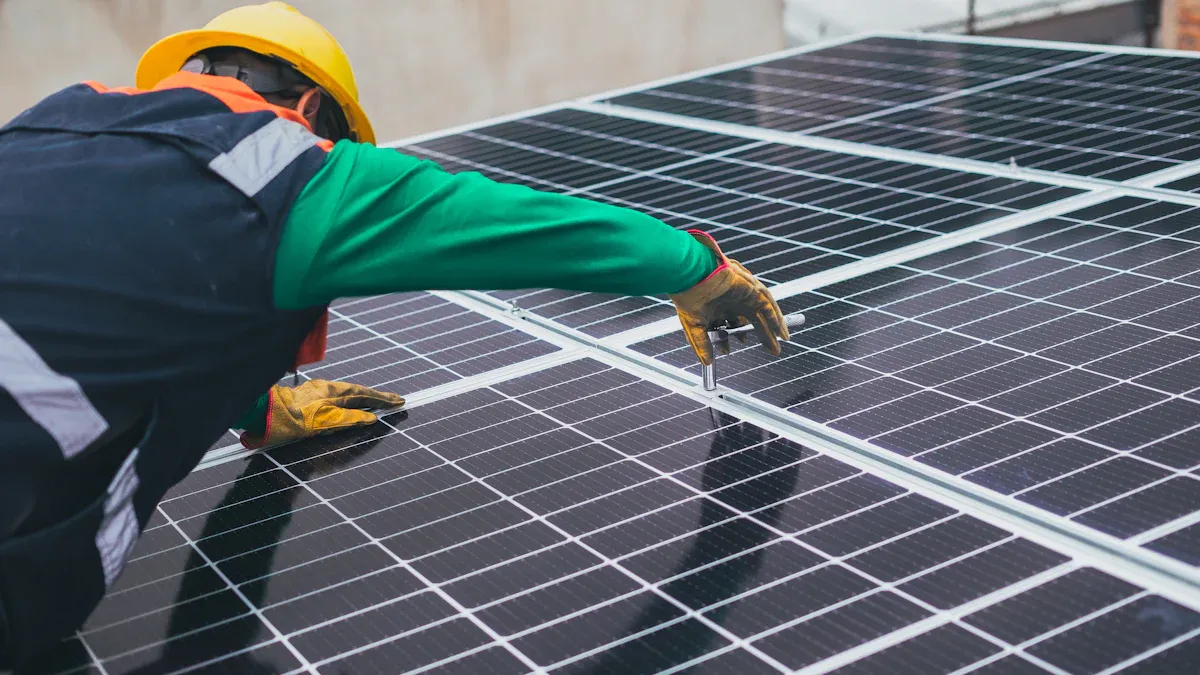
You want your solar system to work safely and efficiently. Most home setups use 10 AWG or 8 Awg Solar Cable. For up to 30 amps and short distances, you can use 10 AWG. If your system has more amps or longer cables, choose a thicker wire.
Key Takeaways
- Choose your solar cable size based on your system’s amps, voltage, and cable length to keep it safe and efficient.
- Use a cable size chart or calculator and always pick a thicker cable if you are unsure to avoid power loss and overheating.
- Wiring type affects cable size: series wiring needs thinner cables, while parallel wiring requires thicker cables for higher current.
How to Choose the Right Solar Cable Size
Step-by-Step Guide to Sizing Solar Cable
You can size your solar cable by following a few simple steps.
- Find the maximum current (amps) your solar system will carry. You can check your solar panel’s label or manual for this number.
- Measure the distance from your solar panels to your charge controller or inverter.
- Decide on the voltage of your system. Most home systems use 12V, 24V, or 48V.
- Check the recommended voltage drop. Try to keep voltage drop below 3%.
- Use a cable size chart or calculator to match your amps, voltage, and distance to the right cable size.
Tip: Always round up to the next thicker cable size if you are unsure. This helps keep your system safe.
Using a Solar Cable Size Calculator or Chart
You can use a solar cable size calculator online. These tools ask for your system’s amps, voltage, and cable length. They show you the best cable size for your needs.
You can also use a cable size chart. Here is a simple example:
| Amps | Distance (ft) | 12V System | 24V System | 48V System |
|---|---|---|---|---|
| 10 | 15 | 10 AWG | 12 AWG | 14 AWG |
| 20 | 15 | 8 AWG | 10 AWG | 12 AWG |
| 30 | 15 | 6 AWG | 8 AWG | 10 AWG |
Note: Charts and calculators help you avoid mistakes. Always double-check your numbers.
Example Solar Cable Size Calculations
Let’s look at an example.
You have a 12V solar system that produces 20 amps. The distance from your panels to your controller is 20 feet.
- You want less than 3% voltage drop.
- A cable size chart shows you need 6 Awg Solar Cable for this setup.
If you use a thinner cable, you may lose power and risk overheating.
Always check your numbers before buying cable.
Solar Cable Size for Series Wiring
When you wire solar panels in series, the voltage adds up, but the current stays the same.
- You only need to size your solar cable for the current of one panel string.
- Higher voltage means you can use thinner cable for the same power.
For example, if each panel produces 10 amps and you have three in series, you still size for 10 amps, not 30.
Series wiring can help you save money on cable.
Solar Cable Size for Parallel Wiring
In parallel wiring, the current adds up, but the voltage stays the same.
- You must size your solar cable for the total current of all panel strings.
- More current means you need a thicker cable.
If you have three panels, each producing 10 amps, you need a cable that can handle 30 amps.
Parallel wiring often needs thicker cable than series wiring.
Solar Cable Size for Series-Parallel Wiring
Some systems use both series and parallel wiring.
- First, find the current in each string (series).
- Then, add up the current from all strings (parallel).
- Size your solar cable for the total current.
For example, if you have two strings of three panels (each string 10 amps), you need a cable for 20 amps.
Always check both voltage and current when you use series-parallel wiring.
Why Solar Cable Size Matters
Voltage Drop and Power Loss in Solar Cable
When electricity travels through a solar cable, some energy gets lost as heat. This loss is called voltage drop. If you use a cable that is too thin or too long, you will lose more power. You want to keep voltage drop below 3%. Less voltage drop means your solar panels send more power to your batteries or inverter.
Tip: Shorter and thicker cables help reduce voltage drop and save energy.
Safety and Fire Prevention with Proper Solar Cable Sizing
Choosing the right solar cable size keeps your system safe. If a cable is too thin for the current, it can overheat. Overheated cables may melt or even start a fire. You protect your home and equipment when you use the correct cable size.
- Thick cables carry more current safely.
- Proper sizing lowers the risk of accidents.
Efficiency and System Performance
A well-sized solar cable helps your system work better. You get more power from your panels when you use the right cable. Your batteries charge faster, and your inverter runs smoothly. Good cable sizing means you waste less energy and save money over time.
Is It Better to Use a Larger Solar Cable?
You may wonder if you should always pick a bigger cable. Using a larger solar cable can improve safety and reduce voltage drop. It also prepares your system for future upgrades. However, thicker cables cost more and are harder to install. Balance your needs and budget when you choose your cable size.
You should always match your solar cable size to your system’s amps, voltage, and distance. Use a cable size chart or calculator for the best results. The right solar cable keeps your system safe and efficient. When you feel unsure, choose a thicker cable for extra safety.
FAQ
What happens if you use a cable that is too thin?
You risk overheating the cable. This can cause power loss or even start a fire. Always choose the correct cable size for safety.
Can you mix different cable sizes in one solar system?
You should avoid mixing cable sizes. Using the same size throughout your system keeps power flow steady and prevents weak spots.
How do you measure the distance for solar cable sizing?
Measure the total length from your solar panel to your controller or inverter. Always include both the positive and negative cable runs in your measurement.