

 Send Email
 Whatsapp


What size DC cable for solar?
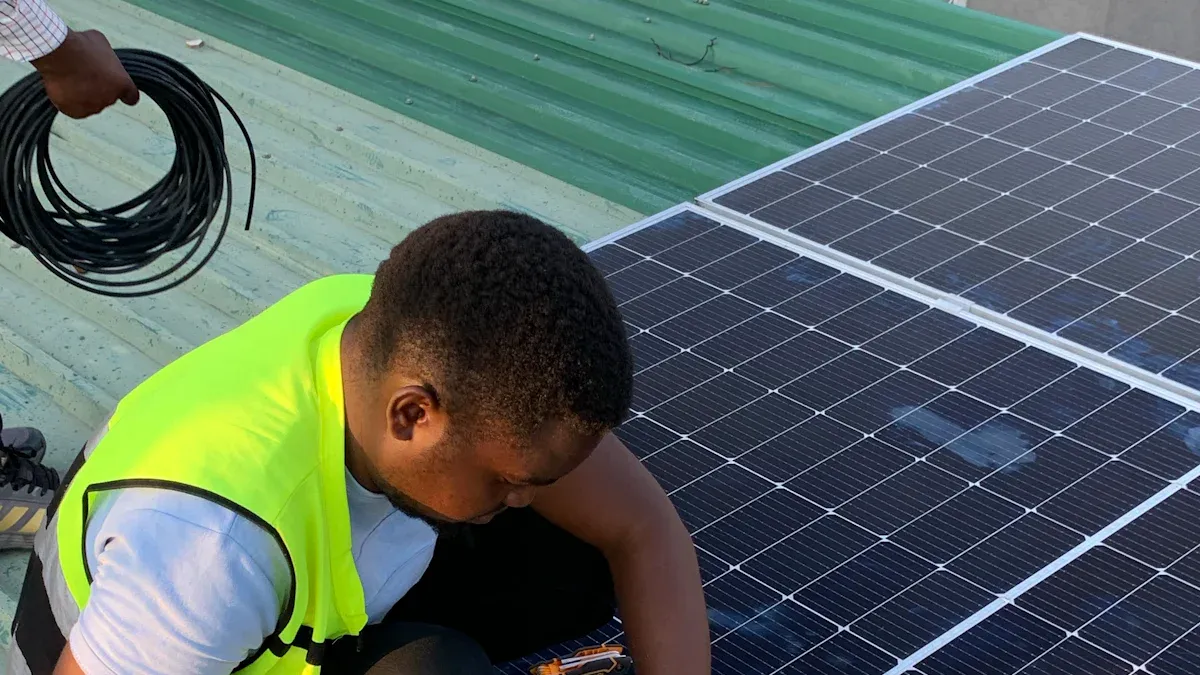
Choosing the right DC cable size for your solar system is crucial. Incorrect sizing can lead to energy loss, overheating, or even fire hazards. Larger currents and longer distances require thicker cables to ensure safety and efficiency. Always prioritize proper sizing to protect your investment and maximize the performance of your Solar Cable.
Key Takeaways
- Picking the right DC cable size is very important. It helps keep solar systems safe and working well. Wrong sizes can cause overheating and waste energy.
- Think about current, voltage, and distance when choosing a cable. Bigger currents and longer distances need thicker cables to avoid voltage drop.
- Use a cable sizing formula to pick the right size. Always choose the next bigger size for extra safety.
Factors Influencing Solar Cable Size

Current (Amperage) and Its Impact
The amount of current flowing through a solar cable directly affects its size. Higher current generates more heat, which can damage the cable if it’s too thin. You need a thicker cable to handle larger currents safely. For example, a solar panel system with a high amperage output requires cables with lower resistance to prevent overheating. Always check the current rating of your system before selecting a cable.
Voltage and System Requirements
Voltage plays a key role in determining the right cable size. Systems with higher voltage can use thinner cables because they carry less current for the same power output. However, low-voltage systems need thicker cables to minimize energy loss. You should always match the cable’s voltage rating with your system’s requirements to ensure efficiency and safety.
Distance Between Solar Components
The distance between your solar panels, batteries, and inverters also impacts cable size. Longer distances increase resistance, leading to voltage drop. To counter this, you’ll need thicker cables for longer runs. For instance, if your panels are far from the inverter, a thicker solar cable will reduce energy loss and maintain performance.
Wire Material: Copper vs. Aluminum
The material of the cable affects its conductivity and durability. Copper cables are more efficient because they have lower resistance, but they are also more expensive. Aluminum cables are cheaper and lighter but require a larger size to carry the same current. You should weigh the pros and cons of each material based on your budget and system needs.
Calculating the Right Solar Cable Size
Understanding Voltage Drop in Solar Systems
Voltage drop occurs when electricity travels through a cable and loses some of its energy as heat. This can reduce the efficiency of your solar system. You should aim to keep the voltage drop below 3% for optimal performance. Longer cables or smaller wire sizes increase voltage drop, so you need to choose the right solar cable to minimize this issue.
Tip: Always measure the distance between your solar components and calculate the voltage drop before selecting a cable.
Step-by-Step Formula for Cable Sizing
To calculate the correct cable size, you can use this formula:
Cable Size (mm²) = (2 × Current × Distance) ÷ (Voltage × Allowable Voltage Drop) - Current: The amperage of your solar system.
- Distance: The one-way length of the cable in meters.
- Voltage: The system's operating voltage.
- Allowable Voltage Drop: Typically 3% of the system voltage.
This formula helps you determine the minimum cable size needed to handle the current without excessive energy loss.
Example Calculation for a Typical Solar Setup
Imagine you have a 12V solar system with a current of 20A. The distance between the solar panel and the battery is 10 meters. Assuming a 3% allowable voltage drop, the calculation would look like this:
Cable Size = (2 × 20 × 10) ÷ (12 × 0.03) Cable Size = 111.11 mm² In this case, you would need a solar cable with a cross-sectional area of at least 111 mm². Always round up to the nearest available cable size for safety.
Common Solar Cable Sizes and Applications

Popular Wire Gauges for Solar Systems
Solar systems commonly use specific wire gauges to handle different current levels and distances. Wire gauge refers to the thickness of the cable, with smaller numbers indicating thicker wires. Here are some popular options:
- 10 AWG (American Wire Gauge): Suitable for small solar setups or short distances. It handles moderate currents effectively.
- 8 AWG: Works well for medium-sized systems with slightly higher current needs.
- 6 AWG: Ideal for larger systems or longer distances where voltage drop becomes a concern.
- 4 AWG and thicker: Used in high-capacity systems, such as those with multiple panels or large inverters.
You should always check the current and distance requirements of your system before selecting a wire gauge. Using the wrong size can lead to energy loss or overheating.
Choosing the Right Cable for Panels, Batteries, and Inverters
Each component in your solar system has unique cable requirements. Solar panels typically need cables that can handle outdoor conditions, such as UV exposure and temperature changes. For batteries, you should use cables with low resistance to ensure efficient energy transfer. Inverters require cables that can handle high currents without overheating.
Tip: Always match the cable size to the current and distance for each component. This ensures safety and optimal performance.
When selecting a solar cable, consider the material, insulation, and flexibility. Copper cables are more efficient but costlier, while aluminum cables are lighter and more affordable. Choose the one that fits your budget and system needs.
Choosing the right solar cable ensures safety, efficiency, and compliance with system requirements. You must consider factors like current, voltage, distance, and material when selecting a cable. If you feel unsure about calculations or have a complex setup, consult a professional to avoid costly mistakes and ensure optimal performance.
FAQ
What happens if you use the wrong cable size for your solar system?
Using the wrong cable size can cause overheating, energy loss, or even fire hazards. It also reduces the efficiency and safety of your solar system.
How do you calculate the voltage drop for a solar cable?
You calculate voltage drop using this formula:Voltage Drop (%) = (2 × Current × Distance × Resistance) ÷ Voltage × 100. Keep it below 3% for efficiency.
Can you use aluminum cables instead of copper for solar systems?
Yes, you can use aluminum cables. However, they require a larger size to carry the same current as copper. Copper is more efficient but costs more.
Tip: Always consult a professional if you're unsure about cable sizing or material selection.