
 Send Email
 Whatsapp


The development of DC photovoltaic cables in Europe

Europe has seen rapid progress in DC Photovoltaic Cable technology. Manufacturers now create solar cable solutions that meet higher efficiency and safety demands. Major milestones include the adoption of advanced insulation materials and improved testing standards. These changes help ensure reliable energy transmission in solar power systems.
Key Takeaways
- European solar cable technology has advanced through better materials like UV-resistant insulation and smart designs that improve safety and efficiency.
- Strict standards such as EN 50618 ensure high-quality, durable cables that perform well in harsh outdoor conditions and meet safety requirements.
- Growing solar markets and supportive policies drive demand for reliable solar cables, while innovation and skilled installation help overcome challenges and boost system performance.
Technological Progress in Solar Cable Design
Early European Innovations
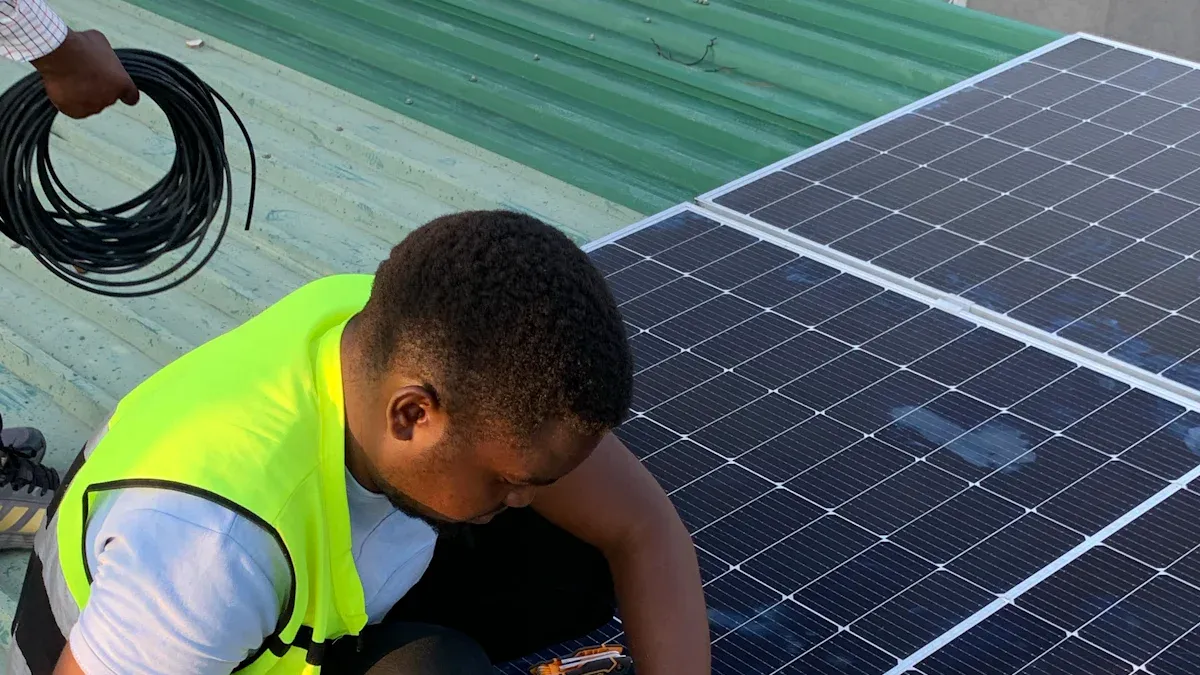
European engineers started to improve solar cable technology in the early days of solar power. They focused on making cables that could handle outdoor conditions. Many early designs used rubber insulation, but this material did not last long in sunlight. Researchers soon switched to cross-linked polyethylene (XLPE) and other UV-resistant materials. These changes helped solar cables last longer and work better in harsh weather.
In the 1990s, several European countries invested in solar farms. This investment pushed companies to create cables that could carry more electricity with less loss. Manufacturers also began to test cables for fire resistance and flexibility. These tests made sure that solar cable products met strict safety rules.
Note: Early European innovations set the foundation for modern solar cable systems. They showed the importance of using strong materials and careful testing.
High-Voltage DC Systems and Smart Solar Cable Solutions
As solar farms grew larger, the need for high-voltage DC systems increased. High-voltage systems allow solar power plants to send electricity over long distances without losing much energy. European companies developed new types of solar cable that could handle these higher voltages. These cables used thicker insulation and special shielding to prevent power loss and overheating.
Smart solar cable solutions also became popular in Europe. These cables include sensors that monitor temperature and electrical flow. If a problem happens, the system can alert technicians right away. This technology helps prevent fires and keeps solar power systems running safely.
Some companies now use color-coded cables and easy-to-install connectors. These features make it faster and safer to set up solar panels. The focus on smart solutions and high-voltage systems shows how Europe leads in solar cable innovation.
Standards and Certifications for Solar Cable
EN 50618 and European Norms
EN 50618 stands as the main standard for solar cable in Europe. This standard sets strict requirements for cable design, insulation, and performance. Manufacturers must test cables for resistance to UV light, heat, and moisture. EN 50618 also covers fire safety and mechanical strength. These rules help ensure that cables last for many years in outdoor solar installations.
European countries follow EN 50618 to keep quality high across the region. Many solar projects require cables with this certification. Inspectors check for the EN 50618 mark before approving new solar farms. This process helps prevent failures and keeps solar systems safe.
Tip: Always look for the EN 50618 mark when choosing cables for solar projects in Europe.
International Standards Influencing Europe
International standardsalso shape the European solar cable market. The International Electrotechnical Commission (IEC) publishes guidelines like Iec 62930 and IEC 60228. These documents set global rules for cable construction and testing. Many European manufacturers use both EN and IEC standards to meet export needs.
A table below shows key standards:
| Standard | Focus Area |
|---|---|
| EN 50618 | European solar cable |
| IEC 62930 | International solar cable |
| IEC 60228 | Conductor requirements |
By following both European and international standards, companies can sell products across borders. This approach supports growth in the solar industry and helps maintain high safety levels.
Materials and Design Choices for Solar Cable
Preferred Materials in European Solar Cable Manufacturing
European manufacturers select materials that improve performance and safety. Cross-linked polyethylene (XLPE) stands out as the most popular insulation. XLPE resists heat, moisture, and ultraviolet rays. This material helps cables last longer outdoors. Copper serves as the main conductor because it carries electricity efficiently. Some companies use tinned copper to prevent corrosion. Aluminum appears in some designs, but copper remains the top choice for most solar cable applications.
A table below shows common materials:
| Component | Preferred Material | Benefit |
|---|---|---|
| Conductor | Copper | High conductivity |
| Insulation | XLPE | UV and heat resistance |
| Sheath | UV-resistant polymers | Outdoor durability |
Note: Material selection affects cable lifespan and safety. Manufacturers test each material to meet European standards.
Design Features for Efficiency and Durability
Engineers in Europe focus on design features that boost efficiency and durability. Double insulation protects cables from harsh weather. Flexible construction allows easy installation in tight spaces. Some cables include water-blocking layers to stop moisture from entering. Color-coded jackets help installers identify cables quickly.
Manufacturers also design cables to resist fire and chemicals. These features reduce risks in solar power systems. Smart connectors make installation faster and safer. Each design choice supports reliable energy transmission and long-term performance.
Regulatory Impact on Solar Cable Adoption
EU Directives and National Policies
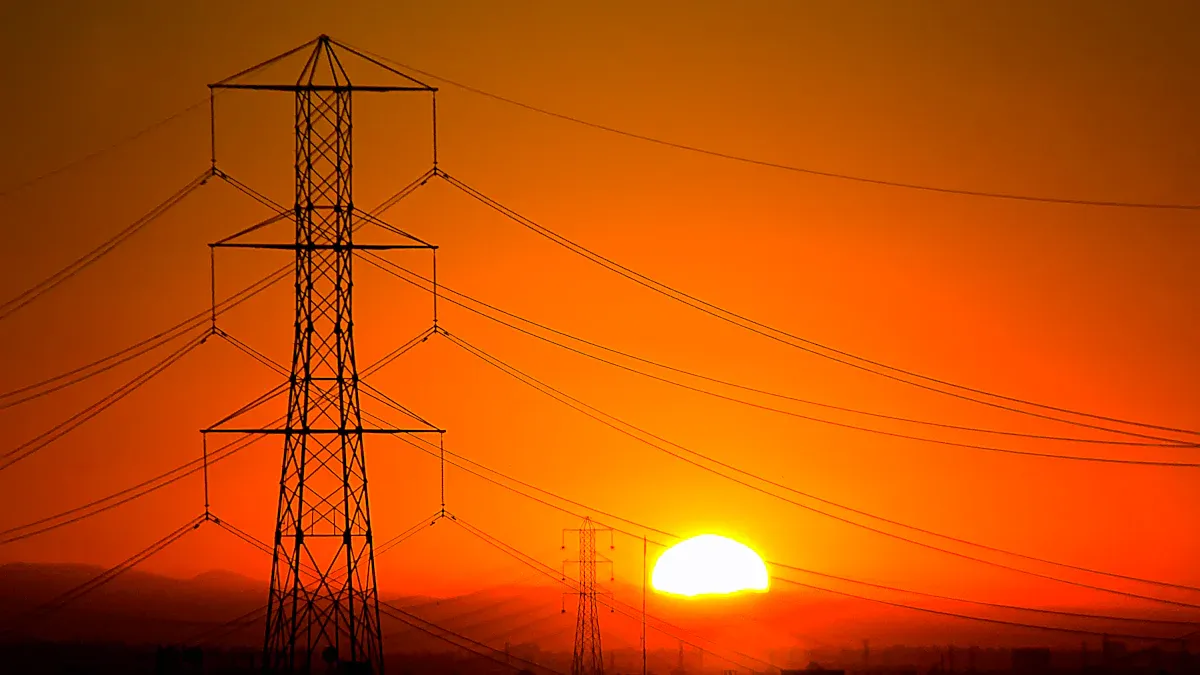
The European Union sets clear rules for solar energy projects. EU directives guide member countries on how to support clean energy. These rules help create a single market for solar products. Each country then makes its own laws based on these directives. Some countries offer tax breaks or grants for solar projects. Others set targets for renewable energy use. These policies encourage companies to use high-quality solar cable in their systems.
EU directives help keep standards high across Europe. They also make it easier for companies to sell products in different countries.
Compliance and Quality Assurance in Solar Cable Production
Manufacturers must follow strict rules when making solar cable. They test each product to meet safety and performance standards. Quality checks happen at every step of production. Inspectors look for problems like weak insulation or poor connections. Companies keep records of these tests to show they meet EU rules.
A simple checklist for quality assurance includes:
- Testing for heat and UV resistance
- Checking electrical performance
- Inspecting for physical damage
These steps help ensure that every solar cable works well and lasts a long time. Strong compliance builds trust with customers and supports the growth of solar energy in Europe.
Market Trends and Leading Solar Cable Manufacturers
Growth Drivers and Adoption Rates in Europe
Europe continues to see strong growth in the solar energy sector. Several factors drive this expansion. Governments set ambitious renewable energy targets. These targets encourage investment in solar farms and rooftop installations. Falling costs for solar panels and related equipment make solar power more affordable. Many homeowners and businesses choose solar energy to reduce electricity bills and carbon emissions.
Financial incentives also play a key role. Some countries offer tax credits or rebates for solar projects. Others provide feed-in tariffs, which pay users for the electricity they generate. These policies increase demand for reliable components, including solar cable. As a result, manufacturers ramp up production to meet rising orders.
Adoption rates vary across Europe. Southern countries like Spain, Italy, and Greece benefit from high levels of sunlight. These regions install more solar panels each year. Northern countries, such as Germany and the Netherlands, also show strong growth. They use advanced technology to maximize energy output, even with less sunshine.
Note: The European solar market remains dynamic. New projects launch every month, and the need for quality solar cable continues to rise.
Major Players and Regional Differences
Several companies lead the European solar cable market. These manufacturers supply products for both large-scale solar farms and small rooftop systems. Some of the top names include:
- Prysmian Group (Italy)
- Nexans (France)
- Lapp Group (Germany)
- Helukabel (Germany)
- Top Cable (Spain)
Each company brings unique strengths. Prysmian Group offers a wide range of cable solutions for different environments. Nexans focuses on innovation and sustainability. Lapp Group and Helukabel provide flexible products for complex installations. Top Cable serves many projects in southern Europe.
Regional differences shape the market. Southern Europe sees higher demand due to more sunlight and larger solar farms. Northern and central regions focus on efficiency and advanced technology. Local regulations and building codes also influence product choices.
A table below highlights key players and their main markets:
| Manufacturer | Country | Main Market Focus |
|---|---|---|
| Prysmian Group | Italy | Utility-scale projects |
| Nexans | France | Innovation, sustainability |
| Lapp Group | Germany | Flexible installations |
| Helukabel | Germany | Industrial applications |
| Top Cable | Spain | Southern Europe projects |
Leading manufacturers invest in research and development. They aim to create safer, more efficient products for the growing European solar industry.
Challenges Facing the European Solar Cable Market
Reliability and Longevity Issues
European solar projects often operate in harsh outdoor environments. Extreme temperatures, heavy rain, and strong sunlight can damage cables over time. Some cables may crack or lose flexibility after years of exposure. Moisture can enter damaged insulation and cause short circuits. Manufacturers test materials for durability, but real-world conditions sometimes reveal weaknesses.
Aging infrastructure also creates problems. Older solar installations may use outdated cable designs. These cables might not meet current standards for UV or fire resistance. Replacing old cables can disrupt energy production and increase costs.
Note: Regular inspections help identify early signs of wear. Maintenance teams can replace faulty cables before they cause system failures.
Safety and Installation Concerns
Safety remains a top priority for solar energy systems. Improper installation can lead to electrical faults or even fires. Installers must follow strict guidelines to ensure safe connections. Mistakes during installation, such as bending cables too tightly or using the wrong connectors, can reduce performance.
Some regions face a shortage of skilled workers. Inexperienced installers may overlook important steps. This increases the risk of accidents and system downtime. Training programs and clear instructions help address these challenges.
A checklist for safe installation includes:
- Using certified connectors
- Avoiding sharp bends
- Securing cables away from water
Careful planning and skilled labor improve the reliability of every solar cable system.
Opportunities for Innovation and Market Expansion
Advances in Solar Cable Materials and Technology
European manufacturers continue to push the boundaries of solar technology. They explore new materials that improve both efficiency and safety. For example, some companies test halogen-free compounds. These materials reduce toxic smoke during fires. Others develop insulation that resists even higher temperatures. This approach helps cables last longer in extreme conditions.
Engineers also design cables with built-in monitoring features. These smart cables can detect faults or overheating. They send real-time data to maintenance teams. This technology reduces downtime and prevents costly repairs. Some research teams experiment with lightweight conductors. These options make installation easier and lower transportation costs.
Innovation in materials and design supports the growth of renewable energy across Europe.
Expansion into Emerging European Markets
Emerging markets in Eastern and Southeastern Europe show strong potential for solar energy. Countries like Poland, Romania, and Bulgaria invest in new solar farms. These regions benefit from falling equipment costs and supportive government policies. Local companies partner with established manufacturers to bring advanced products to market.
A table below highlights key emerging markets and their growth factors:
| Country | Growth Factor |
|---|---|
| Poland | Government incentives |
| Romania | Lower equipment costs |
| Bulgaria | Increased solar demand |
Manufacturers who enter these markets early gain a competitive edge. They build relationships with local installers and utilities. This strategy helps expand the reach of solar cable solutions across the continent.
European advances in solar cable technology have improved safety, efficiency, and durability. Industry stakeholders see new opportunities for growth and innovation.
- Manufacturers invest in better materials.
- Policymakers support renewable energy.
Future trends point to smarter systems and wider adoption across Europe.
FAQ
What makes DC photovoltaic cables different from regular electrical cables?
DC photovoltaic cables use UV-resistant insulation and flexible designs. These features help them last longer outdoors and handle solar power system demands.
Why do European solar projects require EN 50618-certified cables?
EN 50618-certified cables meet strict safety and durability standards. Inspectors trust these cables to perform reliably in harsh European climates.
How often should solar cables undergo inspection?
- Experts recommend annual inspections.
- Regular checks help spot damage early and prevent costly system failures.