

 Send Email
 Whatsapp


Suitable for solar cables on balconies
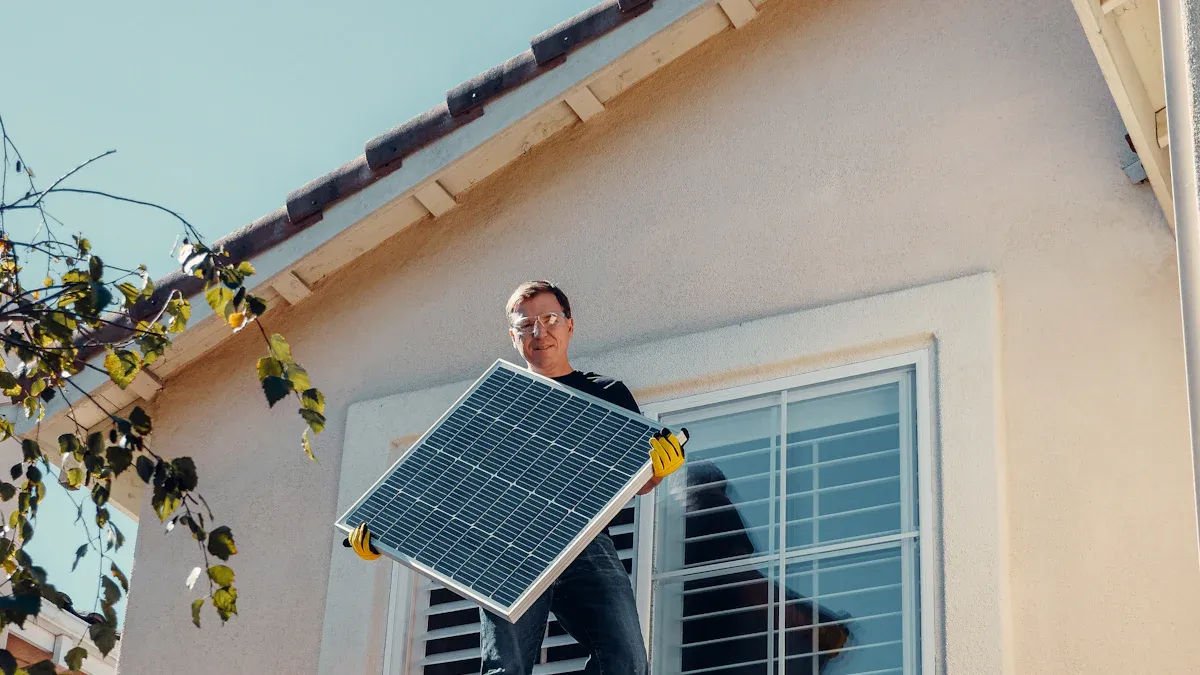
When choosing a Solar Cable for your balcony, you want one that can handle the elements. Look for cables designed to resist weather and UV rays. These features protect the cable from damage and ensure it lasts longer. Flexibility and durability matter too, especially for handling tight spaces or frequent adjustments.
Key Takeaways
- Pick cables that resist weather and block UV rays for safety.
- Use bendable cables to fit tight spots and avoid damage.
- Check and clean your cables often to keep them working well.
Key Features of a Suitable Solar Cable
Weather Resistance
When installing a solar cable on your balcony, weather resistance is a must-have feature. Outdoor conditions can be unpredictable, with rain, snow, and extreme temperatures all taking a toll on your setup. A weather-resistant cable ensures that moisture, heat, or cold won’t damage the insulation or the internal wiring. This keeps your system running smoothly, even during harsh weather.
Look for cables labeled as "weatherproof" or "outdoor-rated." These are designed to handle the elements without cracking or degrading over time. If you live in an area with frequent storms or heavy rainfall, investing in a high-quality weather-resistant cable will save you from costly repairs later.
Tip: Check the cable’s IP (Ingress Protection) rating. A higher IP rating means better protection against water and dust.
UV Protection
Sunlight is great for your solar panels, but it’s not so kind to cables. Prolonged exposure to UV rays can weaken the outer layer of a cable, causing it to crack or fade. This not only shortens the cable’s lifespan but also poses safety risks.
To avoid this, choose a solar cable with built-in UV protection. These cables are specially designed to resist damage from sunlight, making them ideal for balcony installations where direct exposure is common. You’ll notice that UV-protected cables maintain their color and flexibility even after years in the sun.
Did you know? UV-protected cables are often made with special materials like cross-linked polyethylene (XLPE), which enhances their durability under sunlight.
Flexibility and Durability
Balconies often have tight corners, railings, or limited space, so flexibility is key. A flexible solar cable makes installation easier and allows you to route it neatly around obstacles. It also reduces the risk of damage when you need to adjust or reposition the cable.
Durability goes hand in hand with flexibility. A durable cable can withstand wear and tear, whether it’s from frequent handling or exposure to outdoor conditions. Look for cables with a robust outer sheath and high-quality materials like copper or tinned copper for the conductors. These materials ensure efficient energy transfer while standing up to the demands of daily use.
Pro Tip: Test the cable’s flexibility before buying. Bend it gently to see how easily it moves without kinking or cracking.
Types of Solar Cable for Balcony Installations
Single-Core vs. Multi-Core Cables
When choosing a solar cable for your balcony, you’ll come across two main types: single-core and multi-core cables. Each has its own strengths, and the right choice depends on your specific setup.
Single-Core Cables
Single-core cables have just one conductor inside. They’re simple, lightweight, and often easier to install. If your balcony solar system is straightforward and doesn’t require complex wiring, single-core cables might be your best bet. These cables are ideal for smaller setups where space is limited.
Multi-Core Cables
Multi-core cables, on the other hand, contain multiple conductors bundled together. They’re perfect for more advanced systems that need to handle higher power loads or connect multiple components. While they’re bulkier than single-core cables, they offer greater versatility and can simplify wiring for larger balcony installations.
Tip: If you’re unsure which type to pick, consider the size of your solar system and the number of connections you’ll need. For basic setups, single-core cables work well. For more complex systems, multi-core cables are worth the investment.
Commonly Used Materials (e.g., copper, aluminum)
The material of your solar cable plays a big role in its performance and durability. Copper and aluminum are the two most common choices, and each has its own advantages.
Copper Cables
Copper is the gold standard for solar cables. It’s highly conductive, which means it transfers electricity efficiently. Copper cables are also flexible and durable, making them a great choice for balcony installations where cables might need to bend around railings or corners.
Aluminum Cables
Aluminum cables are a more budget-friendly option. While they’re not as conductive as copper, they’re lighter and less expensive. If you’re working with a tight budget or need a cable that’s easy to handle, aluminum might be a good fit.
| Material | Pros | Cons |
|---|---|---|
| Copper | High conductivity, durable | More expensive, heavier |
| Aluminum | Lightweight, affordable | Lower conductivity, less durable |
Note: Copper cables are often preferred for balcony solar systems because they offer better performance and last longer. However, aluminum can still be a viable option for smaller or temporary setups.
Installation Tips for Solar Cable on Balconies
Proper Cable Routing
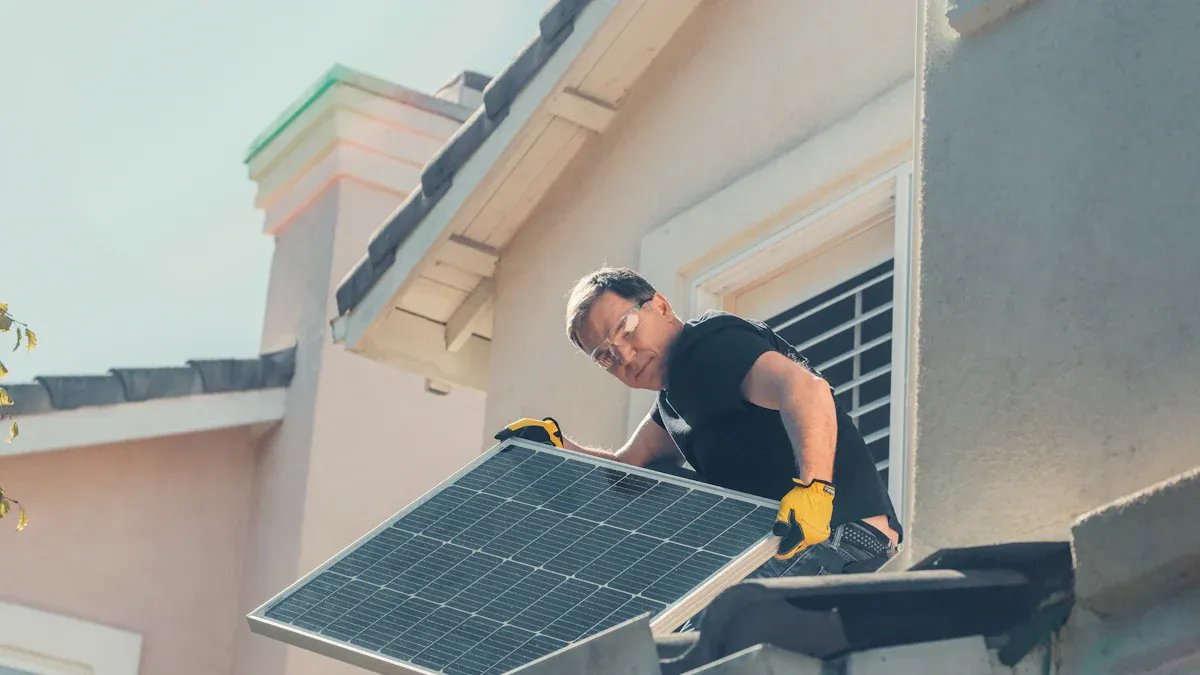
Routing your solar cable properly is crucial for both safety and efficiency. Start by planning the path your cable will take. Avoid sharp bends or tight corners, as these can damage the cable over time. Instead, aim for smooth curves and secure the cable with clips or ties to keep it in place.
If your balcony has railings, you can use them to guide the cable neatly. Just make sure the cable doesn’t dangle or rub against rough surfaces, which could wear down the insulation. For longer runs, consider using conduit to protect the cable and give your setup a cleaner look.
Tip: Keep the cable away from areas where people might trip over it. This not only prevents accidents but also protects the cable from unnecessary strain.
Safety Precautions
Safety should always come first when installing a solar cable. Before you start, turn off all power sources to avoid any risk of electric shock. Use insulated tools and wear gloves to protect yourself during the installation.
Make sure the cable connections are secure and properly insulated. Loose connections can lead to overheating or even fire hazards. If you’re unsure about any part of the process, don’t hesitate to consult a professional.
Reminder: Double-check that the cable is rated for outdoor use and matches the voltage and current requirements of your solar system.
Avoiding Common Mistakes
One common mistake is using the wrong type of cable. Always choose a solar cable designed for outdoor use, with features like UV protection and weather resistance. Another mistake is underestimating the cable length. Measure carefully to ensure you have enough cable to reach all components without stretching.
Improper grounding is another issue to watch out for. A poorly grounded system can cause electrical problems or even damage your equipment. Follow the manufacturer’s guidelines for grounding to avoid this.
Pro Tip: Label your cables during installation. This makes it easier to troubleshoot or expand your system in the future.
Maintenance and Longevity of Solar Cable
Regular Inspections
Keeping your solar cable in good shape starts with regular inspections. You don’t need to be an expert to spot potential issues. Look for visible signs of wear, like cracks, fraying, or discoloration on the cable’s outer layer. These could mean the cable is exposed to weather damage or UV rays.
Check the connections too. Loose or corroded connectors can reduce efficiency or even cause safety hazards. If you notice anything unusual, fix it right away or call a professional.
Tip: Set a reminder to inspect your cables every three to six months. This simple habit can save you from bigger problems down the road.
Cleaning and Care
Dirt and debris can build up on your solar cable over time, especially in outdoor settings like balconies. Cleaning it is easy and helps maintain its performance. Use a soft, damp cloth to wipe the cable gently. Avoid harsh chemicals or abrasive materials, as these can damage the protective coating.
If the cable is near plants or in a dusty area, clean it more often. Keeping it free from grime not only extends its lifespan but also ensures it stays safe to use.
Reminder: Always turn off your solar system before cleaning the cables. Safety first!
By inspecting and cleaning your solar cable regularly, you’ll keep it running efficiently and lasting longer. A little care goes a long way in protecting your investment.
Choosing the right solar cables for your balcony matters. Weather-resistant, UV-protected, and durable cables keep your system safe and efficient. Proper installation and regular maintenance prevent costly issues and ensure long-term performance.
Tip: If you're unsure about cable selection or setup, reach out to a professional. It’s better to ask than risk mistakes!
FAQ
What is the best way to protect solar cables on a balcony?
Use UV-protected, weather-resistant cables. Secure them with clips or conduit to prevent damage from sunlight, rain, or physical wear.
Tip: Keep cables off the ground to avoid tripping hazards.
Can I install solar cables on my balcony without professional help?
Yes, you can! Follow safety guidelines, use insulated tools, and double-check connections. If unsure, consult a professional for peace of mind.
How long do solar cables typically last?
High-quality solar cables can last 20-25 years with proper care. Regular inspections and cleaning help extend their lifespan.
Reminder: Replace cables showing cracks or wear immediately.