

 Send Email
 Whatsapp


solar tool kits
solar tool kits
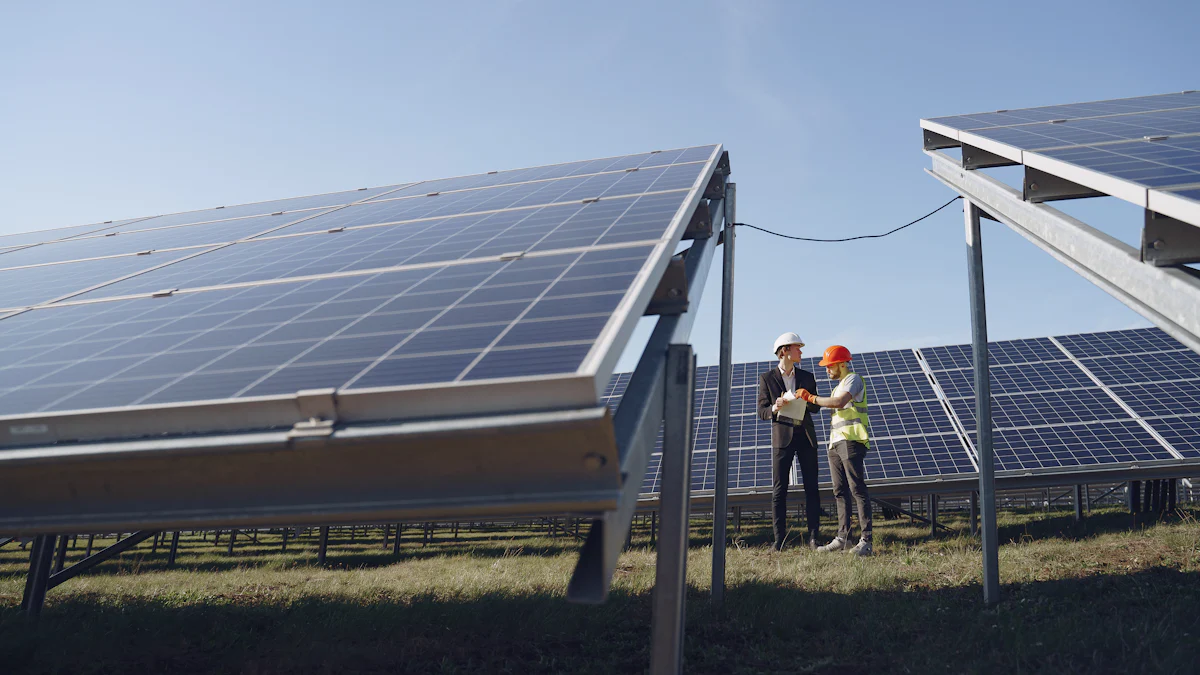
Solar tool kits are essential for ensuring that your solar energy projects are both efficient and safe. Whether you’re installing solar panels or conducting maintenance, having the right tools is key to a smooth operation. These kits are specifically designed to streamline tasks, making them user-friendly for both professionals and DIY enthusiasts alike. With the right equipment at your disposal, you can approach solar projects with confidence. From simple repairs to more complex tasks, these kits help you save time and minimize mistakes, providing you with peace of mind throughout the entire process.
Key Takeaways
- Solar tool kits are essential for both DIY enthusiasts and professionals, providing the necessary tools for efficient and safe solar energy projects.
- Key tools in solar kits include screwdrivers, wire cutters, multimeters, and safety equipment like insulated gloves and goggles, all crucial for installation and maintenance.
- Specialized tools, such as MC4 connector tools and solar panel cleaning tools, enhance the efficiency and effectiveness of solar projects.
- For small-scale projects and routine maintenance, solar tool kits are often sufficient, but larger installations may require additional tools or professional help.
- Always prioritize safety by using the right protective gear and following safety guidelines when working with solar energy systems.
- Regularly inspect and maintain your solar tool kit to ensure all tools are in good condition and ready for use, extending their lifespan and effectiveness.
- Understanding the limits of your solar tool kit helps you make informed decisions about when to tackle projects yourself and when to seek professional assistance.
Essential Tools in Solar Tool Kits
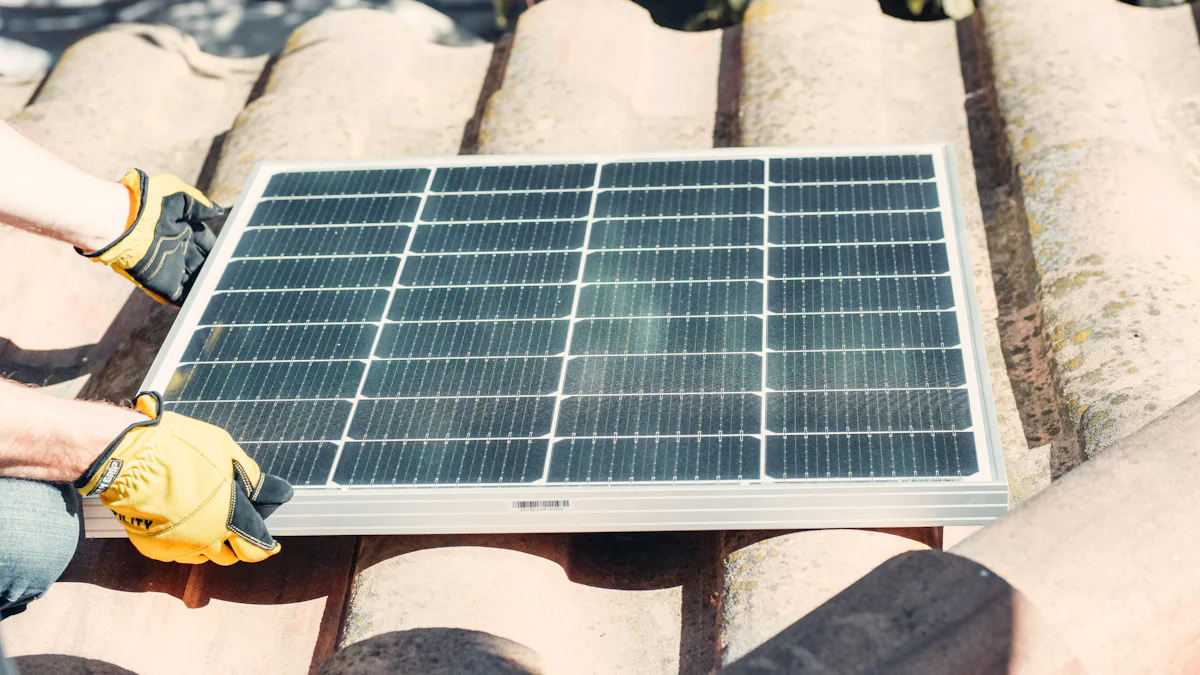
When working on solar energy systems, having the right tools makes all the difference. Solar tool kits come equipped with a variety of tools designed to help you complete tasks efficiently and safely. Let’s dive into the essential tools you’ll find in these kits and how they can assist you.
Hand Tools
Screwdrivers and Wrenches
You’ll need screwdrivers and wrenches for assembling and securing solar panels. These tools help you tighten bolts, screws, and other fasteners. A good solar tool kit includes multiple sizes to handle different components. Using the right size prevents damage to the hardware and ensures a secure fit.
Wire Cutters and Strippers
Wire cutters and strippers are crucial for preparing cables during installation. They allow you to cut wires cleanly and strip insulation without damaging the core. This ensures proper connections, which are vital for the system’s performance. These tools save time and reduce frustration when dealing with electrical wiring.
Crimping Tools
Crimping tools help you attach connectors to wires securely. They’re essential for creating strong, reliable connections that won’t loosen over time. Whether you’re working with MC4 connectors or other types, a crimping tool ensures a professional finish. It’s a must-have for anyone handling solar panel wiring.
Electrical Testing Tools
Multimeter
A multimeter is your go-to tool for checking voltage, current, and resistance. It helps you troubleshoot issues and verify that your system is functioning correctly. With this tool, you can quickly identify problems and ensure everything is operating within safe limits.
Clamp Meter
A clamp meter measures current without requiring direct contact with the wire. It’s especially useful for monitoring live circuits. This tool adds an extra layer of safety by allowing you to test electrical flow without disconnecting components.
Voltage Tester
A voltage tester helps you confirm whether a circuit is live or not. It’s a simple yet effective tool for ensuring safety during installation or maintenance. Before touching any wires, use a voltage tester to avoid accidental shocks.
Safety Equipment
Insulated Gloves
Insulated gloves protect your hands from electrical shocks. They’re essential when working with live wires or high-voltage systems. A quality pair of gloves ensures your safety while handling electrical components.
Safety Goggles
Safety goggles shield your eyes from debris, sparks, or accidental splashes. Whether you’re cutting wires or drilling into surfaces, goggles keep your vision protected. They’re a small but vital addition to your solar tool kit.
Harnesses for Rooftop Work
If you’re installing panels on a roof, a harness is non-negotiable. It keeps you secure and prevents falls while working at heights. A reliable harness gives you peace of mind and allows you to focus on the task without worrying about safety.
"Safety is not just a priority; it’s a necessity when working with solar energy systems."
Solar tool kits provide these essential tools to make your projects smoother and safer. By using the right equipment, you can achieve professional results and enjoy the satisfaction of a job well done.
Specialized Solar Tools
When working on solar energy systems, specialized tools can make your job easier and more efficient. These tools are designed specifically for solar projects, helping you achieve better results with less effort. Let’s explore some of the most useful specialized tools you’ll find in solar tool kits.
Solar Panel Cleaning Tools
Keeping your solar panels clean is essential for maintaining their efficiency. Dust, dirt, and debris can block sunlight and reduce energy output. Solar panel cleaning tools, like soft brushes and squeegees, help you remove grime without scratching the surface. Some kits even include extendable poles, so you can reach panels installed on rooftops. Using these tools regularly ensures your panels perform at their best.
MC4 Connector Tools
MC4 connectors are standard in most solar installations. These connectors link solar panels to the rest of the system. MC4 connector tools make it easy to assemble and disassemble these connections. They help you tighten or loosen connectors without damaging them. This ensures secure and reliable connections, which are critical for the system’s performance. If you’re handling solar wiring, these tools are a must-have.
Solar Panel Alignment Tools
Proper alignment is key to maximizing the energy output of your solar panels. Solar panel alignment tools help you position panels at the optimal angle to capture sunlight. Some tools include built-in compasses or angle finders, making it simple to adjust the tilt and orientation. By using these tools, you can ensure your panels generate the most energy possible, even in challenging conditions.
"Specialized tools don’t just make your work easier—they improve the quality and efficiency of your solar energy system."
Adding these specialized tools to your solar tool kits can elevate your projects to a professional level. They save time, reduce errors, and help you get the most out of your solar energy system.
Are Solar Tool Kits Sufficient for Installation or Maintenance?
Solar tool kits are incredibly versatile, but their effectiveness depends on the scope of your project. Let’s explore when these kits are enough and when you might need additional tools or professional help.
When Solar Tool Kits Are Enough
Small-scale DIY Projects
For small-scale DIY projects, solar tool kits provide everything you need. Tasks like setting up a single solar panel or connecting a small system to power a shed or RV are manageable with these kits. They include essential tools like wire cutters, crimping tools, and MC4 connector tools, which simplify the process. If you’re confident in your ability to follow instructions and handle basic tools, you can complete these projects without extra equipment.
Routine Maintenance Tasks
Routine maintenance tasks, such as cleaning solar panels or checking connections, are also well within the capabilities of solar tool kits. Tools like soft brushes, multimeters, and voltage testers make these jobs straightforward. Regular maintenance ensures your system operates efficiently and extends its lifespan. With the right tools, you can handle these tasks safely and effectively.
"For smaller projects and regular upkeep, solar tool kits are more than sufficient to get the job done."
When Additional Tools or Expertise Are Needed
Large-scale Installations
Large-scale installations, like powering an entire home or business, often require more than what solar tool kits offer. These projects involve heavy-duty equipment, advanced planning, and precise execution. You may need specialized machinery, such as scaffolding or advanced alignment tools, to handle the complexity of larger systems. In these cases, hiring professionals ensures the job is done correctly and safely.
Complex Electrical Work
If your project involves intricate electrical work, basic solar tool kits might fall short. Tasks like integrating solar systems with existing electrical grids or installing battery storage systems demand advanced tools and expertise. Mistakes in these areas can lead to safety hazards or system inefficiencies. It’s best to consult an electrician or solar energy specialist for such projects.
Troubleshooting Advanced Issues
When troubleshooting advanced issues, like diagnosing system failures or repairing damaged components, you might need tools not included in standard solar tool kits. Equipment like thermal imaging cameras or advanced diagnostic tools can help identify problems more accurately. Professionals often have access to these tools and the experience to use them effectively.
"For large-scale or complex projects, relying on additional tools or professional expertise is the safest and most efficient choice."
Professional vs. DIY Use
Benefits of Hiring a Professional
Hiring a professional brings several advantages. They have the experience to handle complex installations and troubleshoot issues efficiently. Professionals also ensure compliance with local regulations and safety standards. While it may cost more upfront, their expertise can save you time and prevent costly mistakes in the long run.
Tips for DIY Enthusiasts Using Solar Tool Kits
If you prefer a hands-on approach, solar tool kits are a great starting point. Begin with smaller projects to build your confidence and skills. Always read the instructions for your tools and follow safety guidelines. Keep your workspace organized and double-check your connections before powering up the system. With patience and preparation, you can achieve excellent results on your own.
"Whether you choose to go DIY or hire a professional, understanding the limits of solar tool kits helps you make informed decisions for your solar energy projects."
Practical Tips for Using Solar Tool Kits Effectively
Using solar tool kits efficiently requires preparation, organization, and care. By following these practical tips, you can ensure your tools remain in top condition and your projects run smoothly.
Preparing for Installation or Maintenance
Inspecting the Tool Kit for Completeness
Before starting any project, check your solar tool kit to ensure all necessary tools are present. Missing tools can delay your work and lead to frustration. Lay out each item and compare it to the kit’s inventory list. If something is missing, replace it before beginning. This simple step saves time and prevents interruptions during your installation or maintenance tasks.
Understanding the Tools and Their Functions
Take time to familiarize yourself with each tool in your kit. Knowing how to use them properly improves efficiency and reduces errors. For example, learn how to adjust a crimping tool for different connector sizes or how to safely operate a multimeter. If you’re unsure about a tool’s function, consult the manual or watch instructional videos. Confidence in your tools leads to better results.
Best Practices for Safety and Efficiency
Following Safety Guidelines
Safety should always come first when working with solar energy systems. Wear insulated gloves and safety goggles to protect yourself from electrical shocks and flying debris. Use a harness if you’re working on a roof. Always test circuits with a voltage tester before touching wires. These precautions keep you safe and prevent accidents.
Keeping Tools Organized and Accessible
An organized workspace boosts efficiency. Arrange your tools in a way that makes them easy to find. Use a portable tool bag or case to keep everything in one place. Return each tool to its designated spot after use. This habit saves time and ensures you don’t misplace important items during your project.
Maintaining Your Solar Tool Kit
Cleaning and Storing Tools Properly
Clean your tools after every use to remove dirt, grease, or debris. Wipe them down with a dry cloth and store them in a cool, dry place. Proper storage prevents rust and extends the lifespan of your tools. A well-maintained kit stays ready for your next project.
Replacing Worn or Damaged Tools
Inspect your tools regularly for signs of wear or damage. Replace any tools that are broken or no longer function correctly. Using damaged tools can compromise your safety and the quality of your work. Keeping your kit in good condition ensures you’re always prepared for any task.
"Preparation, safety, and maintenance are the keys to getting the most out of your solar tool kits."
By following these tips, you’ll work more efficiently and keep your tools in excellent shape. A little effort goes a long way in ensuring successful solar energy projects.
Solar tool kits include everything you need to handle solar projects with confidence. From basic hand tools to specialized equipment, these kits simplify installation and maintenance tasks. They’re essential for ensuring safety and efficiency. For smaller projects or routine upkeep, these kits are often all you need. However, larger installations or complex issues may require additional tools or professional expertise. Investing in a reliable solar tool kit sets you up for success. Use it wisely, follow safety practices, and keep your tools in good condition to get the best results.
FAQ
What is included in a typical solar tool kit?
A typical solar tool kit includes essential hand tools like screwdrivers, wrenches, wire cutters, and crimping tools.
Can I use a solar tool kit for DIY projects?
Yes, solar tool kits are perfect for DIY projects. They provide all the basic tools you need to install or maintain small-scale solar systems. If you’re setting up a single panel or performing routine maintenance, these kits make the process straightforward. Just ensure you understand how to use the tools and follow safety guidelines.
Are solar tool kits suitable for large-scale installations?
Solar tool kits are helpful for certain tasks in large-scale installations, but they may not be enough on their own. Large projects often require additional tools, heavy-duty equipment, and professional expertise. For complex installations, hiring a professional ensures the job is done safely and efficiently.
How do I maintain my solar tool kit?
To maintain your solar tool kit, clean each tool after use to remove dirt and debris. Store them in a cool, dry place to prevent rust. Inspect your tools regularly for wear or damage and replace any that are broken. Proper care extends the lifespan of your tools and keeps them ready for your next project.
Do I need specialized tools for solar panel cleaning?
Yes, specialized tools like soft brushes, squeegees, and extendable poles make cleaning solar panels easier and safer. These tools help you remove dirt and debris without scratching the surface. Regular cleaning with the right tools ensures your panels operate at maximum efficiency.
What safety equipment should I use when working with solar systems?
Always use insulated gloves to protect yourself from electrical shocks. Wear safety goggles to shield your eyes from debris or sparks. If you’re working on a roof, use a harness to prevent falls. Following these safety measures reduces risks and keeps you protected during your projects.
Can I troubleshoot solar system issues with a solar tool kit?
You can troubleshoot basic issues with tools like a multimeter, clamp meter, or voltage tester. These tools help you check voltage, current, and connections. For advanced problems, such as diagnosing system failures, you may need specialized diagnostic tools or professional assistance.
Are solar tool kits expensive?
Solar tool kits come in a wide price range. Basic kits cost under 450,whilemorecomprehensivekitsrangebetween450, while more comprehensive kits range between 450 and 1,500.Professional−gradekitswithadvancedtoolscanexceed1,500. Professional-grade kits with advanced tools can exceed 1,500. Choose a kit based on your project needs and budget.
What are MC4 connector tools, and why are they important?
MC4 connector tools are designed to assemble and disassemble MC4 connectors, which link solar panels to the system.
Should I hire a professional or use a solar tool kit myself?
It depends on your project. For small DIY tasks, a solar tool kit is sufficient. If you’re confident in your skills, you can handle these projects on your own. For large-scale installations or complex electrical work, hiring a professional is the safer and more efficient choice. Professionals bring expertise and ensure compliance with safety standards.