
 Send Email
 Whatsapp


Solar panel connectors types
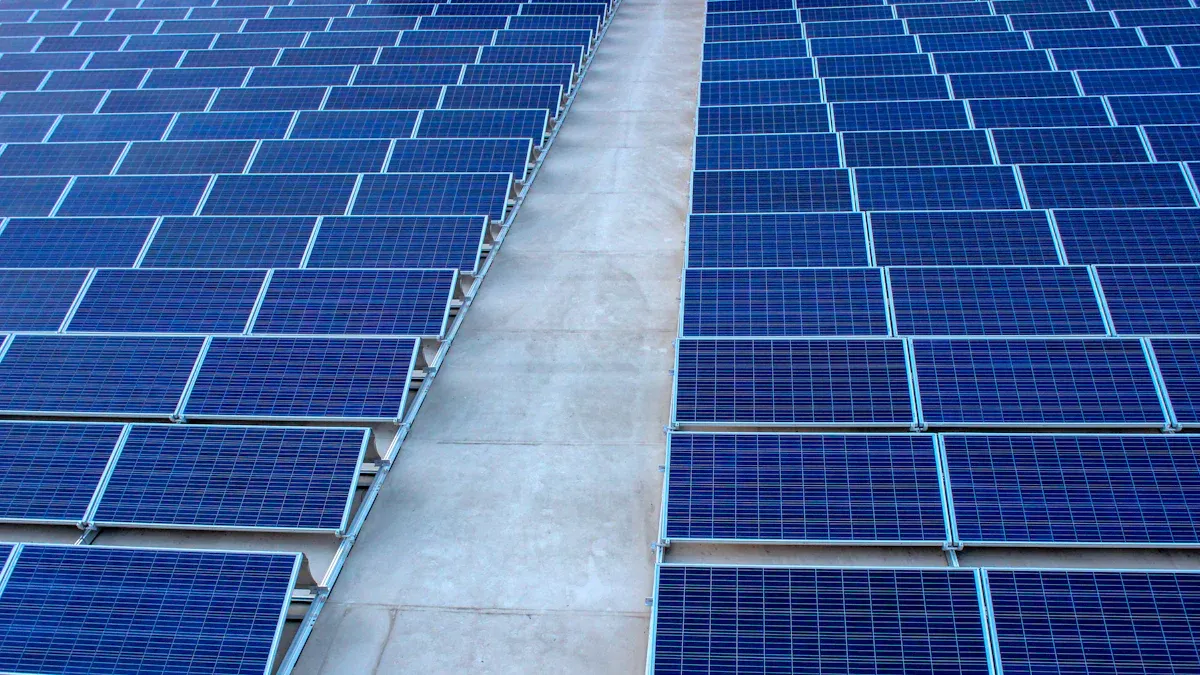
When setting up a solar energy system, you need reliable connections to keep everything running smoothly. That’s where a Solar Connector comes in. It ensures your panels connect safely and efficiently to other components. Choosing the right one can make a big difference in your system’s performance and durability.
Key Takeaways
- Pick MC4 connectors for home solar systems. They last long, resist weather, and are simple to use.
- Check if the connector matches your system before buying. Wrong connectors may cause damage or work poorly.
- Think about the weather where your solar system is used. Choose connectors that handle tough weather well.
Common Types of Solar Connectors
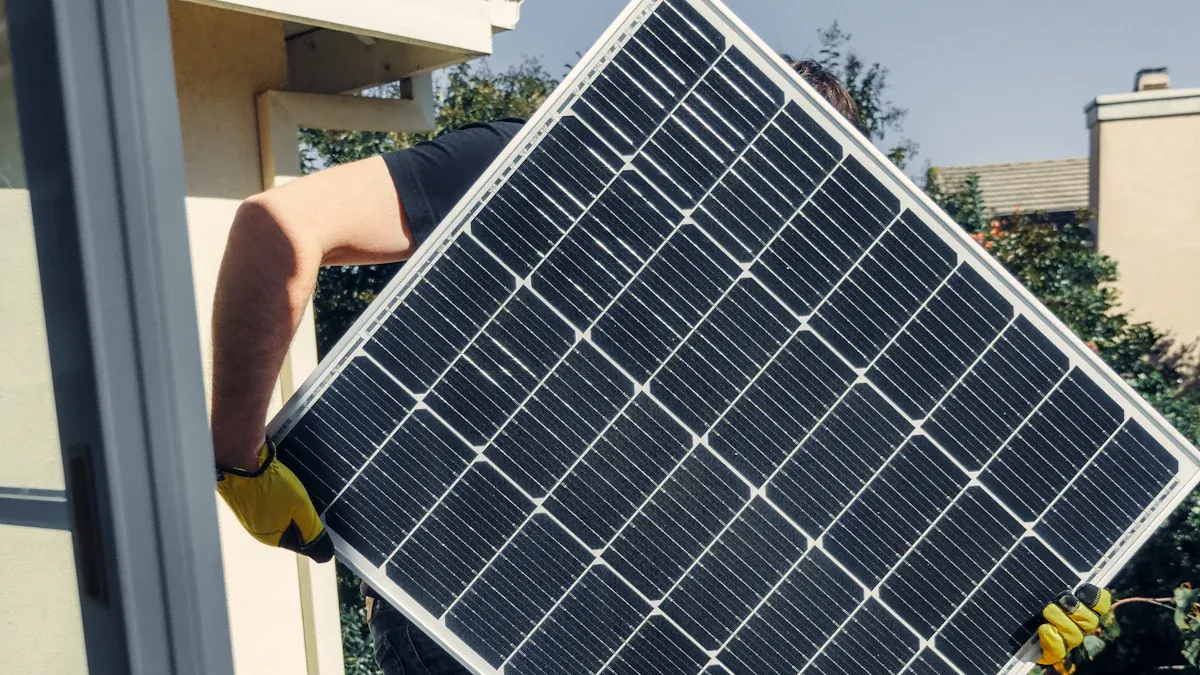
When it comes to Solar Connectors, you’ve got several options to choose from. Each type has unique features that make it suitable for different setups. Let’s dive into the most common ones.
MC4 Connectors
MC4 connectors are the most popular choice for modern solar systems. They’re designed for durability and ease of use. You can connect and disconnect them quickly, which makes maintenance a breeze. These connectors are also weatherproof, so they can handle rain, snow, and extreme temperatures.
Tip: If you’re setting up a residential solar system, MC4 connectors are likely your best bet.
MC3 Connectors
MC3 connectors were widely used before MC4 connectors became the standard. They’re smaller and less robust but still effective for certain applications. However, they lack the same level of weather resistance. If you’re working on an older system, you might encounter these connectors.
T4 Connectors
T4 connectors are similar to MC4 connectors in design and functionality. They’re compatible with many solar panels and offer excellent performance. One standout feature is their enhanced locking mechanism, which provides extra security for your connections.
H4 Connectors
H4 connectors are known for their versatility. They’re compatible with both MC4 and T4 connectors, making them a flexible option. These connectors also meet high safety standards, ensuring reliable performance in various conditions.
Radox Connectors
Radox connectors are less common but highly durable. They’re often used in industrial or large-scale solar installations. Their robust design makes them ideal for harsh environments where reliability is critical.
Note: Always check your system’s compatibility before choosing a solar connector.
Features and Benefits of Solar Connectors
MC4 Connectors: Key Features and Advantages
MC4 connectors are the go-to choice for most solar setups. They’re built to last and can handle tough weather conditions like rain or snow. You’ll love how easy they are to connect and disconnect, which makes maintenance simple. These connectors also have a locking mechanism that keeps your connections secure. If you want a reliable and user-friendly option, MC4 connectors are hard to beat.
MC3 Connectors: Key Features and Advantages
MC3 connectors might not be as common today, but they still have their place. They’re smaller and lightweight, which can be useful in tight spaces. However, they don’t offer the same weatherproofing as MC4 connectors. If you’re working with an older system, you might find these connectors a good fit.
T4 Connectors: Key Features and Advantages
T4 connectors bring a lot to the table. They’re similar to MC4 connectors but come with an improved locking system. This feature ensures your connections stay secure even in challenging conditions. T4 connectors are also compatible with many solar panels, making them a versatile choice for your solar connector needs.
H4 Connectors: Key Features and Advantages
H4 connectors stand out for their compatibility. They work seamlessly with both MC4 and T4 connectors, giving you more flexibility. These connectors also meet strict safety standards, so you can trust them to perform well in various environments. If you value versatility, H4 connectors are worth considering.
Radox Connectors: Key Features and Advantages
Radox connectors are built for heavy-duty use. They’re perfect for industrial or large-scale solar installations. Their robust design can withstand harsh environments, making them incredibly reliable. While they’re less common, they’re a great choice when durability is a top priority.
Pro Tip: Always double-check your system’s requirements before picking a connector. The right choice can save you time and money in the long run.
Choosing the Right Solar Connector
Factors to Consider
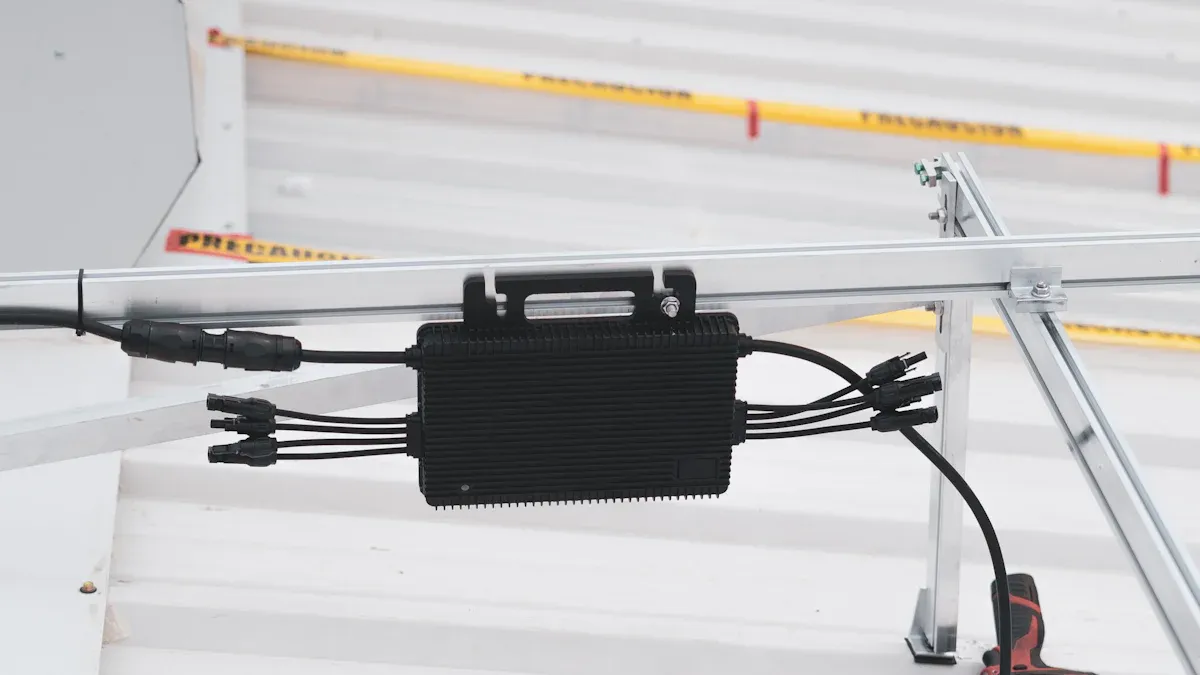
Picking the right solar connector can feel overwhelming, but it doesn’t have to be. Start by checking your system’s compatibility. Not all connectors work with every panel or inverter, so double-check the specifications. Next, think about the environment where your system will operate. If you live in an area with extreme weather, you’ll need a connector that’s weatherproof and durable.
Also, consider the ease of installation. Some connectors, like MC4, are user-friendly and great for DIY setups. Others might require professional help. Finally, don’t forget safety. Look for connectors that meet industry standards to ensure your system runs smoothly and safely.
Common Mistakes to Avoid
One common mistake is choosing a connector without checking compatibility. This can lead to poor performance or even damage to your system. Another error is overlooking the importance of weather resistance. If your connectors can’t handle the elements, you’ll face frequent repairs.
You should also avoid skimping on quality to save money. Cheap connectors might seem like a good deal, but they often fail quickly. Lastly, don’t ignore the locking mechanism. A loose connection can cause energy loss or safety hazards.
Choosing the right solar connector is crucial for your system’s efficiency and safety. Focus on compatibility, durability, and ease of use when making your decision. Don’t hesitate to reach out to professionals or manufacturers for guidance.
Remember: A well-chosen connector saves you time, money, and ensures your solar setup runs smoothly. 🌞
FAQ
What happens if I use the wrong solar connector?
Using the wrong connector can cause poor performance, energy loss, or even damage to your system. Always check compatibility before making a choice.
Are all solar connectors waterproof?
Not all connectors are waterproof. MC4 and T4 connectors are weatherproof, but older types like MC3 may not handle extreme conditions well. Choose based on your environment.
Can I install solar connectors myself?
Yes, you can install some connectors, like MC4, if you're comfortable with DIY projects. For complex setups, hiring a professional ensures safety and efficiency.
Tip: Always follow the manufacturer’s instructions for installation to avoid mistakes.