

 Send Email
 Whatsapp


Selecting the correct cables, fuses and connectors

Choosing the right cables, fuses, and connectors ensures your system operates safely and efficiently. Incorrect choices can lead to overheating, equipment failure, or even fires. You need to consider factors like voltage, current, and environmental conditions. For instance, using a Solar Cable designed for outdoor use prevents damage from sunlight and moisture. Always check compliance with safety standards to avoid costly mistakes.
Key Takeaways
- Pick cables, fuses, and connectors that fit your system's power needs. This keeps it safe and working well.
- Use parts that can handle the environment, like wetness or heat. This stops harm and helps them last longer.
- Check that everything follows safety rules to keep it reliable.
Key Factors to Consider
When selecting cables, fuses, and connectors, you need to evaluate several important factors. These considerations ensure your system operates safely and efficiently while avoiding costly mistakes.
Technical requirements (voltage, current, and signal type)
Start by understanding the technical needs of your system. Identify the voltage and current levels your components will handle. For example, a high-current system requires cables with a larger gauge to prevent overheating. If your system transmits data, choose cables and connectors designed for the specific signal type. This ensures clear communication without interference.
Environmental conditions (temperature, moisture, and exposure)
Consider the environment where your system will operate. High temperatures can degrade materials, while moisture can cause corrosion. If your setup is outdoors, use components like a solar cable that resist UV rays and water exposure. For indoor systems, focus on temperature resistance and insulation quality.
Durability and lifespan
Think about how long your system needs to last. Frequent use or harsh conditions can wear out components quickly. Choose materials that withstand wear and tear. For example, connectors with high mating cycle ratings last longer in systems that require frequent plugging and unplugging.
Compliance with industry standards and certifications
Always check for compliance with industry standards. Certified components meet safety and performance requirements. Look for labels like UL, CE, or ISO to ensure reliability. Using certified parts also helps you meet legal and insurance requirements.
Step-by-Step Guide to Selecting Cables
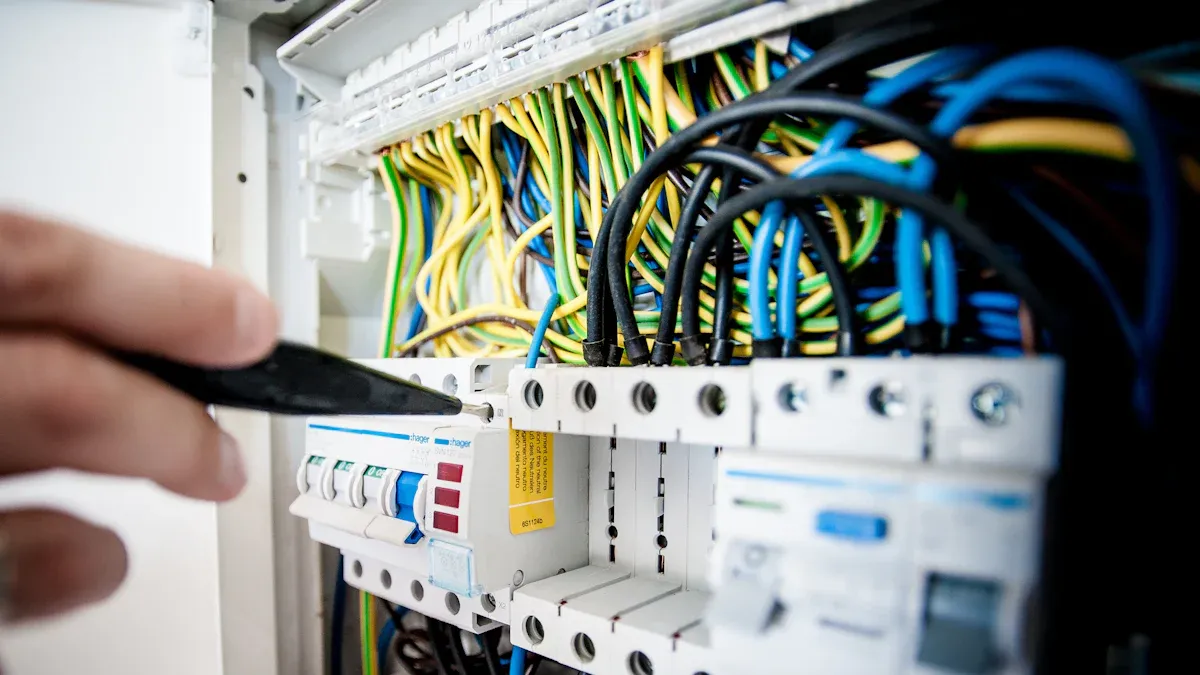
Determine the required cable type (e.g., solar cable, power, or data)
Start by identifying the purpose of the cable. Different systems require specific cable types. For example, a solar power system needs a solar cabledesigned to handle outdoor conditions and high voltage. Power Cables are ideal for transmitting electricity, while data cables work best for communication signals. Choosing the wrong type can lead to performance issues or even system failure. Always match the cable type to the system's function to ensure reliability.
Match cable size and gauge to current and voltage requirements
The size and gauge of a cable determine how much current it can safely carry. A cable that is too small for the current can overheat and cause damage. To select the right size, check the system's voltage and current requirements. Use a wire gauge chart to find the appropriate size. For high-current systems, larger cables are necessary. This step ensures the cable can handle the load without compromising safety or efficiency.
Consider insulation material and environmental protection
The insulation material protects the cable from damage and ensures safe operation. For outdoor systems, like those using a solar cable, choose insulation that resists UV rays, moisture, and extreme temperatures. Indoor systems may not need as much protection, but high-quality insulation is still essential. Look for materials like PVC or rubber that provide durability and safety. Environmental factors play a significant role in determining the right insulation.
Verify compliance with safety and industry standards
Before finalizing your choice, check if the cable meets industry standards. Certified cables ensure safety and performance. Look for labels like UL, CE, or ISO on the product. These certifications confirm that the cable has passed rigorous testing. Using certified cables also helps you comply with legal and insurance requirements. Never compromise on safety standards when selecting cables.
Step-by-Step Guide to Selecting Fuses
Understand fuse ratings (voltage, current, and breaking capacity)
Start by familiarizing yourself with the three key fuse ratings: voltage, current, and breaking capacity. The voltage rating indicates the maximum voltage the fuse can handle without failing. The current rating shows the amount of current the fuse can safely carry before it blows. Breaking capacity refers to the maximum fault current the fuse can interrupt without damage. Always choose a fuse with ratings that match or exceed your system's requirements. Using an underrated fuse can lead to system failure or safety hazards.
Tip: Check the manufacturer's datasheet for detailed fuse specifications.
Calculate the required amperage for your system
To determine the correct fuse size, calculate the amperage your system requires. Divide the total power (in watts) by the system voltage. For example, if your device uses 120 watts at 12 volts, the required amperage is 10 amps. This calculation ensures the fuse can handle the system's load without blowing unnecessarily.
Choose the appropriate fuse type (fast-blow, slow-blow, etc.)
Different systems require different fuse types. Fast-blow fuses respond quickly to overcurrent, making them ideal for sensitive electronics. Slow-blow fuses tolerate brief current surges, which makes them suitable for devices with motors or transformers. Match the fuse type to your system's behavior to avoid unnecessary interruptions.
Factor in safety margins and environmental conditions
Always include a safety margin when selecting a fuse. Choose a fuse rated slightly higher than your calculated amperage to account for minor fluctuations. Consider environmental factors like temperature, as heat can affect fuse performance. For outdoor systems, select fuses designed to withstand moisture and extreme conditions.
Note: Proper fuse selection protects your system and prevents costly damage.
Step-by-Step Guide to Selecting Connectors
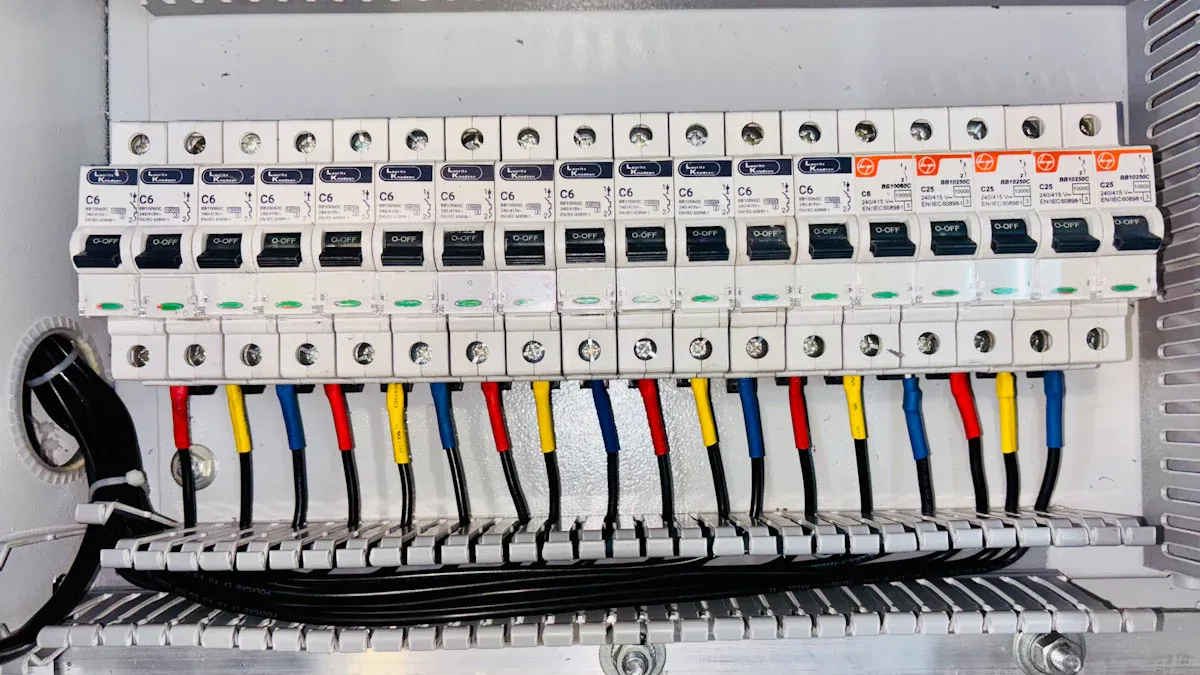
Ensure signal compatibility (power, data, or mixed signals)
Start by identifying the type of signal your system uses. Connectors must match the signal type to ensure proper functionality. For power systems, choose connectors designed to handle electrical currents safely. Data systems require connectors that support clear signal transmission without interference. Mixed-signal systems need connectors capable of handling both power and data simultaneously. Always verify the connector's specifications to avoid compatibility issues.
Check ingress protection (IP) ratings for environmental sealing
Ingress Protection (IP) ratings measure how well a connector resists dust and water. For outdoor setups, like those involving a solar cable, select connectors with high IP ratings to protect against moisture and debris. For indoor systems, lower IP ratings may suffice. A connector with an IP67 rating, for example, offers complete dust protection and can withstand temporary immersion in water. Always match the IP rating to your system's environmental conditions.
Evaluate mechanical durability and mating cycles
Mechanical durability determines how well a connector withstands repeated use. Mating cycles refer to the number of times a connector can be plugged and unplugged before it wears out. If your system requires frequent connections, choose connectors with high mating cycle ratings. Durable materials like stainless steel or reinforced plastics extend the lifespan of connectors in demanding environments.
Confirm compatibility with existing systems and standards
Ensure the connectors you select work seamlessly with your existing system. Check for compatibility with the system's voltage, current, and signal requirements. Look for connectors that meet industry standards like UL or ISO certifications. Using standardized connectors simplifies installation and ensures reliable performance.
Tip: Always test connectors with your system before finalizing your choice to avoid unexpected issues.
Choosing the right cables, fuses, and connectors ensures your system runs safely and efficiently. Focus on technical requirements, environmental conditions, and compliance with standards.
Tip: Follow the steps outlined above to avoid common mistakes. Proper selection prevents failures, reduces risks, and guarantees reliable operation. Take the time to make informed decisions for optimal performance.
FAQ
1. How do I know which cable gauge to use?
Use a wire gauge chart. Match the gauge to your system's current and voltage requirements. Larger gauges handle higher currents safely.
Tip: Always choose a slightly larger gauge for added safety.
2. Can I use the same connectors for power and data signals?
No, connectors must match the signal type. Power connectors handle electrical currents, while data connectors ensure clear signal transmission without interference.
Note: Mixed-signal systems require specialized connectors.
3. What happens if I use an underrated fuse?
An underrated fuse blows prematurely, disrupting your system. It may also fail to protect against overcurrent, leading to equipment damage or safety hazards.
⚠️ Warning: Always select fuses with ratings that exceed your system's requirements.