

 Send Email
 Whatsapp


Plate End 1500V Connector Care for Long Life
Plate End 1500V Connector Care for Long Life
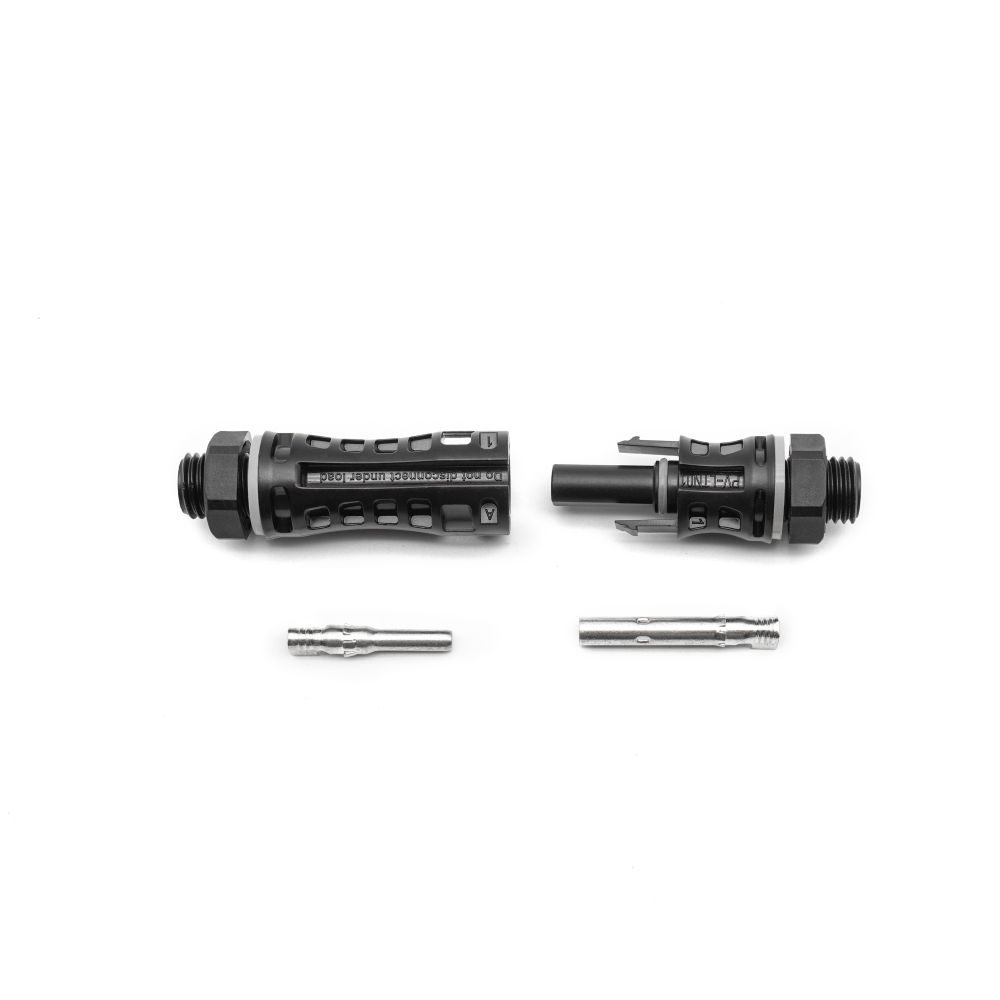
Proper care ensures your Plate End 1500V Cable Connector performs reliably and lasts longer. Cleaning the connector regularly removes dirt and debris that can hinder its efficiency. Frequent inspections help you identify wear or damage early, preventing costly failures. Handle the connector carefully to avoid physical stress that may compromise its structure. Store it in a controlled environment to shield it from harmful elements. Environmental factors like temperature, moisture, and dust can degrade its performance. Managing these conditions protects the connector and maintains its durability over time.
Key Takeaways
- Regular cleaning of the Plate End 1500V Cable Connector is essential to remove dirt and debris, ensuring optimal performance and efficiency.
- Frequent inspections help identify wear or damage early, preventing costly failures and ensuring the connector remains reliable.
- Handle the connector with care to avoid physical stress that can compromise its structure and functionality.
- Store the connector in a controlled environment to protect it from extreme temperatures, moisture, and dust, which can degrade its performance.
- Routine testing and monitoring are crucial for verifying electrical performance and detecting early signs of wear, helping to maintain reliability.
- Investing time in proper maintenance not only extends the connector's lifespan but also saves money on replacements and reduces operational downtime.
Importance of Proper Maintenance
Proper maintenance plays a critical role in ensuring the longevity and reliability of your Plate End 1500V Cable Connector. By dedicating time to regular upkeep, you can prevent performance issues and save on long-term costs. Let’s explore why maintenance matters and how it benefits you.
Why Maintenance Matters
Preventing Performance Degradation
Neglecting maintenance can lead to a gradual decline in your connector's performance. Dirt, debris, and wear accumulate over time, reducing its efficiency. Regular cleaning and inspection keep the connector in optimal condition. This ensures that it continues to deliver consistent electrical conductivity and supports the smooth operation of your systems.
Reducing the Risk of Failure
A poorly maintained connector is more likely to fail unexpectedly. Failures can disrupt operations and lead to costly repairs or replacements. By identifying potential issues early, you can address them before they escalate. Routine care minimizes risks and ensures your connector remains dependable under demanding conditions.
Long-Term Cost Savings
Minimizing Replacement Costs
Replacing a damaged connector can be expensive. Proper maintenance extends the lifespan of your Plate End 1500V Cable Connector, reducing the need for frequent replacements. Investing in regular care saves you money in the long run by preserving the connector’s durability and functionality.
Avoiding Downtime in Operations
Unexpected downtime caused by connector failure can halt your operations. This not only affects productivity but also increases operational costs. Consistent maintenance helps you avoid such disruptions. A well-maintained connector ensures uninterrupted performance, keeping your systems running efficiently.
"Maintenance is not just about fixing problems; it’s about preventing them from happening in the first place."
By prioritizing proper maintenance, you protect your investment and ensure the reliable performance of your Plate End 1500V Cable Connector. This proactive approach benefits both your operations and your budget.
Cleaning and Inspection
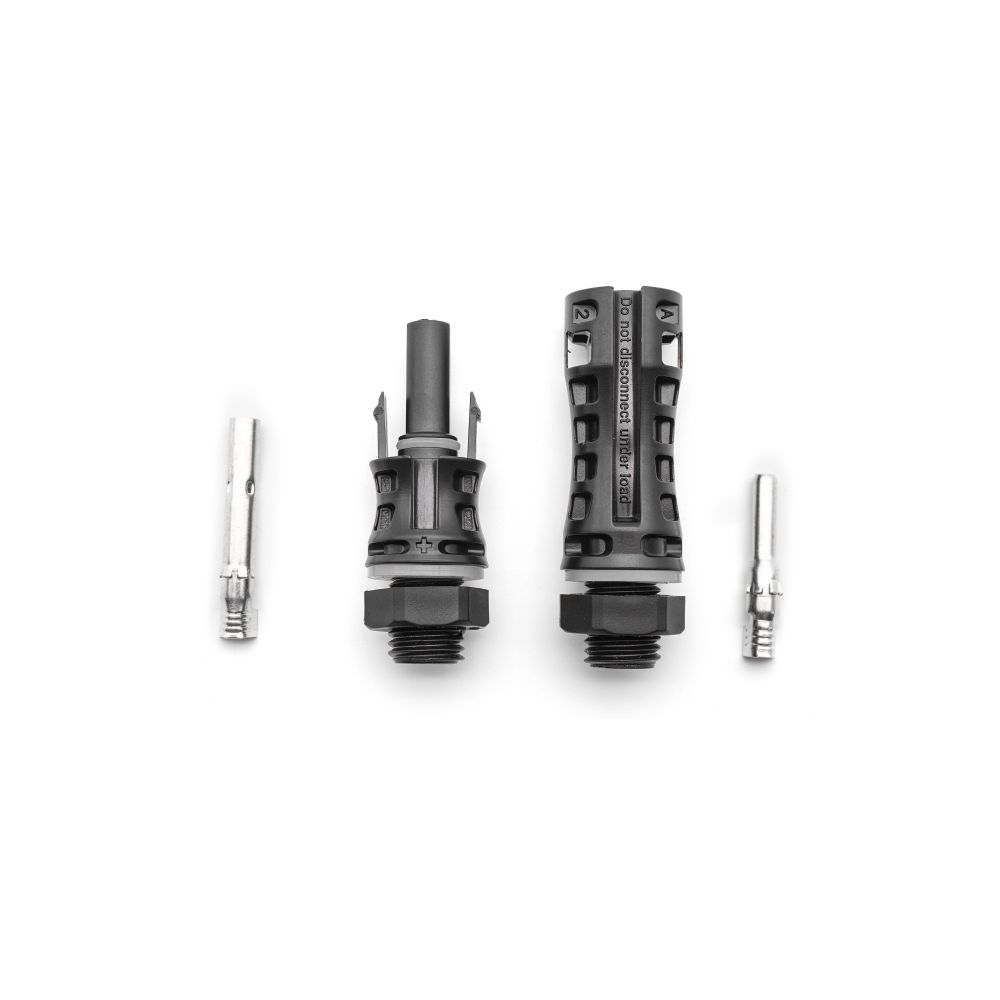
Regular cleaning and inspection are essential to maintain the performance and longevity of your Plate End 1500V Cable Connector. These practices help you prevent damage, ensure optimal functionality, and identify potential issues before they escalate.
How to Clean the Plate End 1500V Cable Connector
Proper cleaning removes dirt, dust, and debris that can interfere with the connector's efficiency. Follow these steps to keep your connector in excellent condition.
Recommended Cleaning Materials
Using the right materials ensures effective cleaning without causing damage. You should gather the following items:
- A soft, lint-free cloth or microfiber towel
- Isopropyl alcohol (at least 90%) for safe and thorough cleaning
- A small, soft-bristled brush for hard-to-reach areas
- Compressed air to remove loose particles
Avoid abrasive materials or harsh chemicals, as they can harm the connector's surface or internal components.
Step-by-Step Cleaning Process
- Disconnect the Connector: Ensure the Plate End 1500V Cable Connector is completely disconnected from any power source. This step guarantees safety during the cleaning process.
- Remove Loose Debris: Use compressed air to blow away dust and debris from the connector's surface and crevices.
- Wipe the Surface: Dampen a lint-free cloth with isopropyl alcohol. Gently wipe the connector's exterior to remove dirt and grime.
- Clean Hard-to-Reach Areas: Use a soft-bristled brush to clean grooves or tight spaces. Apply light pressure to avoid damaging the connector.
- Dry Thoroughly: Allow the connector to air dry completely before reconnecting it. Ensure no moisture remains, as it can lead to corrosion or electrical issues.
Perform this cleaning routine regularly to maintain the connector's efficiency and durability.
Inspecting for Wear or Damage
Inspection helps you identify early signs of wear or damage, allowing you to address issues before they affect performance. A thorough examination ensures your Plate End 1500V Cable Connector remains reliable.
Identifying Common Signs of Wear
Look for the following indicators during your inspection:
- Cracks or fractures on the connector's surface
- Discoloration or burn marks, which may signal overheating
- Loose or bent pins that can disrupt electrical conductivity
- Corrosion or rust, especially around metal components
If you notice any of these signs, take immediate action to prevent further damage.
When to Replace or Repair
Deciding whether to repair or replace depends on the severity of the issue. Minor problems, such as loose pins or surface dirt, can often be resolved through cleaning or adjustments. However, you should replace the connector if:
- Cracks or fractures compromise its structural integrity
- Corrosion has spread extensively, affecting performance
- Electrical conductivity is inconsistent despite cleaning
Replacing a damaged connector ensures safety and prevents operational disruptions.
"A well-maintained connector is the foundation of a reliable system. Regular cleaning and inspection protect your investment and ensure consistent performance."
By incorporating these practices into your routine, you can extend the life of your Plate End 1500V Cable Connector and maintain its efficiency.
Proper Handling and Storage
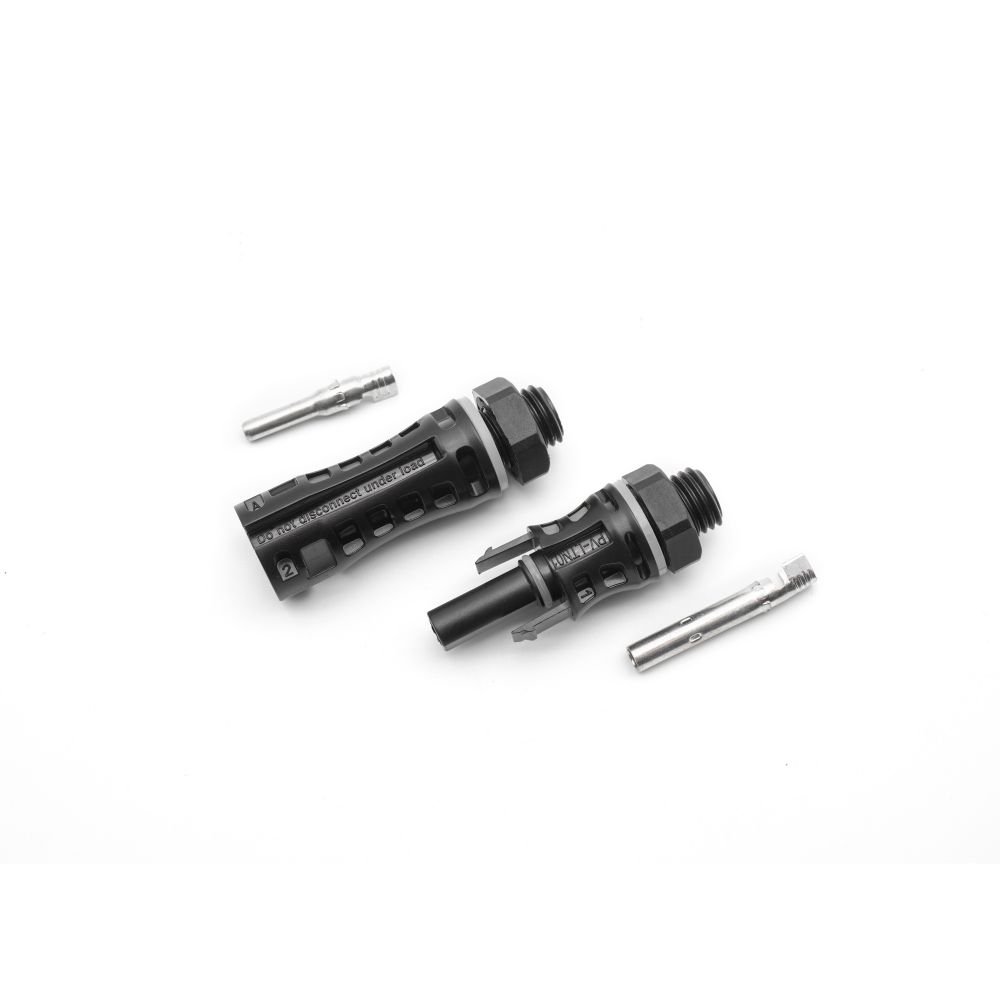
Proper handling and storage of your Plate End 1500V Cable Connector are essential to maintain its performance and extend its lifespan. By following specific guidelines, you can protect the connector from unnecessary damage and ensure it remains in optimal condition for years.
Guidelines for Safe Handling
Handling your connector with care prevents physical damage and ensures its structural integrity. Adopting safe handling practices minimizes the risk of compromising its functionality.
Avoiding Physical Stress or Impact
Physical stress or impact can weaken the connector's structure. Always handle it gently to avoid bending or twisting its components. When disconnecting or connecting, apply steady pressure without forcing the parts. Dropping the connector or exposing it to sudden shocks can lead to cracks or internal damage. Treating it with care ensures it remains reliable during operation.
Using Protective Covers During Transport
Transporting the connector without protection increases the risk of damage. Use protective covers to shield it from scratches, dust, and accidental impacts. These covers act as a barrier, keeping the connector safe during movement. Whether you’re relocating it to another site or storing it temporarily, always secure it with a cover to maintain its condition.
Best Practices for Storage
Storing the connector correctly prevents exposure to harmful elements that could degrade its performance. A controlled environment and preventive measures are key to preserving its quality.
Storing in a Controlled Environment
Environmental conditions play a significant role in the connector’s longevity. Store it in a clean, dry space with stable temperatures. Avoid areas with extreme heat, cold, or humidity, as these factors can weaken its materials over time. A controlled environment ensures the connector remains functional and ready for use.
Preventing Exposure to Contaminants
Dust, moisture, and other contaminants can compromise the connector’s efficiency. Keep it in a sealed container or storage bag to block out these elements. Regularly inspect the storage area to ensure it remains free of pests or leaks. Preventing exposure to contaminants protects the connector’s electrical conductivity and structural integrity.
"Proper handling and storage are not just precautions; they are investments in the longevity of your equipment."
By following these handling and storage practices, you safeguard your Plate End 1500V Cable Connector from unnecessary wear and tear. These steps ensure it continues to deliver reliable performance, saving you time and resources in the long run.
Environmental Considerations
Environmental factors significantly impact the performance and lifespan of your Plate End 1500V Cable Connector. Understanding how temperature, moisture, dust, and debris affect the connector helps you take proactive measures to protect it.
Impact of Temperature and Moisture
How Extreme Temperatures Affect Performance
Extreme temperatures can weaken the materials of your connector. High heat may cause the insulation to degrade, reducing its ability to maintain electrical conductivity. On the other hand, freezing temperatures can make the materials brittle, increasing the risk of cracks or fractures. To prevent these issues, always use the connector within its recommended temperature range. If you operate in environments with fluctuating temperatures, consider additional protective measures like thermal insulation or temperature-controlled enclosures.
Preventing Corrosion from Moisture
Moisture is one of the leading causes of corrosion in connectors. When water seeps into the connector, it can corrode metal components, disrupting electrical conductivity. To prevent this, ensure the connector’s sealing rings are intact and properly fitted. Store the connector in a dry location when not in use. After exposure to rain or humidity, dry the connector thoroughly before reconnecting it. Regular inspections help you identify early signs of corrosion, allowing you to address them promptly.
Managing Dust and Debris
Using Protective Measures in Dusty Environments
Dust can accumulate on the connector’s surface and inside its components, affecting its efficiency. In dusty environments, use protective covers to shield the connector from particles. These covers act as a barrier, keeping dust from entering critical areas. Additionally, position the connector away from direct exposure to dust sources whenever possible. This simple precaution helps maintain its performance and reduces the need for frequent cleaning.
Cleaning After Exposure to Debris
After exposure to debris, clean the connector immediately to prevent long-term damage. Use compressed air to remove loose particles from the surface and crevices. For stubborn debris, gently wipe the connector with a soft cloth dampened with isopropyl alcohol. Avoid using abrasive tools or harsh chemicals, as they can harm the connector’s materials. Once cleaned, inspect the connector for any signs of wear or damage caused by the debris. Regular cleaning ensures the connector remains efficient and reliable.
"Environmental challenges are inevitable, but proper care and preventive measures can safeguard your connector from their effects."
By managing environmental factors like temperature, moisture, dust, and debris, you enhance the durability and performance of your Plate End 1500V Cable Connector. These practices ensure it continues to function optimally, even in demanding conditions.
Regular Testing and Monitoring
Regular testing and monitoring ensure your Plate End 1500V Cable Connector remains reliable and efficient. These practices help you identify potential issues early, maintain optimal performance, and extend the connector’s lifespan. By incorporating routine checks into your maintenance schedule, you safeguard your investment and avoid unexpected failures.
Importance of Routine Testing
Routine testing plays a vital role in maintaining the functionality of your connector. It allows you to verify its electrical performance and detect early signs of wear before they escalate into major problems.
Ensuring Electrical Performance
Testing confirms that your connector delivers consistent electrical conductivity. Over time, factors like dirt, corrosion, or wear can reduce its efficiency. By performing regular tests, you ensure the connector operates at its peak capacity. This step is especially important for systems that rely on uninterrupted power flow, as even minor disruptions can impact overall performance.
Detecting Early Signs of Wear
Early detection of wear prevents costly repairs or replacements. Testing helps you identify issues such as loose connections, increased resistance, or minor damage. Addressing these problems promptly ensures the connector remains safe and functional. Regular monitoring also reduces the risk of unexpected downtime, keeping your operations running smoothly.
"Routine testing is not just a precaution; it is a proactive approach to maintaining reliability and safety."
Tools and Techniques for Monitoring
Using the right tools and techniques simplifies the testing process and ensures accurate results. Proper equipment and a consistent testing schedule help you monitor the connector effectively.
Recommended Testing Equipment
Investing in reliable testing tools ensures thorough assessments. Consider using the following equipment:
- Multimeter: Measures voltage, current, and resistance to verify electrical performance.
- Insulation Tester: Checks the integrity of the connector’s insulation to prevent electrical leaks.
- Thermal Imaging Camera: Detects hotspots that may indicate overheating or poor connections.
- Contact Resistance Tester: Evaluates the resistance at connection points to ensure efficient energy transfer.
These tools provide precise data, helping you make informed decisions about maintenance or repairs.
Frequency of Testing for Optimal Results
Establishing a regular testing schedule ensures consistent performance. The frequency depends on factors like usage, environmental conditions, and system demands. For most applications, testing every three to six months is sufficient. However, in harsh environments or high-demand systems, more frequent checks may be necessary. Document each test result to track the connector’s condition over time and identify patterns or recurring issues.
"Consistent monitoring is the cornerstone of effective maintenance. It keeps your connector dependable and your systems operational."
By prioritizing regular testing and monitoring, you enhance the durability and efficiency of your Plate End 1500V Cable Connector. These practices provide peace of mind, knowing your connector is ready to perform under any condition.
Consistent care ensures your Plate End 1500V Cable Connector performs efficiently and lasts longer. Regular cleaning removes debris that can hinder functionality. Inspections help you detect wear early, preventing costly failures. Proper handling protects the connector from physical damage, while controlled storage shields it from harmful elements. Environmental management, like controlling moisture and dust, preserves its durability. Routine testing identifies potential issues before they escalate. By following these practices, you maximize the connector’s lifespan and maintain reliable performance, saving time and resources in the long run.
FAQ
What is the Plate End 1500V Cable Connector used for?
The Plate End 1500V Cable Connector is designed for high-voltage applications, particularly in photovoltaic systems.
How often should I clean the connector?
You should clean the connector every three to six months, depending on its usage and environmental conditions.
What materials should I avoid when cleaning the connector?
Avoid using abrasive tools, harsh chemicals, or water-based cleaning agents. These can damage the connector's surface or internal components. Stick to recommended materials like a soft cloth, isopropyl alcohol, and a soft-bristled brush for safe cleaning.
How can I tell if the connector needs replacement?
Inspect the connector for visible signs of wear, such as cracks, discoloration, corrosion, or bent pins. If you notice inconsistent electrical performance or structural damage, it’s time to replace the connector to ensure safety and reliability.
Can I use the connector in extreme weather conditions?
Yes, the connector is built to withstand harsh environments, including extreme temperatures and UV exposure. However, you should always operate it within the manufacturer’s recommended temperature range and take precautions to protect it from prolonged exposure to moisture or debris.
What is the best way to store the connector?
Store the connector in a clean, dry, and temperature-controlled environment. Use a sealed container or protective cover to shield it from dust, moisture, and contaminants. Proper storage prevents damage and extends the connector’s lifespan.
How do I ensure the connector remains waterproof?
Check the sealing rings regularly to ensure they are intact and properly fitted. Replace damaged or worn-out seals immediately. After exposure to rain or humidity, dry the connector thoroughly before reconnecting it to prevent moisture-related issues.
What tools do I need for routine testing?
For routine testing, you’ll need tools like a multimeter, insulation tester, thermal imaging camera, and contact resistance tester. These tools help you assess electrical performance, detect wear, and ensure the connector operates efficiently.
How can I prevent dust from affecting the connector?
Use protective covers to shield the connector in dusty environments. Position it away from direct exposure to dust sources. Regular cleaning with compressed air or a soft cloth also helps remove accumulated particles.
Why is regular maintenance important?
Regular maintenance prevents performance degradation, reduces the risk of failure, and extends the connector’s lifespan. It ensures consistent electrical conductivity, minimizes downtime, and saves you money on repairs or replacements.