

 Send Email
 Whatsapp


MC4 Solar Connectors: Ultimate Guide for Industrial Buyers
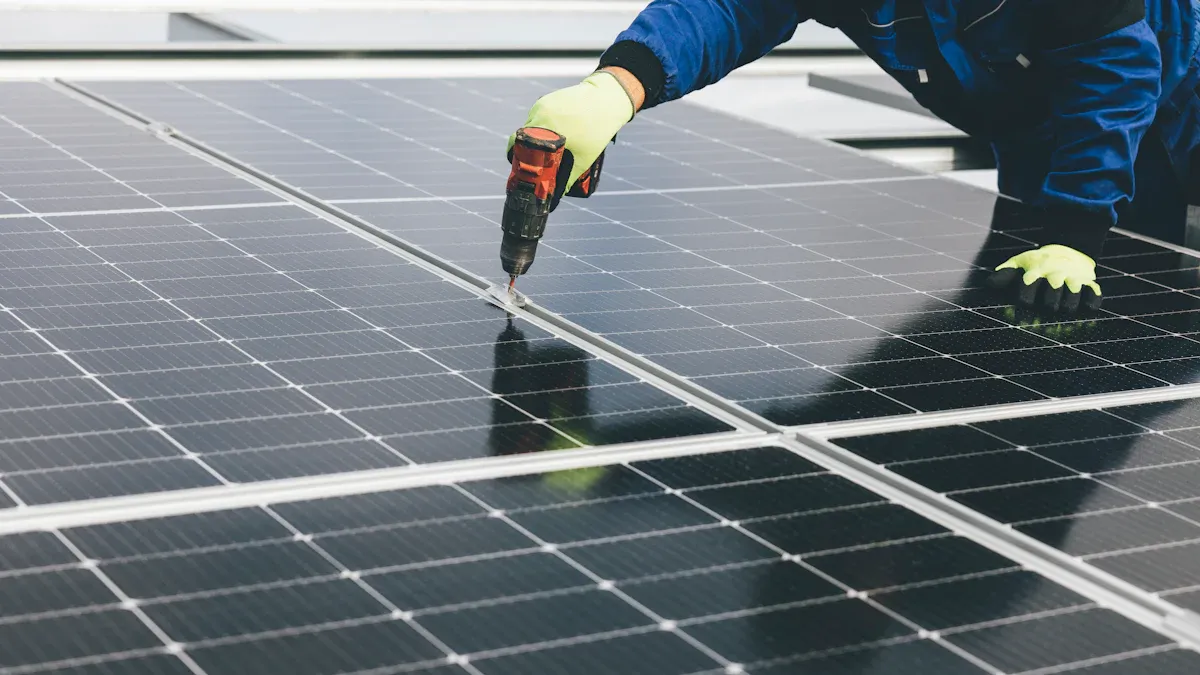
MC4 Solar Connectors are essential for industrial solar arrays. They provide secure, waterproof connections. You rely on them to link solar panels efficiently. These MC4 solar connectors ensure your large-scale systems deliver consistent, safe power, critical for industrial operations.
Key Takeaways
- MC4 solar connectors are important for industrial solar arrays. They provide secure and waterproof connections. They ensure your systems deliver consistent and safe power.
- Choose MC4 connectors with high voltage and current ratings. They must also have good IP ratings for harsh weather. This ensures long-term reliability and safety.
- Always use the right tools for installation. Inspect connectors regularly. Replace damaged ones right away to keep your solar system working well and safely.
Key Features of MC4 Solar Connectors for Industrial Use

Voltage and Current Ratings for Industrial Scale
Industrial solar installations demand high performance. You need connectors that handle significant power. MC4 solar connectors come with specific voltage and current ratings. These ratings tell you the maximum electrical load they can safely manage. For large-scale industrial systems, you often see ratings of 1000V DC or even 1500V DC. You must match these ratings to your solar array's output. Using connectors with insufficient ratings can lead to overheating. This causes power loss and creates safety hazards. Always select connectors that exceed your system's peak electrical requirements. This ensures long-term reliability and safety for your operations.
IP Ratings and Environmental Resistance of MC4 Solar Connectors
Industrial environments can be tough. Your solar connectors must withstand harsh conditions. IP ratings, or Ingress Protection ratings, tell you how well a connector resists dust and water. For industrial solar, you typically look for IP67 or IP68 ratings. An IP67 rating means the connector is dust-tight and can withstand temporary immersion in water. An IP68 rating offers even greater protection against continuous immersion. These high ratings ensure your MC4 solar connectors remain functional in heavy rain, dust storms, or even coastal salt spray. They prevent moisture and particles from entering the connection points. This protects your electrical integrity and extends the lifespan of your system.
Material Composition and Durability
The materials in your connectors directly impact their durability. High-quality MC4 connectors use specific materials for optimal performance. The connector housing often consists of PPO (polyphenylene oxide) or PC (polycarbonate). These plastics offer excellent UV resistance. They do not degrade under constant sunlight exposure. The metal contacts inside are usually tinned copper. Copper provides high electrical conductivity. The tin plating prevents corrosion. This combination ensures a stable, low-resistance connection over many years. These robust materials prevent premature wear and tear. They also maintain electrical integrity in demanding industrial settings.
Certifications and Standards Compliance
Certifications are not just labels; they guarantee quality and safety. For industrial buyers, certifications like UL (Underwriters Laboratories), TUV (Technischer Überwachungsverein), and CE (Conformité Européenne) are crucial. These marks indicate that the connectors meet rigorous safety and performance standards. They confirm the products have undergone extensive testing. Compliance with international standards, such as IEC 62852, further assures you of their reliability. Choosing certified connectors reduces your risk of equipment failure. It also ensures compliance with local building codes and insurance requirements. You gain peace of mind knowing your solar installation uses components proven safe and effective.

Types and Applications of MC4 Solar Connectors

Standard MC4 Connectors in Industrial Settings
You primarily use standard MC4 connectors to link individual solar panels. These connectors form the backbone of your solar array. They create series connections between panels. This increases the overall voltage of your system. You find them on almost every solar panel. They provide a quick and reliable way to build large industrial arrays. Their design ensures a secure, weather-tight connection. This is crucial for maintaining system integrity over time.
Branch and Combiner Box MC4 Solar Connectors
Branch connectors allow you to combine multiple strings of panels. You use them to connect two or more panel strings in parallel. This increases the current output of your system. You often see these connectors in combiner boxes. They consolidate power from several panel rows. This simplifies wiring and reduces cable runs to your inverter. Branch connectors are essential for optimizing power collection in large-scale installations.
Panel Mount and Inline MC4 Connectors
Panel mount connectors attach directly to equipment. You install them on inverters, charge controllers, or combiner boxes. They provide a fixed input or output point for your solar wiring. Inline connectors, however, extend cable runs. You use them to join two separate Solar Cables. This allows you to customize cable lengths for your specific layout. Both types ensure a consistent, secure connection throughout your system.
Compatibility with Industrial Cables
Proper cable compatibility is vital for safety and performance. You must match your MC4 solar connectors to the correct cable gauge. Industrial solar systems often use larger diameter cables. These cables handle higher currents. Ensure the connector's internal contact can accommodate your cable's conductor size. A proper fit prevents loose connections and reduces resistance. This maintains optimal power flow and prevents overheating.
Performance and Reliability of MC4 Solar Connectors in Harsh Environments

Resistance to UV Radiation and Extreme Temperatures
Industrial solar sites face tough weather. You need components that endure. MC4 solar connectors resist harsh UV radiation. This prevents material degradation from constant sunlight exposure. They also perform well across extreme temperature ranges. You can trust them in freezing winters or scorching summers. Their design ensures stable operation from -40°C to +90°C. This resilience prevents cracking or brittleness. It maintains the integrity of your electrical connections.
Long-Term Electrical Stability of MC4 Solar Connectors
You rely on consistent power flow. MC4 solar connectors provide long-term electrical stability. Their tinned copper contacts ensure low contact resistance. This minimizes power loss over time. The robust sealing prevents moisture ingress. Moisture can cause corrosion and increase resistance. You avoid intermittent connections or voltage drops. This stability is crucial for maximizing energy harvest. It ensures your industrial operations receive reliable power for decades.
Mechanical Strength and Vibration Resistance
Industrial environments often involve movement and vibration. Your connectors must withstand these forces. MC4 solar connectors feature strong mechanical designs. They resist pulling forces and impacts. Their locking mechanisms ensure secure connections. This prevents accidental disconnections. You can trust them to stay connected even with wind loads or equipment vibrations. This mechanical durability reduces maintenance needs. It also enhances the overall safety of your solar array.
Installation and Maintenance Best Practices for MC4 Solar Connectors
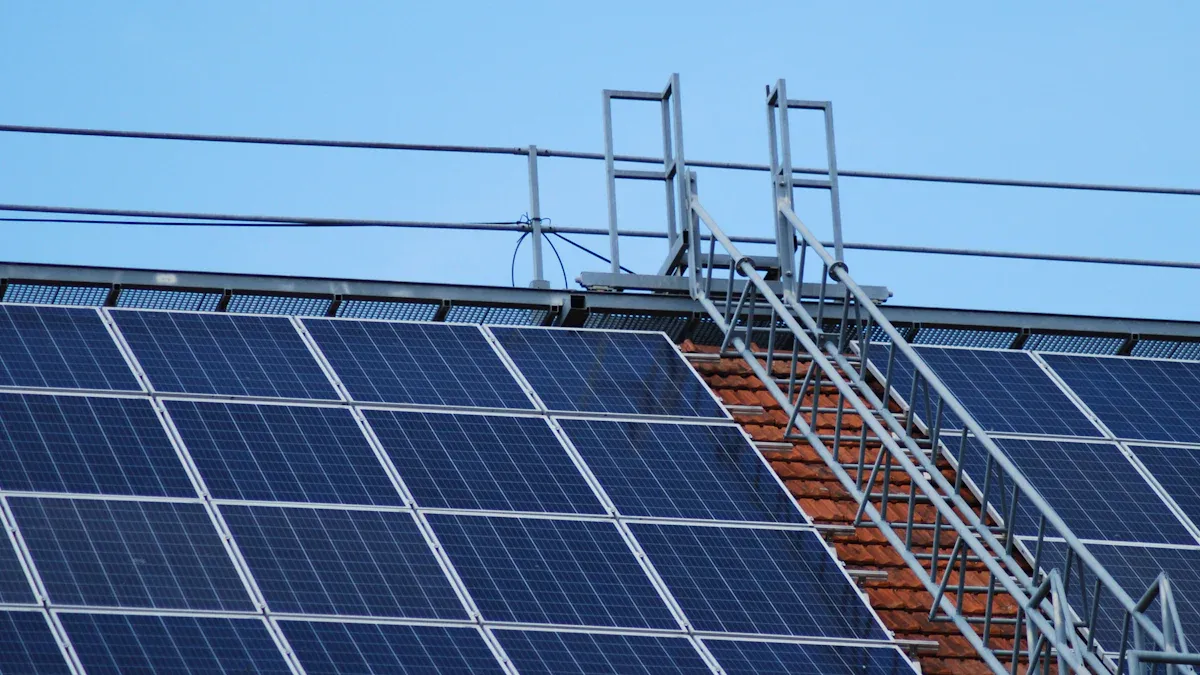
Proper Crimping Techniques and Tools
You must use the correct tools for reliable connections. Invest in a high-quality crimping tool specifically designed for solar connectors. This tool ensures a secure, gas-tight connection between the wire and the metal contact. First, strip the cable insulation to the recommended length. Then, insert the stripped wire into the contact. Place the contact and wire into the crimping tool. Apply firm, even pressure until the tool releases. A proper crimp prevents resistance and overheating.
Ensuring Secure Connections
A secure connection is vital for system longevity. After crimping the contact onto the wire, insert it into the connector housing. You should hear an audible click. This click confirms the contact is properly seated and locked. Always perform a gentle tug test on the cable. This verifies the contact will not pull out. Ensure the male and female connectors fully engage. Their locking tabs must snap together. This creates a weather-tight seal and prevents accidental disconnection.
Routine Inspection and Troubleshooting
Regular inspections prevent costly failures. Visually inspect all connectors periodically. Look for signs of wear, discoloration, or damage. Check for cracks in the plastic housing. Examine connections for any corrosion. Use an infrared camera to detect hot spots. Hot spots indicate high resistance and potential failure points. If you find a damaged connector, replace it immediately. Do not attempt to repair compromised connections.
Safety Protocols for Industrial Installations
Safety is paramount during installation and maintenance. Always de-energize the solar array before working on connectors. Implement lockout/tagout procedures. Wear appropriate personal protective equipment (PPE). This includes insulated gloves and safety glasses. Use insulated tools when handling electrical components. Follow all manufacturer guidelines and local electrical codes. These steps protect you and your team from electrical hazards.
Strategic Selection and Cost-Effectiveness of MC4 Solar Connectors
You make critical decisions when you choose components for industrial solar projects. Strategic selection of your connectors directly impacts your system's long-term performance and financial viability. You must consider more than just the initial purchase price. Focus on the total cost of ownership and how your choices affect efficiency and operational continuity.
Lifecycle Cost Analysis for Industrial Buyers
You must look beyond the upfront price tag. A lifecycle cost analysis helps you understand the true expense of your solar connectors. Cheap connectors might save money initially. However, they often lead to higher costs over time. Consider potential expenses like premature failures, replacement parts, and labor for repairs. High-quality connectors, while costing more at first, offer superior durability. They reduce maintenance needs and extend the lifespan of your entire system. This means fewer disruptions and lower operational costs for your industrial facility. You invest in reliability when you choose robust, certified connectors. This investment pays off through consistent performance and reduced long-term expenditures.
Impact on System Efficiency and Downtime
Your choice of connectors directly affects your solar array's efficiency. Poor quality connections create resistance. This resistance leads to power loss. You lose valuable energy that your panels produce. This reduces your system's overall output. Furthermore, connector failures cause system downtime. When a connector fails, a string of panels or even an entire array might stop producing power. This means lost revenue and interrupted operations for your business. Reliable connectors ensure consistent power flow. They minimize the risk of unexpected outages. You maintain high system efficiency and avoid costly downtime. This protects your energy production and your bottom line.
Bulk Purchasing and Supplier Relationships
You can achieve significant cost savings through bulk purchasing. Buying large quantities of connectors often secures better unit prices. This strategy also ensures a consistent supply for your projects. You avoid delays due to material shortages. Beyond price, cultivate strong relationships with your suppliers. A trusted supplier offers more than just products. They provide technical support, warranty services, and expert advice. They understand your industrial needs. This partnership ensures you receive high-quality, authentic connectors. It also gives you access to the latest innovations. You gain a reliable source for all your solar connector requirements. This strategic approach strengthens your supply chain and supports your project timelines.
Making Informed Decisions for Industrial Solar Longevity
You make critical choices for your industrial solar projects. Select high-quality MC4 solar connectors. This ensures system longevity and consistent performance. Your careful decisions protect your investment.
Partnering for Reliable MC4 Solar Connector Solutions
Partner with trusted suppliers. They provide reliable connector solutions. This collaboration guarantees system integrity. You secure your energy future.
FAQ
What makes MC4 connectors ideal for industrial use?
MC4 connectors handle high voltage and current. They offer superior environmental resistance. You get reliable, long-lasting connections for large-scale systems.
How do you ensure a secure MC4 connection?
You use a proper crimping tool. You ensure the contacts are fully seated. You also confirm the locking tabs engage completely.
Can you repair a damaged MC4 connector?
You should not repair damaged MC4 connectors. Replace them immediately. This maintains system integrity and safety.